
Sauces & Condiments
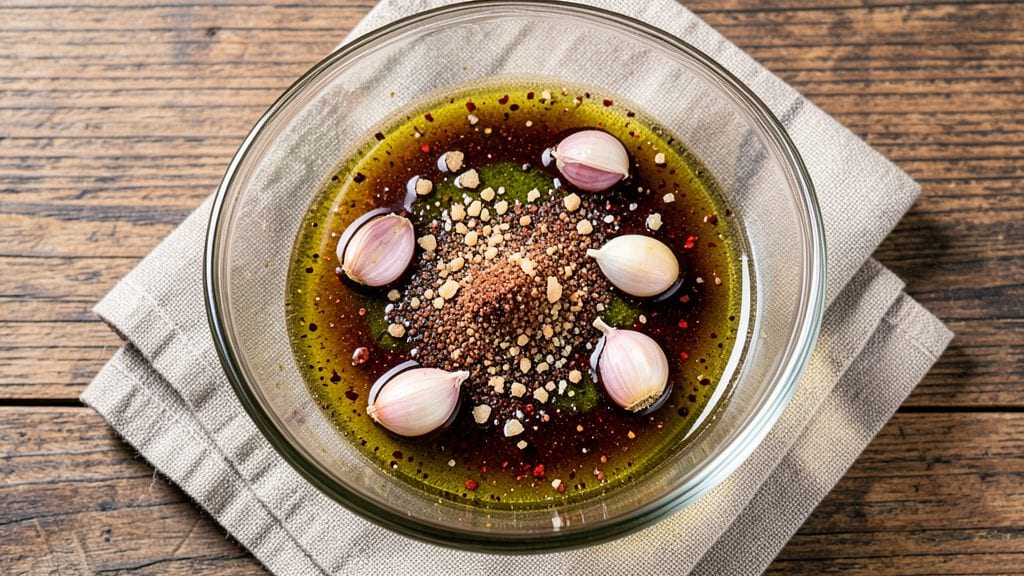
Transforming a simple beef loin into restaurant-quality steakhouse perfection starts with this beef loin marinade recipe—a bold blend of spices, acid, and aromatics designed to create an irresistible crust while keeping the meat tender and juicy.
The secret lies in balancing sweet, smoky, and tangy flavors that penetrate deeply during marinating, while the right acidity helps tenderize even tougher cuts.
This marinade uses just six core ingredients—olive oil, red wine vinegar, soy sauce, brown sugar, garlic, and a carefully chosen spice mix—to deliver maximum flavor without overpowering the natural beef taste.
The combination of sweet and savory elements creates a caramelized crust when seared, while the acidity helps break down muscle fibers for that melt-in-your-mouth texture. Professional chefs rely on similar techniques to elevate steakhouse-quality results at home.
Marinate your beef loin for at least 4 hours (overnight for deeper flavor penetration) to achieve the perfect balance of tenderness and bold seasoning. The marinade can be made ahead and stored in the refrigerator for up to 5 days, making it ideal for meal prep.
Whether you're grilling, pan-searing, or broiling, this marinade ensures your beef loin will have that signature steakhouse appeal every time.
Use this marinade as a standalone seasoning or incorporate it into your favorite steak rub for an extra layer of depth. The versatility makes it perfect for special occasions or weeknight dinners when you want to impress without the fuss. Let’s get started on creating that steakhouse-worthy crust at home.
Ingredients for beef loin marinade
Six bold ingredients transform simple beef loin into steakhouse-worthy perfection.
| Ingredient | Amount | Notes |
|---|---|---|
| Extra-Virgin Olive Oil 🫒 | ½ cup | High-quality, fruity variety preferred |
| Red Wine Vinegar 🍷 | ¼ cup | Dry, bold flavor preferred |
| Soy Sauce 🍶 | ⅛ cup | Light or dark variety works |
| Light Brown Sugar 🍯 | ¼ cup | Packed firmly for consistency |
| Garlic Cloves 🧄 | 6 cloves | Freshly minced for maximum flavor |
| Steakhouse Spice Blend 🌶️ | 2 tbsp | Custom blend (see notes for details) |
| Diamond Crystal Kosher Salt 🧂 | 1 tsp | Fine grain preferred for dissolving |
| Freshly Ground Black Pepper 🌶️ | ½ tsp | Coarse grind for texture |
The olive oil is your flavor carrier—California Avocado Ranch or Colavita brands deliver that rich, fruity depth. Red wine vinegar should be dry and aged (like Bartles & Jaymes), not sweet—it’s the backbone of acidity here. Soy sauce? Kikkoman or Lee Kum Kee work perfectly, but if you’ve got a fancy Japanese market nearby, grab Usukuchi for lighter color. Brown sugar needs to be packed firmly—Domino or Muscovado both work, but the latter adds caramel notes. For the garlic, Whole Foods or Trader Joe’s sell pre-minced in jars, but fresh is always better if you’ve got 30 seconds to chop.
No red wine vinegar? Balsamic vinegar at half the amount works in a pinch, though it’ll add sweetness. Soy sauce missing? Coconut aminos or tamari keep the umami without the sodium spike. Brown sugar substitute? Maple syrup or agave nectar—reduce other liquids slightly to balance. The spice blend is key: 2 tbsp smoked paprika, 1 tbsp garlic powder, 1 tbsp onion powder, 1 tsp cayenne, 1 tsp dried thyme, 1 tsp black pepper. If you can’t find smoked paprika, regular paprika plus 1/4 tsp liquid smoke gets you close. And yes, fresh garlic always wins over jarred—trust me on that.
This marinade keeps 5 days in the fridge, sealed tightly. For longer storage, freeze in ice cube trays—thaw overnight in the fridge before using. The sugar will crystallize slightly when frozen, but just whisk it back into smoothness. Double the batch if you’re prepping for a crowd—it’s worth the extra effort. Use within 24 hours of marinating beef to avoid over-tenderizing. And if you’ve got leftovers after searing? Toss the crusty beef back in the marinade for 10 minutes to soak up all that delicious flavor.
Why You'll Love This Recipe
- Five-Ingredient Magic: I swear by this combo—just oil, vinegar, soy, sugar, and garlic. No fancy prep, no measuring cups overcrowding my counter. The brown sugar caramelizes into a sticky glaze while the vinegar cuts through the richness, and honestly? That’s all you need for beef that falls apart.
- Weeknight Hero: Between us, this marinade turns a 20-minute chop into a restaurant-worthy steak. Toss it on before dinner, let it work its magic, and you’ve got something impressive with zero stress. (Yes, even on a Tuesday night when you’re exhausted.)
- Leftovers That Don’t Suck: Marinate a big piece, slice it thin, and you’ve got sandwich meat, stir-fry protein, or tacos for days. That brown sugar keeps it sweetly savory, so it doesn’t get boring—just add heat or fresh herbs to switch it up.
- Budget Steakhouse Vibes: This marinade makes a $10 cut taste like a $30 special. The soy and garlic build depth, while the vinegar keeps it bright, so you’re not just masking cheap meat—you’re making it better. My daughter picks out the garlic cloves, but still asks for seconds.
Step-by-step instructions for beef loin marinade
This marinade delivers deep flavor and a steakhouse-worthy crust—ready in minutes.
Combine Wet Ingredients for Flavor Foundation
In a medium mixing bowl, whisk together the 0.5 cup extra-virgin olive oil, 0.25 cup red wine vinegar, and 0.125 cup soy sauce until fully emulsified. The vinegar and soy sauce will create a tangy, umami-rich base that tenderizes the beef while adding complexity. Let the mixture sit for 5 minutes—this allows the flavors to meld slightly before adding the remaining ingredients.
Here's the thing—using high-quality extra-virgin olive oil makes a noticeable difference. The fruity notes complement the vinegar's acidity, while the soy sauce adds that signature savory depth. If you're using a particularly bold red wine vinegar, you might want to taste the mixture at this stage to ensure the balance suits your preference.
Incorporate Sweetness and Aromatics
Add the 0.25 cup light brown sugar and 6 cloves minced garlic cloves to the bowl. Stir vigorously with a wooden spoon until the sugar dissolves completely. The brown sugar isn't just for sweetness—it helps caramelize during cooking, creating that coveted crust while balancing the acidity of the vinegar.
For the garlic, I like to press it through a garlic press rather than chopping it finely. This releases more of its oils and ensures even distribution throughout the marinade. If you're using a spice blend that contains garlic powder, you can reduce the amount of fresh garlic slightly—about 2 cloves—to avoid overpowering the flavor.
Add Dry Seasonings for Depth
In a small bowl, combine the 2 tablespoons steakhouse spice blend, 1 teaspoon diamond crystal kosher salt, and 0.5 teaspoon freshly ground black pepper. Sprinkle this mixture into the wet ingredients and whisk until fully incorporated. The steakhouse spice blend typically contains paprika, garlic powder, onion powder, and other warm spices—this is where the marinade gets its signature restaurant-quality flavor.
I always use freshly ground black pepper for this step. The coarse texture adds a pleasant contrast to the smooth marinade, and the freshness ensures maximum flavor impact. If your steakhouse spice blend is particularly robust, you might want to reduce the additional salt slightly—taste as you go to achieve the perfect balance.
Blend and Rest Before Using
Transfer the marinade to a blender or food processor and pulse until completely smooth. This ensures even coating of the beef loin and prevents any dry spots. Pour the marinade into a resealable plastic bag or airtight container with a lid, making sure the beef loin is fully submerged when you add it later.
The marinade is now ready to use immediately, but if you have time, let it rest in the refrigerator for at least 1 hour before using. This allows the flavors to fully develop and the acid in the vinegar to begin breaking down the beef fibers for maximum tenderness. For best results, marinate the beef for 4 to 8 hours—this gives you that perfect balance of flavor infusion without over-tenderizing the meat.
Pro Tips For Making Beef Loin Marinade
- Mince That Garlic: I used to just smash the cloves with the flat side of my knife—don’t. Finely mince them into a paste with a few grinds of black pepper. The texture blends better with the brown sugar and oil, and you won’t get those stubborn garlic chunks that sit like little flavor bombs on your meat.
- Whisk, Don’t Stir: This marinade needs to emulsify properly, so grab that whisk and give it a good 30 seconds of work. Stirring just folds the ingredients without breaking the oil into the vinegar—you’ll end up with separated layers that won’t coat your beef evenly. (Yes, even if you’re impatient like me.)
- Let Sugar Dissolve: After mixing everything, let the marinade sit for 10 minutes before using it. The brown sugar needs time to fully dissolve into the vinegar and oil, or you’ll end up with sticky, undissolved grains clinging to your loin. Trust me, you don’t want to scrape sugar off your meat later.
- Use Cold Vinegar: Reach for that bottle of red wine vinegar straight from the fridge—never room temperature. Cold vinegar blends more smoothly with the olive oil and keeps the emulsification stable longer. I learned this the hard way after a marinade separated halfway through cooking. (Your future self will thank you.)
Storing and reheating your beef loin marinade
Refrigerator Storage
Store your unused marinade in an airtight container or resealable plastic bag in the refrigerator for up to 5 days. The acidity from the red wine vinegar helps preserve freshness, but always check for any off smells before using.
I like using glass mason jars with tight-sealing lids—they keep the marinade fresh longer and are easy to shake before each use. 💛
Freezer Prep Tips
For longer storage, freeze the marinade in ice cube trays—each cube is perfect for a single use. Once frozen, transfer cubes to a ziplock freezer bag and flatten to save space.
Thaw overnight in the fridge before using; the sugar may crystallize slightly, but a quick whisk restores smoothness. Double batches are ideal for meal prep—just label with the date.
Marinated Beef Storage
After marinating your beef loin, discard any leftover marinade that touched raw meat to prevent cross-contamination. Store the marinated beef in its marinade in an airtight container for up to 24 hours in the fridge before cooking.
For best results, cook within 12 hours to avoid over-tenderizing the meat. I always use butcher paper to wrap the beef—it’s breathable and prevents sogginess. ❄️
Reheating Leftover Crust
If you’ve got leftover beef with that delicious crust, reheat it in a skillet over medium heat for 2-3 minutes per side to restore crispiness. For larger cuts, use a cast-iron pan—it retains heat better and prevents drying out.
Add 1 tablespoon of beef broth to the pan to keep the meat moist while reheating. Avoid microwaving; it ruins the texture.
Reviving Flavor
If your beef tastes slightly bland after reheating, toss it back in the marinade for 10 minutes before serving. The residual flavors will soak back into the meat, giving it that restaurant-quality punch.
For extra richness, brush with melted butter right before serving. This trick works wonders for leftovers—trust me, it’s a game-changer. 💡
Equipment Essentials
Use a meat thermometer to check internal temperature—145°F for medium-rare is ideal for reheating. A tongs helps flip the beef evenly without tearing the crust. For extra crispiness, finish under a broiler for 1-2 minutes after reheating.
Investing in a high-quality cast-iron skillet (like Lodge) makes all the difference for reheating results. 🔥
Nutrition facts
Frequently asked questions
Can I use this marinade for other cuts of beef?
This marinade works beautifully on ribeye, sirloin, or flank steak—just adjust marinating time based on thickness. Thinner cuts like flank steak only need 2-4 hours to avoid over-tenderizing, while thicker cuts like ribeye can handle 8-12 hours for deeper flavor. The sugar and acid balance makes it versatile for any beef cut.
What if I don’t have red wine vinegar?
No problem! Substitute with balsamic vinegar (half the amount) for sweetness or apple cider vinegar for tang. White wine vinegar works too, but it’s milder. The key is maintaining acidity—just reduce other liquids slightly if using a sweeter vinegar to keep the balance right.
How do I prevent the beef from becoming too mushy?
Never exceed 12 hours of marinating time—longer exposure to acid can break down muscle fibers too much. For tougher cuts, 4-6 hours is ideal. Always pat the beef dry before cooking to ensure a proper sear, and use a meat thermometer to avoid overcooking (aim for 145°F for medium-rare).
Can I make this marinade ahead of time?
Yes! This marinade stays fresh in the fridge for 5 days in an airtight container. For longer storage, freeze in ice cube trays—thaw overnight in the fridge before using. The flavors actually develop better over time, making it perfect for meal prep. Just shake well before using to redistribute settled ingredients.
What’s the best way to remove excess marinade before cooking?
Pat the beef dry with paper towels for a perfect crust, but don’t rinse off the marinade—this removes flavor! For extra crispiness, let the beef sit uncovered in the fridge for 10-15 minutes before cooking to dry the surface. If you’re grilling, a quick sear over high heat will caramelize any residual marinade into a flavorful crust.