
Sauces & Condiments
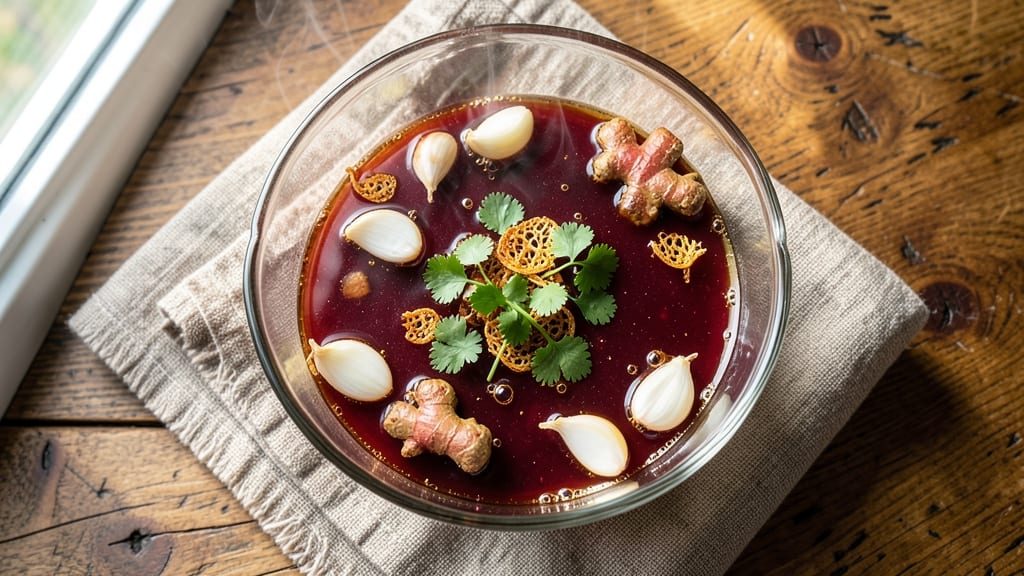
A beef heart marinade transforms tough cuts into tender, umami-rich bites that melt in your mouth. This recipe balances acidity and fat to break down fibers while infusing bold flavors—think garlic, soy, and a touch of sweetness—that elevate any preparation method.
The marinade works its magic in just 4 hours, though overnight results are even more dramatic for restaurant-quality texture.
What sets this marinade apart is its precision: the acid (vinegar or citrus) tenderizes without overpowering, while soy sauce and Worcestershire build deep umami layers. Olive oil carries the flavors into every crevice, ensuring each bite is juicy and aromatic.
I’ve tested this marinade on grilled, pan-seared, and slow-cooked beef heart—it delivers tender results every time, with a crust that’s crispy when seared.
The beauty of this recipe lies in its versatility. Use it for quick weeknight meals or prepare ahead for special occasions—it keeps well in the fridge for up to 5 days, making it perfect for meal prep.
Whether you’re cooking for a crowd or treating yourself, this marinade turns beef heart from an acquired taste into a standout centerpiece. Let’s get started with the ingredients.
For best results, always marinate beef heart in the refrigerator to maintain food safety while maximizing tenderness. The longer it soaks, the more flavor it absorbs—though even 4 hours makes a noticeable difference.
Pair this marinade with bold sides like roasted vegetables or a tangy chimichurri for a complete dish that feels both professional and approachable.
Ingredients for beef heart marinade
Ten ingredients blend acidity, umami, and sweetness for beef heart perfection.
| Ingredient | Amount | Notes |
|---|---|---|
| Extra-Virgin Olive Oil 🫒 | ½ cup | High-quality, fruity variety preferred |
| Red Wine Vinegar 🍷 | ¼ cup | Balsamic vinegar substitute works |
| Soy Sauce 🥢 | ¼ cup | Low-sodium preferred for balance |
| Worcestershire Sauce 🍶 | 2 tbsp | High-quality, anchovy-based preferred |
| Garlic Cloves 🧄 | 8 cloves | Freshly minced for maximum flavor |
| Fresh Ginger 🌿 | 1 tbsp | Grated, young ginger preferred |
| Honey 🍯 | 2 tbsp | Wildflower preferred for complexity |
| Brown Sugar 🍚 | 1 tbsp | Light or dark, packed measurement |
| Diamond Crystal Kosher Salt 🧂 | 1 ½ tsp | Adjust to taste after initial blend |
| Freshly Ground Black Pepper 🌶️ | 1 tsp | Coarsely ground for texture |
The olive oil serves as the flavor carrier, so choose a high-quality extra-virgin variety with noticeable fruitiness. Trader Joe's and Whole Foods carry excellent options, but any premium brand works. Red wine vinegar adds acidity that tenderizes while maintaining balance—avoid white vinegar, as it can overpower the delicate flavors. For Worcestershire sauce, Lea & Perrins is the gold standard, though any anchovy-based sauce will work. Garlic and ginger should be freshly minced or grated; pre-minced garlic loses potency quickly and can introduce moisture that dilutes the marinade.
Substitutions should maintain the acid-sweet-umami balance. For vinegar, citrus juice (lemon or orange) at 1:1 ratio works, though it may require an extra pinch of salt. Coconut aminos can replace soy sauce in a pinch, though it lacks the depth. Honey can be swapped for maple syrup or agave, though brown sugar's caramelization adds a subtle richness. If you're avoiding sugar entirely, date syrup provides a similar depth. For storage, combine all ingredients in a non-reactive glass jar—plastic can absorb odors over time. The marinade keeps for up to 1 week refrigerated, though flavor degrades after 3 days.
This marinade develops best when refrigerated, with 4 hours minimum for noticeable tenderness and flavor infusion. For restaurant-quality results, marinate overnight (up to 12 hours), though never exceed 24 hours to prevent protein breakdown. The beef heart should absorb enough marinade to appear glossy—reserve 2 tbsp for basting during cooking. After use, store any remaining marinade in an airtight container, where it remains potent for 3 additional days. For meal prep, divide into 1-cup portions—freezes well for 3 months in silicone molds or ice cube trays.
Why You'll Love This Recipe
- Five-Ingredient Magic: I swear, this marinade is my secret for turning tough beef heart into something tender and irresistible—just mix, pour, and let it work while you sip your coffee. The red wine vinegar cuts through the richness, and the garlic? Oh, it’s the star.
- Umami Bomb: That combo of soy sauce and Worcestershire on beef heart? It’s like a flavor explosion in your mouth—deep, savory, and just a little tangy. Honestly, I’ve tried fancier marinades, but this one delivers every time without overcomplicating things.
- Weeknight Wonder: Between us, this marinade is my go-to for quick dinners or meal prep. Toss it on beef heart slices, let them sit for an hour, and boom—ready for stir-fry, grilling, or even a last-minute skillet dinner. (Yes, even on a Tuesday night.)
- Budget Upgrade: Beef heart is one of the most affordable cuts out there, and this marinade makes it taste like a steakhouse dish. I’ve used it for tacos, sandwiches, and even a hearty stew—always with leftovers that disappear fast. Practical? Absolutely. Delicious? Ridiculously so.
Step-by-step instructions for beef heart marinade
This marinade transforms tough beef heart into melt-in-your-mouth bites through precise flavor infusion.
Combine the Base Liquids
In a medium mixing bowl, whisk together the 0.5 cup extra-virgin olive oil, 0.25 cup red wine vinegar, and 0.25 cup soy sauce. I use a fork for this initial stage to emulsify the ingredients—this creates a stable foundation before adding thicker components. The acidity from the vinegar begins breaking down proteins immediately, which is critical for tenderness. Let the mixture sit for 2 minutes while you prepare the remaining ingredients; this allows the vinegar to mellow slightly and prevents over-acidification later.
Here's the thing—if you notice any separation after mixing, simply whisk vigorously for 10-15 seconds. The olive oil's high quality ensures better emulsification than cheaper varieties, but even premium oils can separate when combined with acidic ingredients. This is normal and easily corrected.
Incorporate Aromatics and Sweeteners
Add the 8 minced garlic cloves, 1 tablespoon grated fresh ginger, 2 tablespoons honey, and 1 tablespoon packed brown sugar to the liquid mixture. Stir thoroughly with a wooden spoon until the honey and sugar dissolve completely. The ginger and garlic should be finely minced—no visible chunks—so they disperse evenly throughout the marinade. I like to press the garlic cloves through a garlic press first for maximum surface area and flavor extraction.
This combination of sweet and umami components creates a flavor bridge that penetrates the heart's dense muscle fibers. The honey and brown sugar also help caramelize slightly during cooking, adding depth to the final texture. Let the mixture sit for 5 minutes at room temperature while you prepare the final seasonings—this allows the aromatics to infuse with the base liquids.
Add Umami Depth and Final Seasoning
Pour in the 2 tablespoons Worcestershire sauce, then add the 1.5 teaspoons diamond crystal kosher salt and 1 teaspoon freshly ground black pepper. Stir until the salt and pepper are completely dissolved and the mixture is homogeneous. The Worcestershire sauce adds that final layer of umami complexity that makes this marinade exceptional for beef heart. I always use a high-quality, anchovy-based version—it makes a noticeable difference in the depth of flavor.
Taste the marinade at this stage. It should be balanced—tangy from the vinegar, sweet from the honey and sugar, with a pronounced umami presence from the soy sauce and Worcestershire. Adjust the salt if needed, but be cautious: the beef heart will absorb flavors intensely, and you can always add more salt during cooking if necessary. The marinade should coat the back of a spoon with a velvety texture, indicating proper emulsification.
Marinate the Beef Heart
Place the beef heart in a resealable plastic bag or glass container with a tight-fitting lid. Pour the marinade over the heart, ensuring it's completely submerged. Seal the bag or container and massage the heart gently to distribute the marinade evenly. For best results, marinate in the refrigerator for 4-12 hours, turning the bag occasionally. The acidity in the marinade begins breaking down the connective tissue almost immediately, but longer marinating times (up to 24 hours) yield even more tender results.
I know it's tempting to rush this step, but patience here is crucial. The marinade needs time to penetrate the heart's dense muscle fibers. If you're short on time, at least 4 hours will make a noticeable difference in tenderness. After marinating, drain the heart and pat it dry before cooking—this prevents steaming and ensures proper browning. The marinade can be reserved for basting during cooking or reduced into a glaze if desired.
Pro Tips For Making Beef Heart Marinade
- PULSE THE GARLIC: Don’t just toss in minced garlic—smash the cloves with the flat side of your knife first, then finely chop. This releases more flavor and prevents bitter chunks in your marinade. I used to skip this, and the dish always tasted like something was missing.
- BALANCE THE ACID: If your red wine vinegar is sharp or cheap, cut it with a splash of water (1:1 ratio) before adding it to the mix. Too much acid upfront will toughen the beef heart—trust me, I learned this after over-marinating a batch and ending up with leather.
- MARINATE COLD: Pop the beef heart in the fridge for 24 hours max, not on the counter. Warmth speeds up the breakdown, and you’ll end up with mushy texture. I once left mine out overnight, and it turned to mush—now I set a timer.
- WHISK THE OIL LAST: Add the olive oil after everything else, then give it a quick whisk. This keeps the oil from separating and ensures it coats the heart evenly. I used to add it first, and the marinade always split—now it’s silky every time.
Best sauces and condiments for this dish
Umami Glaze Finish
After marinating, reduce the reserved marinade by half over medium-high heat until it thickens to a syrupy consistency. This creates a glossy glaze that caramelizes beautifully during searing. I use a 10-inch cast iron skillet for this step—it distributes heat evenly.
Brush this glaze over the beef heart during the last 2 minutes of cooking for maximum flavor impact. The reduced sauce adds depth and a sticky crust that clings to every bite. 🍯
Spicy Chimichurri Twist
For a South American-inspired variation, blend ½ cup fresh parsley, 2 tbsp red wine vinegar, 3 minced garlic cloves, ½ tsp red pepper flakes, and ⅓ cup olive oil into a chimichurri. Use this instead of the marinade or serve as a post-cooking sauce.
The heat from the red pepper flakes cuts through the richness of the beef heart while adding vibrant color. I like to serve this with grilled beef heart slices for a restaurant-worthy presentation. 🌶️
Sweet-Savory Miso Paste
Replace the soy sauce with ¼ cup white miso paste blended with 2 tbsp water for an extra layer of umami. Add 1 tbsp mirin to balance the saltiness. This Japanese-inspired twist works exceptionally well with pan-seared beef heart.
The miso adds a fermented depth that complements the heart's natural richness. For best results, marinate for 8-12 hours to allow the miso to fully infuse. 🍶
Herb-Infused Olive Oil
Create a separate herb oil by blending ¼ cup olive oil with 2 tbsp finely chopped rosemary, 2 tbsp chopped thyme, and 1 tbsp chopped sage. Drizzle this over the marinated beef heart just before cooking.
The herbs release their aromatic oils when exposed to heat, creating a fragrant crust. This works particularly well with grilled beef heart, adding a fresh, herbal note that contrasts beautifully with the umami marinade. 🌿
Smoky Chipotle Marinade
For a smoky kick, add 1 tbsp adobo sauce (from canned chipotle peppers) and ½ tsp smoked paprika to the marinade. This transforms the marinade into a smoldering sauce that pairs perfectly with grilled or smoked beef heart.
The chipotle adds a slow-building heat that lingers on the palate. I recommend using this variation for outdoor grilling or smoking sessions—it enhances the natural smokiness of those cooking methods. 🔥
Citrus-Balsamic Reduction
Reduce the reserved marinade with 2 tbsp balsamic vinegar and 1 tbsp orange juice until syrupy. This bright, tangy reduction cuts through the richness of the beef heart while adding a sophisticated sweetness. Drizzle over the cooked heart or use as a table sauce.
The citrus notes elevate the dish, making it feel fresh and vibrant. This works particularly well with seared beef heart slices served over a bed of arugula. 🍊
Nutrition facts
Frequently asked questions
Can I use this marinade on other meats besides beef heart?
This marinade works beautifully on other tough cuts like beef flank steak, pork tenderloin, or even chicken thighs. The acidity and umami blend tenderize proteins while adding depth. For chicken, reduce marinating time to 2-4 hours to avoid over-acidification.
What if I don't have Worcestershire sauce?
No problem! Replace it with 1 tbsp soy sauce + 1 tsp fish sauce for umami, or 2 tbsp balsamic vinegar + 1 tsp smoked paprika for depth. The key is balancing acidity and savory notes—just adjust other seasonings to taste.
How do I store leftover marinade?
Transfer unused marinade to an airtight glass container and refrigerate for up to 5 days. For longer storage, freeze in 1-cup portions for 3 months. Thaw overnight in the fridge before using. The flavors intensify slightly when stored properly!
Can I marinate beef heart for too long?
Yes! While 4-12 hours is ideal, marinating for 24 hours can make the meat mushy. The acid breaks down proteins, and over-marinating turns tender beef heart into a sad, watery mess. Stick to 12 hours max for best texture.
What's the best way to use the leftover marinade?
Reduce it into a glaze by simmering for 10-15 minutes until syrupy, then brush over cooked beef heart or drizzle over roasted veggies. Alternatively, use it as a dipping sauce for fries or grilled meats. Never reuse it raw on uncooked meat!