
Main Courses
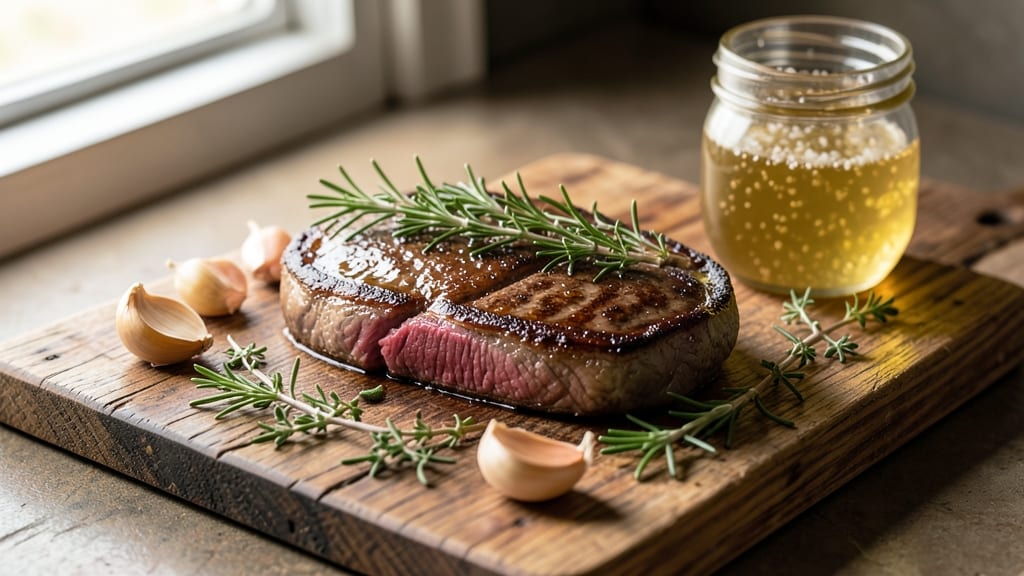
This beef brine recipe transforms even the toughest cuts into moist, flavor-packed masterpieces by infusing them with seasoning and moisture before cooking. The science is simple: salt and sugar dissolve into the water, creating a solution that beef absorbs over time, resulting in juicier meat with deeper flavor.
I developed this method after years of battling dry roasts and tough steaks—now every cut comes out tender and full of character.
The beauty of this technique lies in its versatility. Whether you're preparing a ribeye roast for Sunday dinner or sirloin steaks for a weeknight meal, the same brine works wonders.
The key is balancing salt, sugar, and aromatics like garlic and herbs to create a solution that enhances rather than overwhelms the natural beef flavor. For best results, let the beef soak for 4 to 24 hours, depending on the cut—longer for tougher pieces, shorter for more delicate ones.
What you’ll achieve is beef that’s unbeatable in moisture and flavor, with a crust that’s perfectly seared and a interior that’s impossibly tender. The brine doesn’t just add moisture—it builds layers of taste that carry through every bite.
This is the kind of technique that turns a simple cooking method into a restaurant-worthy experience, no matter the cut or the occasion.
Once brined, you can cook your beef however you like—grill it for a smoky char, roast it for a rich crust, or slow-cook it for melt-in-your-mouth tenderness. The possibilities are endless, and the results are always impressive. Here’s how to make it happen.
Ingredients for beef brine
Nine essential ingredients transform tough beef into restaurant-quality masterpieces.
| Ingredient | Amount | Notes |
|---|---|---|
| Beef (Ribeye or Chuck Roast) 🥩 | 2 lb | Center-cut for even tenderness |
| Kosher Salt 🧂 | ½ cup | Diamond Crystal preferred |
| Granulated Sugar 🍚 | ¼ cup | White or brown preferred |
| Garlic Cloves 🧄 | 6 cloves | Smashed for stronger flavor |
| Fresh Rosemary 🌿 | ¼ cup | Chopped, stems removed |
| Fresh Thyme 🌿 | ¼ cup | Stems removed, loosely packed |
| Black Peppercorns 🌶️ | 1 tbsp | Freshly cracked for intensity |
| Bay Leaves 🌿 | 2 whole | Dried works if fresh unavailable |
| Cold Water 💧 | 4 cups | Tap or filtered preferred |
| Extra-Virgin Olive Oil 🫒 | 2 tbsp | For coating after brining |
| All-Purpose Flour 🌾 | ½ cup | For dredging before cooking |
The beef cut matters most here—ribeye or chuck roast are ideal, but sirloin or flank steak work too. Grab center-cut pieces from Whole Foods or your butcher for even tenderness. If using a whole roast, trim excess fat first—it can make the brine cloudy. For best results, buy the beef 1-2 days before brining so it's fresh but not frozen. The Kosher salt is non-negotiable—Diamond Crystal dissolves better than table salt, giving you that perfect balance of seasoning without overwhelming the beef's natural flavor.
No fresh rosemary? Dried works at half the amount, but fresh is worth hunting down at Trader Joe's or farmers markets. The sugar helps with moisture retention and caramelization—brown sugar adds subtle depth if you prefer. Short on peppercorns? Crushed red pepper flakes at half the amount give a different but delicious kick. The bay leaves add earthy notes that disappear during cooking but leave behind subtle flavor. For a smoky twist, add 1 tbsp smoked paprika to the brine. Always use cold water—room temperature can dilute the flavor balance.
This brine keeps in the fridge for up to 1 week if stored in an airtight container. The beef itself should soak for 4-24 hours—longer for tougher cuts like chuck, shorter for tender ones like ribeye. Pat the beef dry thoroughly after brining (use paper towels) and let it sit uncovered in the fridge for 10-15 minutes before cooking. This step creates that perfect crust. The leftover brine? Save it for marinating grilled veggies or making a quick pan sauce—it's packed with flavor.
Why You'll Love This Recipe
- No-Fuss Prep: I swear by this method—just toss the beef in a bag with salt, sugar, and herbs, then let it sit. No chopping, no fuss, and zero cleanup until you’re ready to cook.
- Deep, Caramelized Magic: That sugar in the brine doesn’t just season—it melts into the meat, giving you a crust so rich and savory, you’ll want to lick the plate. (Yes, even on a Tuesday night.)
- Weeknight to Dinner Party: Same exact brine works for a quick sear on the stove or slow-roasted for hours. My go-to for when I need to impress but don’t want to slave over it.
- Leftovers That Don’t Suck: Brined beef stays juicy for days—perfect for sandwiches, tacos, or reheating with minimal effort. Honestly, the second night is often the best.
Step-by-step instructions for beef brine preparation
Here's the method you need for perfectly moist, flavor-infused beef every time.
Prepare the Brine Mixture
In a large non-reactive container (glass or food-grade plastic works best), combine the 4 cups cold water, 0.5 cup kosher salt, and 0.25 cup granulated sugar. Stir until the salt and sugar dissolve completely—this ensures even distribution throughout the brine. The solution should taste strongly salty but not overly sweet.
Next, add the 6 smashed garlic cloves, 0.25 cup chopped fresh rosemary, 0.25 cup fresh thyme, 1 tablespoon freshly cracked black peppercorns, and 2 whole bay leaves. Give everything a gentle stir to incorporate the aromatics. This herb and spice blend will infuse the beef with complex, aromatic flavors while keeping it impossibly tender. Let the mixture sit for 10 minutes at room temperature, allowing the flavors to meld together before adding the beef.
Submerge the Beef in the Brine
Place the 2 lb beef (ribeye or chuck roast) in a zip-top plastic bag or non-reactive container. Pour the prepared brine over the beef, ensuring it's fully submerged. If using a bag, seal it tightly, squeezing out any air bubbles to prevent the beef from floating. For containers, weigh down the beef with a plate if needed to keep it completely covered.
Refrigerate the beef in the brine for 4 to 12 hours, depending on your schedule and the cut's thickness. The longer it brines, the more tender and flavorful it becomes—but even 4 hours will yield noticeably better results than unbrined beef. For best results, I recommend brining overnight for 8 to 12 hours, especially for thicker cuts like chuck roast.
Rinse and Dry the Brined Beef
After brining, remove the beef from the liquid and rinse it thoroughly under cold water to remove excess salt. Pat the beef dry with paper towels, pressing firmly to absorb as much moisture as possible. This step is crucial—it prevents the beef from steaming instead of searing when you cook it later.
Next, coat the beef evenly with 2 tablespoons extra-virgin olive oil. This creates a barrier that promotes browning and adds a subtle richness to the crust. Let the oiled beef sit at room temperature for 30 minutes before cooking. This allows the surface to dry slightly, ensuring a better sear and deeper flavor penetration.
Dredge and Prepare for Cooking
Just before cooking, lightly dredge the beef in 0.5 cup all-purpose flour, shaking off any excess. This thin coating helps create a golden crust when seared and adds a touch of texture. For ribeye, focus on the sear faces, while for chuck roast, ensure even coverage on all sides.
At this point, your beef is ready for cooking—whether you're grilling, roasting, or pan-searing. The brine has guaranteed moisture, and the seasoning ensures deep, complex flavor in every bite. Now it's time to let that beef shine in your chosen cooking method.
Pro Tips For Making Beef Brine
- BRINE AT ROOM TEMP: DESCRIPTION:
- SMASH GARLIC CLOVES: DESCRIPTION:
- SALT THE BRINE HEAVY: DESCRIPTION:
- SKIP THE BOILING: DESCRIPTION:
Perfect pairings for these flavors
Roast Pairings
For brined beef roasts, I love serving them with creamy horseradish mashed potatoes—the sharpness of horseradish cuts through the richness beautifully. Use 1 lb Yukon Gold potatoes boiled in salted water, mashed with 4 oz cream cheese, 2 tbsp prepared horseradish, and 3 tbsp butter.
A side of roasted Brussels sprouts with balsamic glaze adds a tangy contrast. 🥔
For a classic touch, au jus made from the roast drippings is a must. Deglaze the pan with ½ cup red wine and 1 cup beef broth, then reduce until syrupy.
Serve with crusty French bread for soaking up every last drop. The brine’s deep flavors shine in this simple but elegant presentation.
Steak Pairings
Brined steaks deserve bold sides. Garlic-parmesan roasted potatoes—tossed in 2 tbsp olive oil, 3 minced garlic cloves, and ¼ cup grated parmesan—add a savory crunch.
For a lighter option, sautéed green beans with 1 tbsp toasted almonds and a splash of lemon juice balance the richness. 🍠
For a smoky note, serve with grilled corn on the cob slathered in chipotle mayo (mix ½ cup mayo with 1 tbsp chipotle in adobo). The heat from the chipotle complements the brined beef’s depth. For a refreshing finish, add a simple arugula salad with lemon vinaigrette.
Sauce Elevations
Turn leftover brine into a quick pan sauce. After cooking, deglaze the pan with ¼ cup red wine and 1 cup beef broth, then whisk in 1 tbsp Dijon mustard and 1 tbsp butter. Simmer until thickened—this sauce is packed with the beef’s brined flavors. 🍷
For a red wine reduction, simmer 1 cup red wine with 2 tbsp brown sugar until syrupy. Stir in 1 tbsp butter at the end for a glossy finish.
Drizzle over sliced brined steak or roast for an instant restaurant-worthy touch. The wine’s acidity cuts through the beef’s richness perfectly.
Beverage Pairings
A bold Cabernet Sauvignon—like a Napa Valley Cab—matches brined beef’s richness. Look for notes of blackcurrant and vanilla to complement the rosemary and garlic in the brine. For a lighter option, a Malbec from Argentina offers plummy depth without overpowering. 🍷
For beer lovers, a dark ale like Guinness or a smoked porter adds a malty contrast. The caramel and toasted notes in the beer echo the beef’s caramelized crust. If you prefer something crisp, a German Helles Lager provides a clean finish that lets the beef’s flavors shine.
Nutrition facts
Frequently asked questions
Can I use this brine for all beef cuts?
This recipe works beautifully for most cuts, but timing varies. Tender cuts like ribeye or sirloin only need 4-6 hours in the brine, while tougher cuts like chuck roast benefit from 12-24 hours. For delicate cuts like filet mignon, reduce salt to ¼ cup to avoid over-seasoning.
What if I don't have fresh herbs?
No problem! Use ½ teaspoon dried rosemary and ½ teaspoon dried thyme instead of fresh. For extra depth, add 1 teaspoon smoked paprika or ½ teaspoon ground coriander. The brine will still infuse great flavor—just adjust the aromatics to your taste.
Can I reuse the brine?
After removing the beef, strain out the herbs and peppercorns, then store the liquid in an airtight container. Use it to marinate grilled vegetables, make a quick pan sauce, or even as a base for soups. The flavor is concentrated and delicious—just avoid reusing it for another round of brining beef.
Why does my brined beef turn out dry?
This usually happens if you skip the drying step after rinsing or overcook the beef. Always pat the beef thoroughly dry with paper towels before cooking, and use a meat thermometer (145°F for medium-rare). For roasts, cook to 130-135°F and let it rest 15-20 minutes before slicing.
How do I adjust the brine for spicier flavors?
Add 1 tablespoon cayenne pepper or 2 tablespoons chipotle powder to the brine for heat. For a smoky kick, include 1 tablespoon liquid smoke or ½ teaspoon smoked sea salt. If you love bold flavors, try adding 1 tablespoon crushed red pepper flakes—just taste the brine before adding the beef!