
Main Courses
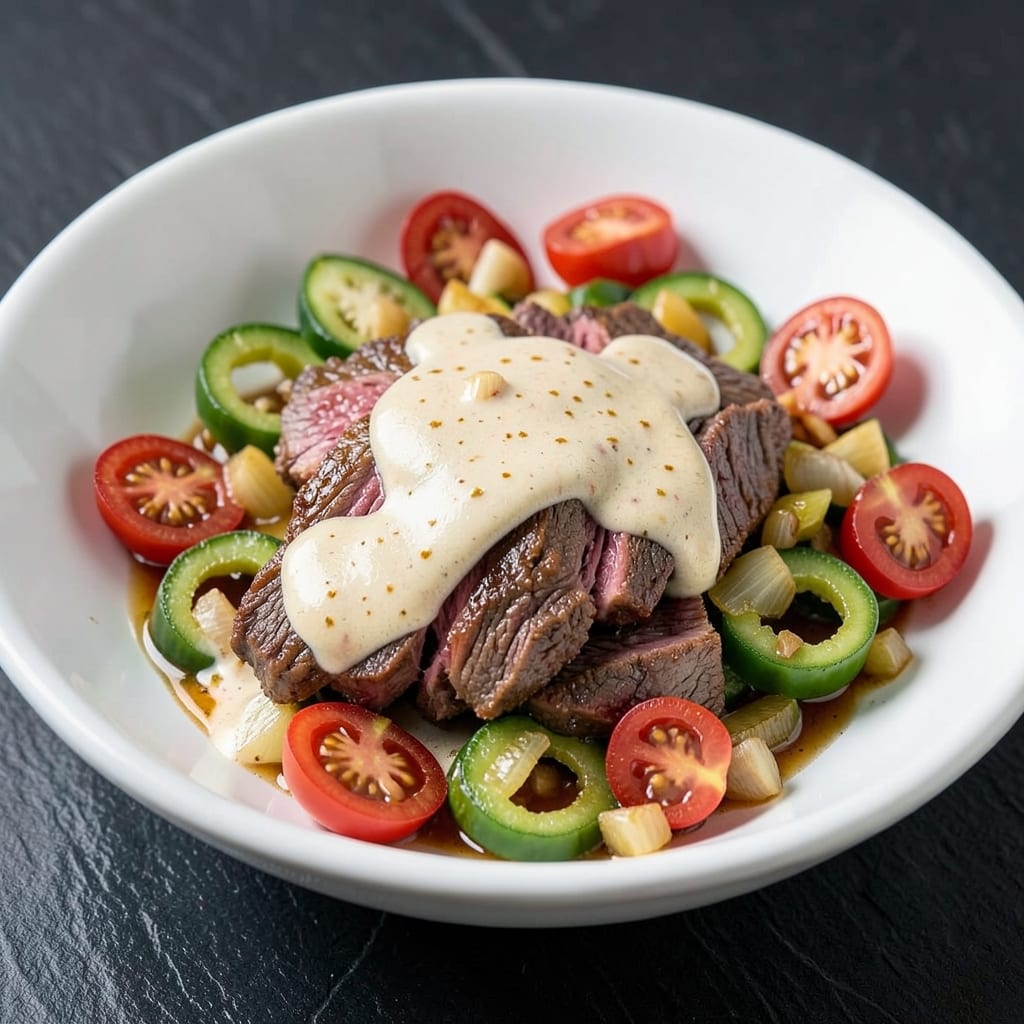
This panlasang Pinoy beef ampalaya recipe brings the soul-warming comfort of Filipino home cooking to your table in just one pot. 🌟 The secret lies in balancing bitter ampalaya (bitter melon) with rich coconut milk and tender beef, creating a dish that's both hearty and deeply flavorful—perfect for weeknight dinners or special gatherings.
The magic happens in the slow simmer, where garlic, onions, and a touch of shrimp paste build layers of umami before the coconut milk transforms everything into a velvety, aromatic sauce. I've simplified the process without sacrificing authenticity, so you can achieve restaurant-quality results with just 15 minutes of prep and 45 minutes of hands-off cooking.
What you'll end up with is a steaming pot of tender beef, vibrant green ampalaya, and fragrant spices—all swimming in a creamy sauce that's rich yet balanced. The bitterness of the melon mellows beautifully against the coconut's sweetness, creating a dish that's both comforting and exciting. This is Filipino home cooking at its finest.
Serve it with steamed rice to soak up every last drop of that delicious sauce. The best part? Only one pot to clean afterward. Let's make this dish!
Ingredients for beef ampalaya recipe panlasang pinoy
One-pot Filipino comfort with tender beef and vibrant bitter melon—just 15 minutes prep.
| Ingredient | Amount | Notes |
|---|---|---|
| Beef Chuck Roast 🥩 | 1 ½ lb | Cut into 1-inch cubes |
| Ampalaya (Bitter Melon) 🥬 | 1 lb | Peeled, sliced into 1-inch pieces |
| Coconut Milk 🥥 | 1 can | Full-fat, 13.5 oz can |
| Garlic Cloves 🧄 | 6 cloves | Minced, aromatic base |
| Yellow Onions 🧅 | 2 whole | Sliced thin, caramelized |
| Tomatoes 🍅 | 2 whole | Medium, diced |
| Shrimp Paste 🦐 | 1 tbsp | Filipino bagoong isom |
| Fish Sauce 🐟 | 1 tbsp | Red Boat preferred |
| Soy Sauce 🍶 | 2 tbsp | Dark soy for color |
| Sugar 🍚 | 1 tbsp | White granulated |
| Salt 🧂 | 1 tsp | Diamond Crystal preferred |
| Black Peppercorns 🌶️ | ½ tsp | Freshly ground |
| Cooking Oil 🫒 | 2 tbsp | Vegetable or canola |
| Bay Leaves 🌿 | 2 whole | Dried, aromatic |
| Green Chili Peppers 🌶️ | 2 whole | Sliced, optional for heat |
The beef is non-negotiable—chuck roast gives that melt-in-your-mouth texture, while sirloin stays tough. Look for good marbling at Filipino markets or the meat section of Asian grocery stores. Ampalaya (bitter melon) should be firm, not slimy—Filipino markets or specialty produce sections usually carry it fresh. If you can't find it, substitute with zucchini or okra, but the bitterness is what makes this dish special. For the coconut milk, full-fat is essential—light versions won't give that creamy texture. I always grab Goya or Thai Kitchen brands when I'm in a pinch.
No shrimp paste? Anchovy paste at half the amount works in a bind, though it won't be quite the same. Fresh tomatoes are ideal, but canned crushed tomatoes (drained well) save time. The dark soy sauce is key for that signature Filipino color—regular soy won't cut it. For heat, sichuan peppercorns or extra chili flakes can replace the green peppers. If you're using pre-minced garlic, toast it first in the oil to deepen the flavor. The shrimp paste might smell funky, but trust me—it's the secret to that authentic umami punch.
This dish tastes even better the next day as flavors meld. Store leftovers in the fridge for up to 4 days, or freeze for 3 months. I always make a double batch because it disappears fast—steamed jasmine rice is the only thing that should touch this sauce. For reheating, add a splash of water or coconut milk to prevent drying out. The bitter melon softens as it sits, so the bitterness mellows beautifully over time.
Why You'll Love This Recipe
- One-Pot Magic: I swear by this recipe because it’s actually one-pot—no chopping boards full of mess. Sear the beef, toss in the onions and garlic, add the ampalaya, and let the coconut milk work its richness. By the time the bitter melon softens, you’ve got a dish that’s done. (Yes, even on a Tuesday night.)
- Rich Yet Refreshing: Here’s what sold me—the balance. The beef stays tender, the coconut milk smooths out the ampalaya’s bitterness, and that garlic-onion base? Chef’s kiss. It’s creamy but not heavy, bold but not overpowering. Honestly, it’s the kind of dish that makes you forget how simple the ingredients are.
- Weeknight & Leftovers: Between us, this is my go-to for busy nights and lazy Sundays. Double the batch, and you’ve got a freezer-friendly meal for next week—just reheat and serve. The flavors actually improve the second day, which is rare. (My kids argue over who gets the leftovers.)
- Budget-Friendly Luxury: Beef chuck roast is affordable, and ampalaya grows like a weed in tropical climates. You’re getting restaurant-quality richness without the price tag. Plus, the coconut milk stretches thin, so every spoonful feels like a treat. Not the prettiest, but the taste makes up for it—every time.
Step-by-step instructions for beef ampalaya panlasang Pinoy
Here's how to create this rich, one-pot Filipino classic with tender beef and perfectly balanced bitter melon.
🍳 Step 1: Sear the Beef and Build the Flavor Base
Heat the 2 tablespoons cooking oil in a large Dutch oven or heavy pot over medium-high heat. Add the 1.5 lb beef chuck roast cut into 1-inch cubes and sear for 3-4 minutes until browned on all sides. This step develops deep meaty flavor through the Maillard reaction.
Remove the beef and set aside. In the same pot, add the 1 tablespoon shrimp paste and cook for 30 seconds until fragrant—this is the umami foundation of the dish. Immediately add the 6 cloves minced garlic cloves and 2 whole sliced yellow onions, cooking for 2 minutes until softened but not browned.
🍳 Step 2: Develop the Sauce with Tomatoes and Aromatics
Add the 2 whole diced tomatoes, 1 tablespoon sugar, 1 tablespoon soy sauce, 1 teaspoon salt, and 0.5 teaspoon black peppercorns to the pot. Stir well and cook for 5 minutes until the tomatoes break down and the mixture thickens slightly. You're creating a flavorful base that will carry through the entire dish.
Here's the thing—don't rush this step. The tomatoes should soften and release their juices, creating a rich sauce that will later blend with the coconut milk. The sugar helps balance the bitterness of the ampalaya while enhancing the caramelization of the aromatics.
🥘 Step 3: Simmer the Beef in Coconut Milk
Return the seared beef to the pot and pour in the 1 can coconut milk. Stir to combine, then add the 2 whole bay leaves and 2 whole sliced green chili peppers. Bring to a gentle simmer over medium-low heat, then reduce heat to maintain a bare simmer. Cover partially and cook for 45 minutes to 1 hour until the beef is fork-tender.
I know it seems like a long time, but patience pays off here. The coconut milk will infuse with the beef's flavors, creating a creamy, velvety sauce. The beef should pull apart easily with a fork—this is your signal that it's ready for the next phase.
👨🍳 Step 4: Add the Ampalaya and Finish Cooking
Add the 1 lb sliced ampalaya (bitter melon) to the pot and stir gently to coat in the sauce. Increase heat to medium-low and simmer uncovered for 15-20 minutes until the ampalaya is tender but still holds its shape. The bitterness of the ampalaya will mellow as it cooks in the rich coconut sauce.
Here's where it gets fun—the ampalaya should be tender enough to pierce with a fork but still maintain some bite. If you prefer it softer, add 2-3 tablespoons water to the pot and continue cooking for another 5 minutes. The sauce should be thick enough to coat the back of a spoon but still have a slight sheen.
🍽️ Step 5: Balance the Flavors and Serve
Remove the pot from heat and stir in the 1 tablespoon fish sauce and remaining 1 tablespoon soy sauce. Taste and adjust seasoning—you might need a touch more salt or a splash of water to reach your desired consistency. The fish sauce adds depth while the soy sauce enhances the umami.
Let the beef ampalaya rest for 5 minutes before serving. This resting period allows all the flavors to meld together perfectly. Serve hot with steamed rice—each bite should deliver tender beef, creamy coconut milk, and just the right amount of bitter melon with rich, savory depth.
Pro Tips For Making Beef Ampalaya Recipe Panlasang Pinoy
- SEAR THE BEEF FIRST: Don’t skip browning that chuck roast—high heat for 5-6 minutes until deep caramel forms. I used to rush this, and the stew always tasted flat. The Maillard reaction here builds flavor that coconut milk alone can’t mask.
- PEEL THE AMPALAYA LAST: Cut the bitter melon first, but leave the skin on until after cooking. The texture softens beautifully in the stew, and you avoid the mess of peeling raw ampalaya. (Yes, even if it looks weird—it works.)
- SIMMER LOW AND SLOW: After adding coconut milk, drop heat to a bare simmer—no boiling. I learned this the hard way when my first batch curdled the coconut milk. Let it cook for 1.5–2 hours until beef shreds easily.
- USE FROZEN AMPALAYA: Frozen bitter melon keeps better and cuts cleaner than fresh—no bitter juice splatter. Thaw it first, then slice thinly. (I skip peeling entirely when using frozen, since the skin cooks down soft.)
Storing and reheating your beef ampalaya recipe panlasang pinoy
Fridge Storage Tips
Store your beef ampalaya in an airtight container with a lid, allowing just enough room for the sauce to breathe. I like using glass Pyrex containers because they keep the dish fresh longer and show off that gorgeous creamy sauce. Keep it refrigerated at 40°F or below for up to 4 days—the flavors actually deepen as the bitterness of the ampalaya mellows over time. 🌟
Freezer Prep
For longer storage, let the dish cool completely before transferring to freezer-safe containers or heavy-duty freezer bags. Leave 1 inch of headspace since the sauce will expand when frozen. Label with the date—this keeps track of your 3-month freezer life. I always portion it into 2-cup servings for easy reheating later. ❄️
Reheating Methods
For the best texture, reheat on the stovetop over medium-low heat with 2 tablespoons of water or coconut milk to prevent drying. Stir occasionally for 8-10 minutes until piping hot. The sauce should return to its creamy consistency. If using the microwave, cover with a damp paper towel and heat in 1-minute intervals until reaching 165°F.
Sauce Rescue
If your sauce looks too thick after reheating, simply add 1-2 tablespoons of water or coconut milk and stir. The bitterness of the ampalaya becomes more pronounced when dry, so a splash of liquid helps restore balance. For extra richness, stir in ½ teaspoon of shrimp paste—it's the secret to reviving that restaurant-quality depth. 💡
Make-Ahead Magic
This dish tastes even better the next day! I often make a double batch and refrigerate half for quick weeknight meals. The ampalaya's bitterness softens beautifully overnight, creating a more harmonious flavor profile. Just reheat and serve with freshly steamed rice for a comforting meal that feels like home. 🍚
Portioning Perfection
Divide leftovers into single-serving containers before storing to prevent overcooking when reheating. Each portion should have equal amounts of beef, ampalaya, and sauce—this ensures balanced flavor in every bite. I like using small glass containers because they're microwave-safe and easy to grab when hunger strikes. 🍽️
Nutrition facts
Frequently asked questions
Why does my beef ampalaya taste too bitter?
The bitterness comes from the ampalaya, but it should be balanced by the coconut milk and other flavors. If it's too strong, add ½ teaspoon more sugar or a splash of fish sauce to round out the flavors. The longer the dish sits, the more the bitterness mellows—try reheating with a little extra coconut milk to restore balance.
Can I use regular soy sauce instead of dark soy?
Regular soy sauce won't give the same rich color, but it'll still work! For the best results, use 1 tablespoon dark soy sauce for color and 1 tablespoon regular soy sauce for flavor. If you're out of dark soy, a pinch of turmeric can help mimic the golden hue without compromising taste.
How do I make this dish less creamy?
To reduce the richness, use light coconut milk instead of full-fat, or add 1 extra cup of water when simmering. For a lighter texture, you can also remove some of the coconut cream before serving. The beef will still be tender, but the sauce will be less heavy—great for those who prefer a lighter stew.
What's the best cut of beef for this recipe?
Chuck roast is ideal because it stays tender when slow-cooked, but brisket or short ribs also work well. Avoid lean cuts like sirloin—they can dry out. If you're using pre-cut beef, look for well-marbled pieces at Filipino or Asian markets for the best results.
Can I make this dish in an Instant Pot?
Brown the beef first, then sauté the aromatics. Add all ingredients and cook on high pressure for 20 minutes, followed by a 10-minute natural release. The ampalaya will soften faster, so check for tenderness early. The sauce might be thinner, so reduce it uncovered on the stove for 5-10 minutes after pressure cooking.