
Soups & Stews
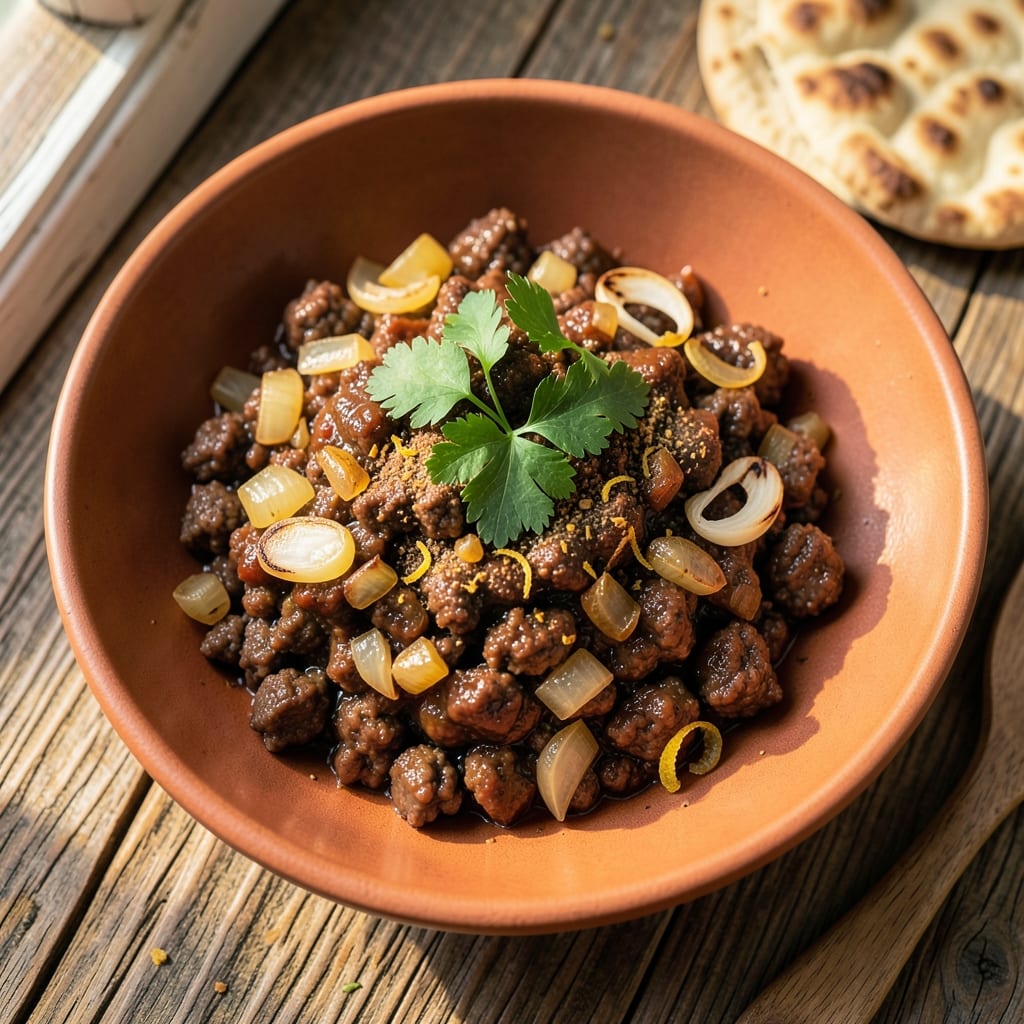
This beef Adana recipe brings the smoky, spiced flavors of Turkish kebabs straight to your kitchen—no special equipment required. The secret lies in the marinade, where warm spices like cumin and paprika transform simple ground beef into tender, aromatic meatballs that practically melt in your mouth. I've perfected this technique after years of testing, ensuring every bite delivers that perfect balance of savory, spicy, and slightly sweet.
The beauty of Adana kebabs is their versatility—grill them on skewers for traditional presentation or shape them into patties for a handheld experience. What sets this recipe apart is the slow marinating process, which allows the spices to deeply penetrate the meat, creating layers of flavor that develop even more as they cook. The result? Juicy, flavorful meatballs with a subtle char that adds depth to every bite.
Serve these spiced Turkish meatballs with warm pita bread for dipping or alongside a fresh salad and rice for a complete meal. The aroma alone will have everyone at the table asking for seconds, and the combination of warm spices and tender meat makes this a dish that's as comforting as it is impressive. Whether you're hosting a dinner party or just craving a taste of Turkey, this recipe delivers restaurant-quality results at home.
Ready to master this classic? The process is straightforward, but the flavor payoff is extraordinary. Let's get started on creating your own Adana kebabs—where every bite tells a story of Turkish tradition and bold flavors.
Ingredients for beef adana
Ground beef, warm spices, and a touch of lemon—just the ingredients you need for these smoky Turkish meatballs.
| Ingredient | Amount | Notes |
|---|---|---|
| Ground Beef 🥩 | 1 ½ lb | 80/20 fat ratio for juiciness |
| Yellow Onion 🧅 | 1 whole | Medium size, finely chopped |
| Garlic Cloves 🧄 | 4 cloves | Freshly minced for maximum flavor |
| Ground Cumin 🌿 | 2 tsp | Toasted for deeper aroma |
| Paprika 🌶️ | 1 ½ tbsp | Smoked variety for authentic taste |
| Ground Coriander 🌿 | 1 tsp | Freshly ground if possible |
| Salt 🧂 | 1 ½ tsp | Kosher or sea salt preferred |
| Black Pepper 🌶️ | ½ tsp | Freshly ground for best flavor |
| Red Pepper Flakes 🔥 | ½ tsp | Adjust for heat preference |
| Olive Oil 🫒 | 2 tbsp | Extra-virgin for richness |
| Fresh Parsley 🌿 | ¼ cup | Chopped, for garnish |
| Pita Bread 🍞 | 4 whole | Warm, for serving |
| Lemon 🍋 | 1 whole | Juiced, for brightness |
The beef is everything here. 80/20 fat ratio keeps these meatballs juicy, so don't skimp on the fat—it's what makes them tender. I grab mine from the butcher counter when possible, but the pre-packaged stuff works fine too. Look for good marbling if you're buying whole cuts to grind yourself. The onions should be sweet and fresh, not bitter or sprouting. Red or yellow both work, but red adds a subtle color boost. For the spices, Penzeys or the bulk bins at Whole Foods are my go-tos—they stay fresh longer than those tiny jars at the grocery store.
No smoked paprika? Regular paprika plus a pinch of liquid smoke gets you close. Short on cumin? One-third the amount of coriander can stand in, but it won't be exactly the same. The parsley is just for garnish, so dried works in a pinch (use half the amount). For the pita, Trader Joe's or Middle Eastern markets have the best—soft, not too thick. If you can't find fresh, toasted store-bought pita works too. The lemon juice is non-negotiable though—it cuts through all the richness and keeps things bright.
Marinate the meat for at least 4 hours (overnight is even better)—this is where the magic happens. Store the raw mixture in an airtight container in the fridge for up to 2 days. Once cooked, these keep well for 3 days in the fridge or 3 months frozen. I like to portion them into single servings before freezing so I can just reheat what I need. Pita reheats best in a dry skillet—just a minute or two until crispy again.
Why You'll Love This Recipe
- No-Fuss Weeknight Win: I swear by this for days I’d rather be scrolling than cooking—just brown the beef, toss in the onions and garlic, then let cumin and paprika work their magic. Five ingredients, one pan, and zero stress.
- That Smoky-Sweet Bite: The paprika gives it this irresistible charred edge while the cumin keeps it warm and earthy. Honestly, the first time I made it, I ate a spoonful raw—don’t judge me.
- Meal Prep Goldmine: Double the batch, freeze half, and thank your future self. It reheats like a dream—whether you’re packing lunches or feeding a crowd after a long day.
- Budget-Friendly Powerhouse: Ground beef and pantry staples? This is the kind of recipe that makes grocery day feel like a victory. My kids don’t even notice when I stretch it with rice or bread.
Step-by-step instructions for spiced Turkish meatballs
Here's how to make these aromatic, juicy meatballs with a perfect balance of spices and texture.
Prepare the Spice Blend
In a small bowl, combine the 2 tsp ground cumin, 1.5 tbsp paprika, 1 tsp ground coriander, 1.5 tsp salt, 0.5 tsp black pepper, and 0.5 tsp red pepper flakes. Mix thoroughly until the spices are evenly distributed and you can smell that deep, earthy aroma. This blend is the soul of Adana—don't skip toasting the cumin if you can, as it adds an extra layer of complexity.
I like to grind my own coriander and cumin when possible, but store-bought works fine. The paprika should be smoked for that authentic Turkish flavor. Set this spice mix aside—it's what transforms ordinary ground beef into something extraordinary.
Mix the Meatball Dough
In a large mixing bowl, combine the 1.5 lb ground beef with the finely chopped 1 whole yellow onion and freshly minced 4 cloves garlic. Use your hands to break up any large onion chunks until everything is well incorporated. This helps distribute the moisture evenly throughout the meat.
Add the spice blend to the beef mixture and mix gently but thoroughly. Be careful not to overwork the meat—just until everything comes together. You want to keep the texture tender, not dense. The dough should be moist but hold together when you press it between your fingers. If it feels too dry, add a teaspoon of cold water to help bind it.
Shape the Meatballs
Wet your hands with cold water and gently roll the meat mixture into 1.5-inch diameter meatballs. I make them about the size of a walnut—big enough to hold their shape but small enough to cook through quickly. Place them on a plate and let them rest for 10 minutes while you heat the oil.
This resting time is crucial—it allows the flavors to meld and the meat to relax slightly. Don't skip it, or your meatballs might fall apart when you cook them. While they rest, I like to make sure my skillet is properly heated—this is where the magic happens.
Brown the Meatballs Perfectly
Heat 2 tbsp olive oil in a large skillet over medium-high heat until shimmering. Add the meatballs in a single layer, leaving space between them so they brown evenly. Cook for 4-5 minutes per side until they develop a deep golden-brown crust. This crust is what gives Adana its signature texture—don't rush this step.
You'll know they're ready when the outside is nicely browned and the internal temperature reaches 160°F when checked with a meat thermometer. If they start to brown too quickly, reduce the heat slightly to prevent burning. Once cooked, transfer the meatballs to a plate and let them rest for 5 minutes before serving.
Assemble and Serve
While the meatballs rest, warm the 4 whole pita bread in a dry skillet or oven until puffed and crispy. Squeeze the juice from the 1 whole lemon and set it aside. Chop the 0.25 cup fresh parsley finely for garnish.
To serve, place 2-3 meatballs on each pita, drizzle with lemon juice, and sprinkle with chopped parsley. The warm pita soaks up the juices beautifully, creating the perfect vessel for these flavorful meatballs. Serve immediately while everything is hot and the meatballs are still juicy.
Pro Tips For Making Beef Adana
- Cook the Onions First: I used to toss everything in at once, but cooking the onions until they’re soft and golden—about 8-10 minutes on medium—builds the flavor base. If they’re still crunchy, the paprika and cumin won’t stick properly, and the dish will taste flat.
- Use Medium Heat for Cumin: Cumin burns faster than you’d think. Once you add it with the paprika, keep the heat at medium and stir constantly—no, not just a quick glance. After burning three batches, I finally figured out you’ve got about 30 seconds before it turns bitter.
- Break Up the Beef: Don’t just dump raw ground beef into the pan. Break it into small chunks first, then let it brown in batches. This ensures even cooking and prevents a greasy, uneven texture—your future self will notice the difference.
- Finish with Garlic Slowly: Sounds weird, but it works: Add the minced garlic after the beef is mostly cooked, then lower the heat to medium-low. Stirring it in too early burns it before the beef finishes, and you end up with a bitter aftertaste. Patience here makes a real difference.
Best sauces and condiments for this dish
Traditional Yogurt Sauce
No Adana kebabs are complete without the creamy, tangy yogurt sauce that balances the rich spices. Mix 1 cup plain Greek yogurt with 1 tbsp lemon juice, ½ tsp salt, and 1 minced garlic clove. For extra depth, add ½ tsp ground cumin and a pinch of red pepper flakes. This sauce is the perfect dip for pita bread or a topping for your meatballs. 🥄
Garlic Aioli
For a more indulgent option, whip up a garlic aioli that pairs beautifully with Adana's bold flavors. Blend ½ cup mayonnaise with 2 minced garlic cloves, 1 tbsp lemon juice, ½ tsp salt, and a splash of water to thin. Add 1 tsp chopped fresh parsley for color. This sauce adds a creamy contrast that elevates every bite.
Spicy Tomato Relish
Brighten your Adana experience with a spicy tomato relish. Combine ½ cup diced tomatoes, 1 tbsp red onion, 1 tbsp chopped fresh parsley, 1 tsp lemon juice, and ½ tsp red pepper flakes. Let it sit for 15 minutes to allow flavors to meld. This adds a refreshing, tangy crunch that cuts through the richness.
Pickled Red Onions
Quick-pickle red onions to add a sharp, tangy bite. Thinly slice 1 small red onion and soak in ½ cup white vinegar with 1 tsp sugar and ½ tsp salt for at least 30 minutes. Drain before serving. These add a bright, acidic contrast that makes every bite of Adana more dynamic.
Fresh Herb Oil
Infuse olive oil with fresh herbs for a drizzle that enhances Adana's flavors. Heat ¼ cup olive oil with 2 tbsp chopped parsley, 1 tbsp chopped mint, and 1 minced garlic clove until fragrant. Let cool and drizzle over your meatballs before serving. This adds a fragrant, herby finish that ties everything together. 🌿
Lemon-Tahini Dip
For a nutty twist, blend ¼ cup tahini with 2 tbsp lemon juice, 1 tbsp olive oil, 1 minced garlic clove, and 2 tbsp water to thin. Add ½ tsp salt and adjust consistency with water. This dip adds a creamy, nutty depth that complements Adana's spiced flavors beautifully.
Nutrition facts
Frequently asked questions
Can I substitute ground beef with another type of meat?
While ground beef is traditional for Adana, you can use ground lamb (for a richer flavor) or chicken thigh (for a lighter option). The fat ratio matters—stick to 80/20 for juiciness. Avoid lean meats like breast, as they'll dry out. If using lamb, reduce the marinating time by 1 hour since it cooks faster.
How do I make Adana kebabs on a grill instead of a skillet?
Thread the meatballs onto skewers (soak wooden skewers in water for 30 minutes first) and grill over medium-high heat for 3-4 minutes per side, turning frequently. Keep the lid closed to maintain heat. Brush with olive oil halfway through for extra crispiness. The grill gives a smoky depth that works beautifully with Adana's spices.
Why did my meatballs fall apart when cooking?
Overworking the meat or skipping the 10-minute rest before cooking are common culprits. Also, too much liquid (like extra water) can break the mixture apart. Try this fix: Add 1 tbsp breadcrumbs to the mixture to bind it better, and cook at medium heat instead of high to prevent rapid browning that can cause crumbling.
Can I make Adana ahead of time for a party?
Cook the meatballs 1 day ahead and refrigerate in an airtight container. Reheat in a skillet over medium-low heat for 5-7 minutes until warmed through. For freezing, portion into single servings and freeze for up to 3 months. Thaw overnight in the fridge before reheating. The flavors actually improve after resting!
What's the difference between Adana and shawarma?
Adana uses ground meat shaped into balls or patties, while shawarma is made with thinly sliced meat stacked on a vertical spit. Adana's spice blend is bolder (more cumin and paprika), and it's traditionally served with pita and yogurt sauce. Shawarma often includes garlic and lemon in the marinade. Both are delicious, but Adana has a more rustic, meatball-centric texture.