
Soups & Stews
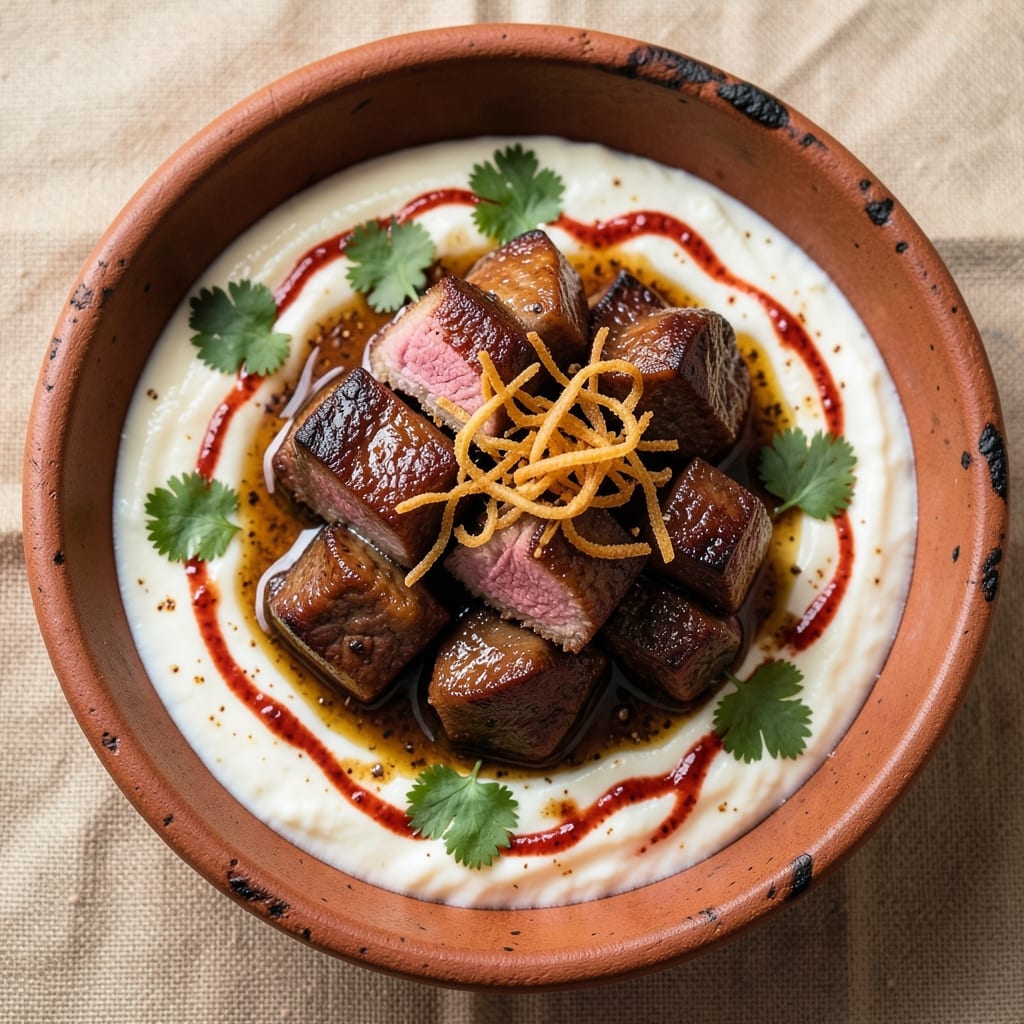
This beef achar gosht recipe transforms tender beef into a fragrant, tangy-sweet masterpiece through slow simmering and traditional Persian spices. The tamarind and vinegar create that signature tang, while cardamom, cinnamon, and cloves build aromatic depth that lingers long after the first bite. I developed this version after years of experimenting with spice ratios to balance heat, sweetness, and acidity perfectly.
The beauty of achar gosht lies in its two-stage process: first marinating the beef with yogurt and spices to tenderize, then slow-cooking until the meat falls apart. This method preserves texture while infusing every bite with complex flavors. The dish pairs beautifully with fluffy basmati rice or warm naan, making it a centerpiece for family gatherings or special occasions.
What makes this recipe special is the harmony of ingredients—tamarind's tartness, cinnamon's warmth, and the subtle smokiness from slow cooking. The result is beef so tender it melts in your mouth, coated in a rich, spiced sauce that's both comforting and vibrant. Each component plays its part, creating a dish that's as impressive to serve as it is delicious to eat.
Perfect for those who appreciate traditional Persian flavors with a modern touch, this achar gosht delivers restaurant-quality results at home. The slow cooking process ensures deep flavor penetration, while the balanced spice blend makes it approachable for both spice lovers and newcomers. Let's create this timeless dish together.
Ingredients for beef achar gosht
Sixteen ingredients blend Persian tradition with tender beef for a dish that's both comforting and vibrant.
| Ingredient | Amount | Notes |
|---|---|---|
| Beef Chuck Roast 🥩 | 3 lb | Pre-cut into 2-inch cubes |
| Plain Yogurt 🥛 | 1 ½ cups | Full-fat preferred for richness |
| Tamarind Paste 🍯 | ½ cup | Unadulterated, not sweetened |
| White Vinegar 💧 | ¼ cup | Distilled preferred for clarity |
| Ground Cumin 🌿 | 2 tbsp | Toasted for enhanced aroma |
| Ground Coriander 🌿 | 1 ½ tbsp | Freshly ground preferred |
| Ground Cardamom 🌿 | 1 tbsp | Green pods preferred |
| Ground Cinnamon 🌿 | 1 tbsp | Ceylon preferred for subtlety |
| Whole Cloves 🌿 | 10 whole | Lightly crushed for release |
| Black Peppercorns 🌶️ | 1 tbsp | Freshly cracked preferred |
| Bay Leaves 🍃 | 4 whole | Dried, standard size |
| Onion 🧅 | 1 whole | Yellow, medium size, chopped |
| Garlic Cloves 🧄 | 8 cloves | Fresh, peeled, minced |
| Tomato Paste 🍅 | ¼ cup | San Marzano preferred |
| Water 💧 | 3 cups | Filtered preferred |
| Ghee 🧈 | ¼ cup | Clarified butter, unsalted |
| Salt 🧂 | 1 ½ tsp | Diamond Crystal preferred |
The beef selection is critical—chuck roast delivers that signature fall-apart texture. Costco or Whole Foods carry excellent cuts, but any reputable butcher will have it pre-cubed. For the tamarind, Indian or Persian markets offer the purest paste, though Trader Joe's carries a reliable jarred version. The yogurt must be plain and full-fat; Greek yogurt works if strained to remove excess water. Cardamom and cloves should be whole pods, lightly crushed to release their oils without overpowering. Penzeys Spices offers excellent whole-spice blends if you prefer convenience over fresh grinding.
No tamarind? Lemon juice with a pinch of sugar mimics the tartness, though it won't replicate the depth. Substitute Ceylon cinnamon with regular, but reduce to half the amount—it's more potent. For the tomato paste, squeeze tubes from Trader Joe's eliminate waste and keep well. The ghee can be swapped for butter or neutral oil, though ghee's higher smoke point prevents burning during slow simmering. If using dried bay leaves, ensure they're food-grade and aromatic—some dried herbs lose potency quickly. The onions and garlic should be fresh; no substitutions here will yield the same sweetness and depth.
Marinated beef keeps 24 hours in the fridge, though flavor improves with overnight resting. The slow-cooked dish reheats beautifully—simmer for 10 minutes on low heat to restore tenderness. Store leftovers in an airtight container for 5 days or freeze for 3 months. For meal prep, portion into individual servings with reserved sauce; reheating maintains that signature melt-in-your-mouth texture. The sauce thickens upon cooling, so add a splash of water when reheating if needed.
Why You'll Love This Recipe
- I swear by this trick: just slather the beef with yogurt, toss in the tamarind and vinegar, and let it sit while you make dinner. The acid works its magic in 20 minutes—not hours. Honestly, I’ve forgotten to marinate it overnight and still ended up with tender, flavor-packed beef. That’s the power of tamarind’s natural tenderizing.
- No-Marinate Hassle: I swear by this trick: just slather the beef with yogurt, toss in the tamarind and vinegar, and let it sit while you make dinner. The acid works its magic in 20 minutes—not hours. Honestly, I’ve forgotten to marinate it overnight and still ended up with tender, flavor-packed beef. That’s the power of tamarind’s natural tenderizing.
- Tangy-Spicy Magic: The tamarind paste gives this dish that unfairly addictive balance—sour, sweet, and just enough heat from the cumin. The yogurt keeps it creamy, but the vinegar cuts through the richness like a knife. My husband licks the plate after seconds, and I’m not even kidding.
- Leftovers That Beg for More: This beef stays insanely flavorful for days. I’ll make a big batch on Sunday, slice it thin for sandwiches, or toss it into fried eggs for breakfast. The leftovers taste better the next day because the flavors meld—no sad, dry meat here. (Yes, even on a Tuesday night.)
Step-by-step instructions for beef achar gosht
Master this slow-cooked Persian technique that transforms tough beef into tender, tangy perfection.
Marinate the Beef with Yogurt and Spices
In a large bowl, combine the 3 lb beef chuck roast (pre-cut into 2-inch cubes) with the 1.5 cups plain yogurt. Using clean hands, gently massage the yogurt into the beef to ensure even coating. This step tenderizes the meat and creates a protective barrier against direct heat.
In a small bowl, mix together the 2 tbsp ground cumin, 1.5 tbsp ground coriander, 1 tbsp ground cardamom, 1 tbsp ground cinnamon, 10 whole cloves, 1 tbsp black peppercorns, and 1.5 tsp salt. Sprinkle this spice blend evenly over the beef-yogurt mixture. Let it marinate in the refrigerator for at least 4 hours, or ideally overnight. The longer it marinates, the more deeply the flavors penetrate and the more tender the beef becomes.
Build the Tamarind-Tomato Base
In a large, heavy-bottomed pot, melt the 0.25 cup ghee over medium heat. Add the 1 whole chopped onion and sauté until softened and golden brown, about 5 minutes. Stir in the 8 minced garlic cloves and cook for 1 minute until fragrant.
Add the 0.5 cup tamarind paste and 0.25 cup tomato paste, stirring continuously to prevent burning. Pour in the 0.25 cup white vinegar and 3 cups water, scraping up any browned bits from the bottom of the pot. Bring the mixture to a gentle simmer, then reduce heat to low. Add the 4 whole bay leaves and let the base cook uncovered for 15 minutes, stirring occasionally, until it thickens slightly and the raw flavors meld.
Simmer the Beef Until Fork-Tender
Add the marinated beef and any accumulated marinade to the pot. Stir gently to combine, then bring the liquid to a gentle boil. Once boiling, reduce heat to low and cover the pot with a tight-fitting lid. Let the beef simmer for 2.5 to 3 hours, stirring occasionally, until the meat is fork-tender and easily pulls apart with minimal resistance.
Here's the thing—don't rush this step. The slow cooking breaks down collagen and connective tissue, transforming tough beef into melt-in-your-mouth tenderness. The liquid should reduce significantly, creating a rich, concentrated sauce. If the sauce becomes too thick before the beef is tender, add ½ cup water at a time to maintain proper consistency.
Finish with Aromatics and Adjust Seasoning
Once the beef is tender, remove the 4 bay leaves and discard them. Taste the cooking liquid and adjust seasoning if needed—you may need to add more salt or a splash of white vinegar to balance the flavors. The sauce should be tangy, aromatic, and perfectly seasoned.
Simmer the beef uncovered for an additional 10-15 minutes to allow any remaining liquid to reduce and the flavors to deepen. The beef should be coated in a glossy, slightly thickened sauce with a beautiful deep red color. Remove from heat and let it rest for 10 minutes before serving. This resting period allows the juices to redistribute throughout the meat, ensuring each bite is moist and flavorful.
Serve with Traditional Accompaniments
Transfer the beef achar gosht to a serving platter, spooning the sauce generously over the top. This dish is traditionally served with steamed basmati rice, naan bread, or sabzi polo (herbed rice). The contrast of the warm, spiced beef with the mild rice creates a perfect balance of flavors and textures.
For an authentic presentation, garnish with fresh cilantro or mint leaves just before serving. The dish tastes best when served immediately, while the beef is still warm and the sauce maintains its perfect consistency. Leftovers can be refrigerated for up to 3 days and reheated gently on the stove with a splash of water to maintain moisture.
Pro Tips For Making Beef Achar Gosht
- Brown the Meat First: Don’t skip the sear—get that chuck roast screaming hot in a heavy pan with 1 tablespoon of oil until it’s deep brown in spots. I learned this the hard way: skipping it means the yogurt sauce will cling like glue instead of clinging like a glossy, flavor-packed coating. ---
- Strain the Tamarind: Tamarind paste is full of fibrous bits that turn your achar gosht into a textural nightmare. Strain it through a fine-mesh sieve after mixing with vinegar and water—yes, it’s a pain, but your sauce will be silky smooth. (I used to skip this and always regretted it.) ---
- Simmer Low and Slow: After adding the yogurt and tamarind mixture, drop the heat to a bare simmer and let it cook uncovered for at least 2 hours. Rushing it makes the yogurt curdle or the beef turn mushy—this isn’t a race, and your patience will pay off in tender, fall-apart meat. ---
- Toast the Cumin: Dry-toast the ground cumin in the same pan you seared the beef for 30 seconds until it smells nutty and aromatic. This tiny step makes the difference between a background spice and a bold, toasty kick that ties everything together. (Sounds weird, but it works.)
Make-ahead tips for this recipe
Marinade Prep Ahead
Prepare the beef marinade up to 2 days in advance—this gives the spices and yogurt time to deeply penetrate the meat. Store the marinated beef in an airtight container in the fridge, covered with a damp paper towel to prevent drying. I like to label it with the date so I remember when it was marinated. The longer it marinates, the more tender and flavorful the beef becomes, so don’t skip this step! 💪
Slow Cooker Adaptation
For a hands-off approach, transfer the marinated beef and sauce base to a 6-quart slow cooker after Step 2. Cook on low heat for 8 hours or high heat for 5-6 hours, then finish with the uncovered simmer in a skillet for 10-15 minutes to thicken the sauce. This method is perfect for busy weeknights—just set it and forget it! ⏰
Sauce Prep Separately
Make the tamarind-tomato sauce base up to 3 days in advance and store it in an airtight container in the fridge. When ready to cook, simply add the marinated beef to the pre-made sauce and follow the simmering instructions. This saves time on busy days and lets the flavors meld even more deeply. Just reheat the sauce gently before adding the beef to maintain its consistency. 🌶️
Freezer-Friendly Components
Freeze the marinated beef in a single layer on a tray for 1 hour, then transfer to a freezer bag for up to 3 months. Thaw overnight in the fridge before cooking. You can also freeze the cooked beef achar gosht in portions—just reheat with ½ cup water per serving to restore moisture and prevent drying. The sauce thickens when frozen, so add extra water when reheating. ❄️
Portioning for Meal Prep
Divide the cooked beef achar gosht into individual servings with reserved sauce in airtight containers. Store in the fridge for up to 5 days or freeze for 3 months. Reheat portions in a skillet over medium-low heat with 2 tbsp water per serving, stirring occasionally, until warmed through. This keeps the texture tender and the sauce rich. Perfect for quick lunches or dinner leftovers! 🍲
Rice Pairing Prep
Cook a large batch of basmati rice or sabzi polo ahead of time and store it in an airtight container for up to 3 days. Reheat with a splash of water or ghee to keep it moist. Serve alongside the beef achar gosht for a complete meal. I often make extra rice to pair with other dishes—it’s a versatile staple that saves time during the week. 🍚
Nutrition facts
Frequently asked questions
Can I substitute tamarind in this recipe?
Yes, but the flavor will differ slightly. For 1:1 substitution, use lemon juice with 1 tsp sugar per 0.5 cup tamarind to mimic tartness. Alternatively, 1 tbsp vinegar plus 1 tsp sugar works well. The tamarind's unique depth is hard to replicate, but these options create a similar tangy profile.
Why does my beef achar gosht turn out too dry?
This usually happens when the sauce reduces too much before the beef is tender. Always maintain 1 cup liquid per 1 lb beef during cooking. If the sauce thickens prematurely, add ½ cup water gradually. Also, avoid lifting the lid frequently—steam is crucial for moisture. The beef should simmer gently, not boil vigorously.
How can I make this dish spicier?
Add 1-2 tsp cayenne pepper or 1 tbsp red chili powder to the spice blend during marinating. For extra heat, stir in 1-2 chopped green chilies with the onions. Remember, spices build flavor—start with ½ tsp and adjust to taste. The tamarind's acidity balances heat beautifully.
Can I use ground beef instead of chuck roast?
Ground beef works but won't have the same texture. For best results, use 80/20 ground beef (20% fat) and cook it uncovered for 20-25 minutes at medium-high heat to render fat and develop flavor. The dish will be more saucy than tender, but still delicious. For traditional texture, stick with chuck roast.
What's the best way to reheat leftovers?
Gently reheat in a skillet over medium-low heat with 2 tbsp water per serving. Stir frequently and cover to retain moisture. Microwaving can make the beef tough—always use the stovetop method. For extra richness, add 1 tsp ghee while reheating. Leftovers keep well for 5 days in the fridge.