
Soups & Stews
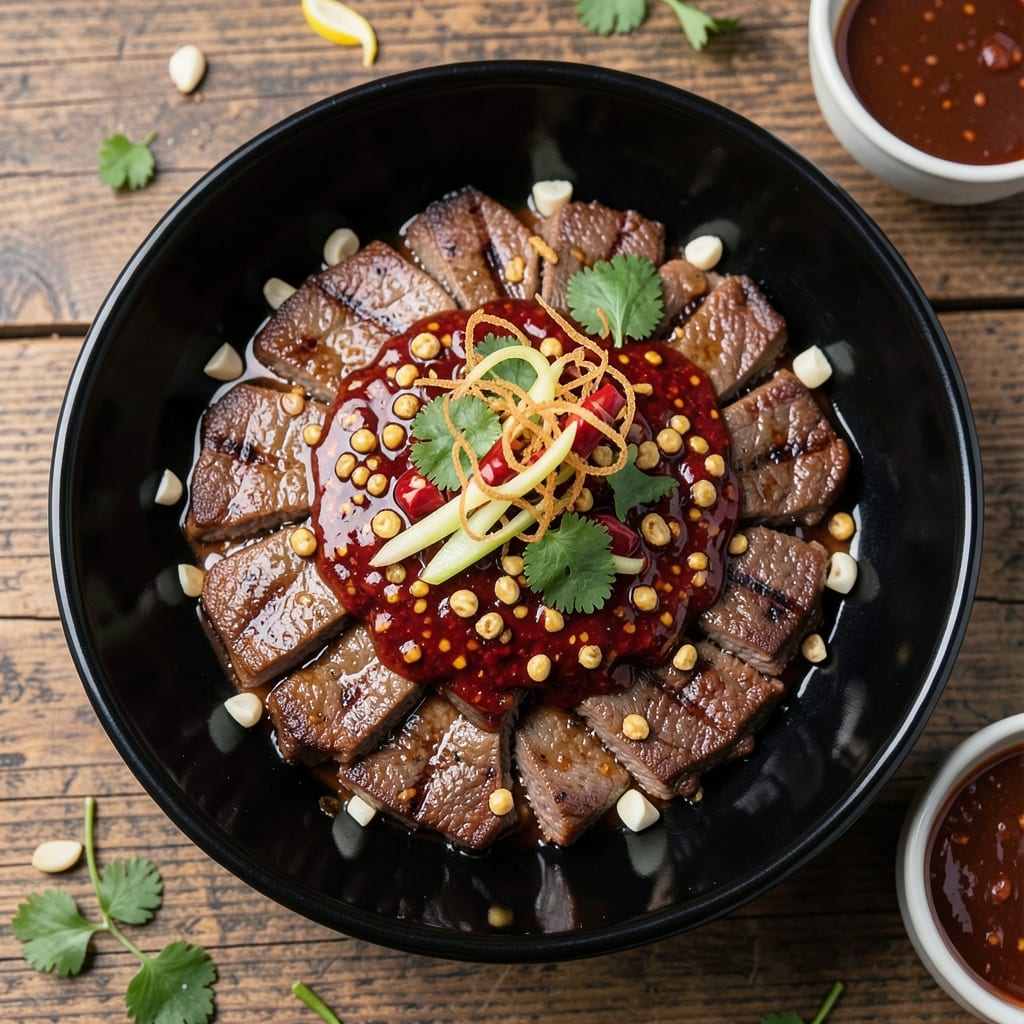
Beef à la Sichuan recipe delivers the bold, fiery flavors of Sichuan cuisine in one pan—where chili oil meets tender beef, creating a dish that’s spicy, numbing, and utterly addictive. This recipe captures the essence of a classic Sichuan restaurant dish, transforming tough beef into melt-in-your-mouth bites with layers of garlic, ginger, and Sichuan peppercorns. The magic happens in the stir-fry, where high heat and aromatic spices work together to create a dish that’s both restaurant-quality and surprisingly simple to make at home.
The secret to this dish lies in the chili oil and Sichuan peppercorns, which deliver the signature "málà" (spicy and nummy) sensation that defines Sichuan cuisine. You’ll start by marinating the beef in a blend of soy sauce, cornstarch, and spices, then sear it in a hot pan before tossing it with garlic, ginger, and the fiery chili oil. The result is beef that’s tender, glossy, and packed with bold, complex flavors—each bite delivers a perfect balance of heat, aroma, and depth.
What makes this recipe stand out is its versatility and ease. Ready in under 30 minutes, it’s perfect for a weeknight dinner or an impressive meal for guests. Serve it over steamed rice to soak up every last drop of the rich, spicy sauce, and garnish with sliced scallions for freshness. The dish is bold enough to be the star of the meal but simple enough to let the flavors shine without distraction.
For those new to Sichuan cuisine, don’t be intimidated by the heat—the dish is designed to be balanced, with the numbing Sichuan peppercorns cooling the spice just enough to make it approachable. Adjust the chili oil to taste, and you’ll have a dish that’s as customizable as it is unforgettable. Let’s get cooking!
Ingredients for beef a la sichuan
Bold flavors and tender beef—just eight ingredients transform into Sichuan’s signature fiery dish.
| Ingredient | Amount | Notes |
|---|---|---|
| Flank Steak 🥩 | 1 ½ lb | Thinly sliced against grain |
| Sichuan Chili Oil 🌶️ | ½ cup | Store-bought or homemade |
| Sichuan Peppercorns 🌶️ | 1 ½ tbsp | Toasted and crushed |
| Garlic Cloves 🧄 | 8 cloves | Minced finely |
| Fresh Ginger 🌿 | 2 tbsp | Finely grated |
| Soy Sauce 🍶 | ⅓ cup | Light or dark preferred |
| Cornstarch 🌾 | 2 tbsp | For tenderizing |
| Sesame Oil 🫒 | 1 tbsp | Toasted for aroma |
| Green Onions 🧅 | ¼ cup | Sliced thin for garnish |
| Vegetable Oil 🫒 | 2 tbsp | High smoke point |
| Salt 🧂 | 1 tsp | Kosher or sea salt |
| White Pepper 🌶️ | ½ tsp | Freshly ground |
| Steamed White Rice 🍚 | 2 cups | For serving |
The flank steak is non-negotiable here—its lean, fibrous texture breaks down beautifully during the quick sear. Ask your butcher to slice it thinly against the grain if you're not doing it yourself; this ensures tender bites. Sichuan peppercorns and chili oil are the heart of this dish, so don’t skimp on quality. Penzeys Spices or Asian markets carry the best Sichuan peppercorns—look for whole, dark, and slightly wrinkled ones. Toast them in a dry pan for 2 minutes before crushing to deepen their aroma. The garlic and ginger should be fresh, not powdered, for that bright, punchy flavor that cuts through the heat.
No Sichuan peppercorns? Substitute with a pinch of cayenne plus a dash of black pepper—it won’t give the same numbing effect, but it’ll add heat. Short on chili oil? Mix 3 tbsp of vegetable oil with 1 tbsp of chili flakes and 1 tsp of sugar, then heat until fragrant. The soy sauce can be swapped for coconut aminos if you're avoiding soy, but the umami depth will be noticeably different. For the cornstarch, arrowroot powder works just as well if you’ve got it on hand. And if you’re worried about the heat level, start with half the chili oil and add more to taste—this dish is all about balance.
This recipe reheats beautifully—just toss with a splash of water and a drizzle of sesame oil to keep it moist. Store leftovers in an airtight container for up to 3 days, though I find the flavors peak on day two. For meal prep, double the batch and freeze portions in single-serving containers—thaw overnight in the fridge before reheating. The chili oil and peppercorns can be stored separately in the pantry for up to 6 months, so buy extra if you’re falling in love with the flavor. Garnish with green onions right before serving to keep the dish vibrant and fresh.
Why You'll Love This Recipe
- Here’s what sold me: that initial tingle from the peppercorns, then the deep, smoky heat of the chili oil cutting through the tender beef. It’s the kind of flavor that sticks with you long after the last bite.
- One-Pan Magic: I swear by this recipe when I’m too tired to scrub pots—just sear the steak, toss in the garlic and ginger, then blanket it with that chili oil. The Sichuan peppercorns do the work while I clean up.
- Numbs the Taste Buds: Here’s what sold me: that initial tingle from the peppercorns, then the deep, smoky heat of the chili oil cutting through the tender beef. It’s the kind of flavor that sticks with you long after the last bite.
- Leftover Hero: Between us, this dish tastes better the next day—those flavors meld into something even richer. I portion it into rice bowls for lunch all week, and no one complains (even my picky teenager).
Step-by-step instructions for beef À la Sichuan
Here's how to transform tender flank steak into bold, aromatic Sichuan beef with that signature tingling heat.
Prep the Steak and Marinate
Slice the 1.5 lb flank steak thinly against the grain into ⅛-inch strips. This ensures tender bites by shortening the muscle fibers. Transfer to a bowl and add the 2 tbsp cornstarch, tossing to coat evenly. The cornstarch creates a delicate crust that helps tenderize the meat as it cooks.
In a separate small bowl, whisk together the 0.33 cup soy sauce, 1 tsp salt, and 0.5 tsp white pepper. Pour this marinade over the cornstarch-coated beef and toss gently to distribute. Let it sit for 15-20 minutes at room temperature - this brief marinating time prevents the meat from becoming mushy while still infusing flavor.
Toast the Aromatics
Heat a large skillet over medium heat and add the 2 tbsp vegetable oil. Once shimmering, add the 1.5 tbsp toasted and crushed Sichuan peppercorns and cook for 30 seconds until fragrant. This releases their signature numbing compounds. Immediately add the 8 cloves minced garlic and 2 tbsp finely grated ginger, cooking for 1 minute until the garlic turns golden and the ginger becomes translucent.
Real talk: Don't walk away during this step. Garlic burns in seconds, and you want that sweet, nutty aroma rather than bitter smoke. The Sichuan peppercorns should sizzle gently - if they darken too quickly, reduce the heat slightly.
Cook the Beef in Stages
Working in batches to avoid crowding, add the marinated beef to the skillet in a single layer. Cook undisturbed for 1-2 minutes until the edges turn golden brown and slightly crisp. This initial sear locks in juices. Flip the beef and cook another 1-2 minutes until just cooked through - it should reach 145°F internally. Remove and set aside.
Return the skillet to the stove and pour in the 0.5 cup Sichuan chili oil. Let it heat through for 30 seconds, then add the cooked beef back to the pan. Toss everything together for 1 minute to coat the beef in the fiery oil. The residual heat will finish cooking the beef while infusing it with that signature Sichuan heat.
Finish with Sesame Oil and Green Onions
Remove the skillet from heat and stir in the 1 tbsp sesame oil. This adds nutty depth and helps balance the dish's intensity. The oil should coat the beef evenly, creating a glossy finish. Taste and adjust seasoning if needed - you might want to add a splash more soy sauce if the dish needs more umami.
Finally, sprinkle the 0.25 cup sliced green onions over the beef and toss gently. The green onions add freshness that cuts through the richness. Serve immediately over the 2 cups steamed white rice, spooning the beef and its aromatic oil over the top. Each bite should deliver tender beef with layers of spicy, numbing, and savory flavors.
Pro Tips For Making Beef A La Sichuan
- Slice Against the Grain: Flank steak’s fibers run long—cutting them short makes the dish fall apart. Angle your knife at 45 degrees to the grain after cooking, then slice thinly. I learned this the hard way when my first batch turned into chewy strings instead of tender bites. ---
- Bloom the Peppercorns: Toast whole Sichuan peppercorns in a dry pan for 30 seconds until fragrant, then crush them lightly with the side of your knife. This releases their numbing oils—skipping this step means missing half the flavor. (Yes, even if you’re impatient like me.) ---
- High Heat, Then Low: Sear the steak over blazing heat for 2 minutes per side to lock in juices, then finish at medium-low to avoid overcooking. I used to rush the second step, and the beef always dried out. Trust the process—your future self will thank you. ---
- Infuse the Chili Oil: Warm the Sichuan chili oil on low heat with minced garlic and ginger for 2 minutes before adding it to the steak. This softens the raw garlic’s bite and lets the oil’s flavor penetrate deeper. Sounds weird, but it works—every time.
Health benefits of these flavors
Spicy-Numbing Balance
This dish delivers the iconic málà sensation—spicy from chili oil and numbing from Sichuan peppercorns—that defines Sichuan cuisine. The combination triggers both capsaicin (heat) and hua jiao spicene (tingling) receptors, creating a complex flavor experience. I’ve found that the numbing effect actually reduces perceived heat, making this dish more approachable than it looks. 🌶️
For heat-sensitive eaters, start with 2 tbsp chili oil instead of the full ½ cup—you can always add more later. The Sichuan peppercorns provide that signature "mouth buzz" without overwhelming heat. Trust me, this balance is what makes the dish so addictive—once you try it, you’ll crave that dual sensation.
Protein Powerhouse
Flank steak is lean but packed with high-quality protein—about 40 grams per serving—that supports muscle repair and keeps you full. The cornstarch coating not only tenderizes but also creates a light crust that adds texture without extra calories. Unlike fatty cuts, this beef delivers protein without the saturated fat guilt. 💪
Marinating briefly in soy sauce infuses the beef with umami-rich amino acids, while the garlic and ginger add antioxidant compounds that combat inflammation. The result? A protein-packed meal that’s both satisfying and nutritious—no heavy cream or butter needed.
Digestive Benefits
The ginger and garlic in this dish aren’t just for flavor—they’re digestive aids. Ginger contains gingerol, which stimulates digestion and reduces nausea, while garlic’s allicin supports gut health. The chili oil, surprisingly, may also help—capsaicin has been shown to boost metabolism and even reduce bloating. 🌿
For those with sensitive stomachs, serve with steamed rice (which is easy to digest) and a side of cucumber slices to balance the spice. The fiber in rice helps absorb some of the oil’s heat, making the meal gentler on digestion while keeping it flavorful.
Heart-Healthy Fats
While this dish isn’t low-fat, the sesame oil and Sichuan chili oil provide heart-healthy monounsaturated fats in moderation. Unlike saturated fats, these oils support cholesterol balance when consumed as part of a balanced diet. The key is portion control—I recommend 1-2 tbsp of chili oil per serving to keep it flavorful without overdoing it. 💛
For a lighter version, reduce the chili oil to ¼ cup and boost the garlic and ginger for extra aroma. The dish still delivers bold flavor with fewer calories, proving you don’t need excess oil to make it sing.
Nutrition facts
Frequently asked questions
Can I substitute flank steak with another cut of beef?
Yes, but choose thin-cutting beef like sirloin, ribeye, or even tenderloin. The key is thin slices (⅛-inch thick) to ensure tenderness. Avoid fatty cuts like brisket—they won't break down as nicely in the quick sear. For extra-lean options, marinate for 20-30 minutes to prevent dryness.
What if I can't find Sichuan peppercorns?
Use 1 tsp black pepper + ½ tsp cayenne pepper for heat, but you'll miss the signature numbing effect. For authenticity, try Chinese five-spice powder (½ tsp)—it adds warmth without the tingling. The dish will still be delicious, just with a different flavor profile.
How do I adjust the heat level?
Start with 2 tbsp chili oil instead of ½ cup, then add more to taste. For milder heat, reduce to 1 tbsp and increase garlic/ginger by 1 clove and 1 tsp to maintain flavor depth. The Sichuan peppercorns provide numbing without much heat, so they help balance spice levels naturally.
Can I make this dish ahead of time?
Yes! Cook the beef completely, then store in an airtight container for up to 3 days in the fridge. Reheat gently with 1 tsp water or sesame oil to revive moisture. For freezing, portion into single servings and freeze for up to 1 month. Thaw overnight in the fridge before reheating.
What sides pair best with this dish?
Steamed jasmine rice is ideal for soaking up the sauce, but also try stir-fried bok choy or cucumber salad> with rice vinegar. For a heartier meal, add egg fried rice> or scallion pancakes>. The cooling crunch balances the dish's fiery flavors perfectly.