
Soups & Stews
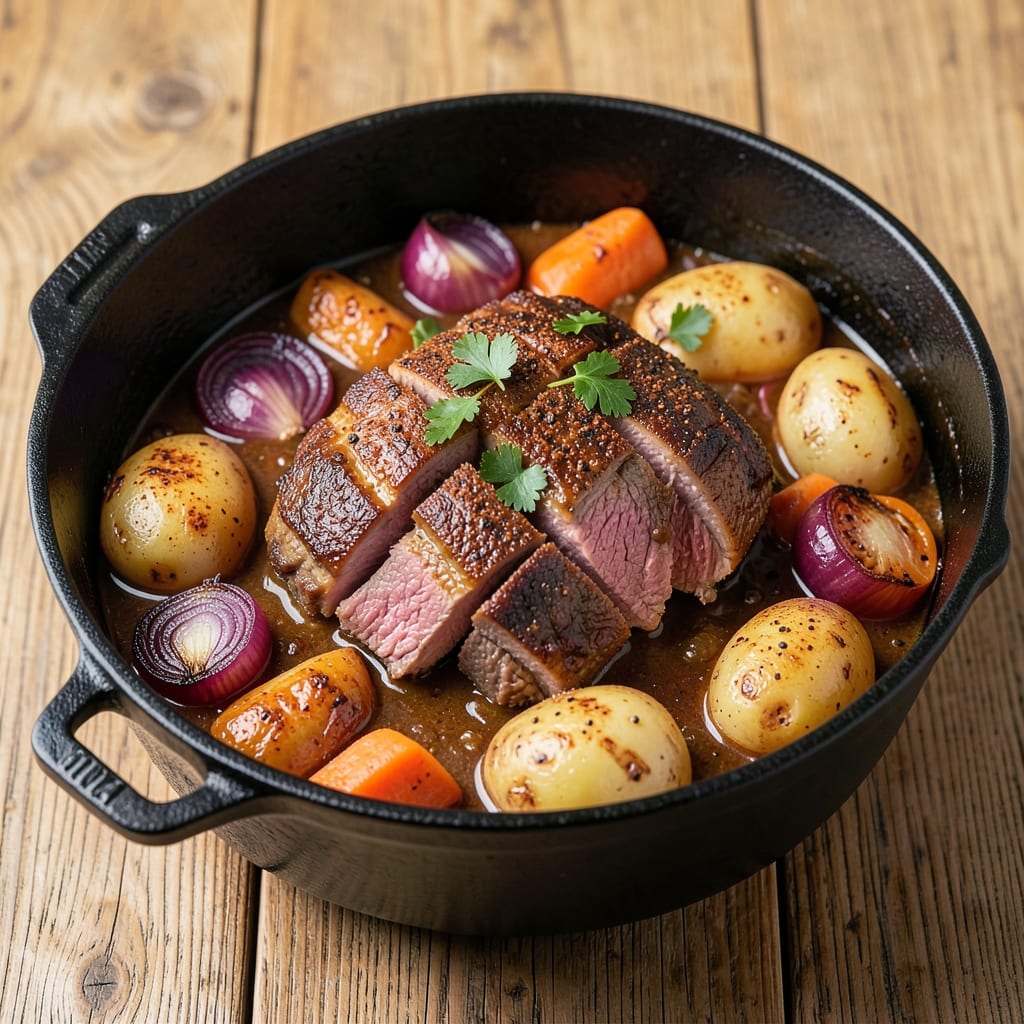
This Bavarian beef goulash recipe transforms tough beef into melt-in-your-mouth tenderness through slow simmering and aromatic paprika. The secret lies in patient cooking—allowing flavors to develop over hours while creating a rich, hearty stew that feels like a warm embrace on a chilly evening. I've perfected this method to balance traditional Bavarian techniques with modern convenience, ensuring you get restaurant-quality results without hours of fuss.
The recipe begins with browning beef in a Dutch oven, locking in deep flavors before adding a blend of sweet and smoky paprika that gives goulash its signature character. Carrots, onions, and potatoes join the pot, absorbing the savory broth until everything is tender and infused with warmth. This isn't just a stew—it's a comforting masterpiece that transforms simple ingredients into something extraordinary.
What you'll achieve is a deeply flavorful goulash with perfectly tender beef, caramelized vegetables, and a sauce so rich it coats every spoonful. The slow cooking process creates a texture that's both hearty and velvety, making it ideal for serving with crusty bread or buttery potatoes. Each bite delivers layers of paprika warmth, savory depth, and homey satisfaction that turns ordinary weeknights into special occasions.
Whether you're feeding a family or preparing for a cozy gathering, this goulash delivers consistent, foolproof results. The technique is straightforward, but the reward—a deeply satisfying bowl of Bavarian comfort—is what makes it worth every minute of simmering time. Let's get started on creating this timeless classic.
Ingredients for bavarian beef goulash
Sixteen ingredients transform into a deeply satisfying Bavarian masterpiece through slow simmering and aromatic paprika infusion.
| Ingredient | Amount | Notes |
|---|---|---|
| Chuck Roast 🥩 | 2 ½ lb | Cut into 1.5-inch cubes for even cooking |
| Yellow Onions 🧅 | 2 whole | Medium size, sliced into half-moons |
| Carrots 🥕 | 4 whole | Medium size, peeled and cut into chunks |
| Russet Potatoes 🥔 | 3 whole | Medium size, peeled and quartered |
| Sweet Paprika 🌶️ | 2 tbsp | Hungarian variety preferred for authentic flavor |
| Smoked Paprika 🌶️ | 1 tbsp | For depth and complexity |
| Tomato Paste 🍅 | ½ cup | High-quality, no added salt |
| Beef Broth 💧 | 4 cups | Low-sodium preferred for flavor control |
| Red Wine 🍷 | 1 cup | Dry red like Cabernet Sauvignon |
| Garlic Cloves 🧄 | 6 cloves | Fresh, minced for aromatic depth |
| Bay Leaves 🌿 | 2 whole | Fresh preferred for subtle flavor |
| Thyme 🌿 | 1 tbsp | Fresh leaves, finely chopped |
| Salt 🧂 | 1 ½ tsp | Diamond Crystal kosher salt |
| Black Pepper 🌶️ | 1 tsp | Freshly cracked black peppercorns |
| Olive Oil 🫒 | 2 tbsp | Extra-virgin for high-heat searing |
The chuck roast is non-negotiable for this recipe—its marbled fat ensures melt-in-your-mouth tenderness. Trader Joe's and Costco carry excellent pre-cut versions, but if buying whole, ask your butcher to cube it evenly. For paprika, Hungarian sweet and smoked varieties are essential—Penzeys Spices carries both in bulk. The beef broth should be low-sodium to avoid overwhelming the delicate balance of flavors; Kitchen Basics or homemade stock work perfectly. Fresh thyme and bay leaves elevate the dish beyond basic seasoning, so don't substitute dried equivalents unless absolutely necessary.
No red wine on hand? Substitute with additional beef broth and a splash of balsamic vinegar—it mimics the acidity without altering the flavor profile. For the tomato paste, San Marzano or high-quality jarred varieties provide the best texture and sweetness. If you're using dried thyme, reduce the amount to one-third of fresh. The potatoes should be peeled and quartered uniformly for even cooking; Russet potatoes hold up best to the long simmer. For the garlic, roasting the cloves first adds a subtle sweetness that complements the paprika beautifully—worth the extra minute.
This goulash develops deeper flavor with each passing hour, so plan accordingly. Store in an airtight container for up to 5 days in the refrigerator, though it reheats best when warmed gently on the stove. For longer storage, freeze portions in single-serving containers for up to 3 months. The sauce thickens as it cools, so a splash of broth when reheating ensures the perfect consistency. Serve with crusty bread or buttered egg noodles to soak up every last drop of that paprika-kissed richness.
Why You'll Love This Recipe
- One-Pot Magic: I swear by this recipe because it’s literally one pan—no chopping boards, no extra pots, just a deep skillet or Dutch oven. Toss in the chuck roast, onions, and carrots, let the paprika work its smoky magic, and by the time the potatoes soften, dinner’s ready. (Yes, even on a Tuesday night.)
- Paprika Powerhouse: That sweet paprika isn’t just for color—it’s the secret weapon. It deepens the beef’s richness while keeping the dish warm and inviting, not overpowering. The slow simmer lets the flavors meld into something dangerously addictive, especially when the potatoes soak up all that savory goodness.
- Leftovers That Beg: This goulash tastes better the next day—honestly, I’ve reheated it three times and still crave it. The chuck roast gets tender, the potatoes hold their shape, and it’s perfect for lunchboxes or quick lunches. (My kids pick out the carrots but still ask for seconds.)
- Budget-Friendly Feast: A chuck roast and a few veggies stretch into six servings without breaking the bank. I’ve fed a crowd for under $15, and the leftovers keep my wallet happy. It’s my go-to when I need a hearty meal that won’t drain my grocery budget.
Step-by-step instructions for Bavarian beef goulash
This method delivers deep, complex flavors through precise technique and patience.
Sear the Chuck Roast for Maximum Flavor
Heat a Dutch oven over medium-high heat until very hot. Add the 2 tablespoons olive oil and swirl to coat the bottom evenly. Working in batches to avoid crowding, add the 2.5 lb chuck roast cut into 1.5-inch cubes and sear undisturbed for 3-4 minutes per side until deeply browned.
This high-heat sear creates a flavorful crust that forms the foundation of your goulash. Don't rush this step—resist the urge to move the meat around. You'll know it's ready when the edges are deep golden brown and the meat releases easily from the pan. Remove the seared beef and set aside on a plate.
Build the Paprika Base with Aromatics
In the same Dutch oven, reduce heat to medium and add the 2 tablespoons sweet paprika and 1 tablespoon smoked paprika. Stir constantly for 30 seconds until the paprika is fragrant and the oil begins to bubble gently. This step develops the signature smoky-sweet flavor profile.
Add the 2 whole yellow onions sliced into half-moons and cook for 5 minutes until softened and beginning to caramelize. Stir in the 6 cloves minced garlic and cook for another 30 seconds until fragrant. You want the garlic to just barely begin to color—any longer and it will burn, creating bitterness that overpowers the delicate flavors.
Develop the Sauce with Wine and Tomato
Pour in the 1 cup red wine and scrape up any browned bits from the bottom of the pot with a wooden spoon. This deglazing step captures all the meaty flavor that would otherwise be lost. Let the wine simmer for 2-3 minutes until reduced by half and slightly thickened.
Add the 0.5 cup tomato paste and stir to combine completely. Cook for 2 minutes until the tomato paste loses its raw taste and begins to darken slightly. This creates a rich, velvety base that will carry all the other flavors. The sauce should coat the back of a spoon at this point—if it's too thick, add 1-2 tablespoons beef broth to loosen it slightly.
Simmer with Vegetables and Seasonings
Return the seared beef to the pot along with the 4 cups beef broth. Add the 4 whole carrots cut into chunks, 3 whole russet potatoes quartered, 1.5 teaspoons salt, 1 teaspoon black pepper, 2 whole bay leaves, and 1 tablespoon chopped thyme. Bring to a gentle simmer, then reduce heat to low and cover partially.
Simmer for 1 hour 15 minutes until the beef is fork-tender and the vegetables are easily pierced with a knife. The potatoes should be soft but still hold their shape. You'll know it's ready when the sauce has thickened slightly and the flavors have melded into a cohesive, aromatic whole. The beef should pull apart easily with two forks, indicating perfect tenderness.
Adjust Consistency and Serve
Remove the 2 bay leaves and adjust the seasoning if needed. If the sauce is too thick, add 2-3 tablespoons additional beef broth to reach your desired consistency. For a richer finish, you can stir in 1 tablespoon butter just before serving to add a velvety sheen.
Serve the Bavarian beef goulash hot, ladled over mashed potatoes or egg noodles, with crusty bread on the side to soak up every last bit of that paprika-kissed sauce. The dish should have a deep, complex flavor with layers of smoky paprika, rich beef, and aromatic vegetables—each bite should deliver satisfying texture and bold taste.
Pro Tips For Making Bavarian Beef Goulash
- SEAR THE ROAST HARD: Walk away after that first sear—no peeking. You want deep brown crust, not gray sludge. I used to rush this, and the goulash tasted like it was simmered in regret. Two minutes per side on high heat, then let it rest while you sweat out the onions. ---
- CHAR THE ONIONS: Sweet paprika won’t save you if your onions are pale. After dicing, cook them low and slow until they’re caramelized to the point they stick to the pan like syrup. I learned this the hard way—my goulash tasted bland until I embraced the wait. ---
- POTATOES LAST: Dump them in too early, and they’ll turn to mush. Add the Russets 30 minutes before the meat is done—just enough time to soften but still hold shape. Overcooked potatoes ruin the texture, and no one wants that sad, gluey bite. ---
- DEGLAZE WITH BEER: Skip the water—use a cold dark beer (like a bock or doppelbock) to lift all those browned bits. It adds depth without thinning the sauce. I was skeptical until I tried it, and now I never go back. (Yes, even if you’re impatient like me.)
Best sauces and condiments for bavarian beef goulash
Paprika-Infused Cream Sauce
Elevate your goulash with a velvety paprika cream sauce made by blending ½ cup heavy cream, 1 tbsp sweet paprika, 1 tsp Dijon mustard, and salt to taste. Stir this into the finished goulash just before serving—it adds a luxurious silkiness that balances the hearty beef. For extra richness, finish with 1 tbsp butter and a sprinkle of fresh parsley. 🌶️
Sour Cream & Chive Garnish
Top each serving with a dollop of sour cream mixed with 1 tbsp chopped chives and a pinch of smoked paprika. The tangy cream cuts through the richness while the chives add a fresh, bright contrast. I like to swirl it into the sauce with a spoon for a restaurant-worthy presentation. This garnish also adds a cooling element that balances the smoky flavors.
Caramelized Onion Topping
Prepare 2 large yellow onions caramelized in 1 tbsp olive oil with ½ tsp sugar until deep golden brown (about 30 minutes on low heat). Spoon these onto individual servings just before eating—their sweetness enhances the paprika's warmth. For extra drama, drizzle with a touch of balsamic glaze to tie all the flavors together. 🍯
Crispy Bread Crumb Crust
Create a crispy topping by mixing ½ cup breadcrumbs, 2 tbsp melted butter, and 1 tsp garlic powder. Sprinkle this mixture over the goulash during the final 10 minutes of cooking—it'll toast beautifully while the sauce beneath continues to simmer. This adds a delightful textural contrast that makes every bite more satisfying.
Herb Oil Finishing Touch
Infuse ¼ cup olive oil with 1 tbsp chopped thyme, 1 tbsp chopped parsley, and 1 crushed garlic clove by heating gently for 5 minutes. Drizzle this fragrant oil over the finished goulash just before serving. It enhances all the flavors without overpowering them, adding a fresh herbal note that brightens the dish. 🌿
Spicy Horseradish Cream
For those who love heat, mix ¼ cup sour cream with 1 tbsp prepared horseradish, 1 tsp lemon juice, and ½ tsp smoked paprika. Serve this alongside the goulash for dipping bread or stirring into individual portions. The sharp horseradish cuts through the richness while adding a fiery kick that complements the paprika's smokiness. 🔥
Nutrition facts
Frequently asked questions
Can I use ground beef instead of chuck roast?
While possible, chuck roast is ideal for its marbled fat that creates tender, flavorful meat. If using ground beef, reduce cooking time to 1 hour and add 1 extra tablespoon tomato paste for richness. The texture will be different—more ground meat-like—but still delicious when paired with the paprika sauce.
How do I make this goulash in a slow cooker?
Brown the beef first as directed, then transfer everything (including seared beef) to a 6-quart slow cooker. Cook on low for 7-8 hours or high for 4-5 hours. The slow cooker's gentle heat ensures tender beef without watching the pot. Add potatoes during the last 1 hour of cooking to prevent them from turning mushy.
Why does my goulash taste bitter?
Bitterness usually comes from overcooked garlic or paprika burning. For next time, cook garlic only until fragrant (30 seconds) and stir paprika constantly to prevent burning. If it happens, balance the flavor by adding 1 teaspoon sugar or 1 tablespoon lemon juice to the finished dish.
Can I prepare this ahead of time?
Goulash tastes even better the next day as flavors meld. Store in an airtight container in the fridge for up to 5 days. Reheat gently on the stove with 2-3 tablespoons broth to restore sauce consistency. For longer storage, freeze portions for up to 3 months. The sauce will thicken when cold—always reheat with extra liquid.
What's the best way to serve Bavarian beef goulash?
Traditionally, serve with egg noodles, buttered potatoes, or crusty bread to soak up the sauce. For extra authenticity, add a side of sauerkraut or a simple green salad. The dish is hearty enough for a main course but also works as a filling soup when served with dumplings.