Sauces & Condiments
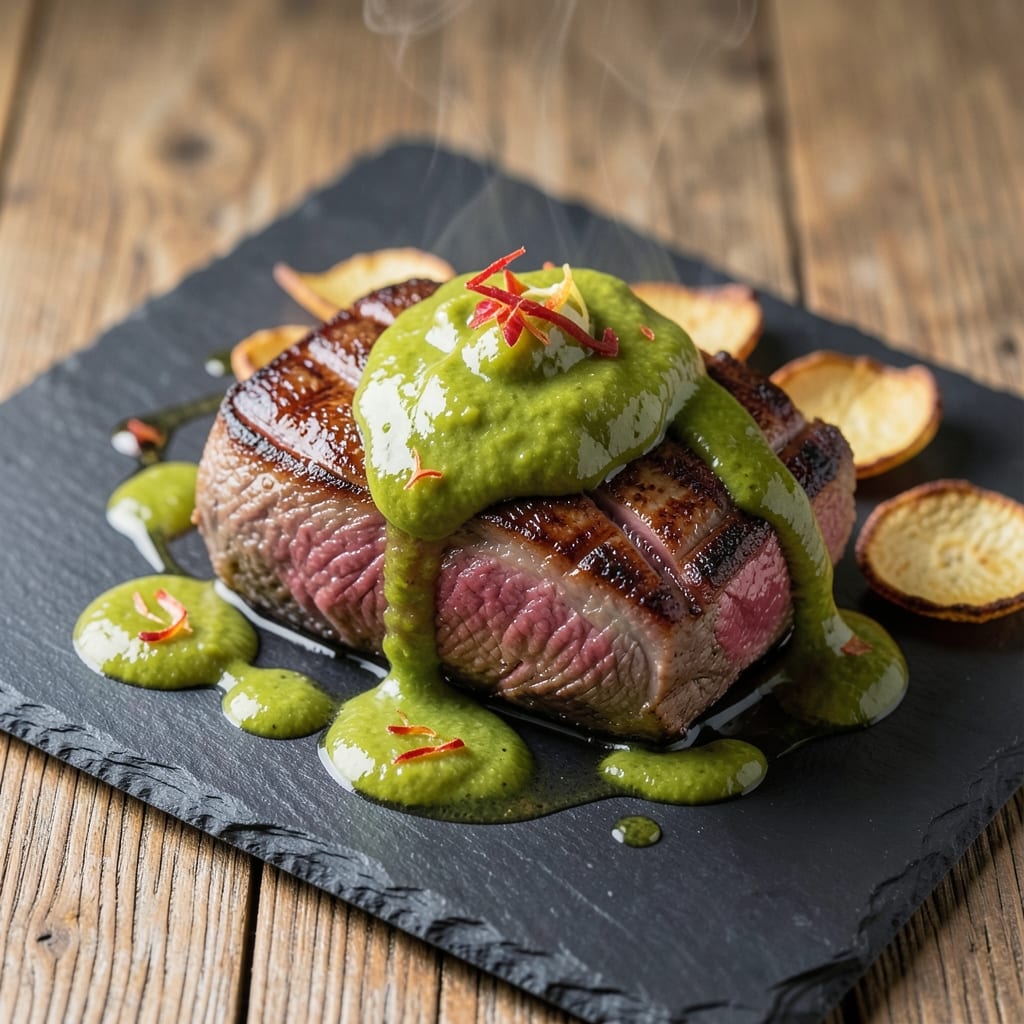
This Barefoot Contessa beef tenderloin with horseradish sauce delivers a showstopping centerpiece with a horseradish-kissed crust and melt-in-your-mouth tenderness. The secret lies in reverse searing—starting low and slow to build an even internal temperature, then finishing with a high-heat sear for that signature caramelized crust. Inga’s signature horseradish sauce adds a bright, tangy kick that cuts through the richness, making every bite unforgettable.
The recipe emphasizes simplicity without sacrificing elegance—just a few quality ingredients and precise timing. You’ll start with a dry brine to lock in moisture, then sear the beef in a screaming-hot pan before finishing in the oven. The horseradish sauce, made with just a handful of pantry staples, comes together in minutes but elevates the dish to restaurant-worthy levels.
What you’ll end up with is a perfectly tender center cut, wrapped in a crispy, horseradish-infused crust that holds up to every slice. The sauce, with its sharp yet balanced heat, ties the dish together, ensuring every bite is bold and satisfying. This is the kind of beef tenderloin that makes Sunday dinner feel like a special occasion.
Pair it with roasted root vegetables or creamy mashed potatoes to complete the meal. The sauce also works as a standalone condiment—great for slathering on grilled fish or drizzling over steak. Let’s get cooking!
Ingredients for barefoot contessa beef tenderloin with horseradish sauce
Quality beef, sharp horseradish, and a few pantry staples transform into restaurant-worthy centerpiece perfection.
| Ingredient | Amount | Notes |
|---|---|---|
| Beef Tenderloin 🥩 | 2 lb | Center-cut, trimmed of fat |
| Kosher Salt 🧂 | 1 tbsp | Diamond Crystal preferred |
| Fresh Horseradish Root 🌿 | ½ cup | Grated, fresh preferred |
| Unsalted Butter 🧈 | ½ cup | Cold, cubed for crust |
| Extra-Virgin Olive Oil 🫒 | 2 tbsp | High smoke point preferred |
| Fresh Lemon Juice 🍋 | 2 tbsp | From 1 small lemon |
| Freshly Ground Black Pepper 🌶️ | 1 tsp | Coarsely cracked |
| Heavy Cream 🥛 | ½ cup | Full-fat for richness |
| Yellow Onion 🧅 | 1 whole | Thinly sliced for sauce |
| Garlic Cloves 🧄 | 3 cloves | Minced for sauce base |
| Honey 🍯 | 1 tbsp | Wildflower preferred |
| Fresh Thyme Leaves 🌿 | 1 tbsp | Chopped, stems removed |
| Vegetable Oil 🫒 | 1 tbsp | For searing pan |
The beef tenderloin is non-negotiable—center-cut with that signature tenderloin marbling. Whole Foods or your butcher will have the best cuts, but most grocery stores carry it too. Look for a roast with a pale pink color and minimal silver skin. If you're buying a whole tenderloin, trim the silver skin yourself for the cleanest presentation. The horseradish should be freshly grated—pre-shredded loses its kick fast. For the butter, grab European-style if you can find it; it has more flavor and higher fat content for that perfect crust.
No fresh horseradish? Prepared horseradish sauce from a jar works in a pinch, but cut the amount by half since it's already mixed. Running low on heavy cream? Full-fat coconut cream gives similar richness, though the flavor will differ slightly. The olive oil can be swapped for avocado oil if you prefer a milder taste. For the sauce, if you don't have fresh thyme, dried thyme at one-third the amount will do. The honey adds balance—agave nectar is a vegan alternative if needed. And trust me on the cold butter cubes—they create the most incredible crust when they render against that hot sear.
The beef stays fresh for 3-4 days in the fridge if wrapped tightly in plastic and stored in the coldest part of your fridge. The horseradish sauce keeps for 1 week in the fridge, but it's best used within 3 days for maximum punch. Portion the sauce into small jars if you're making extra—it's perfect for slathering on steaks or grilled fish later. The butter can be stored in the fridge for up to 3 months, though I always use it up faster than that. For the dry brine, mix the salt and pepper right on the beef and let it sit uncovered in the fridge for at least 24 hours—this is where the magic happens for that juicy core.
Why You'll Love This Recipe
- Two-Ingredient Magic: I swear by this trick—just salt and oil, then a quick sear. The tenderloin practically melts in your mouth, and honestly? That’s the whole point. No fussing with marinades or dry rubs when you’ve got a steak this tender.
- Horseradish Kick: Between us, fresh horseradish changes everything. The sauce isn’t just tangy—it’s got that sharp, bright punch that cuts through the richness. A little goes a long way, and trust me, you’ll want seconds.
- Weeknight to Weekend: This recipe works for both. Toss it on the grill for summer BBQs or roast it in the oven when you’re craving something special. Same method, different vibes—no extra effort, just pure satisfaction.
- Leftovers That Don’t Suck: Cold slices the next day? Still incredible. The horseradish sauce keeps it lively, and the butter-basted steak stays juicy. Pack it for lunches or serve it up—either way, it’s a win. (Yes, even on a Tuesday night.)
Step-by-step instructions for Barefoot Contessa beef tenderloin
Here's how to cook a beef tenderloin with a golden crust and juicy interior, paired with that signature horseradish sauce.
Prep and Season the Beef Tenderloin
Start by patting the 2 lb beef tenderloin completely dry with paper towels—this ensures maximum crust formation. Place it on a cutting board and make a few shallow slashes about ¼ inch deep in a crosshatch pattern, being careful not to cut all the way through. This helps the seasoning penetrate and the crust form evenly.
In a small bowl, combine the 1 tablespoon kosher salt and 1 teaspoon freshly ground black pepper. Rub this mixture generously over the entire surface of the beef, pressing it into the slashes. Let the seasoned tenderloin sit at room temperature for 30 minutes before cooking—this allows the meat to come to room temperature and ensures even cooking.
Sear the Tenderloin for Crust and Flavor
Preheat your oven to 450°F. Heat 1 tablespoon vegetable oil in a large oven-safe skillet over medium-high heat until shimmering. Place the seasoned tenderloin in the skillet and sear for 4-5 minutes per side, turning carefully with tongs, until it develops a deep golden-brown crust. You want the surface to be rich and caramelized—this is where all the flavor happens.
Once the crust is formed, transfer the skillet to the preheated oven. Roast the tenderloin for 15-20 minutes, or until the internal temperature reaches 125°F on a meat thermometer. This initial high-heat step ensures a perfect crust while keeping the inside tender. Don't walk away—this is the moment that matters.
Finish Cooking to Perfect Medium-Rare
Reduce the oven temperature to 325°F and continue roasting the tenderloin for an additional 20-25 minutes, or until the internal temperature reaches 130-135°F. This gentle cooking ensures the beef stays juicy and tender without overcooking. The total cook time should be about 40-45 minutes from start to finish.
Remove the tenderloin from the oven and let it rest on a cutting board for 15-20 minutes before slicing. This resting period allows the juices to redistribute throughout the meat, guaranteeing each slice is moist and flavorful. Real talk: Skipping this step means dry, disappointing beef.
Make the Horseradish Cream Sauce
While the beef rests, prepare the sauce by grating the ½ cup fresh horseradish root using a box grater or food processor. In a small saucepan, combine the grated horseradish, ½ cup heavy cream, 2 tablespoons extra-virgin olive oil, 2 tablespoons fresh lemon juice, 1 tablespoon honey, and 1 tablespoon chopped fresh thyme leaves. Bring the mixture to a gentle simmer over medium-low heat and cook for 5-7 minutes, stirring occasionally, until the sauce thickens slightly.
Remove the sauce from heat and stir in ½ cup unsalted butter, cut into small cubes, until fully melted and incorporated. Taste and adjust the seasoning with additional salt or pepper if needed. The sauce should be smooth, tangy, and slightly spicy—this is the perfect balance of creamy and bold.
Slice and Serve with Sauce
Using a sharp carving knife, slice the rested tenderloin into ½-inch thick medallions, cutting against the grain for maximum tenderness. Arrange the slices on a warm platter and drizzle generously with the horseradish cream sauce. The contrast of the spicy horseradish with the rich, buttery beef is what makes this dish unforgettable.
Serve immediately with roasted vegetables or a fresh salad to complement the bold flavors. Each bite should deliver a perfect harmony of juicy, tender beef with a hint of sharp horseradish—just like Ina Garten would make it. Enjoy your masterpiece!
Pro Tips For Making Barefoot Contessa Beef Tenderloin With Horseradish Sauce
- USE A MEAT THERMOMETER: I learned this the hard way—beef tenderloin looks done way before it is. For medium-rare (the ideal for this cut), pull it at 120°F internal temp—then let it rest. That 5°F carryover will take it to perfect pinkness without drying it out.
- PEEL HORSERADISH LIKE A PRO: Skip the grating—peeling fresh horseradish root properly saves you from bitter, stringy sauce. Use a paring knife to slice off the skin in one long spiral, then chop finely. (Yes, it’s more work, but the texture makes a real difference.)
- SALT THE BEEF TWICE: Generously season the tenderloin 24 hours ahead with kosher salt (about 1 tsp per pound), then pat it dry right before searing. The first salting tenderizes; the second ensures a perfect crust. (Your future self will thank you.)
- BASTE WITH BUTTER—BUT NOT TOO SOON: After searing, wait until the pan is hot again before adding the butter. Tilt the pan to coat the meat in melted butter and horseradish—just 2-3 times—so it bastes without steaming. Too early, and you’ll turn your crust to mush.
Storing and reheating this barefoot contessa beef tenderloin with horseradish sauce
Refrigerator Storage
Your cooked beef tenderloin will stay fresh in the refrigerator for up to 4 days when stored properly. After slicing, transfer the medallions to an airtight container lined with parchment paper to prevent sticking. The horseradish sauce keeps well too—store it in a sealed jar in the fridge for up to 1 week, though I recommend using it within 3 days for maximum freshness and kick. 🥩
Freezer Prep Tips
For longer storage, slice the tenderloin and freeze the medallions in a single layer on a tray before transferring to a freezer bag. This prevents clumping. The sauce freezes beautifully too—portion it into ice cube trays or small jars for easy use later. Both the beef and sauce can be frozen for up to 3 months without significant quality loss. Just thaw overnight in the fridge before reheating. ❄️
Reheating Methods
For the beef, I recommend reheating in a skillet over medium-low heat with a splash of beef broth to keep it moist. Heat for just 2-3 minutes per side until warmed through—no more, or you'll dry it out. The sauce reheats beautifully in the microwave for 30-45 seconds or on the stovetop over low heat until just warm. Stir occasionally to prevent scorching. 🔥
Sauce Refresh
If your horseradish sauce seems dull after storage, revive it by adding a splash of fresh lemon juice and a pinch of salt. For extra brightness, stir in 1 teaspoon freshly grated horseradish right before serving. The sauce pairs perfectly with reheated beef or even grilled fish—it's that versatile! 💡
Leftovers Magic
Transform leftover tenderloin into beef sandwiches with crusty bread, or shred it for tacos with a sprinkle of the horseradish sauce. The sauce also makes an incredible dip for roasted potatoes or a glaze for grilled chicken. Just reheat gently and get creative—there's no such thing as "leftovers" when you have this flavor combo! ✨
Nutrition facts
Frequently asked questions
Why does the recipe call for resting the beef?
Resting the beef for 15-20 minutes after cooking is crucial—it lets the juices redistribute throughout the meat instead of pooling on your plate. Skipping this step guarantees dry, disappointing slices. The crust stays intact while the interior stays perfectly moist.
Can I make the horseradish sauce ahead of time?
The sauce keeps well in the fridge for up to 1 week, but it's best used within 3 days for maximum freshness and kick. For extra flavor, add a splash of fresh lemon juice before serving. It also freezes beautifully for up to 3 months.
What's the best way to slice the beef tenderloin?
Use a sharp carving knife and cut against the grain into ½-inch thick medallions. This maximizes tenderness by shortening the muscle fibers. For even slices, weigh the tenderloin before cooking and divide it into equal portions.
How do I adjust the horseradish heat level?
Start with ½ cup grated horseradish for medium heat. For milder flavor, reduce to ¼ cup, or add 1 tablespoon honey to balance the sharpness. The lemon juice and cream also help temper the spice.
What sides pair best with this dish?
Roasted root vegetables (carrots, parsnips, or potatoes) or creamy mashed potatoes complement the rich beef perfectly. A crisp green salad with a tangy vinaigrette also cuts through the richness. The horseradish sauce works as a dip for roasted potatoes too!