
Sauces & Condiments
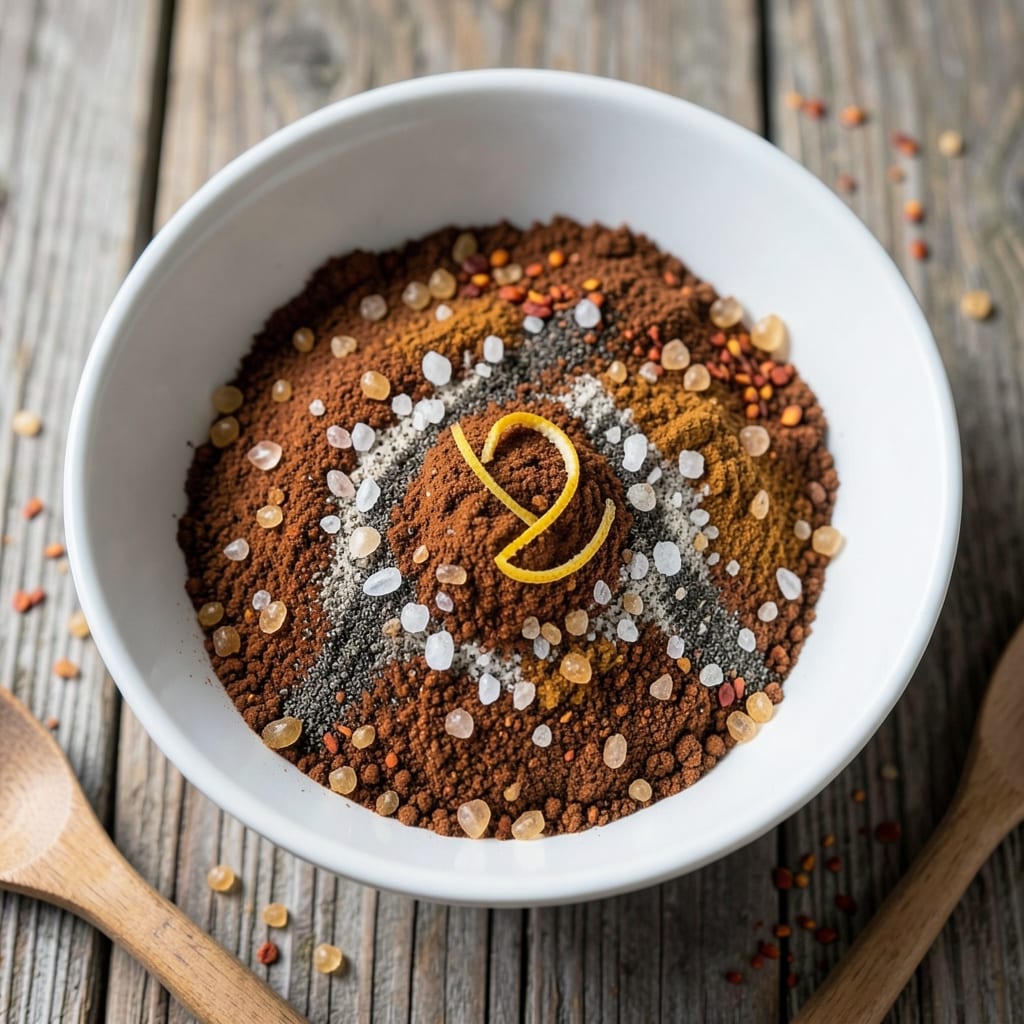
This barbeque beef rub recipe transforms tough cuts into finger-licking perfection with every bite. The carefully balanced blend of smoky paprika, brown sugar, and coarse salt creates a crust that clings to meat like a second skin, while warm spices like cinnamon and cayenne add depth without overpowering. I developed this mix after years of testing—it’s the one I reach for whenever I need that signature competition-style bark.
The beauty of this dry rub lies in its simplicity: just six core ingredients measured in tablespoons, no liquids required. The brown sugar caramelizes during cooking, locking in moisture while creating that irresistible sticky crust. For an extra kick, add a pinch of black pepper or garlic powder—both elevate the flavor profile without complicating the process. It’s designed to work with beef brisket, ribs, or even steaks, making it a versatile staple for any grill master.
What sets this rub apart is its ability to deliver restaurant-quality results at home. The spices penetrate deeply during the smoking or grilling process, ensuring every bite is packed with flavor. Unlike pre-packaged mixes, this blend lets you control the heat level—whether you prefer a mild, medium, or fiery finish. Once you try it, you’ll never go back to store-bought seasonings again.
Store the rub in an airtight container for up to three months, keeping it ready for spontaneous grilling sessions. Double the batch and gift it to fellow barbecue enthusiasts—it’s the kind of recipe that becomes a household favorite. Let’s get started on crafting your perfect blend.
Ingredients for barbeque beef rub
Six simple spices transform tough cuts into restaurant-quality barbecue perfection.
| Ingredient | Amount | Notes |
|---|---|---|
| Smoked Paprika 🌶️ | 3 tbsp | High-quality smoked variety for depth |
| Light Brown Sugar 🍚 | 2 tbsp | Packed firmly for consistency |
| Coarse Kosher Salt 🧂 | 2 tbsp | Diamond Crystal preferred |
| Ground Black Pepper 🌶️ | 1 tbsp | Freshly ground for maximum heat |
| Ground Cinnamon 🌿 | 1 tsp | Warmth without overpowering |
| Cayenne Pepper 🔥 | ½ tsp | Adjust for desired heat level |
| Garlic Powder 🧄 | 1 tsp | Enhances smoky depth naturally |
The smoked paprika is non-negotiable—Penzeys or McCormick smoked varieties deliver that authentic competition-style bark. Brown sugar isn't just sweetness; it caramelizes during cooking, creating that signature sticky crust. I always grab Light Brown Sugar from the bulk bins at Whole Foods—it packs more firmly than granulated. The kosher salt should be coarse (like Diamond Crystal)—fine salt won't cling properly to the meat. For the cayenne, Trader Joe's has a great affordable option, but if you're sensitive to heat, start with just a pinch and taste as you go.
No smoked paprika? Regular paprika plus a pinch of liquid smoke works in a pinch (use sparingly). Substitute brown sugar with white sugar plus an extra 1/2 tsp cinnamon for similar caramelization. The garlic powder can be swapped for 1/2 tsp onion powder plus 1/2 tsp garlic powder if you're out. For extra depth, add 1/4 tsp ground mustard—it rounds out the spices beautifully. Store-bought rubs? They can't compete with this balance of fresh, measured spices. The magic is in the ratios—don't eyeball it.
This rub keeps indefinitely in an airtight container in a cool, dark place—three months minimum, though I've used mine for up to a year without flavor loss. For gifting, portion into small jars with a handwritten tag: 'For competition-worthy bark.' Double the batch and freeze half for later—just thaw overnight before using. The spices mellow slightly over time, so freshly made rub is always best, but this will still outperform anything store-bought.
Why You'll Love This Recipe
- Five-Minute Mix: I swear by this—just toss those five ingredients in a bowl while your steak or brisket hits the grill. No fancy equipment, no measuring cups (eyeball it if you’re bold), and honestly? It’s the kind of rub that makes me feel like I’ve earned my dinner.
- Sweet-Smoky Magic: That smoked paprika and cinnamon combo? It’s like a hug for your taste buds—deep, warm, and just a little bit mysterious. The brown sugar caramelizes into this irresistible crust, and the salt cuts through the richness so cleanly. (Yes, even my picky husband licks the plate.)
- Grill or Skillet: Between us, this rub works on everything—ribs that fall off the bone, quick weeknight steaks, even roasted potatoes if you’re feeling fancy. I’ve used it for slow-cooked beef chuck and thrown it on chicken thighs when I’m lazy. It’s my secret weapon for when I don’t want to think too hard.
- Budget Booster: A little goes a long way, and these ingredients? Cheap. I buy them in bulk, and a single batch of this rub stretches across three meals without breaking the bank. Plus, the leftovers? They keep for months in a jar, so I’m always ready for a last-minute BBQ craving. (No excuses for bland food.)
Step-by-step instructions for crafting your perfect beef rub
Mix these bold flavors together and you'll create a rub that transforms ordinary beef into smoky, spice-crusted perfection.
Combine Dry Ingredients in a Mixing Bowl
In a medium bowl, add all 3 tablespoons of smoked paprika and 2 tablespoons of light brown sugar. The smoked paprika will give your rub that signature deep, campfire aroma while the brown sugar adds caramel notes that caramelize beautifully during cooking. I like to use a wire whisk for this step—it helps break up any clumps in the spices and ensures even distribution.
Next, add 2 tablespoons of coarse kosher salt and 1 tablespoon of ground black pepper. The salt enhances all the flavors and helps create that perfect crust, while the black pepper adds a sharp contrast to the sweetness. Sprinkle in 1 teaspoon of ground cinnamon and 0.5 teaspoon of cayenne pepper—these spices add warmth and just the right amount of heat. Finally, add 1 teaspoon of garlic powder to deepen the savory profile naturally.
Whisk Until Uniformly Blended
Using your whisk, blend all the ingredients together until fully combined and no streaks remain. This step is crucial—you want every bite of your beef to have consistent flavor. I recommend whisking for about 30-45 seconds until the mixture looks smooth and cohesive. The spices should cling together like a fine powder rather than separate when you tap the bowl.
If you notice any large clumps, especially in the brown sugar, press them gently with the back of a spoon or fork to break them down. The goal is to create a rub that will stick to your beef like glue, so every particle needs to be evenly distributed. This is where high-quality smoked paprika really shines—it's less likely to clump than cheaper varieties.
Test the Rub on a Small Piece of Beef (Optional but Recommended)
For the best results, I always recommend testing your rub on a small piece of beef before committing to your main cut. Take a thin slice of beef—like a small piece of flank steak or sirloin—and rub it generously with your mixture. Let it sit for 10-15 minutes at room temperature, then sear it in a hot skillet for 2-3 minutes per side until deeply browned. Taste it while it's still hot—this will tell you if you need to adjust the seasoning.
If the rub tastes too sweet, you might want to reduce the brown sugar slightly next time. If it needs more heat, add a pinch more cayenne. The beauty of this rub is its flexibility—you can tweak it to suit your taste preferences. Once you're happy with the flavor, your rub is ready to elevate any beef dish from ordinary to extraordinary.
Store Properly for Maximum Freshness
Transfer your completed beef rub to an airtight container—glass jars with tight-sealing lids work best. I like to use a small mason jar so I can shake it well before each use. Store it in a cool, dark place like your pantry, where it will keep for up to 3 months. The spices will maintain their potency much longer than if stored in the refrigerator or freezer.
When you're ready to use it, give the jar a good shake to redistribute any settled spices. This rub is incredibly versatile—use it on steaks, ribs, roasts, or even chicken thighs. The key to success lies in applying it generously and letting it sit on the meat for at least 30 minutes before cooking to allow the flavors to penetrate deeply. The result? A crust that's irresistibly smoky, spicy, and perfectly balanced with every bite.
Pro Tips For Making Barbeque Beef Rub
- Sift the Dry Mix: Mixing this rub by scooping straight from the bag? Stop. Smoked paprika and cinnamon clump like stubborn dust bunnies, especially when wet. Sift them together first—then add the sugar and salt—so every bite gets that even, bold flavor. (Yes, even if you’re impatient like me.)
- Toast the Cinnamon: That jarred cinnamon tastes like cardboard because it’s old. Toss ½ teaspoon in a dry skillet over medium heat for 30 seconds until fragrant—just until you smell warmth, not smoke. Lets the natural oils sing. (Your future self will notice the difference.)
- Pat the Meat Dry: Wet beef = soggy rub. Use paper towels to blot moisture off the surface before applying—especially if your steaks or brisket are fresh from the fridge. The rub will stick better and develop that crust you’re after. (I learned this the hard way with a sad, clumpy brisket.)
- Add Salt Last: Taste the rub before the final sprinkle of kosher salt. The sugar and spices can trick you into overdoing it. Start with half the salt called for, mix, then adjust—you’re aiming for a balance that’s smoky, sweet, and slightly sharp, not salty. (Your tongue will thank you.)
Regional styles of this recipe
Texas-Style Competition Rub
This is the rub I use for my brisket competitions—it’s all about that deep, smoky bark with just a touch of sweetness to balance the heat. The key here is using extra smoked paprika (4 tbsp total) and reducing the brown sugar to 1 tbsp to prevent over-sweetness. Add 1 tsp of ground mustard and ½ tsp of onion powder for that classic Texas depth. This version is my go-to for low-and-slow smoked brisket at 225°F for 12+ hours. 🔥
Carolina Mustard-Based Rub
In the Carolinas, they love their mustard—this rub swaps out half the brown sugar for 1 tbsp yellow mustard powder and adds ½ tsp of ground coriander for brightness. Use this on pulled pork or ribs for that tangy, slightly sweet profile. The mustard powder adds a savory kick that pairs perfectly with vinegar-based sauces. I like to apply it 2 hours before cooking so the flavors really meld into the meat.
Kansas City Sweet & Smoky
Kansas City is all about that bold, sweet, and smoky flavor profile. Double the brown sugar to 4 tbsp and add 1 tsp of ground cloves for warmth. This rub works amazingly on ribs or beef short ribs when cooked with a hickory wood smoke. The cloves add complexity without overpowering—just don’t skip the smoked paprika! This is the rub that made Kansas City BBQ famous.
Memphis Dry Rub
Memphis BBQ is known for its spicy, dry rubs—this version cranks up the heat with 1 tsp cayenne pepper and adds ½ tsp of ground ginger for a little zing. Use it on ribs or beef ribs and pair with a tomato-based sauce for that classic Memphis contrast. The ginger adds a subtle warmth that cuts through the richness of the meat. I like to apply this rub overnight for maximum flavor penetration.
Smoky Mountain Style
For a lighter, more herbal approach, this Smoky Mountain version reduces the brown sugar to 1 tbsp and adds 1 tsp of dried thyme and ½ tsp of ground fennel seeds. The thyme adds an earthy note, while the fennel brings a slight licorice sweetness. Perfect for beef steaks or grilled burgers, this rub is great when you want something bold but not overpowering. The fennel seeds can be toasted lightly in a dry pan before grinding for extra depth. ✨
Nutrition facts
Frequently asked questions
Can I use this beef rub on other meats besides beef?
While it's designed for beef, this rub works beautifully on pork ribs, chicken thighs, and even lamb chops. The smoky-sweet profile complements rich, fatty meats perfectly. For poultry, reduce the cayenne to ¼ tsp to avoid overpowering the delicate flavor.
How much rub should I use per pound of meat?
Start with 1-2 tablespoons of rub per pound of meat for a light coating, or 2-3 tablespoons for a thick, competition-style bark. For tough cuts like brisket, use the higher amount and apply in layers with a 30-minute rest between applications. Pat the meat dry first—moisture prevents the rub from sticking properly.
Can I make this rub less sweet or spicier?
Yes! To reduce sweetness, cut the brown sugar to 1 tablespoon and add ½ teaspoon of mustard powder for balance. For extra heat, increase cayenne to 1 teaspoon (or add ½ teaspoon of crushed red pepper flakes). Always taste-test before committing to your main cut.
Why does my rub clump together when I try to use it?
Clumping usually happens when spices absorb moisture. Store your rub in a completely dry, airtight container and avoid measuring with damp spoons. If clumps form, press them gently with a fork or whisk to break them down. For extra insurance, add ½ teaspoon of cornstarch to the mix—it helps prevent clumping while adding no noticeable flavor.
How long should I let the rub sit on the meat before cooking?
For best results, apply the rub 30 minutes to 2 hours before cooking. This gives the spices time to penetrate the surface and develop flavor. For thick cuts like brisket, apply it overnight in the fridge for maximum depth. Just don't skip this step—rushing prevents the crust from forming properly.