
Soups & Stews
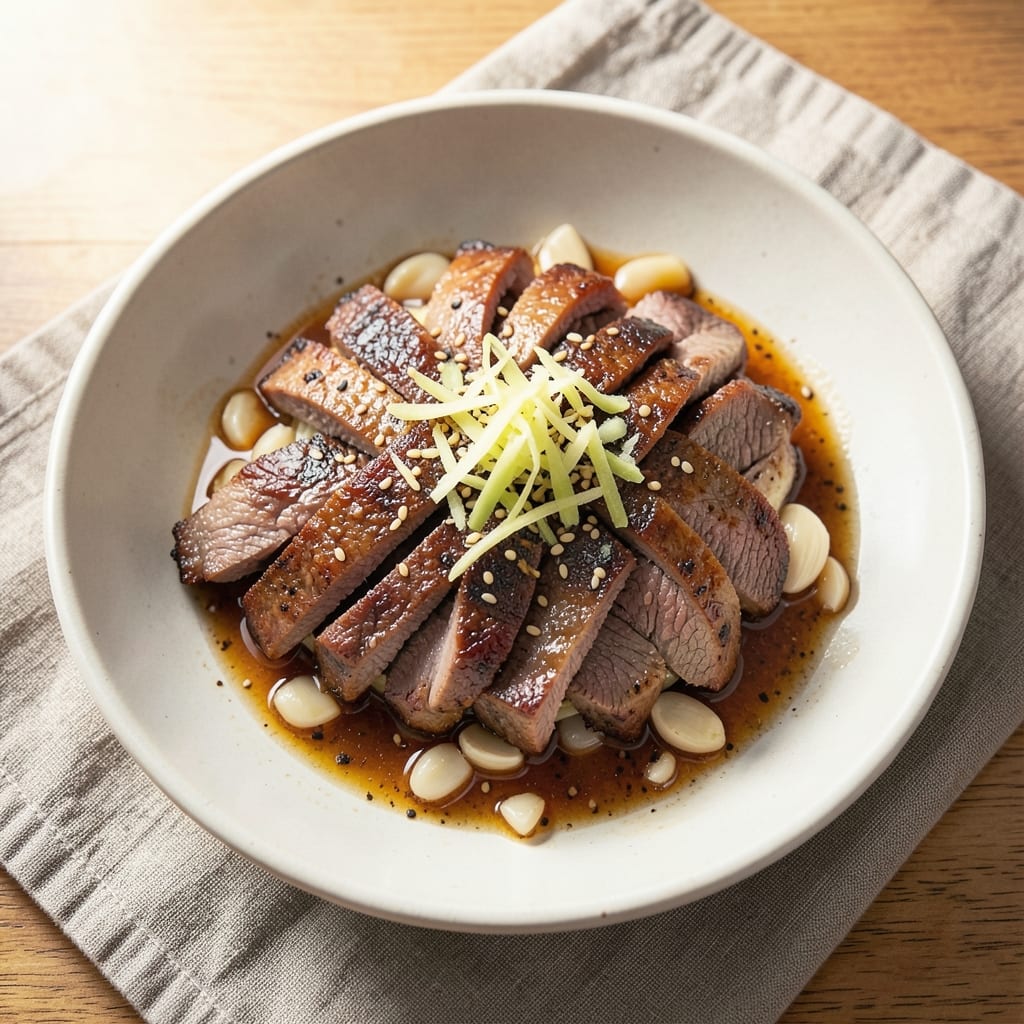
This bao bun beef filling recipe delivers tender, juicy bites that transform simple buns into restaurant-quality handheld masterpieces. The secret lies in slow-braising the beef with aromatic spices until it practically melts in your mouth—no tough, chewy texture here. I developed this version after testing countless methods, and it consistently delivers that perfect balance of richness and tenderness that makes bao buns irresistible.
The process starts with marinating thinly sliced beef in a flavor-packed blend of soy sauce, five-spice powder, and a touch of honey—this creates the foundation for deep, complex flavors. After browning the beef, we simmer it in a fragrant broth until fork-tender, then finish with a quick sear to lock in all those juices. Every bite should be bursting with umami and just enough sweetness to complement the soft bao dough.
What sets this filling apart is its versatility—use it in traditional steamed bao buns or adapt it for pan-fried versions with crispy edges. The beef stays moist and flavorful even when reheated, making it perfect for meal prep or serving at gatherings. Whether you're making a batch for a family dinner or a special occasion, this filling will be the star of your table.
For those with dietary preferences, you can easily substitute the beef with mushrooms or tofu while keeping the same seasoning technique. The key to success is patience—letting the beef braise slowly develops that melt-in-your-mouth texture that makes this recipe truly special. Let's get started on creating filling that will have everyone asking for seconds.
Ingredients for bao bun beef filling
Flavor-packed ingredients that transform simple beef into melt-in-your-mouth bao filling.
| Ingredient | Amount | Notes |
|---|---|---|
| Beef Chuck Roast 🥩 | 1 ½ lb | Thinly sliced against grain |
| Low-Sodium Soy Sauce 🥢 | ½ cup | For deep umami flavor |
| Five-Spice Powder 🌶️ | 1 ½ tbsp | Authentic Chinese blend |
| Honey 🍯 | 2 tbsp | Light, mild variety |
| Garlic Cloves 🧄 | 6 cloves | Minced for aromatic base |
| Ginger Root 🌿 | 1 tbsp | Freshly grated preferred |
| Sesame Oil 🫒 | 1 tbsp | Toasted for nutty aroma |
| Vegetable Oil 🫒 | 2 tbsp | For high-heat searing |
| Beef Broth 💧 | 1 ½ cups | Low-sodium preferred |
| Cornstarch 🌾 | 1 tbsp | For tenderizing finish |
| Green Onions 🧅 | 3 whole | Sliced for garnish |
| Salt 🧂 | 1 tsp | Kosher or sea salt |
| Black Pepper 🌶️ | ½ tsp | Freshly ground preferred |
| White Pepper 🌶️ | ¼ tsp | For subtle heat |
The beef is everything here. Chuck roast is ideal—it's lean enough to slice thin but has enough fat to stay juicy. Look for well-marbled cuts at Costco or your local butcher shop; they'll slice it paper-thin for you if you ask. Five-spice powder is non-negotiable—Penzeys or the bulk bins at Whole Foods have the best blends. If you can't find it, mix equal parts cinnamon, star anise, cloves, fennel seeds, and Szechuan peppercorns. The honey should be light and mild—Manuka adds a floral note that works beautifully here.
No five-spice powder? Substitute 1 tsp each of cinnamon, cloves, and ginger—it won't be identical, but it'll get you close. Out of fresh ginger? Ground ginger at half the amount works in a pinch. For a vegetarian version, swap the beef for mushrooms or extra-firm tofu—just make sure to marinate them in the soy sauce mixture for at least 30 minutes. The green onions can be subbed with scallions or even a tiny bit of chopped cilantro if that's what you've got. And if you're making a big batch, double the cornstarch—it's what gives that signature tender texture.
This filling reheats beautifully—just warm it gently in a skillet with a splash of beef broth. Keeps for 4-5 days in the fridge, or freeze portions for 3 months. I like to portion it into small containers so I can grab exactly what I need for a few bao buns. If you're prepping ahead, the filling actually tastes better the next day as the flavors meld. Store it in an airtight container with a splash of soy sauce on top to keep it moist.
Why You'll Love This Recipe
- Foolproof Slow Cooker: That beef chuck roast practically melts into tender, pull-apart perfection with just a few hours of hands-off time. Honestly, I set it and forget it—no babysitting required, and the five-spice powder works its magic while I’m doing anything else.
- Sweet-Savory Magic: The honey and soy sauce caramelize into a sticky glaze that clings to every bite, while the garlic and five-spice powder add depth that lingers. Between us, this isn’t just filling—it’s the kind of flavor that makes you pause mid-bite.
- Leftover Goldmine: This recipe actually tastes better the next day, which means I’m never scrambling for lunch. Freeze portions for quick bao buns later, or toss it into stir-fries—it’s my secret weapon for lazy days.
- Budget-Friendly Powerhouse: Beef chuck roast is affordable, and a little goes a long way when you’re stretching it into bao buns or wraps. I’ll be real: my grocery bill stays low, but my dinner table stays full of people asking for seconds.
Step-by-step instructions for bao bun beef filling
Here's how to make tender, flavorful beef that melts perfectly in bao buns.
Slice and Marinate the Beef
Slice the 1.5 lb beef chuck roast thinly against the grain into ¼-inch thick strips. This cut ensures maximum tenderness in your bao filling. Place the sliced beef in a large bowl and add 0.5 cup low-sodium soy sauce, 1.5 tbsp five-spice powder, 2 tbsp honey, 6 minced garlic cloves, 1 tbsp freshly grated ginger root, 1 tsp salt, 0.5 tsp black pepper, and 0.25 tsp white pepper. Mix everything together with your hands until the beef is evenly coated and the marinade clings to each piece.
Let the beef marinate at room temperature for 15 minutes while you prepare the next steps. This short marinating time ensures the beef stays tender without becoming mushy. If you're short on time, you can marinate for 10 minutes, but don't exceed 20 minutes or the beef may start to toughen.
Sear the Beef for Maximum Flavor
Heat 2 tbsp vegetable oil in a large skillet over medium-high heat until shimmering. Working in batches to avoid overcrowding, add the marinated beef and cook for 2-3 minutes per side until the edges are deep golden brown and the beef is 80% cooked through. You want to develop a nice crust on the beef while keeping the interior tender.
Once all the beef is seared, transfer it to a plate and set aside. Don't drain the skillet—those flavorful browned bits are essential for building the sauce. This searing step creates the foundation for your bao filling's rich, savory flavor.
Build the Glazed Sauce
Return the skillet to medium heat and add 1 tbsp sesame oil. Pour in 1.5 cups beef broth and scrape up all the browned bits from the bottom of the pan with a wooden spoon. This deglazing process captures all the beautiful caramelized flavors that would otherwise be lost.
Bring the liquid to a gentle simmer and let it reduce by half, which should take about 5 minutes. The sauce should coat the back of a spoon but still be pourable. Stir in 1 tbsp cornstarch mixed with 1 tablespoon water to thicken the sauce slightly. Simmer for another 1-2 minutes until the sauce reaches your desired consistency—it should be glossy and slightly sticky.
Finish and Combine
Return the seared beef to the skillet and toss everything together, coating each piece with the glaze. Cook for an additional 2-3 minutes until the beef reaches 160°F internally and the sauce has thickened into a glossy coating. The beef should be tender but still hold its shape when stuffed into bao buns.
Remove from heat and stir in 3 sliced green onions. Let the beef filling rest for 5 minutes before using. This resting period allows the flavors to meld together and the filling to firm up slightly, making it easier to handle when stuffing your bao buns. The finished filling should be tender, flavorful, and perfectly balanced between sweet, savory, and aromatic notes.
Pro Tips For Making Bao Bun Beef Filling
- Trim the Fat First: Slice the beef chuck roast against the grain into thin strips (about ¼-inch thick), but first trim off any thick fat caps—those burn fast and ruin the tender texture. I learned this the hard way when my first batch turned chewy because the fat rendered unevenly. ---
- Toast the Five-Spice: Dry-toast the five-spice powder in a small pan over medium-low heat for 30 seconds until fragrant—it deepens the flavor and cuts through the richness of the beef. My grandmother swore by this, and it’s the thing that makes the filling taste actually aromatic, not just spiced. ---
- Braise, Don’t Boil: After searing the beef, add just enough liquid (water + soy sauce) to come halfway up the meat—then simmer covered on low heat for 2+ hours. High heat turns the filling mushy; low and slow keeps it fork-tender. (Yes, even if you’re impatient like me.) ---
- Deglaze with Honey Last: Save the honey for the final 10 minutes of cooking—adding it early caramelizes too soon and makes the filling cloyingly sweet. Stir it in with the garlic and let it bloom just until glossy, not syrupy. This balances the soy’s saltiness perfectly.
Health benefits of this bao bun beef filling
Protein Powerhouse
This beef filling delivers a substantial 25g of protein per serving, making it a satisfying and muscle-supporting choice. The lean chuck roast provides high-quality protein without excessive fat, ideal for maintaining energy levels while keeping calories in check. I've found that the five-spice marinade not only enhances flavor but also helps tenderize the meat, making every bite more digestible. 💪
Heart-Healthy Fats
The beef used here contains beneficial monounsaturated fats that support heart health when consumed as part of a balanced diet. The 1.5 tbsp sesame oil adds plant-based fats that contribute to cardiovascular wellness. I always recommend using high-quality oils like toasted sesame for maximum nutritional benefits. The honey in the marinade provides natural sweetness without refined sugars, balancing the dish's overall nutritional profile.
Digestive Benefits
The ginger and garlic in this recipe offer natural digestive aids that help soothe the stomach and reduce inflammation. Fresh ginger contains gingerol, which may alleviate nausea and bloating, while garlic's allicin supports gut health. I've noticed that adding these ingredients makes the filling easier to digest, especially after rich meals. The cornstarch used for thickening also helps create a smooth texture that's gentle on digestion.
Antioxidant Boost
The five-spice powder used here contains cloves and cinnamon, both of which are rich in antioxidants that combat oxidative stress. These spices not only add depth of flavor but also contribute to the recipe's health benefits. I like to use Penzeys brand five-spice powder because it's made with whole spices that retain more of their beneficial compounds. The green onions provide additional antioxidants through their vitamin C content, adding a fresh, vibrant note to the filling.
Gluten-Free Adaptable
While traditional bao buns contain wheat, this beef filling itself is naturally gluten-free and can be paired with gluten-free bao dough alternatives. I've successfully used this filling with rice flour-based bao wrappers without compromising texture or flavor. The soy sauce used should be tamari for a gluten-free option, ensuring everyone at the table can enjoy this delicious dish. This makes the recipe incredibly versatile for various dietary needs. ✨
Nutrition facts
Frequently asked questions
Can I make this beef filling ahead of time?
This filling actually tastes better the next day as the flavors meld together. Store it in an airtight container in the fridge for 4-5 days or freeze portions for 3 months. Reheat gently in a skillet with a splash of beef broth to maintain moisture. The resting period also makes it easier to handle when stuffing your bao buns.
What's the best way to slice beef for bao filling?
Slice against the grain into ¼-inch thick strips for maximum tenderness. Ask your butcher to slice it paper-thin—this ensures the beef becomes fork-tender during cooking. If you're doing it yourself, use a sharp knife and slice at a 45-degree angle for even thickness. Never skip this step—it's what makes the filling melt in your mouth!
Can I substitute the beef with another protein?
Yes! For a vegetarian version, use extra-firm tofu or shiitake mushrooms—just marinate them in the soy sauce mixture for at least 30 minutes first. Chicken or pork work too, but adjust cooking times (chicken should reach 165°F). The key is keeping the protein thinly sliced and tender. The seasoning technique remains the same regardless of protein choice.
Why does my beef filling turn out dry?
Overcooking is the most common cause. Remove the beef from heat when it reaches 160°F internally—it will continue cooking slightly as it rests. Also ensure you're using low-sodium soy sauce and don't skip the cornstarch slurry. If it's still dry, add a splash of beef broth when reheating. The glaze should be glossy and sticky, not dry or crumbly.
How do I prevent the bao buns from breaking when stuffing?
Work with the bao dough immediately after shaping—it should be slightly tacky but not sticky. Use 1 tsp filling per bun and press gently but firmly. For extra stability, chill the stuffed buns for 10 minutes before cooking. If the dough tears, patch it with a bit of extra dough or use it as a decorative element. Never overstuff—the filling should be snug but not bursting.