
Soups & Stews
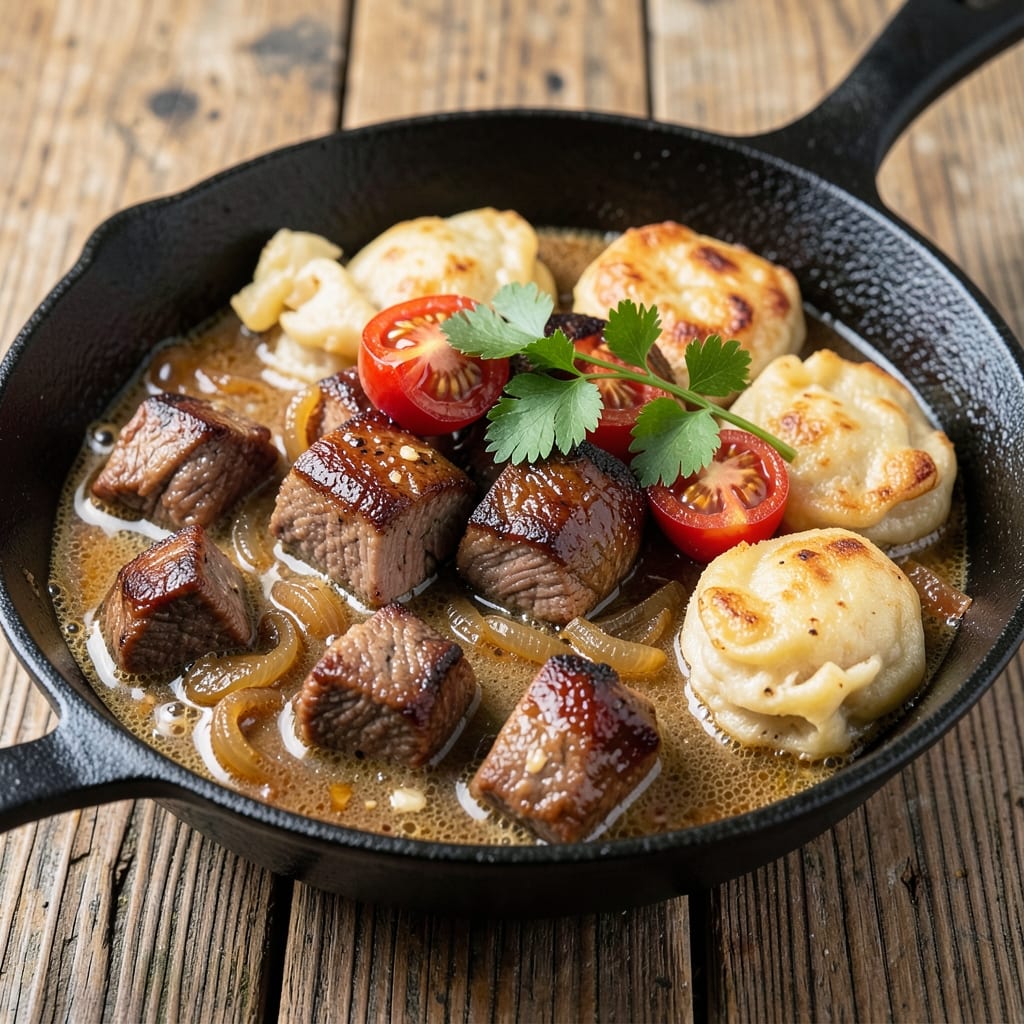
This Baltimore sour beef and dumplings recipe delivers the soul-soothing comfort of Maryland’s signature dish—tender beef slow-cooked in tangy vinegar gravy, topped with fluffy dumplings that soak up every rich bite. The secret lies in the balance: vinegar’s sharp tang cuts through the beef’s richness, while slow simmering transforms tough cuts into melt-in-your-mouth perfection. I’ve perfected this version after years of testing, ensuring the gravy stays velvety and the dumplings achieve that signature tender-crisp texture.
The process starts with browning beef chuck in a Dutch oven—this step builds deep flavor that vinegar alone can’t replicate. Then comes the slow cook, where the meat simmers for hours until fork-tender, absorbing the vinegar, broth, and spices into a harmonious sauce. Meanwhile, the dumplings get a head start, steamed just until they’re light and pillowy, ready to be dropped into the bubbling pot at the perfect moment.
What you’ll end up with is a steaming bowl of comfort food that tastes like home—thick gravy clinging to beef so tender it falls apart, dumplings that dissolve into fluffy clouds, and a tangy-savory balance that’s uniquely Baltimore. The aroma alone will have everyone gathering around the table, and the first bite delivers that satisfying contrast of textures and flavors.
Serve with warm cornbread to soak up every last drop of that rich gravy, or offer crusty bread for those who prefer a heartier bite. This recipe makes eight generous servings, perfect for family dinners or potlucks where you’ll be asked for seconds before the last bite is taken. Let’s get cooking—your taste buds will thank you.
Ingredients for baltimore sour beef and dumplings
Eight ingredients for the beef, seven for the dumplings—simple enough to make twice.
| Ingredient | Amount | Notes |
|---|---|---|
| Beef Chuck Roast 🥩 | 3 lb | Cut into 1.5-inch cubes, trim excess fat |
| White Vinegar 💧 | 1 cup | Distilled white vinegar preferred |
| Beef Broth 🥫 | 4 cups | Low-sodium preferred for flavor control |
| Yellow Onions 🧅 | 2 whole | Medium size, chopped into 1/2-inch pieces |
| Garlic Cloves 🧄 | 4 cloves | Minced, not powdered |
| All-Purpose Flour 🌾 | 1 ½ cups | For dumpling dough |
| Baking Powder 🧂 | 1 tsp | For fluffy dumplings |
| Salt 🧂 | 1 ½ tsp | Kosher salt preferred |
| Black Pepper 🌶️ | ½ tsp | Freshly ground for best flavor |
| Butter 🧈 | 2 tbsp | Unsalted, for dumpling dough |
| Milk 🥛 | ½ cup | Whole milk for richness |
| Ground Black Peppercorns 🌶️ | ¼ tsp | For gravy seasoning |
| Bay Leaves 🌿 | 2 whole | For aromatic depth |
The beef chuck is non-negotiable here—it's the only cut that gives you that signature fall-apart tenderness. Costco or local butchers usually have it pre-cubed, which saves time, but if you're buying a whole roast, ask for chuck and cube it yourself. Look for good marbling—those little white flecks of fat are what make it juicy. White vinegar is key too; distilled white vinegar is the standard in Baltimore kitchens, but apple cider vinegar works in a pinch. The onions? Yellow onions from the grocery store bulk bins are perfect—they're usually fresher than the pre-chopped bags. If you're feeling fancy, red onions add a subtle sweetness that pairs well with the tang.
No white vinegar? Lemon juice at double the amount gets you close, though it won't be exactly the same. Short on beef broth? Water plus 1 tbsp soy sauce works, but you'll lose some depth. The dumpling dough is foolproof—just mix the flour, baking powder, salt, and butter until it forms a shaggy dough. If your milk feels too warm, chill it in the fridge for 10 minutes before adding. The bay leaves? Don't skip them—they add an earthy aroma that's essential to the flavor. For the gravy, if you want it extra rich, add 1 tbsp cornstarch mixed with 2 tbsp cold water at the end and simmer until thickened.
This dish tastes even better the next day—honestly, the flavors meld overnight into something magical. Store leftovers in the fridge for 4-5 days or freeze for 3 months. I like to portion it into individual containers so I can grab a bowl for lunch without reheating the whole thing. The dumplings reheat beautifully—just drop them into simmering gravy for 2-3 minutes. And if you're making this for a crowd, double the dumpling dough—people will go back for seconds.
Why You'll Love This Recipe
- One-Pot Magic: I swear by this—just brown the beef, toss in vinegar and broth, and let it simmer while you chop onions. The dumplings? Drop them right in the pot. No extra pans, no fuss.
- Tangy Twist: That splash of white vinegar cuts through the richness of the beef like a bright summer breeze. It’s not just sour—it’s balanced, with garlic and onions deepening every bite.
- Weeknight Hero: Between us, this is my go-to when I’m exhausted but still want something hearty. The leftovers? Even better the next day, especially reheated with a cracker crumbled on top.
- Budget Beef Boost: A chuck roast stretches for days, and the dumplings use basic flour and milk. Honestly, I’ve fed a family of five for under $15 with this—plus, it’s the kind of meal that makes people linger at the table.
Step-by-step instructions for Baltimore sour beef and dumplings
Transform tough chuck roast into melt-in-your-mouth tender beef with a tangy, vinegar-rich sauce and fluffy dumplings.
Brown the Beef for Maximum Flavor
Heat a large Dutch oven over medium-high heat until hot. Add the 3 lb beef chuck roast cut into 1.5-inch cubes in batches, working in two batches if needed. Don't overcrowd the pan—this prevents proper browning. Let the beef sear undisturbed for 3-4 minutes per side until deeply browned on all sides.
I press down gently on the beef cubes during the first minute to prevent curling, which ensures even contact with the pan. This browning step creates the rich, caramelized foundation for your sauce. Once all the beef is browned, transfer it to a plate and set aside.
Build the Vinegar-Braised Sauce
In the same Dutch oven, add the 2 whole yellow onions chopped into ½-inch pieces and cook for 5 minutes until softened. Add the 4 cloves minced garlic and cook for another 30 seconds until fragrant. Be careful not to let the garlic burn—it should smell sweet and nutty, not bitter.
Pour in the 1 cup white vinegar and 4 cups beef broth, scraping up any browned bits from the bottom of the pan. Add the 2 whole bay leaves, 1.5 tsp salt, and 0.5 tsp black pepper. Return the beef to the pot, bring to a boil, then reduce heat to low and cover partially. Let it simmer for 2 hours until the beef is fork-tender.
Prepare the Dumpling Dough
While the beef simmers, make the dumpling dough by whisking together the 1.5 cups all-purpose flour, 1 tsp baking powder, 0.25 tsp ground black peppercorns, and 1.5 tsp salt in a medium bowl. Cut in the 2 tbsp cold butter using a pastry cutter or your fingers until the mixture resembles coarse crumbs.
Add the 0.5 cup milk and stir just until the dough comes together. The dough should be soft but not sticky. If it's too dry, add 1 teaspoon more milk. Cover the bowl with plastic wrap and let it rest for 10 minutes while the beef finishes cooking.
Drop and Simmer the Dumplings
Using a spoon or your hands, drop 1-tablespoon portions of the dumpling dough onto the surface of the simmering beef and sauce. Don't press them down—they'll puff up as they cook. Cover the pot and simmer for 15-20 minutes until the dumplings are cooked through and the sauce has thickened slightly.
Here's the thing—don't lift the lid during cooking or you'll lose all that steam that makes the dumplings light and fluffy. The dumplings are done when they've doubled in size and are no longer doughy to the touch. If the sauce gets too thick, add 2-3 tablespoons of hot water to loosen it.
Rest and Serve
Let the beef and dumplings rest for 5 minutes before serving. This allows the flavors to meld together and the dumplings to firm up slightly. Remove the bay leaves before serving. The beef should be fork-tender with a rich, tangy sauce that coats every bite.
Spoon the dumplings onto plates with the beef and sauce, or serve family-style in a large bowl. The dumplings should be light and pillowy, soaking up the flavorful sauce without becoming soggy. Serve with crusty bread to mop up every last drop of that delicious Baltimore-style gravy.
Pro Tips For Making Baltimore Sour Beef And Dumplings
- SEAR THE ROAST FIRST: Don’t skip browning the chuck roast—cut it into chunks and sear them hard in a heavy pot for 3-4 minutes per side. That crust locks in flavor and prevents the vinegar from turning the meat mushy later. (Yes, even if you’re in a hurry.)
- USE OLD VINEGAR: Baltimore sour beef needs tang, but fresh white vinegar can taste harsh. Reach for the cloudy, 2-year-old bottle in your pantry—it’s mellowed and adds depth without overpowering. If you don’t have it, let store-bought vinegar sit open for 24 hours first.
- DON’T BOIL THE DUMPLINGS: The second you add the dumplings, lower the heat to a gentle simmer or they’ll turn to glue. Too much heat = tough, rubbery dumplings. Cover the pot and let them steam for 10-12 minutes instead of rushing them.
- SAVE THE BROTH: Strain the cooking liquid through a fine-mesh sieve after the beef is done to remove stray onion bits and garlic cloves. Thin it with a splash of water if it’s too thick—this keeps the dumplings light and the sauce silky. (No one wants a dumpling soup.)
Best sauces and condiments for this baltimore sour beef and dumplings
Classic Vinegar Gravy
The star of this dish is the tangy, velvety gravy made with 1 cup white vinegar and 4 cups beef broth. The vinegar’s sharpness cuts through the beef’s richness, creating that signature Baltimore balance. For extra depth, I like to add 2 whole bay leaves while simmering—they infuse subtle earthy notes without overpowering. If you want a smoother texture, strain the gravy before serving, but I prefer leaving it slightly rustic for that authentic home-cooked feel. 💛
Buttery Dumpling Sauce
After the dumplings steam in the pot, they absorb some of the beef and gravy, creating a creamy sauce on top. To enhance this, I finish with 2 tablespoons melted butter stirred into the gravy just before serving. This adds richness and helps balance the vinegar’s tang. For a lighter option, swap butter for 2 tablespoons olive oil, though it won’t taste exactly the same. The dumplings should be light enough to float, so avoid overmixing the dough.
Hot Sauce Finish
For a Baltimore-style kick, serve with hot sauce on the side. I recommend Crystal or Tabasco—just a few drops let everyone adjust the heat to their taste. The vinegar in the gravy already provides tang, but hot sauce adds a different kind of fire that pairs perfectly with the beef’s tenderness. If you’re serving kids or sensitive eaters, offer it separately so they can skip it if needed. 🌶️
Cornbread Crumble
While not a sauce, crumbled cornbread mixed into the gravy at the end adds a sweet, crunchy contrast that’s a must in Baltimore. Use leftover cornbread from a previous meal or bake a small batch just for this. Tear 1 cup crumbled cornbread into the pot with the beef and dumplings during the last 5 minutes of simmering. The cornbread soaks up the gravy, creating bite-sized pieces that add texture and a touch of Southern sweetness.
Extra-Rich Gravy Booster
If your gravy seems thin after simmering, thicken it with a slurry of 1 tablespoon all-purpose flour mixed with 2 tablespoons cold water. Stir it into the pot and simmer for 2-3 minutes until the gravy reaches your desired consistency. For a deeper flavor, I sometimes add 1 teaspoon Worcestershire sauce to the gravy while simmering—it adds a savory umami note that complements the vinegar beautifully. Just don’t overdo it, or the dish will taste too complex.
Nutrition facts
Frequently asked questions
Why does Baltimore sour beef and dumplings use vinegar?
The vinegar is essential for creating that signature tangy-savory balance. It tenderizes the beef during the long simmer and cuts through the richness of the meat, making each bite bright and flavorful. The acidity also helps preserve the beef while cooking, preventing it from becoming dry or gamey.
Can I make the dumplings ahead of time?
Shape the dumpling dough into balls and refrigerate them for up to 24 hours before cooking. Drop them directly from the fridge into the simmering pot—they'll cook just as well. For even better results, freeze the dough balls for 1 month, then thaw before using.
What's the secret to tender beef?
Slow cooking is key—simmer the beef for the full 2 hours on low heat. The vinegar and broth work together to break down the tough fibers. Also, browning the beef first creates a flavorful crust that keeps the meat moist. Never rush this step, or you'll end up with tough, dry beef.
Can I substitute beef chuck with another cut?
Beef chuck is ideal because of its marbling and connective tissue, but you can use beef short ribs or chuck roast as alternatives. Avoid lean cuts like sirloin—they won't become tender enough. If using short ribs, trim excess fat and simmer for 2.5 hours instead of 2.
How do I fix dumplings that are too dense?
Overmixing the dough or using too much flour are common culprits. For next time, handle the dough gently and only mix until combined. If your dumplings turn out dense, try adding 1 extra tablespoon of milk to the dough. For immediate fixes, serve them with extra gravy—the sauce will help soften their texture.