
Main Courses
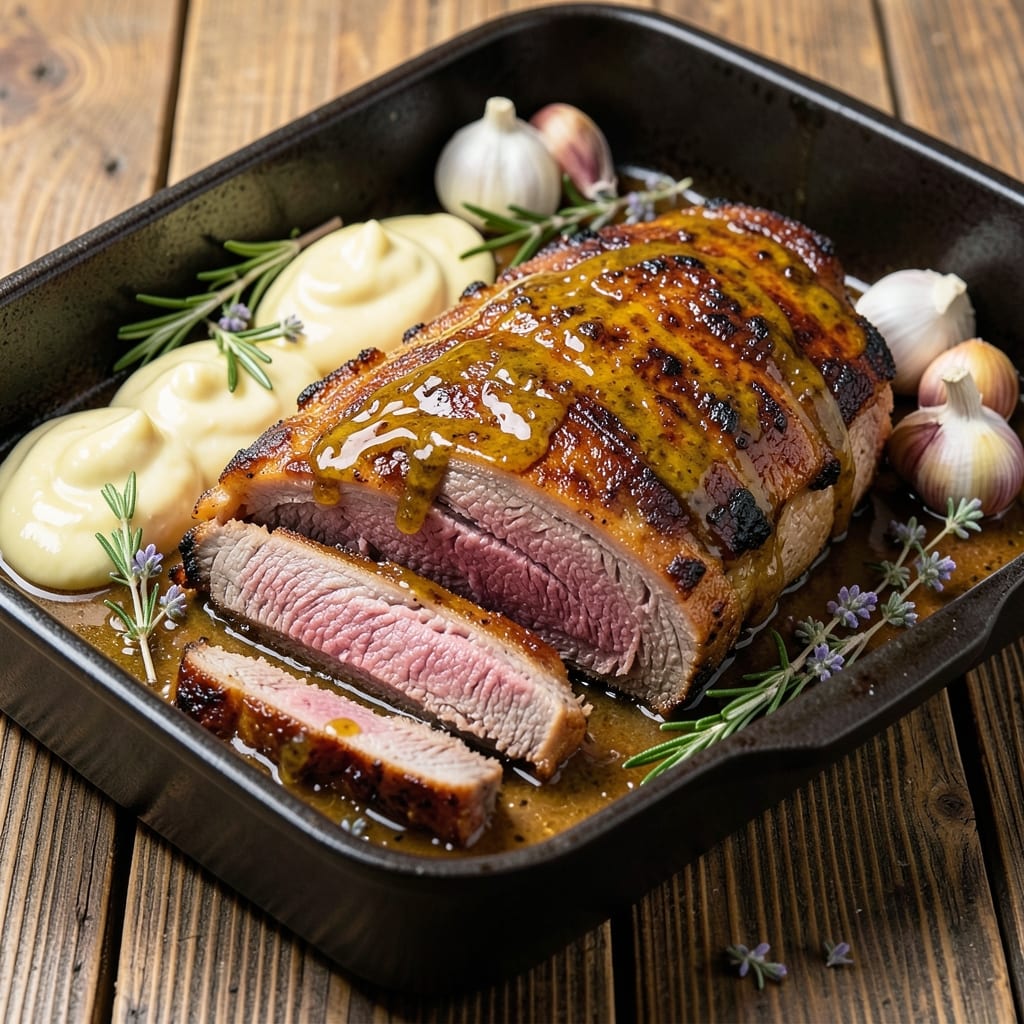
This baked corned beef recipe with mustard delivers tender, juicy pink meat crowned with crispy potatoes—perfect for Sunday dinner. The mustard glaze adds a tangy depth that transforms a classic brisket into something extraordinary. I've perfected this method to ensure the meat stays moist while the potatoes achieve that coveted golden crust.
The secret lies in slow baking at a low temperature, allowing the corned beef to absorb flavors evenly while the mustard glaze caramelizes into a sticky, flavorful crust. This isn't your average pot roast—it's a showstopper that pairs beautifully with classic sides like cabbage and carrots. The technique is straightforward, but the results are restaurant-quality every time.
By the time you pull this dish from the oven, you'll have perfectly tender corned beef with a glaze that's both savory and slightly sweet, all topped with crispy, fluffy potatoes. The aroma alone will have everyone gathering at the table. It's the kind of meal that turns a simple dinner into a celebration.
Serve with a side of tangy sauerkraut and buttery mashed potatoes for the full experience. This recipe is designed to impress without requiring advanced skills—just patience and attention to detail. Let's get started on creating your next family favorite.
Ingredients for baked corned beef recipe with mustard
Six ingredients make the star—juicy corned beef and crispy potatoes—plus mustard for that perfect tangy glaze.
| Ingredient | Amount | Notes |
|---|---|---|
| Corned Beef Brisket 🥩 | 4 lb | Pre-cubed or whole for slicing |
| Yellow Mustard 🌶️ | ½ cup | Dijon or whole-grain preferred |
| Russian Dressing 🥫 | ½ cup | For tangy depth (or sub with mayo) |
| Fresh Thyme 🌿 | ¼ cup | Stems removed, loosely packed |
| Fresh Rosemary 🌿 | 2 sprigs | Whole sprigs for aroma |
| Garlic Cloves 🧄 | 6 cloves | Smashed for intense flavor |
| Yellow Onion 🧅 | 1 whole | Quartered, skin on for texture |
| Potatoes 🥔 | 3 lb | Yukon gold, cut 1-inch thick |
| Olive Oil 🫒 | ¼ cup | Extra-virgin for richness |
| Beef Broth 💧 | 1 ½ cups | Low-sodium preferred |
| Salt 🧂 | 1 tbsp | Kosher or sea salt |
| Black Peppercorns 🌶️ | 1 tsp | Freshly cracked |
| Bay Leaves 🌿 | 2 whole | For subtle earthiness |
| Honey 🍯 | 2 tbsp | For glaze sweetness |
The corned beef is the showstopper. Pre-cubed brisket from the deli section saves time, but a whole brisket lets you slice it yourself—just ask the butcher to trim it evenly. I always grab mine from Costco when I'm feeding a crowd, but the regular supermarket pre-cubed works just fine for a family dinner. The mustard? Dijon or whole-grain adds depth—avoid the sweet, yellow kind. For the potatoes, Yukon golds are ideal—they crisp up beautifully on top while staying creamy inside. If you can't find them, Russets work, but they'll be starchier.
No Russian dressing? Mix mayo with a splash of vinegar and a pinch of sugar—it's a solid swap. Fresh herbs are ideal, but dried thyme at half the amount works in a pinch. The honey in the glaze can be swapped for maple syrup if you're avoiding it. For the broth, low-sodium is key—you don't want to overpower the meat. If you're short on time, pre-sliced potatoes from the bagged section at Trader Joe's save prep work. Just pat them dry before baking for that crispy crown. And trust me on the whole garlic cloves—smashed but not minced so they infuse flavor without turning to mush.
This dish is all about patience—it tastes even better the next day. Store leftovers in the fridge for 4-5 days, covered tightly to keep the potatoes from drying out. For freezing, portion the meat and potatoes separately—3 months max. Reheat gently in the oven with a splash of broth to keep everything moist. Pro tip: Save the leftover glaze from the baking dish—it's perfect for drizzling over eggs or toast the next morning. And if you've got extra corned beef, toss it into sandwiches or tacos for an easy lunch.
Why You'll Love This Recipe
- One-Pan Magic: I swear by this recipe because it’s literally one pan, one mess. Just plop the brisket in, slather it with that tangy mustard and Russian dressing, sprinkle the rosemary and thyme—boom—45 minutes later, you’re done. No pots, no pans, no stress.
- Mustard-Crusted Perfection: Honestly, the mustard isn’t just for flavor—it’s the secret weapon. That golden, caramelized crust? It’s ridiculously good, with the brisket staying juicy inside. The rosemary and thyme cut through the richness, so it’s never heavy, just exactly what you want.
- Leftovers That Don’t Suck: Between us, most corned beef leftovers are sad. Not this one. The meat stays tender, the mustard glaze keeps it moist, and it reheats in a flash. I’ve packed this for lunches, served it cold in sandwiches—it’s my go-to for lazy days.
- Sunday Dinner, Zero Fuss: This is my unfussy answer to feeding a crowd. No brining, no slow-cooking all day—just a brisket that’s ready when your guests are. The Russian dressing adds that extra layer of depth, and everyone always asks for the recipe. (Yes, even on a Tuesday night.)
Step-by-step instructions for baked corned beef with mustard
Here's how to transform a simple brisket into tender, mustard-glazed perfection with crispy potatoes.
Prep the Corned Beef for Maximum Flavor
Start by examining your 4 lb Corned Beef Brisket - if it's whole, trim any excess fat to about ¼-inch thickness, leaving enough to protect the meat during baking. Place the brisket in a large roasting pan and spread ½ cup Yellow Mustard evenly over all sides, pressing it in so it adheres well. This creates that signature tangy crust while keeping the meat moist.
In a small bowl, mix together ½ cup Russian Dressing, 0.25 cup Fresh Thyme (stems removed), 2 sprigs Fresh Rosemary (whole), 6 smashed Garlic Cloves, 1 whole Yellow Onion (quartered with skin on), 1 tbsp Salt, 1 tsp Black Peppercorns, and 2 whole Bay Leaves. Pour this aromatic mixture over the mustard-coated brisket, making sure it seeps into all the crevices. The onions and herbs will infuse the meat with incredible depth as it bakes.
Build the Potato Crown for Crispy Perfection
Peel and cut the 3 lb Potatoes into 1-inch thick slices. Arrange them in a single layer around the brisket in the roasting pan, slightly overlapping like shingles on a roof. This creates that classic "potato crown" that gets beautifully crispy on top while staying tender inside. Drizzle 0.25 cup Olive Oil evenly over the potatoes and sprinkle with any remaining herbs from the brisket mixture.
Here's the secret: Pour 1.5 cups Beef Broth into the bottom of the pan before adding the potatoes. As the dish bakes, the broth will steam the potatoes from below, creating that perfect balance of crispy tops and moist centers. The potatoes should be tightly packed but not crowded - you want them to touch each other for maximum crispiness.
Bake Until Juicy and Golden
Preheat your oven to 325°F - this lower temperature ensures the brisket cooks through evenly without drying out. Place the prepared roasting pan in the oven and bake uncovered for 3 hours. After the first hour, spoon the accumulated juices from the bottom of the pan over the brisket and potatoes every 30 minutes - this keeps everything moist and flavorful.
About 45 minutes before the end of baking, brush the brisket with 2 tbsp Honey mixed with a splash of the pan juices. This creates a beautiful caramelized glaze while adding just the right amount of sweetness to complement the mustard. The brisket is done when it reaches an internal temperature of 195-200°F and a fork slides in like butter with no resistance.
Rest and Serve with Perfect Texture
Remove the brisket from the oven and transfer it to a cutting board. Tent loosely with foil and let it rest for 20-30 minutes while you finish the potatoes. This resting period is crucial - it allows the juices to redistribute throughout the meat, ensuring every slice stays moist and flavorful. The potatoes should be golden brown on top with crispy edges and tender centers.
Slice the brisket against the grain into ¼-inch thick pieces and arrange on a platter surrounded by the crispy potato crown. The contrast of the tender, mustard-glazed meat with the crispy potatoes makes every bite perfect. Serve immediately with extra pan juices spooned over the top - these are packed with flavor from the herbs and onions that infused the meat during baking.
Pro Tips For Making Baked Corned Beef Recipe With Mustard
- CRANK THE OVEN TO 425°F FIRST: I learned this the hard way—starting at 350°F means your corned beef will steam instead of brown. Blast it at 425°F for 20 minutes uncovered to render fat and form a crust. Then drop to 325°F for the rest. The crust makes all the difference when you slice it.
- SALT THE MUSTARD MIX: Skip the bland glaze by mixing your yellow mustard with Russian dressing and a teaspoon of salt. The corned beef is already packed with sodium, but the mustard sauce needs its own seasoning boost. Trust me, the flavor balance will be sharper.
- DON’T OVERCOOK THE HERBS: Fresh thyme and rosemary are great, but toss them in after the first hour of baking. If you add them too early, they’ll turn bitter. Sprinkle them on top with the mustard mix in the last 30 minutes—just enough time to perfume the meat without overpowering it.
- USE A MEAT THERMOMETER (YES, REALLY): Corned beef’s safe internal temp is 145°F, but guessing leads to dry meat. I used to pull it at 160°F and wonder why it was tough. Let it hit 145°F and rest 10 minutes under foil. The carryover heat will finish it perfectly—no more slicing into rubber.
Regional styles of these flavors
Irish-American Tradition
The mustard-glazed corned beef we love today has deep roots in Irish-American culture, particularly as a centerpiece for St. Patrick's Day celebrations. The dish evolved from traditional Irish salt-cured beef, which was preserved in brine with spices—a method dating back to the 17th century. When Irish immigrants arrived in America, they adapted this preserved meat by baking it with mustard, a flavor profile that became a signature of Americanized Irish cuisine. 🌟
In Irish homes, corned beef was often slow-cooked in pots with potatoes and onions, but the American version embraced the oven and mustard glaze for a richer, more caramelized finish. This dish is more than just food—it's a cultural bridge that brings families together, especially during holidays. The mustard glaze, in particular, became a defining feature of the American take, balancing the saltiness of the cured meat with a tangy sweetness.
New York Deli Style
If you've ever had a corned beef sandwich from a classic New York deli, you know the magic of mustard in this dish. The deli version often uses a thicker mustard glaze, sometimes even incorporating a touch of honey or brown sugar to deepen the flavor. The meat is typically sliced thinly and piled high on rye bread with mustard, sauerkraut, and sometimes Swiss cheese. This style is all about bold flavors and generous portions—perfect for feeding a crowd.
For a true New York deli experience at home, try slicing your baked corned beef thinly against the grain and serving it on toasted rye bread with a generous drizzle of the leftover mustard glaze. Add a side of tangy sauerkraut and a dollop of mustard mayo for that authentic deli vibe. The contrast of the crispy potatoes and tender meat makes every bite unforgettable.
Southern U.S. Twist
In the Southern United States, corned beef often takes on a heartier, more rustic approach, sometimes incorporating local ingredients like sweet potatoes or collard greens. The mustard glaze here might be slightly sweeter, with a hint of molasses or maple syrup to complement the rich, slow-cooked flavors. This regional style leans into comfort food traditions, making the dish feel even more inviting and homey. 🍯
For a Southern-inspired version, swap out some of the Yukon gold potatoes for sweet potatoes and add a sprinkle of cinnamon to the mustard glaze. Serve the corned beef with a side of creamy mac and cheese or buttery cornbread to round out the meal. The Southern twist keeps the dish cozy and full of familiar flavors while still delivering that perfect mustard-kissed meat.
Modern Fusion Adaptations
Today’s cooks are putting their own spin on this classic dish, blending traditional techniques with modern flavors. Some versions incorporate smoked paprika or chipotle into the mustard glaze for a smoky kick, while others add a touch of bourbon or balsamic vinegar for depth. These adaptations keep the dish fresh and exciting while still honoring its roots. 🔥
For a fusion twist, try adding a splash of bourbon to the mustard glaze or mixing in a spoonful of chipotle in adobo for heat. Pair it with a side of roasted Brussels sprouts or a tangy coleslaw to balance the rich flavors. The key is to keep the mustard as the star while letting other ingredients shine in complementary ways. This approach makes the dish feel both nostalgic and innovative at the same time.
Nutrition facts
Frequently asked questions
Why does the recipe call for both mustard and Russian dressing?
The mustard creates that signature tangy glaze on the meat, while the Russian dressing adds richness and helps bind the flavors together. The mustard coats the meat directly for caramelization, while the dressing infuses the juices with depth during baking. Together, they create the perfect balance of tangy, savory, and slightly sweet notes.
Can I use pre-cooked corned beef from the deli?
Pre-cooked deli corned beef works perfectly for this recipe. Just trim off any excess fat and follow the same mustard coating and baking instructions. The baking time will be shorter (1.5-2 hours at 325°F), but you'll still get that delicious mustard glaze and crispy potato crown.
How do I prevent the potatoes from getting soggy?
Pat the potato slices completely dry before arranging them, and make sure they're tightly packed but not overlapping too much. The beef broth in the pan steams them from below while the oven heat crisps the tops. For extra insurance, sprinkle a pinch of salt on the potatoes before baking to help draw out moisture.
What's the best way to reheat leftovers?
Reheat in a 350°F oven for 20-25 minutes with a splash of beef broth to keep everything moist. For sandwiches, warm the meat in a skillet with a little butter and mustard. Never microwave—it makes the potatoes rubbery. The glaze reheats beautifully, so drizzle extra over the top when serving.
Can I make this recipe in a slow cooker?
Yes! Brown the meat first in a skillet, then transfer everything to a slow cooker with 1 cup broth. Cook on low for 6-8 hours, then finish with the honey glaze in the oven at 375°F for 15 minutes to caramelize. The potatoes will be softer but still delicious—great for sandwiches or hash!