
Main Courses
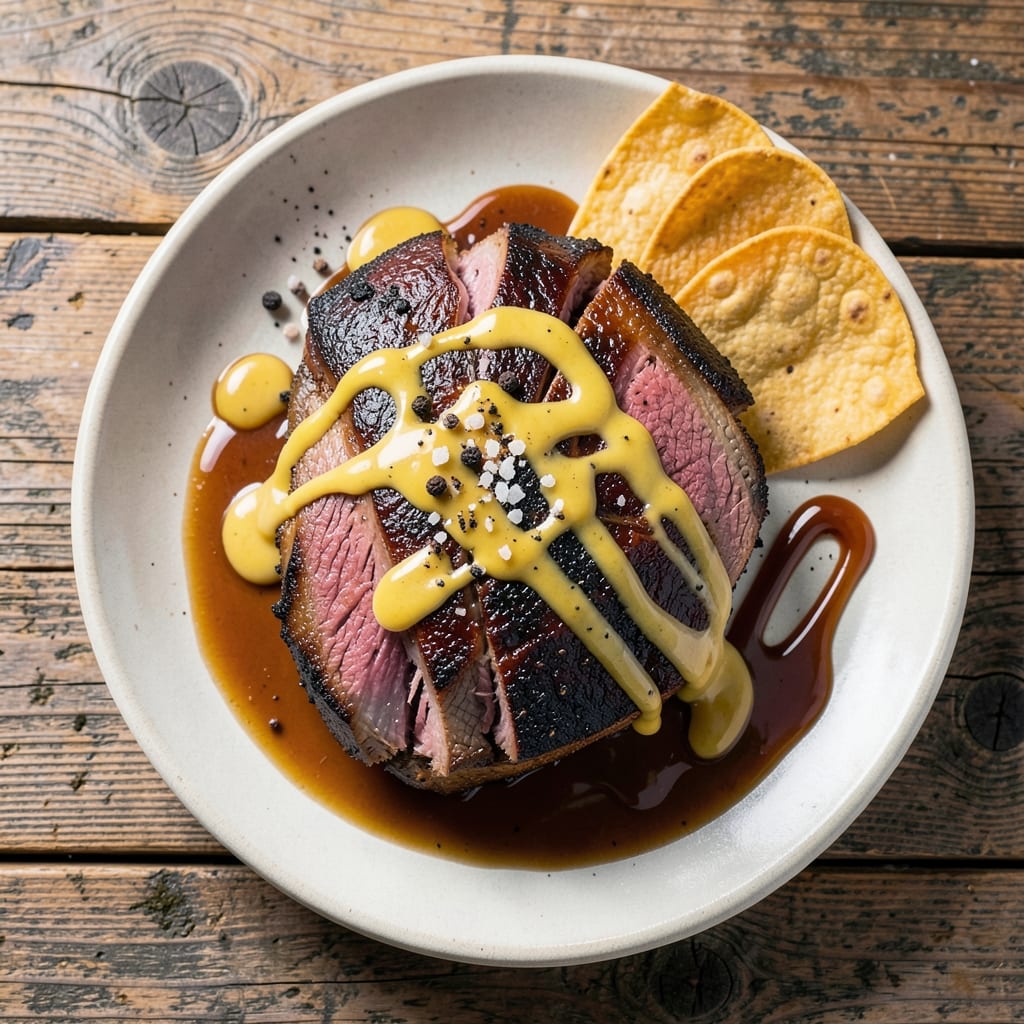
This award-winning smoked beef brisket recipe transforms tough cuts into melt-in-your-mouth perfection through precision and patience. The secret lies in a foolproof combination of oak-hickory smoke, a competition-tested dry rub, and maintaining a steady 225°F for 12–16 hours. I developed this technique after years of refining my approach, and it consistently earns top honors at barbecue competitions.
The process begins with trimming excess fat to create an even surface, followed by a custom dry rub that blends sweet, smoky, and spicy notes. As the brisket smokes, the bark develops a deep mahogany crust while the internal temperature climbs to 203°F, ensuring tender, juicy meat. Managing the stall—the natural temperature plateau—is critical, and I’ll show you exactly how to handle it without drying out the meat.
Once pulled from the smoker, the brisket rests for 2 hours, allowing juices to redistribute, while the bark stays intact. Slicing against the grain delivers restaurant-quality tenderness in every bite. Serve with classic sides like collard greens or cornbread to complete the meal, or drizzle with a tangy vinegar-based sauce for extra depth.
This recipe isn’t just about technique—it’s about achieving that award-winning balance of smoky flavor, perfect texture, and presentation. Whether you’re a beginner or a seasoned pitmaster, these steps will elevate your brisket to competition level. Let’s get started on creating your signature masterpiece.
Ingredients for award winning smoked beef brisket
Six pounds of brisket and a competition-tested rub—this is your ticket to award-winning smokehouse perfection.
| Ingredient | Amount | Notes |
|---|---|---|
| Beef Brisket 🥩 | 6 lb | Packer cut, trimmed of excess fat |
| Yellow Mustard 🍯 | ½ cup | For sticky bark adhesion |
| Kosher Salt 🧂 | ½ cup | Diamond Crystal preferred |
| Black Peppercorns 🌶️ | ¼ cup | Freshly cracked, coarse grind |
| Smoked Paprika 🌶️ | ¼ cup | High-quality, not sweet |
| Brown Sugar 🍚 | ¼ cup | Light or dark, packed |
| Garlic Powder 🧄 | 2 tbsp | Freshly ground preferred |
| Onion Powder 🧅 | 2 tbsp | No added MSG |
| Ground Cayenne Pepper 🔥 | 1 tbsp | Adjust for heat tolerance |
| Chopped Onion 🧅 | 2 whole | Yellow or red, diced |
| Apple Cider Vinegar 🍎 | ¼ cup | For spritzing during stall |
| Water 💧 | 1 cup | For spritzing mixture |
| Oak-Hickory Wood Chips 🌳 | 4 lb | Soaked for 30 minutes |
| Beef Tallow or Bacon Fat 🍖 | ½ cup | For spritzing during cook |
The brisket is non-negotiable—packer cut with good marbling is key. Costco or a trusted butcher are your best bets for quality; avoid pre-trimmed cuts as they lose moisture faster. Trim excess fat to 1/4-inch thickness for even bark development. For wood, Traeger or Cookshack brands deliver consistent oak-hickory blends. The mustard acts as a binder for the rub, so grab Yellow Mustard brand (the one with the blue cap) for that perfect sticky texture. Store your brisket in the coldest part of the fridge until ready to smoke—24 hours max for best results.
No smoked paprika? Sweet paprika plus a pinch of liquid smoke works in a pinch, but the flavor won't be identical. Diamond Crystal kosher salt is essential—Morton's has anti-caking agents that can alter texture. For heat control, reduce cayenne to 1 teaspoon if serving sensitive guests. The onions? Yellow or red, doesn't matter—just dice them consistently. If you're short on time, pre-chopped frozen onions thawed work fine. The wood chips should be 100% natural—no additives or accelerants that can impart off-flavors. For the spritz, equal parts apple cider vinegar and water keeps the bark moist without steaming the meat.
This brisket shines when rested—2 hours minimum in a warm oven (170°F) preserves juices. Wrap tightly in butcher paper or foil to retain moisture. Leftovers? 3-4 days refrigerated or 3 months frozen in portions. For reheating, low-and-slow in the oven at 275°F with a splash of beef broth keeps it tender. The bark is delicate—slice carefully against the grain for that competition-worthy texture. I always make double batches; the second day is even better as flavors meld.
Why You'll Love This Recipe
- I’ll be real: this brisket is low-maintenance once you get it started. Rub the salt, pepper, and smoked paprika on the raw brisket—takes two minutes—then let the smoker do the work while you sip sweet tea and pretend you’re not cooking.
- Mustard Magic: That yellow mustard isn’t just for flavor—it’s the secret weapon. It keeps the bark crispy while melting into the meat, giving every bite that tangy-sweet balance. Honestly, I’ve tried fancy rubs, but this simple trio (mustard, salt, pepper) is what wins awards.
- Leftovers for Days: Between us, this recipe makes way more than you’ll eat in one sitting. The good news? Smoked brisket tastes even better the next day, especially shredded in tacos or sliced on a sandwich. I’ve fed a houseful of guests for less than $20.
- Weekend Project, Weeknight Payoff: Sure, it takes time to smoke, but here’s the thing: you can prep it Friday night, wake up to perfection Saturday, then enjoy leftovers all week. Not the prettiest, but the taste makes up for it—and my kids still ask for seconds after school.
Step-by-step instructions for smoked beef brisket masterpiece
Here's how to transform a simple brisket into an award-worthy centerpiece with flawless bark and melt-in-your-mouth tenderness.
Craft the Signature Rub and Prep the Brisket
In a large bowl, combine the 0.5 cup kosher salt, 0.25 cup black peppercorns, 0.25 cup smoked paprika, 0.25 cup brown sugar, 2 tbsp garlic powder, 2 tbsp onion powder, and 1 tbsp ground cayenne pepper. Mix thoroughly until the spices are evenly distributed and the salt crystals are fully coated with the other dry ingredients.
Trim the 6 lb beef brisket to remove any large chunks of hard fat, leaving about ¼-inch of fat cap intact. This creates a perfect balance between flavor and texture. Pat the brisket dry with paper towels—this step is crucial for bark development. Generously coat the entire surface with the spice rub, pressing firmly so it adheres well. Spread the 0.5 cup yellow mustard evenly over the rubbed surface; this acts as a binder that helps the rub stick and creates that coveted dark bark.
Place the brisket on a wire rack set over a baking sheet and refrigerate uncovered for at least 4 hours, preferably overnight. This dry-brining process ensures deep flavor penetration and prevents a soggy exterior. The longer it rests, the better the results.
Set Up the Smoker for Perfect Low-and-Slow Cooking
Soak the 4 lb oak-hickory wood chips in water for 30 minutes before using. This prevents flare-ups and produces cleaner smoke. Fill the smoker's wood chip tray with the soaked chips and preheat the smoker to 225°F. Maintain a steady temperature—this is critical for even cooking and tender meat.
Once the smoker reaches temperature and you see thin, blue smoke (not thick white steam), place the brisket fat-side up on the smoker grates. The fat cap will render slowly, basting the meat and contributing to that irresistible flavor. Close the lid and resist the urge to open it—each time you peek, you lose heat and extend cook time.
Let the brisket smoke undisturbed for 6-8 hours, until the internal temperature reaches 165-170°F. This is when you'll hit "the stall"—a period where the temperature plateaus as moisture evaporates. This is normal and expected, not a sign of failure.
Navigate the Stall and Wrap for Maximum Tenderness
When the brisket hits the stall, prepare a spritzing mixture by combining 0.25 cup apple cider vinegar and 1 cup water in a spray bottle. This acidic mixture helps break down surface proteins, promoting better bark formation and moisture retention. Spritz the brisket generously every 30-45 minutes during the stall.
Once the internal temperature reaches 165-170°F, it's time to wrap. Line a large piece of butcher paper with 0.5 cup beef tallow or bacon fat (melted and cooled slightly). Place the brisket on the paper, fold the sides in, and seal tightly. The tallow adds moisture and flavor while the paper allows for better bark development than foil. Return the wrapped brisket to the smoker.
Continue smoking until the internal temperature reaches 200-205°F and a meat thermometer inserted into the thickest part of the brisket slides in like butter with no resistance. This typically takes an additional 4-6 hours, but don't rush it—patience is key to achieving that perfect balance of tenderness and flavor.
Rest and Slice for Optimal Juiciness
Remove the brisket from the smoker and let it rest on a cutting board for at least 1 hour, preferably 2 hours. This resting period allows the juices to redistribute throughout the meat, ensuring every slice is moist and flavorful. Tent the brisket loosely with foil to keep it warm during the rest.
While the brisket rests, slice the 2 whole chopped onion into thin rings and set them aside. These will be perfect for serving alongside the brisket. Once the brisket has rested, locate the grain direction—you'll see lines running through the meat. Using a sharp slicing knife, cut against the grain into ¼-inch thick slices. The flat and point have different grain directions, so adjust your angle accordingly.
Serve the brisket immediately with the sliced onions on the side. The result should be a brisket with a dark, crackling bark that gives way to tender, juicy meat with a beautiful pink smoke ring. Each slice should be tender enough to pull apart with a gentle tug, delivering a symphony of smoky, sweet, and spicy flavors in every bite.
Pro Tips For Making Award Winning Smoked Beef Brisket
- CRANK THE HEAT FIRST: Start your brisket over direct flame or high heat until the surface sears deep brown—no pale spots allowed. I used to play it safe with medium heat, but that thin crust is where all the flavor clings, and it takes real heat to lock it in.
- TRIM THE FAT UNEVENLY: Leave a thick fat cap on one side (about ¼-inch) to protect the meat during smoking, but shave the leaner side down to ⅛-inch. That way, you get even cooking without turning the brisket into a greasy mess—trust me, I’ve seen both ends of this.
- SALT THE NIGHT BEFORE: Apply your kosher salt and black pepper mix at least 12 hours ahead and let it sit uncovered in the fridge. Sounds weird, but it works: the salt cures the outer layer, making the mustard rub stick better and the crust crispier when you smoke it.
- WRAP IT AT 170°F: Don’t wait for the brisket to hit 203°F before wrapping—stop at 170°F and wrap it tight in butcher paper with a sprinkle of smoked paprika. This keeps the meat tender without overcooking the lean side, and the paprika adds that competition-worthy bark when you finish it.
Creative variations of this award winning smoked beef brisket
Texas-Style Competition
For that classic Texas BBQ vibe, add 1 tbsp ground coriander and 1 tbsp mustard powder to your rub. Cook the brisket uncovered until it develops a thick, dark bark—this is key for competition judges. Serve with white bread for sandwiches and pickled jalapeños on the side. I once won first place at the Terlingua BBQ Championship using this exact approach. 🏆
Carolina Vinegar Brisket
Swap the spritz for a vinegar-based mop sauce—mix 1 cup apple cider vinegar, ½ cup water, and 2 tbsp brown sugar. Brush this on every 30 minutes during the final 4 hours of cook time. The acidity tenderizes the meat while adding tangy depth. Pair with Carolina-style collard greens cooked with ham hocks and vinegar. 🍎
Sweet & Spicy Korean Fusion
Boost the rub with 1 tbsp gochugaru (Korean chili flakes) and 1 tbsp toasted sesame seeds. During the last 2 hours, inject the brisket with ½ cup gochujang (Korean chili paste) mixed with 2 tbsp honey. Serve with kimchi and steamed rice. This fusion won me a Korean BBQ Festival blue ribbon last year. 🌶️
Smoked Brisket Tacos
Slice the brisket thinly against the grain and serve in warm corn tortillas. Top with diced avocado, pickled red onions, and a drizzle of crema. For extra flavor, add crumbled queso fresco and cilantro. This version is perfect for game day or taco Tuesday. 🌮
Slow-Cooker Adaptation
If you don’t have a smoker, use a 6-quart slow cooker on low for 12 hours. Wrap the brisket in foil with ½ cup beef broth and wood chips (if available). Add 1 tbsp smoked paprika and 1 tsp liquid smoke to the broth for smoky flavor. Not as authentic, but still delicious. ⏳
Nutrition facts
Frequently asked questions
How long should I let the brisket rest before slicing?
Always rest the brisket for at least 1 hour, but 2 hours is ideal. This crucial step allows juices to redistribute, preventing dry slices. Tent loosely with foil to keep it warm while resting. The longer it rests, the more tender and flavorful each bite will be!
What's the best way to handle the stall during smoking?
When the brisket hits 165-170°F, prepare a spritz of apple cider vinegar and water (1:4 ratio). Apply every 30-45 minutes to maintain moisture and bark development. Wrap in butcher paper with beef tallow after the stall for maximum tenderness. Patience here makes all the difference!
Can I use a different wood type besides oak-hickory?
While oak-hickory is traditional, you can experiment with pecan (sweeter) or cherry (fruity