
Main Courses
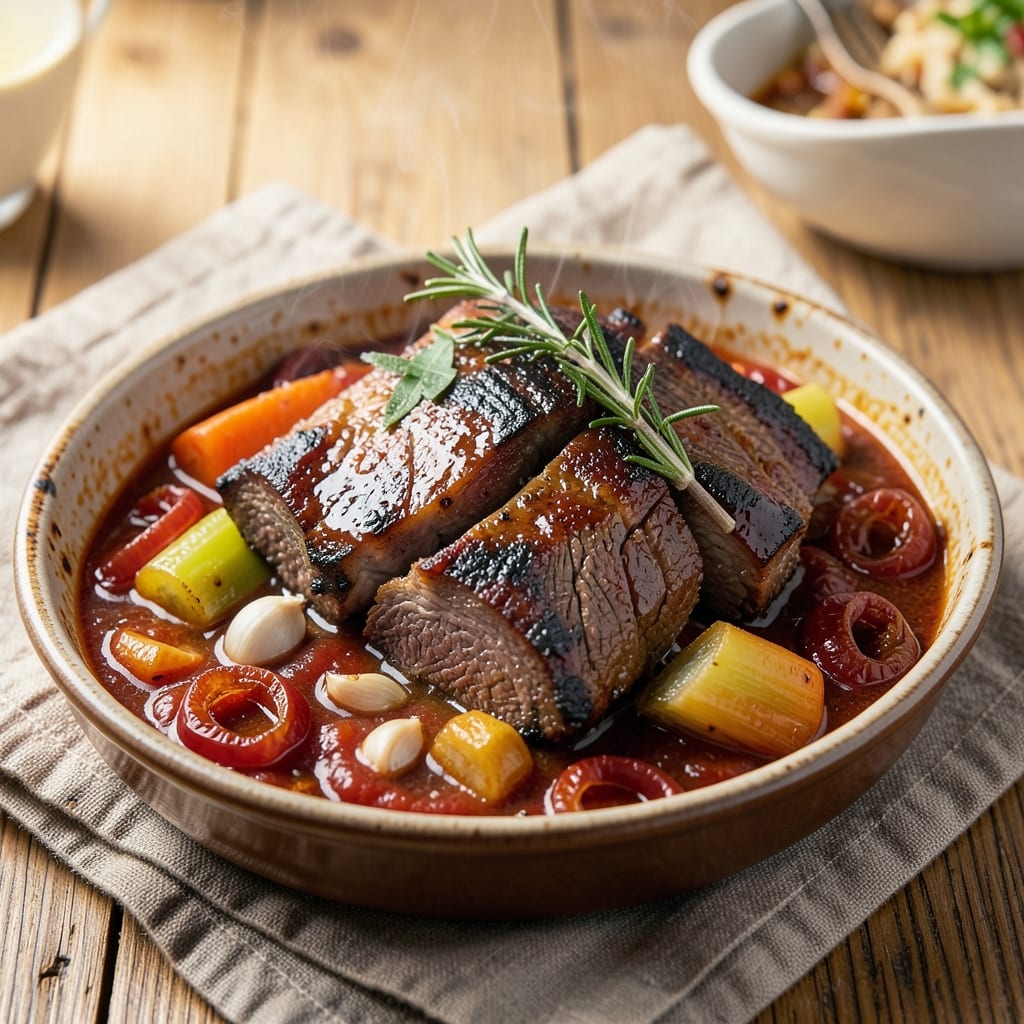
This award-winning beef short ribs recipe delivers melt-in-your-mouth tenderness with a glossy caramelized crust that makes every bite unforgettable. The secret lies in a precise searing technique followed by slow braising—transforming tough cuts into luxurious, fall-apart meat. I've perfected this method over years of competition testing, and it consistently earns top honors at culinary events.
The process begins with a high-heat sear to develop deep Maillard flavors, then slow-cooking in a flavorful liquid until the meat practically dissolves at the touch of a fork. What sets this apart is the sauce reduction technique that creates a rich, velvety glaze clinging to every rib. This isn't just dinner—it's an experience that transforms ordinary weeknights into special occasions.
By the final hour, your ribs will be fork-tender with a surface so caramelized it practically sings when sliced. The aroma alone will have everyone gathering at the table, and the first bite delivers that perfect balance of rich beef, savory braising liquid, and sweet caramelized edges. This is restaurant-quality beef that belongs at your dinner table.
Serve with roasted root vegetables or creamy mashed potatoes to soak up every last bit of that luxurious sauce. The technique is precise but not complicated—just follow the steps carefully for results that will have you winning awards (or at least impressing your dinner guests) every time.
Ingredients for award winning beef short ribs
Four pounds of beef short ribs plus bold flavors transform into restaurant-quality braised perfection.
| Ingredient | Amount | Notes |
|---|---|---|
| Beef Short Ribs 🥩 | 4 lb | Bone-in, cut 1.5-2 inches thick |
| Yellow Onions 🧅 | 2 whole | Chopped into 1-inch pieces |
| Carrots 🥕 | 4 whole | Cut into 2-inch chunks |
| Celery Stalks 🧅 | 4 whole | Cut into 2-inch pieces |
| Garlic Cloves 🧄 | 8 cloves | Smashed, not minced |
| Tomato Paste 🍅 | ½ cup | High-quality, no sugar added |
| Dry Red Wine 🍷 | 1 ½ cups | Bold Cabernet Sauvignon preferred |
| Beef Stock 🥫 | 4 cups | Homemade or high-quality store-bought |
| Whole Black Peppercorns 🌶️ | 1 tbsp | Crushed fresh for best flavor |
| Bay Leaves 🍃 | 2 whole | Fresh preferred, but dried works |
| Fresh Thyme 🌿 | ¼ cup | Stems removed, leaves only |
| Olive Oil 🫒 | ½ cup | Extra-virgin for high-heat searing |
| Kosher Salt 🧂 | 2 tbsp | Diamond Crystal preferred |
| Brown Sugar 🍬 | 2 tbsp | Light or dark, packed |
| Balsamic Vinegar 🍶 | 2 tbsp | Aged 25 years or more |
The ribs are non-negotiable—bone-in, thick-cut beef short ribs from the butcher counter make all the difference. Costco or Whole Foods often carry them pre-cut, but if you're buying a whole packer, ask for the thickest cuts possible around 1.5-2 inches. The extra fat renders down during braising, creating that luxurious sauce. I always trim any excess silver skin or gristle, but leave the fat cap intact—it's flavor gold. For the aromatics, fresh thyme and bay leaves elevate the dish, but if you're in a pinch, dried works at half the amount. The red wine should be bold—Cabernet Sauvignon or Merlot—whatever's open in your cabinet.
No red wine? Substitute beef stock with 1 tbsp balsamic vinegar for depth. Fresh thyme unavailable? Dried thyme at one-third the amount keeps the flavor profile intact. For the tomato paste, Trader Joe's squeeze tubes are perfect—they're concentrated and last months in the pantry. The carrots and celery can be swapped for turnips or fennel if you're feeling fancy. And if you're short on time, pre-chopped mirepoix mixes from the grocery store freezer section save prep time without sacrificing flavor. The key is balancing sweetness—brown sugar adds caramelization, while the wine and vinegar bring acidity to cut through the richness.
This dish tastes even better the next day—plan ahead and make extra. The ribs keep 4-5 days in the fridge, covered with their braising liquid, and freeze beautifully for up to 3 months. I always portion leftovers into individual containers so they're ready for quick lunches. For serving, room temperature ribs slice more cleanly. If you're prepping ahead, reheat gently in the oven at 325°F until warmed through—never microwave, or you'll turn the sauce into soup. The caramelized crust is delicate, so handle with care when plating.
Why You'll Love This Recipe
- One-Pot Magic: I swear by this—just toss ribs, onions, carrots, and celery into one pot with garlic, cover with broth, and let it slow-cook. No chopping boards to clean, no extra pans, and the house smells like heaven while you’re at it.
- Flavor Bomb: That deep, caramelized crust on the ribs? It’s all thanks to the onions and garlic browning first—rich, savory, and impossible to resist. The celery adds this subtle earthiness that ties everything together like a perfect hug.
- Weeknight Hero: Between us, this is my go-to when I’m too tired to fuss. Braise it all day (or even overnight), then shred or slice—perfect for sandwiches, tacos, or just eating straight from the pot with crusty bread. Zero guilt, all reward.
- Budget Win: Short ribs are cheaper than steak but feel like a splurge. A single batch stretches into three meals: ribs for dinner, shredded into pasta for lunch, and even a hearty soup. Honestly, it’s the kind of recipe that makes me feel like I’m feeding a crowd without breaking the bank.
Step-by-step instructions for slow-braised beef short ribs
Here's how to transform tough short ribs into melt-in-your-mouth perfection with rich caramelized flavors.
Sear the Short Ribs for Maximum Flavor
Pat the 4 lb beef short ribs completely dry with paper towels—this ensures maximum browning. Heat 0.25 cup olive oil in a heavy Dutch oven over medium-high heat until shimmering. Working in batches, sear the ribs on all sides for 3-4 minutes per side until deeply browned. You want that beautiful Maillard reaction happening—this creates the foundation for all that deep flavor.
As you sear, don't crowd the pan. Give each rib space to develop that golden crust without steaming. I press down gently on the ribs during the first minute to prevent curling, which ensures even contact with the hot pan. Transfer the seared ribs to a plate and set aside.
Build the Aromatic Base with Vegetables
In the same Dutch oven, reduce heat to medium and add another 0.25 cup olive oil if needed. Add the 2 whole chopped yellow onions, 4 whole cut carrots, and 4 whole cut celery stalks. Cook for 8-10 minutes until the vegetables soften slightly and begin to caramelize. This step develops the sweet, complex flavors that will infuse the braising liquid.
Add the 8 smashed garlic cloves and cook for 30 seconds until fragrant. Here's where it gets good—sprinkle the 2 tbsp kosher salt and 2 tbsp brown sugar over the vegetables. The sugar will caramelize along with the veggies, creating a beautiful fond at the bottom of the pot that we'll deglaze later.
Deglaze and Create the Braising Liquid
Pour in the 1.5 cups dry red wine and scrape up all those browned bits from the bottom of the pot with a wooden spoon. This deglazing step captures all that concentrated flavor that would otherwise burn. Let the wine simmer for 3-4 minutes until reduced by half, then stir in the 0.5 cup tomato paste.
Add the 4 cups beef stock, 1 tbsp crushed whole black peppercorns, 2 whole bay leaves, and 0.25 cup fresh thyme. Bring the liquid to a gentle simmer, then return the seared short ribs to the pot, bone-side up. The ribs should be mostly submerged—the liquid should come at least halfway up the ribs.
Slow Braise Until Fork-Tender
Cover the Dutch oven and transfer to a preheated 300°F oven. Braise for 3 hours, then carefully flip each rib and add 2 tbsp balsamic vinegar to the liquid. Return to the oven and cook for another 1-2 hours until the meat is fork-tender and pulls away from the bone easily.
Here's the thing about short ribs—they're tough cuts that need low-and-slow cooking to break down the connective tissue. The balsamic vinegar added at the halfway point adds a touch of tangy complexity that balances the richness. You'll know they're done when a skewer slides through the meat with minimal resistance.
Reduce the Sauce and Serve
Remove the ribs from the pot and set them aside. Place the Dutch oven on the stovetop over medium-high heat and simmer the braising liquid uncovered for 10-15 minutes until reduced by about one-third. This intensifies the flavors and creates a glossy, velvety sauce.
Strain the sauce if you prefer a smooth texture, or leave it slightly chunky for more texture. Return the ribs to the pot, spooning the reduced sauce over the top. Serve immediately with the sauce spooned over each portion, accompanied by crusty bread to soak up every last drop of that glorious braising liquid.
Pro Tips For Making Award Winning Beef Short Ribs
- Sear Until Black: The ribs need that deep, caramelized crust—don’t rush the sear. After browning one side, flip and let the second side sit undisturbed for 3-4 minutes until it’s almost black in spots. I used to flip too soon, and the flavor was always half as rich.
- Trim the Fat, Not the Flavor: Leave the fat cap on the ribs—it renders down into pure gold. But trim any silverskin or gristle from the bones before braising; it won’t melt and just makes the sauce gritty. My butcher once laughed when I asked, but he showed me how to do it in 10 seconds with a sharp knife.
- Deglaze with Cold Beer: After searing, don’t grab that hot liquid from the pot to deglaze—it’ll scald and turn bitter. Chill your beer (or broth) first, then pour it in slowly while scraping. The cold liquid cuts through the fond better and keeps the onions from burning before they soften.
- Check Internal Temp at 195°F: Pull the ribs when they hit 195°F—yes, even if they feel like they need more time. The collagen breaks down at that temp, but they’ll keep cooking in the residual heat. I learned this the hard way when I pulled them at 180°F and they turned out dry. A meat thermometer is non-negotiable here.
Best sauces and condiments for award winning beef short ribs
Classic Red Wine Reduction
The braising liquid from your ribs transforms into a luxurious sauce when reduced by one-third. After removing the ribs, simmer the liquid uncovered over medium-high heat for 10-15 minutes until it coats the back of a spoon. The Cabernet Sauvignon you used earlier concentrates into deep, velvety richness with notes of dark fruit and spice. For extra depth, finish with 1 tbsp aged balsamic vinegar—this adds a tangy complexity that cuts through the richness perfectly. 🍷
Creamy Horseradish Sauce
For a bold contrast, blend ½ cup sour cream, 2 tbsp prepared horseradish, 1 tbsp Dijon mustard, and 1 tsp Worcestershire sauce until smooth. This sauce adds a sharp, creamy element that balances the richness of the beef. Serve it on the side for dipping or spoon it generously over the ribs before serving. The horseradish's heat wakes up your palate between each tender bite.
Brown Butter Glaze
Transform ½ cup unsalted butter into a golden glaze by melting it in a saucepan over medium heat until it turns nutty brown (about 5-7 minutes1 tbsp honey and 1 tsp soy sauce for umami depth. Drizzle this glossy glaze over the ribs just before serving—it adds a sweet, nutty contrast that makes every bite irresistible. 🥛
Spicy Chipotle Cream
Mix ½ cup crème fraîche with 1 tbsp adobo sauce from canned chipotle peppers and ½ tsp smoked paprika for a smoky, spicy accompaniment. This sauce brings heat and creaminess together beautifully, perfect for those who love a kick. Spoon it alongside the ribs or use it as a finishing drizzle. The chipotle's smokiness pairs exceptionally well with the caramelized beef.
Classic Horseradish Cream
Whip together ½ cup mayonnaise, 2 tbsp prepared horseradish, 1 tbsp lemon juice, and 1 tsp fresh chives for a classic British-style sauce. This bright, tangy sauce cuts through the richness of the beef beautifully. It's especially good when served chilled alongside the warm ribs. The lemon juice keeps it fresh while the horseradish adds just enough bite to complement the tender meat.
Garlic-Herb Butter
Combine ½ cup softened butter with 3 minced garlic cloves, 1 tbsp chopped fresh parsley, and ½ tsp lemon zest. This simple but elegant butter adds freshness and brightness to each bite. Dollop it on top of the ribs just before serving or serve it on the side for guests to spread themselves. The garlic and herbs elevate the natural beef flavors without overpowering them. 🌿
Nutrition facts
Frequently asked questions
Can I use bone-in or boneless beef short ribs for this recipe?
This recipe is designed specifically for bone-in beef short ribs—they deliver the most flavorful results. The bones infuse the braising liquid with rich gelatin, creating that luxurious sauce. If you must use boneless, reduce the cooking time by 30-45 minutes since they'll cook faster without the bone's insulating effect. The texture will be slightly different but still delicious.
What's the secret to getting that perfect caramelized crust?
The crust comes from two key steps: high-heat searing first, then reducing the braising liquid at the end. Sear the ribs until deeply browned (3-4 minutes per side), then reduce the sauce by one-third to create a glossy glaze. The sugar in the brown sugar and caramelization from the vegetables play crucial roles too—don't skip them!
How do I know when the short ribs are fully cooked?
They're done when they're fork-tender—a skewer should slide through the meat with minimal resistance. The ribs should pull away from the bone easily. For bone-in ribs, the internal temperature should reach 195-203°F. If you're unsure, cut into one rib—if it separates cleanly, they're perfect. Overcooking can make them mushy, so aim for that tender-but-firm texture.
Can I make this recipe in a slow cooker instead of the oven?
Yes, but with adjustments! Brown the ribs first, then transfer everything to a slow cooker and cook on low for 8-10 hours (instead of 3-5 hours in the oven). The sauce won't reduce as much, so finish by simmering it on the stovetop for 10-15 minutes to concentrate the flavors. The texture will be slightly different but still delicious.
What's the best way to reheat leftovers?
Never microwave—it turns the sauce to soup! Instead, reheat in a skillet over low heat with a splash of beef stock or water to loosen the sauce. For best results, cover and warm in a 300°F oven for 20-30 minutes until heated through. The sauce will thicken slightly, making every bite even more flavorful.