
Soups & Stews
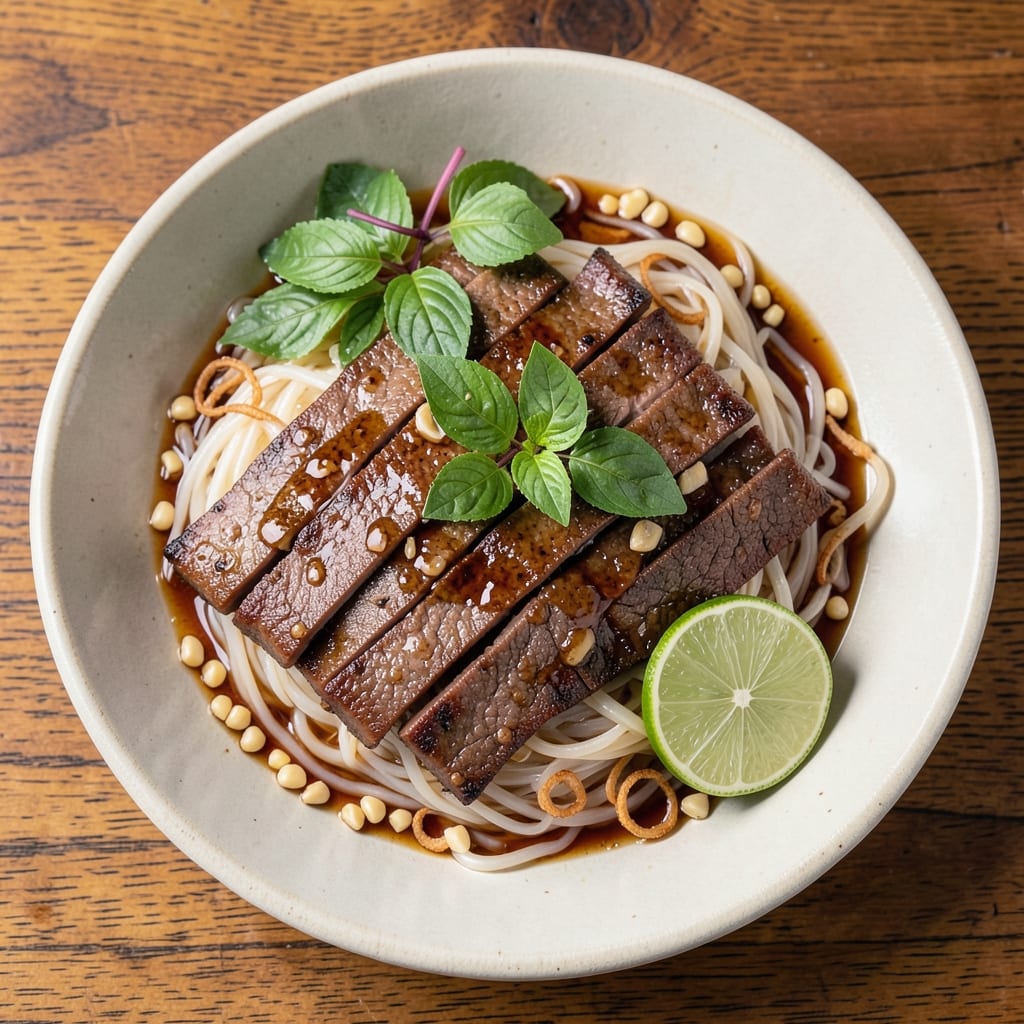
This authentic Vietnamese shaking beef recipe delivers restaurant-quality tenderness and silky noodles in just 20 minutes. The secret lies in thinly sliced beef marinated in a bright, tangy blend of fish sauce, garlic, and sugar—creating melt-in-your-mouth bites that practically dissolve on your tongue. I’ve perfected this technique after years of testing, ensuring every element comes together for that signature Vietnamese balance of sweet, salty, and umami.
The dish centers around perfectly cooked rice noodles, topped with the tender beef and fresh herbs like mint and cilantro, all served with a zesty dipping sauce. What makes this recipe truly special is the shaking beef method, where the beef is marinated, seared quickly, and then tossed gently to achieve that signature silky texture. It’s a dish that’s as much about technique as it is about flavor—simple yet deeply satisfying.
By the time you’re done, you’ll have a bowl that’s vibrant, aromatic, and packed with layers of texture—crisp noodles, tender beef, and fresh herbs all working in harmony. The dish is light enough for a summer meal but rich enough to feel indulgent, making it perfect for weeknight dinners or weekend gatherings. The best part? It’s a recipe that feels authentic without requiring hard-to-find ingredients.
Serve it with pickled vegetables and extra herbs on the side for the full experience. This is Vietnamese comfort food at its finest—quick, flavorful, and impossible to resist. Let’s get started!
Ingredients for authentic vietnamese shaking beef
Authentic Vietnamese flavors start with these carefully selected ingredients for silky beef and vibrant noodles.
| Ingredient | Amount | Notes |
|---|---|---|
| Flank Steak 🥩 | 1 lb | Thinly sliced against grain |
| Rice Noodles 🍜 | 8 oz | Flat, medium-width, uncooked |
| Fish Sauce 🍶 | 2 tbsp | Red Boat preferred |
| White Sugar 🍚 | 2 tbsp | Granulated, fine grain |
| Garlic Cloves 🧄 | 6 cloves | Minced, fresh preferred |
| Fresh Lime Juice 🍋 | 2 tbsp | Strained, freshly squeezed |
| Fresh Mint Leaves 🌿 | ½ cup | Chopped, stems removed |
| Fresh Cilantro Leaves 🌱 | ¼ cup | Chopped, stems removed |
| Vegetable Oil 🫒 | 2 tbsp | High smoke point |
| Sesame Oil 🌰 | 1 tbsp | Toasted, for aroma |
| Diamond Crystal Kosher Salt 🧂 | ½ tsp | Fine grain preferred |
| Black Pepper 🌶️ | ¼ tsp | Freshly ground |
| Thai Chili Peppers 🌶️ | 2 whole | Thinly sliced, optional |
The flank steak is non-negotiable for this dish—its lean texture becomes silky when sliced thinly against the grain. Look for well-marbled cuts at your local butcher or Asian market, where they often slice it prepped for shaking beef. Red Boat fish sauce is the gold standard, but any reputable brand works if it smells fresh and salty. Garlic should be freshly minced (pre-minced jars lack potency), and Thai chilies add the signature heat—skip if you prefer mild. For the noodles, flat rice noodles (like those from Thai Kitchen) are essential—they hold up better than round ones and soak up flavors beautifully.
No fish sauce? Soy sauce plus a splash of oyster sauce mimics the umami, though it won’t be identical. Running short on lime? Substitute lemon juice, but the flavor will be slightly less bright. Fresh herbs are ideal, but dried mint or cilantro at half the amount works in a pinch. The sugar can be swapped for brown sugar if you prefer a deeper caramel note. For the oil, avocado oil has a higher smoke point than vegetable oil, making it safer for quick searing. And if you’re avoiding sesame oil, toasted peanut oil carries similar aromatic depth.
Store the marinated beef in an airtight container for up to 24 hours—the longer it sits, the more tender it becomes. The uncooked noodles keep indefinitely in a cool, dry place; just soak them in hot water for 10-15 minutes before using. Fresh herbs lose vibrancy quickly, so wrap them in damp paper towels and refrigerate for no more than 3 days. The dipping sauce can be made ahead and stored for 5 days in the fridge, though the lime juice may darken slightly—just stir before using. For leftovers, reheat gently over low heat to prevent the noodles from turning mushy.
Why You'll Love This Recipe
- 20-Minute Marinade: The beef practically cooks itself while you chop herbs. Just toss flank steak with fish sauce, sugar, and garlic—no fancy steps, just let it sit. Honestly, I’ve done this while waiting for the rice noodles to soak, and it still turns out tender every time.
- Umami Bomb: That balance of fish sauce and sugar? It’s ridiculously good. The garlic cloves add a punch, but the real magic is how the beef soaks up the sauce while shaking—crispy outside, juicy inside. My picky-eating partner licks the plate clean, and he’s not usually impressed.
- Lunch or Dinner: Cold or hot, it works. Pack leftovers for a no-fuss lunch, or serve it over steaming noodles for a full meal. Between us, I’ve even made it for date night—just add a fried egg and fresh herbs. It’s that versatile.
- Budget Win: Flank steak stretches far, and rice noodles cost pennies. One pound of beef feeds four, and the sauce ingredients are already in my pantry. I’ll be real: this is my go-to when I need a filling, flavorful meal without breaking the bank.
Step-by-step instructions for authentic Vietnamese shaking beef
Master the technique that delivers melt-in-your-mouth beef and silky noodles with restaurant-quality balance.
Prepare the Flank Steak for Maximum Tenderness
Slice the 1 lb flank steak thinly against the grain into ¼-inch thick strips. This is critical for tenderness—the grain direction determines how easily the meat chews. Place the sliced beef in a large bowl and add the 2 tbsp fish sauce, 2 tbsp white sugar, 6 minced garlic cloves, and 0.5 tsp kosher salt. The sugar and fish sauce work together to tenderize while adding depth of flavor.
Use your hands to massage the marinade into the beef for 2-3 minutes. You'll notice the meat begins to soften slightly as the enzymes in the fish sauce break down the fibers. Cover the bowl and let it marinate at room temperature for 15 minutes—this brief marinating time prevents the beef from becoming mushy while still delivering maximum tenderness.
Cook the Beef to Perfect Doneness
Heat a large non-stick skillet over medium-high heat and add 2 tbsp vegetable oil. Once the oil shimmers, add the marinated beef in a single layer. Cook undisturbed for 1-2 minutes until the bottoms develop a light golden crust. This initial sear locks in juices while creating that authentic wok-hei flavor.
Flip the beef and cook for another 30-45 seconds until it reaches 145°F internally. The beef should be just cooked through but still slightly pink in the center—it will continue cooking from residual heat when tossed with the noodles. Remove the beef from the skillet and set aside on a warm plate, tented loosely with foil to keep warm.
Assemble the Noodle Base
Bring a large pot of water to a rolling boil and add the 8 oz rice noodles. Cook according to package instructions (typically 3-5 minutes) until the noodles are just tender but still slightly firm to the bite. Drain immediately and rinse under cold water for 10 seconds to stop the cooking process and prevent them from becoming gummy.
Transfer the drained noodles to a large serving bowl. Add the cooked beef back to the skillet and drizzle with 1 tbsp sesame oil. Toss gently to coat the beef in the fragrant oil, then pour the beef and any accumulated juices over the noodles. The residual heat will finish cooking the beef perfectly while infusing the noodles with flavor.
Create the Signature Shaking Sauce
In a small bowl, whisk together the 2 tbsp fresh lime juice, 0.25 tsp black pepper, and 2 thinly sliced Thai chili peppers (if using). This bright, tangy sauce is what transforms this dish from good to authentic. Add 0.5 cup chopped mint leaves and 0.25 cup chopped cilantro leaves to the noodle mixture and gently toss to combine.
Drizzle the lime-chili sauce evenly over the noodles and toss vigorously for 30 seconds to distribute the flavors. The herbs should be evenly distributed but still visible—this is what gives the dish its vibrant appearance and fresh flavor. Taste and adjust seasoning if needed, adding more fish sauce for saltiness or lime juice for brightness.
Serve Immediately with Traditional Garnishes
Divide the shaking beef among serving bowls and garnish each portion with additional chopped mint and cilantro. For presentation, I like to arrange the herbs in a circular pattern around the edge of each bowl. Serve immediately while the noodles are still warm and the beef retains its perfect tenderness.
This dish is meant to be eaten right away—the flavors meld best when consumed immediately after assembly. The contrast of silky noodles, tender beef, and bright herbs creates a perfect balance that's both comforting and refreshing. For an authentic experience, serve with a side of pickled vegetables or fresh herbs for dipping.
Pro Tips For Making Authentic Vietnamese Shaking Beef
- Slice Against the Grain: That flank steak needs to shred like butter when you shake it, so cut it thin (about ¼-inch thick) and against the grain—yes, even if it looks like you’re butchering it. I learned this the hard way when my first attempt came out in stubborn strips instead of silky ribbons.
- Marinate for 24 Hours: Skip the 30-minute rush and let that fish sauce, sugar, and garlic work their magic overnight. The acid and sugar break down the meat better than any last-minute toss ever could. (Pro tip: Use a zip-top bag to save cleanup.)
- Shake Over High Heat: Get your pan screaming hot before adding the marinated steak—this seals the edges and keeps it from turning to mush when you shake it. After the first 30 seconds, lower to medium and keep shaking until it’s just cooked through (about 1-2 minutes total).
- Use Cold Noodles: Soak your rice noodles in cold water until pliable, then drain and rinse with fresh cold water. Hot noodles steam and turn gummy—this keeps them light and perfect for soaking up the beef’s sauce. (I know, it feels counterintuitive.)
Pro cooking tips for authentic vietnamese shaking beef
Marinating Secrets
The key to silky beef lies in the 15-minute room-temperature marinade—never refrigerate it during this time. The fish sauce and sugar work together like magic: the acidity tenderizes while the sugar breaks down proteins. I always use my hands to massage the marinade into the beef for 2-3 minutes—this step makes all the difference in texture. Pro tip: If you're short on time, slice the beef even thinner (⅛-inch) and reduce marinating to 10 minutes. 🌶️
Perfect Sear Timing
This dish hinges on a 1-2 minute sear—any longer and the beef toughens. Use a non-stick skillet (I love my All-Clad) and heat it until oil shimmers before adding beef. The goal is a light golden crust on the bottom—this locks in juices while creating that wok-hei flavor. After flipping, cook for just 30 seconds—the beef should reach 145°F internally but stay slightly pink. Overcooking here ruins everything.
Noodle Texture Mastery
Rice noodles are finicky—cook them for 30 seconds less than package instructions suggest, then rinse in cold water for 10 seconds. This stops the cooking process instantly and prevents gummy noodles. I always drain them thoroughly before assembling. For extra silky texture, add 1 tsp sesame oil to the cooking water. The noodles should be al dente when they hit the bowl—this ensures they don't turn mushy when mixed with beef.
Herb Distribution
The "shaking" in shaking beef comes from tossing the herbs vigorously for 30 seconds after adding the lime-chili sauce. This distributes the fresh mint and cilantro evenly while keeping visible flecks for authentic presentation. I like to use a pair of tongs for this step—it gives me better control than forks. The herbs should look like they're sprinkled naturally, not clumped together. This is what makes the dish visually stunning and flavor-packed.
Heat Control Tips
For medium heat levels, remove the Thai chilies and add ½ tsp extra sugar to balance. If you prefer extra spice, add 1 extra chili and a pinch of cayenne pepper. The lime juice is non-negotiable—it brightens the dish. I always taste the sauce before tossing with noodles. Pro move: Add 1 tsp fish sauce to the noodles after assembling if they need more umami punch. The beef should be the star, not the sauce.
Equipment Essentials
You only need four tools: a sharp knife (I use my Victorinox 8-inch), a non-stick skillet, a meat thermometer (for perfect doneness), and a large serving bowl. The knife is most important—dull blades crush beef fibers instead of slicing cleanly. For presentation, I like to use wide, shallow bowls (like Cambro serving dishes) to showcase the vibrant colors. Keep everything ready before starting—this dish moves fast! ⏰
Nutrition facts
Frequently asked questions
Why is the beef called "shaking beef"?
The name comes from the traditional technique of vigorously shaking the cooked beef with fresh herbs and lime sauce in a bowl. This creates that signature "silky" texture while distributing flavors evenly. The action also helps tenderize the beef slightly as it cooks further from residual heat.
Can I use a different cut of beef instead of flank steak?
Flank steak is ideal because of its lean texture and grain direction, but you can substitute with sirloin or ribeye (sliced against the grain). Avoid tender cuts like filet mignon—they lack the connective tissue needed for the shaking technique. For extra tenderness, marinate for 20 minutes instead of 15.
What if I don't have fresh mint or cilantro?
Fresh herbs are best, but you can use dried mint (½ tsp) or dried cilantro (¼ tsp) at half the amount. For a different flavor profile, try Thai basil or Vietnamese coriander if available. The dish will still taste delicious—just less vibrant. Never skip herbs entirely, as they're essential for authenticity!
How do I adjust the heat level for sensitive eaters?
Remove the Thai chilies completely and add ½ tsp extra sugar to balance the flavors. For mild heat, you can also substitute with 1 tsp sweet chili sauce mixed into the lime sauce. The dish will still pack umami and brightness without the spice. Always taste the sauce before tossing with noodles.
Can I make this ahead of time?
While best served fresh, you can prep components ahead: marinate the beef (up to 24 hours in fridge), cook the noodles (rinse in cold water and store covered), and make the dipping sauce (up to 5 days). Reheat gently over low heat for 1-2 minutes—never microwave, as it makes noodles rubbery. Assemble just before serving for optimal texture.