
Main Courses
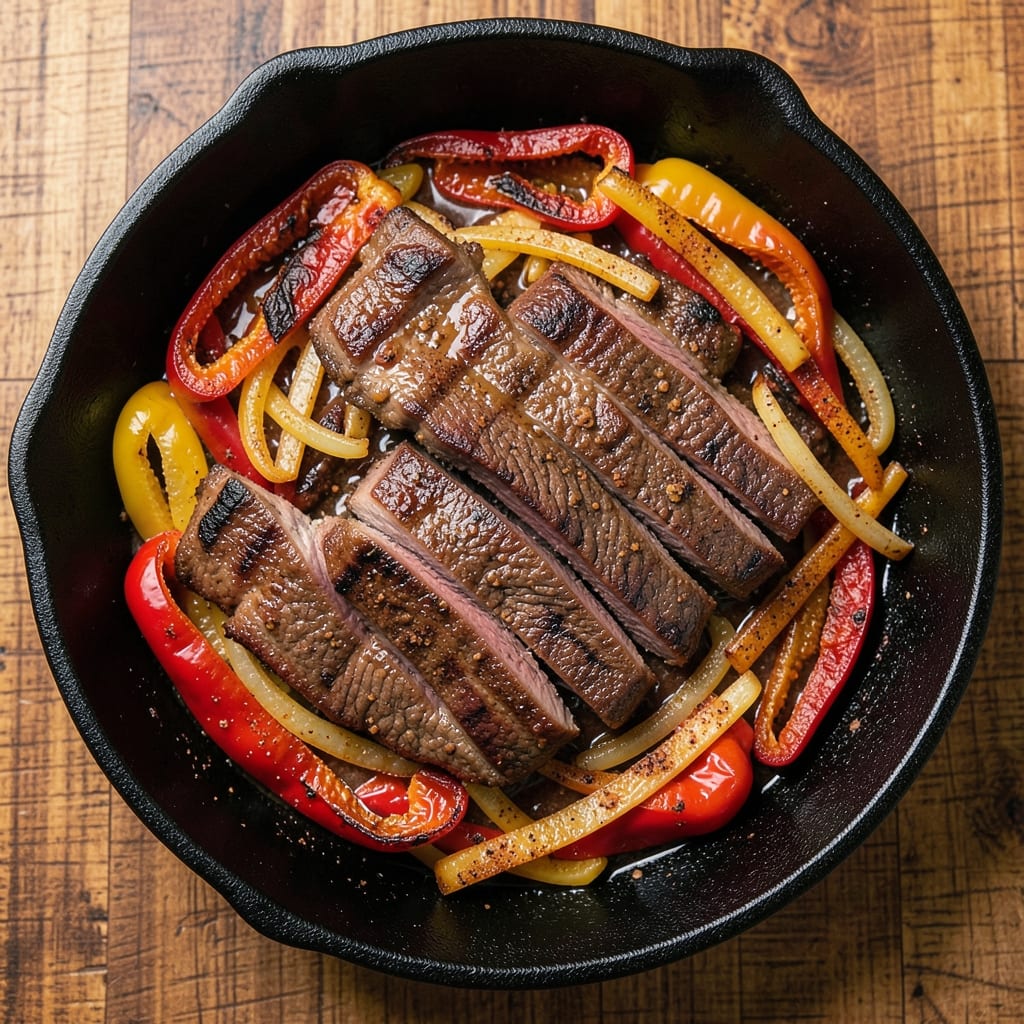
This authentic Mexican beef fajita recipe brings the vibrant flavors of Mexico straight to your kitchen with perfectly marinated skirt steak and charred bell peppers. The secret lies in a bold blend of cumin, chili powder, and lime juice that tenderizes the meat while building layers of smoky, spicy depth. I've perfected this technique over years of testing, ensuring every bite delivers that restaurant-quality sizzle at home.
The magic starts with marinating the beef for at least 4 hours—preferably overnight—so the flavors penetrate deeply. Then, quick searing in a screaming-hot skillet creates those signature char marks while keeping the meat juicy inside. Fresh bell peppers roast alongside the beef, their edges turning blackened and sweet, a classic fajita hallmark. This method transforms tough cuts into melt-in-your-mouth slices that practically fall apart.
What you'll end up with is a plate of sizzling skirt steak and charred peppers that's ready to be wrapped in warm tortillas with all your favorite toppings—crumbled queso fresco, diced avocado, and a dollop of sour cream. The aroma alone will have everyone gathering around the table, and the first bite delivers that perfect balance of smoky, spicy, and tangy flavors that define authentic Mexican street food.
Serve with a side of warm corn tortillas, fresh pico de gallo, and lime wedges for squeezing. This recipe scales beautifully for parties or meal prep—just store the cooked components separately and assemble when ready. The flavors only get better as they sit, making it perfect for feeding a crowd or prepping ahead for busy nights.
Ingredients for authentic mexican beef fajita
Skirt steak, charred peppers, and bold spices—this is the core of authentic Mexican fajitas.
| Ingredient | Amount | Notes |
|---|---|---|
| Skirt Steak 🥩 | 1 ½ lb | Thinly sliced against the grain |
| Red Bell Peppers 🍅 | 2 whole | Cut into 1-inch strips |
| Yellow Bell Peppers 🍅 | 1 whole | Cut into 1-inch strips |
| Yellow Onion 🧅 | 1 whole | Sliced into 1/4-inch strips |
| Ground Cumin 🌿 | 2 tbsp | Toasted for deeper flavor |
| Chili Powder 🌶️ | 2 tbsp | Medium heat preferred |
| Garlic Powder 🧄 | 1 tbsp | Freshly ground preferred |
| Smoked Paprika 🌶️ | 1 tbsp | For authentic smokiness |
| Kosher Salt 🧂 | 1 ½ tsp | Diamond Crystal preferred |
| Ground Black Pepper 🌶️ | ½ tsp | Freshly cracked |
| Fresh Lime 🍋 | 1 whole | Juiced, zest optional |
| Extra-Virgin Olive Oil 🫒 | ¼ cup | For marinade and searing |
| Corn Tortillas 🌽 | 8 whole | Small or medium size |
| Avocado 🥑 | 1 whole | Diced for serving |
| Queso Fresco 🧀 | ½ cup | Crumbled for topping |
Skirt steak is non-negotiable here—it's the cut that delivers that signature fajita texture. Ask your butcher to slice it thinly against the grain for maximum tenderness. If you can't find skirt steak, flank steak is your next best bet, but it's slightly tougher. For the peppers, Mexican markets often carry more vibrant colors than regular grocery stores. Look for firm, glossy skins—those are the sweetest. The onions should be crisp and white, not yellowing or sprouting. I always grab extra lime because the juice keeps the meat juicy and balances the spices perfectly.
No cumin? Ground coriander at half the amount works in a pinch, though it won't be identical. Chili powder varies wildly—Penzeys or Goya brands are reliable. Smoked paprika is key for that authentic smokiness, but regular paprika plus a pinch of liquid smoke can mimic it. Fresh lime is ideal, but bottled lime juice in a pinch (like Reyka) won't ruin it. For the tortillas, Mission or La Banderita are my go-tos—they toast perfectly without burning. Want to make it extra authentic? Add a pinch of Mexican oregano to the marinade—it's a game-changer.
Marinate the beef for at least 4 hours, but overnight is ideal—the longer it sits, the more tender it gets. Store the raw marinade in the fridge and use within 2 days. Cooked fajitas reheat beautifully—just 30 seconds in a hot skillet with a splash of water revives them. The peppers and onions can be prepped ahead and stored in the fridge for 3 days. Tortillas? Keep them wrapped in a clean towel at room temp—they stay fresh longer than in plastic. Portion the cooked components separately so you can assemble fajitas fresh when serving.
Why You'll Love This Recipe
- Skirt Steak Magic: The charred, tender strips melt in your mouth—no fancy cut needed. I slice it thin against the grain, then sear it fast over high heat; that smoky crust is where all the flavor lives.
- Cumin Bomb Flavor: Between us, ground cumin is the MVP here. Toast it in the pan with the onions first—just until it smells like a Mexican street cart—and suddenly, everything tastes like a late-night taco stand.
- Taco Night Every Day: This recipe doubles as fajitas, taco filling, or even a burrito bowl. I keep the steak and peppers prepped in the fridge; when I’m wiped, I just reheat and wrap. (Yes, even on a Tuesday night.)
- Budget-Friendly Feast: Skirt steak stretches farther than you’d think, and bell peppers add color without breaking the bank. Honestly, I’ve fed six people for under $15—and they always ask for seconds.
Step-by-step instructions for authentic Mexican beef fajitas
Here's how to deliver restaurant-quality fajitas with perfectly charred peppers and tender skirt steak.
Prepare the Skirt Steak Marinade
In a large bowl, combine the 1.5 lb skirt steak with the 2 tbsp ground cumin, 2 tbsp chili powder, 1 tbsp garlic powder, 1 tbsp smoked paprika, 1.5 tsp kosher salt, and 0.5 tsp ground black pepper. This blend creates the authentic Mexican flavor profile that makes these fajitas sing. Use your hands to massage the spices into the meat—this ensures even distribution and helps tenderize the fibers.
Next, add the 0.25 cup extra-virgin olive oil and the juice from the 1 whole fresh lime. Mix thoroughly until the steak is fully coated in the marinade. The lime juice not only adds brightness but also begins breaking down the meat proteins, ensuring maximum tenderness. Cover the bowl and let the steak marinate in the refrigerator for at least 2 hours, or ideally overnight. This extended marinating time transforms tough skirt steak into silky, flavorful slices that practically melt in your mouth.
Slice and Prep the Vegetables
While the steak marinates, prepare the vegetables that will form the colorful base of your fajitas. Cut the 2 whole red bell peppers and 1 whole yellow bell pepper into 1-inch strips, removing the stems and seeds first. These vibrant peppers will add sweetness and a satisfying crunch when charred. Slice the 1 whole yellow onion into ¼-inch strips—thinner slices ensure they cook quickly and become tender without turning mushy.
Arrange the sliced peppers and onions on a large baking sheet. Drizzle them lightly with a little olive oil from the marinade (about 1 tablespoon) and toss to coat evenly. The oil helps them develop a beautiful char when exposed to high heat. Spread them in a single layer so they get maximum contact with the heat source. These vegetables will be your fajitas' colorful canvas, so take your time arranging them neatly—they'll look as good as they taste.
Char the Vegetables and Cook the Steak
Heat a large skillet or griddle over high heat until it's smoking hot. This intense heat is crucial for developing the charred flavor that defines authentic fajitas. Working in batches if needed, add the prepared peppers and onions to the skillet. Let them sear undisturbed for 3-4 minutes until the edges darken to a deep golden brown with visible char marks. Stir occasionally, but resist the urge to move them too frequently—this is where the smoky, caramelized flavor develops.
Once the vegetables are beautifully charred, remove them from the skillet and set aside. Wipe out the skillet with a paper towel to remove any excess oil or debris. Return the skillet to high heat and add the marinated steak. Cook the steak for 2-3 minutes per side, depending on thickness, until it develops a deep crust and reaches medium-rare doneness (about 130-135°F internal temperature). The steak should be slightly charred on the outside but still juicy inside. Remember, skirt steak cooks quickly—don't walk away from the stove during this step.
Assemble the Fajitas
Transfer the cooked steak and charred vegetables to a large serving platter. The contrast of colors—deep reds, bright yellows, and the rich browns of the meat—will make your fajitas look as inviting as they taste. While everything is still hot, warm the 8 whole corn tortillas over a dry skillet or in a tortilla press for about 30 seconds per side. Warm tortillas are essential for that perfect balance of flexibility and structure when wrapping your fajitas.
To serve, let guests assemble their own fajitas. Start with a warm tortilla, then add the sliced steak, charred peppers, and onions. Top with diced avocado and 0.5 cup crumbled queso fresco for a creamy, salty contrast. The avocado adds a refreshing coolness that cuts through the richness of the steak and spices. Serve immediately while everything is hot and the tortillas are still pliable—this is when fajitas shine brightest.
Pro Tips For Making Authentic Mexican Beef Fajita
- Slice the Steak Against the Grain: Skirt steak fights you if you cut with the grain—those long muscle fibers won’t break down no matter how much you chew. Grab a sharp knife and slice perpendicular to the grain before serving, or you’ll end up with tough, rubbery fajitas. (Yes, even if you’re impatient like me.)
- Char the Peppers First: I used to roast the bell peppers and onions first, but charring them directly over the flame (cut-side down) for 3-4 minutes adds a smoky depth that changes the whole dish. Just watch them like a hawk—burnt peppers taste bitter, and nobody wants that.
- Don’t Crowd the Pan: Skirt steak needs space to sear, not a crowded metal bath where it steams instead of browns. Cut it into 1-inch strips and cook in batches if needed—overfilling the pan turns fajitas soggy, not crispy. (Your future self will thank you.)
- Toast the Cumin Dry: Freshly toasted cumin—not just sprinkled raw—adds a nutty aroma that cuts through the richness of skirt steak. Heat 1 teaspoon in a dry pan for 30 seconds until fragrant, then grind it with the salt. It’s the thing that makes homemade taste like a taqueria.
Serving suggestions for leftovers
Tortilla Warmers
Warm tortillas are non-negotiable for perfect fajitas—I always keep mine in a clean kitchen towel-lined basket near the stove. For extra authenticity, use a cast-iron skillet and warm each tortilla for 15-20 seconds per side until pliable but not crispy. If you're prepping ahead, wrap tortillas in parchment paper and reheat in a 350°F oven for 2-3 minutes before serving. 🌽
Topping Bar Essentials
Set up a toppings station with diced avocado, crumbled queso fresco, sour cream, and sliced radishes for crunch. I always include fresh pico de gallo (diced tomatoes, onion, cilantro, lime) and pickled jalapeños for heat lovers. For extra flair, add chopped cilantro and a sprinkle of Mexican crema—it elevates the dish instantly. 🥗
Drink Pairings
A Mexican lager like Modelo Especial or Pacifico cuts through the richness perfectly. For a non-alcoholic option, horchata (cinnamon-rice drink) adds sweet contrast. I also love margaritas on the rocks—the lime and salt rim complement the fajitas' flavors beautifully. 🍹
Make-Ahead Tips
Cook the beef and vegetables ahead, then store them separately in airtight containers for up to 3 days. Reheat everything in a skillet with 1 tbsp water over medium heat for 5-7 minutes. Tortillas reheat best fresh, but you can warm them in a dry skillet just before serving. Assemble fajitas only when ready to eat—they taste best fresh! ⏰
Presentation Ideas
For a restaurant-style look, serve fajitas on a large wooden board with tortillas stacked in a basket. Garnish with lime wedges and fresh cilantro sprigs for color. For casual gatherings, use individual plates with small bowls for toppings—it makes assembly fun and interactive. 💫
Kid-Friendly Adjustments
Mild fajitas for kids? Skip the extra chili powder and serve with mild salsa and shredded cheddar instead of queso fresco. I also like adding diced mango for sweetness or black beans for extra protein. Let them customize their own wraps—it makes eating fajitas an adventure! 👶
Nutrition facts
Frequently asked questions
What cut of beef works best for authentic fajitas?
Skirt steak is the gold standard for fajitas—it's lean, flavorful, and develops that perfect char. If you can't find it, flank steak is your next best option, though it's slightly tougher. Never use sirloin or ribeye—they're too fatty and don't hold up to quick cooking. Always ask your butcher to slice it thinly against the grain for maximum tenderness.
How do I get the perfect char on my peppers and onions?
Heat your skillet over high heat until it's smoking hot—this is crucial. Cook the peppers and onions in batches without crowding, letting them sear undisturbed for 3-4 minutes until edges darken to black. Stir only once or twice to develop that smoky, caramelized flavor. If they're not charring, your heat isn't high enough—wait until the skillet is properly hot.
Can I make fajitas ahead of time?
Cook the beef and vegetables ahead, then store them separately in airtight containers for up to 3 days. Reheat everything in a skillet with 1 tbsp water over medium heat for 5-7 minutes. Tortillas reheat best fresh, but you can warm them in a dry skillet just before serving. The key is assembling fajitas only when ready to eat—they taste best fresh with warm tortillas.
What's the best way to warm tortillas?
Use a dry cast-iron skillet for authentic results—warm each tortilla for 15-20 seconds per side until pliable but not crispy. For batch warming, wrap tortillas in parchment paper and heat in a 350°F oven for 2-3 minutes. Never microwave them—they'll turn rubbery. Keep tortillas covered in a clean kitchen towel while waiting to serve.
How do I adjust the spice level?
For milder fajitas, reduce the chili powder to 1 tbsp and skip the smoked paprika. Add heat by serving pickled jalapeños or salsa verde on the side. The marinade's lime juice already balances heat, so adjust toppings rather than the base recipe. For extra kick, sprinkle Tajín seasoning on finished fajitas—it adds a tangy, citrusy heat.