
Main Courses
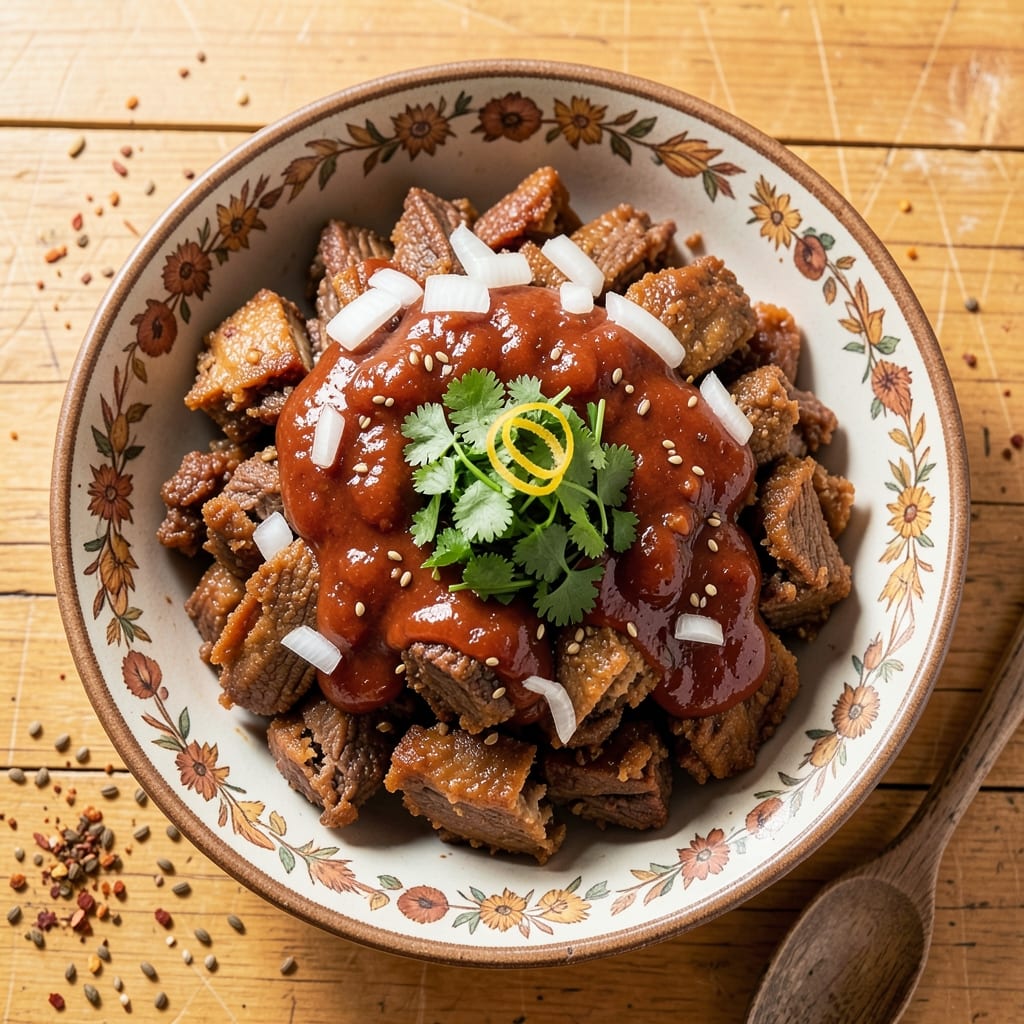
This authentic Mexican beef carnitas recipe delivers the same crispy-laced, fork-tender bites you’d find in Mexico’s best taquerías—right in your own kitchen. The secret lies in slow-roasting the beef until it practically falls apart, then crisping it to golden perfection in the same pan. I’ve perfected this method after countless batches, ensuring every bite balances smoky, spiced flavors with that irresistible crunch. What sets this apart is the traditional adobo marinade, which infuses the meat with deep, earthy notes before the slow cook transforms it into melt-in-your-mouth tenderness.
The process is simpler than it sounds: a 30-minute prep followed by hands-off cooking (either in the oven or slow cooker) until the beef is fork-tender. The key to that signature crispiness? A quick sear in lard or vegetable oil at the end, which creates a shatteringly crunchy exterior while keeping the inside juicy. This isn’t just another pulled pork—it’s the real deal, with layers of flavor built from dried chiles, garlic, and cumin. Serve it on warm tortillas with salsa verde for dipping, and you’ll understand why carnitas are a staple in Mexican cuisine.
What makes this recipe truly authentic is the attention to detail: using a blend of spices that mimic the adobo style, cooking low and slow to render fat back into the meat, and finishing with that critical crisp. The result? Bites that are crispy on the outside, tender on the inside, with a depth of flavor that’s hard to replicate. It’s the kind of dish that turns a simple weeknight dinner into a celebration—no fancy techniques required, just patience and a little love for the process.
Pair these carnitas with classic sides like cilantro-lime rice or charro beans to complete the experience. The leftovers? Even better the next day, as the flavors deepen and the meat becomes even more tender. This is the recipe I turn to when I want to bring a taste of Mexico home—crispy, tender, and impossible to resist. Let’s get cooking!
Ingredients for authentic mexican beef carnitas
Six ingredients make the base, plus a few pantry staples to bring Mexico's crispy magic home.
| Ingredient | Amount | Notes |
|---|---|---|
| Beef Chuck Roast 🥩 | 3 lb | Bone-in preferred for flavor |
| Dried Ancho Chiles 🌶️ | 2 whole | Stems/seeds removed, toasted |
| Dried Guajillo Chiles 🌶️ | 2 whole | Stems/seeds removed, toasted |
| Garlic Cloves 🧄 | 8 cloves | Peeled, smashed lightly |
| White Onion 🧅 | 1 whole | Quartered, skin on |
| Ground Cumin 🌿 | 2 tbsp | Toasted for deeper flavor |
| Mexican Oregano 🍃 | 1 tbsp | Dried, not regular oregano |
| Salt 🧂 | 2 tsp | Kosher or sea salt |
| Black Pepper 🌶️ | 1 tsp | Freshly ground preferred |
| Lard or Vegetable Oil 🫒 | ½ cup | Lard for authentic crispiness |
| Orange Juice 🍊 | ¼ cup | Freshly squeezed |
| Beef Broth 💧 | 1 cup | Low-sodium preferred |
| Cilantro 🌿 | ¼ cup | Chopped, for garnish |
| Lime 🍋 | 1 whole | Juiced, for serving |
The beef is non-negotiable—chuck roast has the fat and connective tissue for that signature tender-crisp texture. Costco or local butcher shops often carry it pre-cut, but if buying whole, ask for a bone-in cut. The chiles? Mexican specialty stores have the best dried varieties, but any Latin market will work. Toast them in a dry pan for 30 seconds per side to deepen their flavor—don't skip this step. For the cumin, toasted whole seeds ground fresh taste like heaven, but pre-ground works in a pinch. The Mexican oregano is key—regular oregano won't give you that authentic earthy depth.
No ancho or guajillo chiles? Ancho alone works in a bind, but you'll lose some complexity. Fresh garlic and onion can't be swapped—those aromatics are the foundation. Short on lard? Vegetable oil or duck fat gives similar crispiness, though lard is traditional. The orange juice adds brightness, but lemon juice at half the amount works if you're out. For the beef broth, low-sodium is critical—you're building layers of flavor here, not drowning them. And cilantro? Fresh is best, but dried at one-third the amount won't ruin the dish if that's all you've got.
This keeps beautifully for 5 days in the fridge, with flavor actually improving as it sits. Freeze portions for up to 3 months—just thaw overnight in the fridge before reheating. I like to portion it into containers with a little extra broth at the bottom so it stays moist when reheated. For serving, warm tortillas in a dry skillet for 30 seconds per side—no oil needed. The carnitas reheat best in the same pan they crisped in, just add a splash of water and cover for 2 minutes.
Why You'll Love This Recipe
- One-Pot Magic: I swear by this—just toss the chuck roast, onions, and those smoky ancho/guajillo chiles into a Dutch oven with garlic and a splash of broth. Walk away for hours, and you’ve got tender, fall-apart meat without a single extra dish.
- Smoky Depth Bomb: Between us, the dried chiles are the star. Soaked and blended into a paste, they give this carnitas that authentic depth—sweet, earthy, and just a little tangy. It’s the kind of flavor that makes people ask, “What’s in this?”
- Weeknight to Party: I’ve served this on tacos for my book club, stuffed into breakfast burritos for my kids’ soccer games, and even over rice for a lazy Sunday. The same slow-cooked beef works for everything, and honestly? That’s my kind of recipe.
- Budget-Friendly Leftovers: A whole chuck roast feeds my family for days—think crispy carnitas on tostadas, in quesadillas, or even scrambled eggs the next morning. I’ll be real: the best meals often come from the second or third time around.
Step-by-step instructions for authentic Mexican beef carnitas
Here's how to transform tough chuck roast into melt-in-your-mouth carnitas with crispy edges and smoky depth.
Prepare the Chili Paste for Deep Flavor
Toast the 2 whole dried ancho chiles and 2 whole dried guajillo chiles in a dry skillet over medium heat for 30 seconds per side until fragrant and slightly puffed. This step unlocks their rich, earthy flavors. Transfer them to a bowl and cover with the 1 cup beef broth to soften for 20 minutes.
While they soak, pulse the rehydrated chiles with the 8 cloves garlic and 1 whole white onion (skin on) in a food processor until smooth. The skin-on onion adds natural sweetness that balances the chiles' heat. You should have about 1 cup of vibrant red paste—this is your flavor foundation.
Sear the Chuck Roast for Maximum Flavor
Pat the 3 lb beef chuck roast completely dry with paper towels—this ensures maximum crispiness later. Heat 0.25 cup lard or vegetable oil in a heavy Dutch oven over medium-high heat until shimmering. Add the roast and sear on all sides for 5-7 minutes total, turning occasionally, until deeply browned.
Remove the roast and set it aside. In the same pot, add the chili paste and cook for 2 minutes until fragrant. Sprinkle in the 2 tbsp ground cumin and 1 tbsp mexican oregano, stirring constantly for 30 seconds to toast the spices and release their aromas. This step builds the complex flavor profile that defines authentic carnitas.
Braise Until Fork-Tender
Return the roast to the pot and pour in the remaining 0.75 cup beef broth (after removing the chiles) and 0.25 cup orange juice. The acidity from the orange juice tenderizes the meat while adding brightness. Bring to a simmer, then cover and transfer to a 300°F oven.
Braise for 3 hours, turning the roast every 45 minutes to ensure even cooking. You'll know it's done when a fork slides in easily and the meat pulls apart with minimal resistance. The sauce should reduce to a thick, glossy consistency that clings beautifully to the meat.
Achieve the Perfect Crisp
Remove the roast from the pot and shred it directly in the cooking liquid using two forks. Return the shredded meat to the pot and stir in 2 tsp salt and 1 tsp black pepper. Increase heat to medium-high and cook uncovered for 10-15 minutes, stirring occasionally, until the liquid reduces and the meat develops crispy edges.
For extra crispiness, spread the carnitas on a baking sheet and broil for 3-5 minutes, stirring once, until golden brown and crackling. The contrast between tender meat and crispy bits is what makes carnitas unforgettable. Taste and adjust seasoning if needed—authentic carnitas should be bold and well-balanced.
Pro Tips For Making Authentic Mexican Beef Carnitas
- CRANK THE HEAT FIRST: Start your beef chuck roast in a screaming-hot Dutch oven—no gradual warming. I learned this the hard way after making carnitas that stayed gray inside; high heat sears the meat fast, locking in juices before the slow braise. Once it’s browned, drop the temp to 300°F (150°C) for the real magic.
- STEAM THE CHILES: Don’t just soak your ancho and guajillo chiles—steam them whole for 10 minutes first. This softens them enough to peel skins cleanly (rub with a towel afterward) and makes them blend into a silky, smoky paste instead of gritty chunks. Trust me, your salsa will taste like it came from a taquería.
- SKIP THE CROWDED PAN: If your beef chuck roast is packed too tightly in the pot, it’ll steam instead of caramelize. Cut the roast into 2-inch chunks and work in batches if needed—even if it means an extra 10 minutes. The goal is crispy edges, not soggy meat.
- USE THE ONION PEELS: Save those white onion skins after peeling—toss them into the pot with the meat. They’ll infuse the braising liquid with sweet, caramelized depth without extra effort. (Yes, even if you’re impatient like me.) Strain them out later if you’re picky, but I leave them in for extra flavor.
Regional styles of this recipe
Northern Mexico Style
In states like Chihuahua and Sonora, carnitas are all about bold, smoky flavors with a touch of sweetness. The secret? Adding 1 tablespoon of brown sugar to the chili paste and using pork fatback (or lard) instead of vegetable oil for that authentic crisp. I like to finish these with a sprinkle of ground cinnamon—just ½ teaspoon—for a warm, slightly sweet note that balances the heat. Serve with warm flour tortillas and salsa roja for a true Northern Mexican experience. 🌶️
Central Mexico (Michoacán) Tradition
This is where carnitas originated, and the method here focuses on slow-cooked tenderness with minimal oil. The key difference? Using pork shoulder (though we’re adapting it for beef) and cooking it in its own rendered fat. In Michoacán, they often add 1 bay leaf and a splash of apple cider vinegar to the braising liquid for extra depth. For a true Central Mexican touch, serve with corn tortillas and consommé (a light, vinegar-based broth) for dipping. The texture here is ultra-tender, almost falling-apart tender, with just a hint of crisp on the edges. 🥞
Yucatán Fusion
In the Yucatán, carnitas get a citrusy, herby twist with influences from Mayan cuisine. Swap the ancho and guajillo chiles for dried habanero chiles (just 1-2, seeded and toasted) and add 1 tablespoon of ground achiote to the marinade for a deep red color and earthy flavor. Finish with a squeeze of lime juice and a sprinkle of fresh cilantro. Serve on small, handmade tortillas with pickled red onions and avocado slices for a bright, tangy contrast. This version is lighter but packed with bold, complex flavors. 🍋
Modern Tex-Mex Adaptation
If you’re craving a Tex-Mex twist, lean into the smoky, spicy flavors but with a little more heat. Add 1 teaspoon of smoked paprika to the chili paste and finish the carnitas with a dash of hot sauce (like Cholula) before serving. In Texas, carnitas are often served in burritos or tacos with cheddar cheese, sour cream, and guacamole. For extra richness, brush the tortillas with garlic butter before filling. This version keeps the authenticity but adds a hearty, cheesy comfort-food vibe. 🌮
Street Food Style
For a taquería-style experience, focus on maximum crispiness and bold flavors. After shredding the beef, spread it on a half-sheet pan and broil for 5-7 minutes, stirring once, until it’s deep golden and crackling. Serve on warm corn tortillas with salsa verde, crumbled queso fresco, and pickled jalapeños. The street-food version is all about quick assembly—keep the carnitas warm in a slow cooker or chafing dish while you assemble tacos. This is the version you’d find at Mexico City’s best taco stands, where every bite is crispy, tender, and packed with flavor. 🔥
Nutrition facts
Frequently asked questions
Can I make beef carnitas in a slow cooker instead of the oven?
For a slow cooker version, sear the beef as directed, then transfer it to your slow cooker with the chili paste, broth, and orange juice. Cook on low for 8 hours or high for 5-6 hours, turning the roast occasionally. After shredding, finish with the crisping step in a skillet over high heat for 10-15 minutes. The slow cooker keeps the meat incredibly tender while letting you set it and forget it.
Why does my carnitas turn out tough instead of tender?
This usually happens when the meat isn't cooked low and slow enough or if it wasn't properly seared first. The key is patience: braise at 300°F for 3 hours (not higher heat) and ensure your roast is bone-in (the bone adds flavor and moisture). Also, never skip the searing step—it creates a flavorful crust that helps retain juices during cooking.
What's the best way to reheat leftover carnitas?
Reheat in the same pan you crisped them in! Add 2 tablespoons of water or broth to prevent drying, cover, and cook over medium heat for 3-5 minutes. For extra crispiness, transfer to a baking sheet and broil for 2-3 minutes, stirring once. Leftover carnitas actually improve in flavor as they sit—this is why they're perfect for tacos the next day!
Can I substitute pork for beef in this recipe?
While this recipe is specifically for beef, you can adapt it for pork by using pork shoulder instead. The cooking time will be slightly shorter (2-2.5 hours braising), and pork benefits from a bit more crisping time at the end. Traditional carnitas are made with pork, but beef gives a richer, beefier flavor that works beautifully in this method.
How do I make the carnitas extra crispy?
The secret to maximum crispiness is all in the final step! After shredding, spread the carnitas on a half-sheet pan in a single layer. Broil on high for 5-7 minutes, stirring once, until golden and crackling. For even more crunch, use lard or duck fat instead of oil for the final sear—it creates a better crisp than vegetable oil.