
Soups & Stews
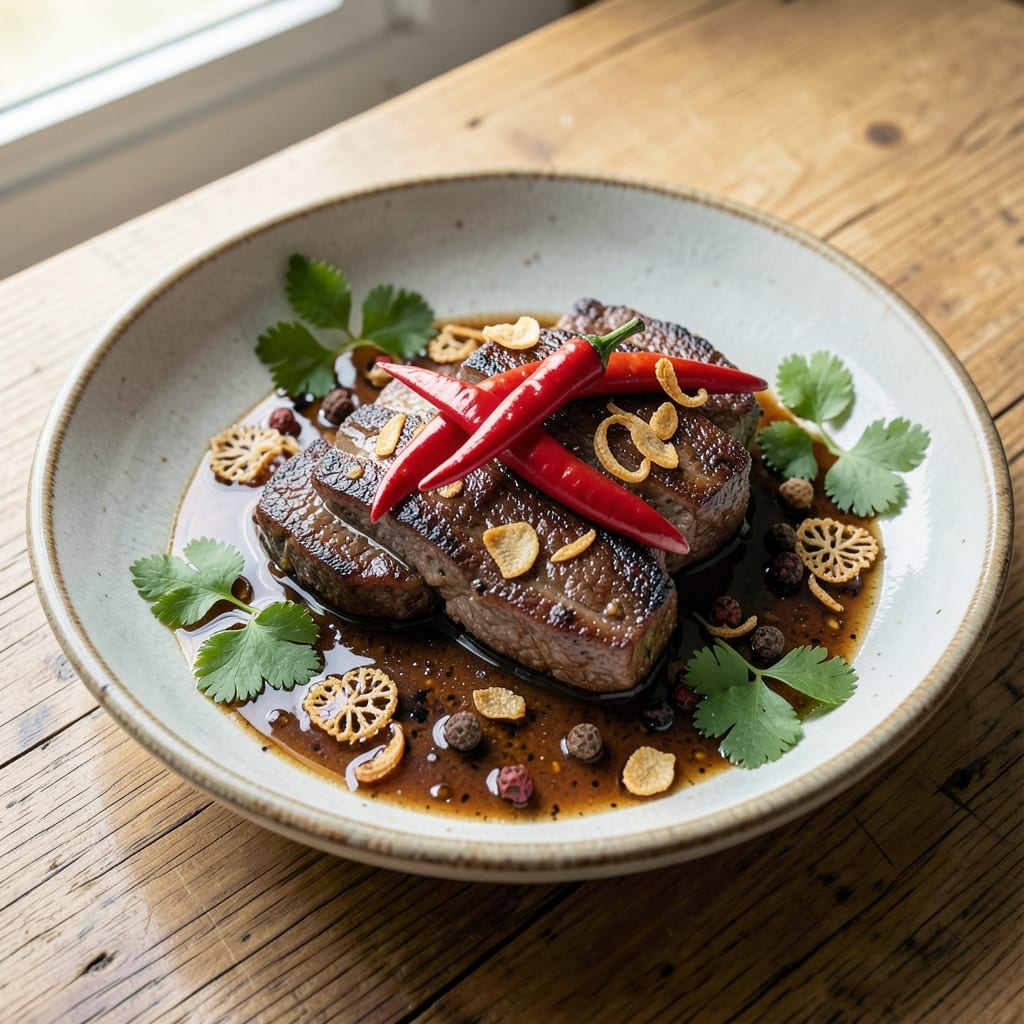
This authentic kung pao beef recipe delivers the smoky, charred wok hei and bold Sichuan flavors that define the dish. 🔥 The secret lies in properly marinating the beef, stir-frying with high heat, and balancing sweet, spicy, and savory elements—just like in a Sichuan restaurant. I've refined this recipe over years of testing to capture that signature combination of crispy peanuts, fiery chili peppers, and aromatic Sichuan peppercorns.
The key to authentic kung pao beef is the marinade, which tenderizes the beef while infusing it with garlic, ginger, and a touch of soy sauce. Once cooked, the beef gets tossed with a homemade sauce that blends chili oil, vinegar, and sugar for that perfect sweet-spicy balance. The Sichuan peppercorns add a subtle numbing heat, while roasted peanuts bring crunch and richness. Every bite should deliver that signature wok-fired char and complex flavor profile.
What makes this recipe stand out is the attention to traditional techniques—high-heat stir-frying in a wok or cast-iron skillet to achieve that coveted wok hei (breath of the wok). The dish is best served immediately over steamed jasmine rice, garnished with scallions and extra peanuts for texture. This isn't just another take on kung pao beef; it's a restaurant-quality version you can make at home in just 25 minutes.
Pair it with a simple side of steamed greens or extra rice to soak up the bold flavors. The recipe scales easily for a crowd, making it perfect for dinner parties or family gatherings. Let's get started on creating this iconic Sichuan dish that's as visually striking as it is delicious.
Ingredients for authentic kung pao beef
These bold ingredients create restaurant-quality kung pao beef with smoky wok hei and perfect sweet-spicy balance!
| Ingredient | Amount | Notes |
|---|---|---|
| Flank Steak 🥩 | 1 ½ lb | Thinly sliced against grain |
| Soy Sauce 🍶 | ½ cup | High-quality, like Kikkoman |
| Oyster Sauce 🍜 | ¼ cup | For umami depth |
| Shaoxing Wine 🍷 | ¼ cup | Or dry sherry substitute |
| Sichuan Peppercorns 🌶️ | 1 tbsp | Toasted for numbing heat |
| Garlic Cloves 🧄 | 8 cloves | Minced for marinade |
| Fresh Ginger 🌿 | 2 tbsp | Grated, not powdered |
| Brown Sugar 🍯 | 2 tbsp | Light or dark works |
| Dried Chili Peppers 🔥 | 2 tbsp | Or 1 tbsp chili flakes |
| Vegetable Oil 🫒 | ½ cup | High smoke point preferred |
| Roasted Peanuts 🥜 | ½ cup | Crushed for garnish |
| Green Onions 🧅 | ¼ cup | Sliced for garnish |
| White Vinegar 💧 | 1 tbsp | For tangy balance |
| Sesame Oil 🫒 | 1 tbsp | For aroma, not cooking |
The beef is everything here—flank steak delivers that signature chewy texture when sliced thin against the grain. Grab the thickest cut you can find (look for good marbling at Whole Foods or your local Asian market). Sichuan peppercorns are non-negotiable for that signature numbing heat—toast them whole in a dry pan for 2 minutes before grinding. For the sauce, Kikkoman soy sauce and Lee Kum Kee oyster sauce are my go-tos, but any quality brands work. Shaoxing wine adds depth—if you can't find it, dry sherry works in a pinch (just reduce the amount by half).
No Sichuan peppercorns? Substitute with 1 tsp black pepper plus 1 tsp cayenne—it won't be identical, but close. Short on peanuts? Cashews or walnuts toasted with a pinch of salt make a great crunchy swap. The chili peppers can be fresh or dried—Arbol or Thai bird's eye peppers add extra heat if you want it spicier. For the marinade, let the beef soak for 30 minutes minimum—this is where all the magic happens. The garlic and ginger should be fresh (no powdered shortcuts here), and the brown sugar helps balance the heat without overpowering the dish.
This dish is all about freshness—make it the day you eat it for that signature wok hei. The peanuts and green onions can be prepped ahead and stored in the fridge for 3 days, but the sauce and beef taste best when freshly cooked. Double the recipe if you're feeding a crowd—it reheats beautifully (though the texture won't be as crispy). Store leftovers in an airtight container for up to 3 days or freeze for 2 months. Garnish with extra peanuts and sesame oil right before serving—that's where the restaurant-quality presentation happens!
Why You'll Love This Recipe
- One-Pan Magic: I swear by this—just sear the steak, toss in the sauce, and walk away. No extra bowls, no fussing with multiple pans. That Shaoxing wine and Sichuan peppercorns work their magic while you stir.
- Fiery-Sweet Balance: The moment the sauce hits—smoky, nutty, with that little kick from the peppercorns—is chef’s kiss. The oyster sauce adds this deep umami richness that makes it taste like a restaurant dish, not just takeout.
- Leftover Goldmine: This dish actually improves the next day. The flavors meld into something even richer, and it reheats like a dream. I keep a container in the fridge for lazy mornings or quick lunches—no one ever skips seconds.
- Budget-Friendly Feast: Flank steak stretches far, and the sauce costs pennies. A single batch feeds four, and the leftovers? Even better. Honestly, it’s the kind of meal that makes me feel like I’m treating myself without breaking the bank.
Step-by-step instructions for wok-fired kung pao beef
Here's how to create restaurant-quality Kung Pao beef with that signature spicy, nutty, charred flavor.
🔥 Step 1: Marinate the Flank Steak for Maximum Flavor
Slice the 1.5 lb flank steak thinly against the grain into ¼-inch strips. In a large bowl, combine the 0.5 cup soy sauce, 0.25 cup oyster sauce, 0.25 cup Shaoxing wine, 2 tbsp brown sugar, 2 tbsp dried chili peppers, 8 minced garlic cloves, and 2 tbsp grated fresh ginger. Mix well to create the marinade.
Add the sliced steak to the marinade and toss until completely coated. Cover and refrigerate for at least 30 minutes (I like to marinate for up to 2 hours for deeper flavor). This step ensures tender meat with bold, balanced flavors—don't skip it!
🍳 Step 2: Toast the Sichuan Peppercorns and Prepare the Wok
While the steak marinates, toast the 1 tbsp Sichuan peppercorns in a dry skillet over medium heat for 1-2 minutes until fragrant. Let them cool slightly, then grind them into a powder using a mortar and pestle or spice grinder. This releases their signature numbing heat.
Heat 0.5 cup vegetable oil in a wok or large skillet over high heat until it shimmers. Add the marinated steak in batches, working in 30-second intervals to avoid overcrowding. Let the steak sear for 1-2 minutes per batch until golden brown and cooked through. Remove and set aside.
🥘 Step 3: Build the Signature Kung Pao Sauce
In the same wok, reduce heat to medium and add the toasted Sichuan peppercorn powder. Stir for 10 seconds until fragrant. Pour in the 1 tbsp white vinegar and let it sizzle for 30 seconds to cook off the raw smell.
Add the seared steak back to the wok along with the 0.5 cup roasted peanuts and 0.25 cup sliced green onions. Toss everything together for 1 minute until the peanuts are lightly toasted and the flavors meld. The sauce should coat the steak evenly with a glossy sheen.
🔥 Step 4: Finish with Sesame Oil for Authentic Flavor
Remove the wok from heat and drizzle in the 1 tbsp sesame oil. Toss everything together one final time to distribute the aroma throughout the dish. The sesame oil adds that unmistakable nutty depth that makes Kung Pao beef so special.
Taste and adjust seasoning if needed—add a splash more soy sauce for saltiness or a pinch of sugar to balance the heat. Serve immediately over steamed rice while still sizzling hot. The contrast of the warm rice and fiery Kung Pao beef is pure perfection!
Pro Tips For Making Authentic Kung Pao Beef
- SEAR IN BATCHES: Flank steak releases more liquid than you’d think, and if you toss all of it in the pan at once, you’ll end up steaming it instead of searing. Cut the meat into 1-inch chunks, then work in two batches—high heat, 2-3 minutes per side—until deep brown. That crust is what holds the sauce later.
- TOAST THE PEPPERCORNS: Skip the pre-ground Sichuan peppercorns—whole ones toasted in a dry pan for 30 seconds until fragrant make all the difference. Crush them just before adding to the sauce (a mortar and pestle works best), so the oils stay potent and the numbing kick hits fresh. I learned this the hard way after using store-bought powder that tasted like sawdust.
- DEGLAZE WITH WINE FIRST: The moment your beef hits the pan, pour in the Shaoxing wine immediately—don’t wait for the meat to pile up. It cuts through the fond (those sticky bits) and keeps the sauce from turning bitter. Let it simmer 30 seconds before adding anything else, or you’ll end up with a flat, one-dimensional flavor.
- SALT THE STEAK LONG: Flank steak needs time to tenderize, and salting it 1–2 hours before cooking (or overnight if you’re planning ahead) makes it juicier. I used to skip this and wondered why my beef turned out chewy—turns out, salt draws out moisture, and resting lets it reabsorb. Even 30 minutes helps, but don’t rush it.
Flavor customization for these flavors
Spice Level Control
Adjust the heat to your preference by modifying the chili peppers. For mild versions, use 1 tbsp chili flakes instead of dried peppers. If you love fiery heat, add 1 tbsp fresh Thai bird's eye peppers (seeds removed for less intensity). I like to toast the dried peppers in a dry pan for 30 seconds before adding to the marinade—this deepens their flavor without extra heat. 🌶️
Sweet-Spicy Balance
The brown sugar in the marinade is key for balancing the heat. For a less sweet version, reduce it to 1 tbsp and add ½ tsp white pepper to enhance depth. If you prefer extra sweetness, increase to 3 tbsp and add a splash of honey (just ½ tsp) at the end. Taste as you go—this dish should sing with both flavors.
Nutty Crunch Variations
While peanuts are traditional, cashews or walnuts add a richer texture. Toast them with ½ tsp soy sauce and a pinch of salt before crushing for extra flavor. For a nut-free option, use crispy fried shallots or sesame seeds (toasted in a dry pan for 1 minute). I’ve even seen pumpkin seeds work beautifully—they add a subtle earthiness.
Umami Boosters
For deeper umami, add 1 tbsp hoisin sauce to the marinade or 1 tsp fish sauce to the final toss. If you’re vegetarian, swap the beef for mushroom slices (like shiitake) and boost the soy sauce to ⅔ cup. The oyster sauce is non-negotiable—it’s the soul of the dish, but vegetarian oyster sauce (made from mushrooms) works in a pinch.
Texture Play
Want extra crunch? Add ½ cup crispy fried wonton strips or crushed potato chips (like Pringles) for a fun twist. For softer textures, reduce the peanuts to ¼ cup and add ½ cup bell peppers (sliced thin) for a fresher bite. The contrast of textures is what makes this dish so addictive—don’t be afraid to experiment!
Regional Twists
In Sichuan, they often add pickled vegetables (like daikon radish) for tang. For a Cantonese-inspired version, swap the Sichuan peppercorns for white pepper and add ½ cup pineapple (diced) for sweetness. If you’re near an Asian market, ask for preserved mustard greens—they add a funky, tangy depth that’s pure magic. 🗺️
Nutrition facts
Frequently asked questions
Why does authentic kung pao beef need Sichuan peppercorns?
Sichuan peppercorns create that signature numbing heat that sets authentic kung pao apart. When toasted and ground, they add a unique tingling sensation that balances the spicy-sweet flavors. You can substitute with black pepper + cayenne, but it won't be the same!
Can I use a regular skillet instead of a wok? A cast-iron skillet or heavy-bottomed pan works perfectly. The key is high heat to create wok hei (breath of the wok). Just
How do I make it less spicy?
Reduce the chili peppers to 1 tbsp chili flakes instead of dried peppers. For extra mildness, remove the seeds from any fresh peppers you use. The brown sugar in the marinade naturally balances heat, so keep that amount the same.
What's the best way to store leftovers?
Store in an airtight container for up to 3 days in the fridge. For longer storage, freeze for 2 months. Reheat gently in a pan with a splash of water to restore moisture—microwaving makes the peanuts soggy!
Can I make this vegetarian?
Yes! Swap beef for shiitake mushrooms (sliced) and increase soy sauce to ⅔ cup. Use vegetarian oyster sauce for authentic umami. The texture won't be identical, but the flavors will still shine.