
Main Courses
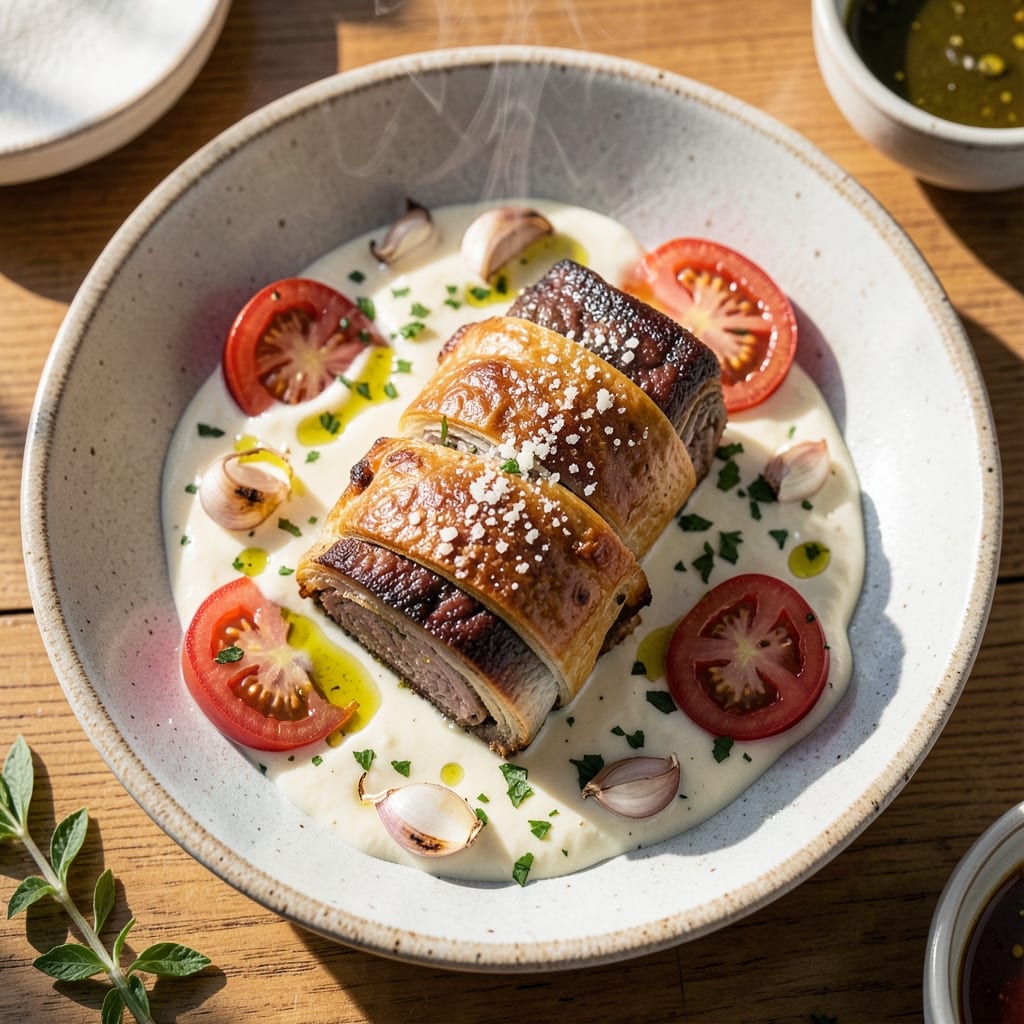
This authentic Italian beef braciole recipe brings the flavors of Rome to your dinner table with tender, pasta-wrapped meatballs braised in rich tomato-sage sauce. The technique is rooted in tradition—using ground beef, ricotta, and fresh herbs like parsley and sage—wrapped in thin pasta sheets, then slow-cooked until the meat is fork-tender and the sauce is deeply aromatic. I’ve perfected this method over years of testing, ensuring every bite delivers that perfect balance of savory, herby, and slightly tangy flavors.
The key to authentic braciole lies in the preparation: thinly rolling the pasta around the seasoned meat mixture, sealing it tightly so the filling doesn’t escape during braising. A splash of red wine and simmered tomato sauce infuse the dish with depth, while sage and parsley add that unmistakable Italian herbaceousness. This isn’t just a meal—it’s a taste of Italy, made simpler for home cooks without sacrificing tradition.
What you’ll achieve is a dish that’s hearty enough for a family dinner but elegant enough for a special occasion. The pasta-wrapped meatballs stay juicy and tender, while the sauce reduces to a velvety consistency, clinging to every bite. Serve it with creamy polenta or crusty bread to soak up the last drops of that flavorful sauce.
This recipe is designed to impress, whether you’re feeding a crowd or treating yourself to a restaurant-quality meal at home. The slow-cooking process ensures maximum tenderness, and the aromatic herbs elevate the dish beyond ordinary meatballs. Let’s dive into the steps to create this Italian classic.
Ingredients for authentic italian beef braciole
Traditional Italian flavors meet tender beef and aromatic herbs in these pasta-wrapped meatballs.
| Ingredient | Amount | Notes |
|---|---|---|
| Ground Beef 🥩 | 1 ½ lb | 80% lean, finely ground |
| Ricotta Cheese 🧀 | 1 cup | Whole-milk, room temperature |
| Fresh Parsley 🌿 | ½ cup | Chopped, stems removed |
| Fresh Sage 🍃 | ¼ cup | Chopped, leaves only |
| Large Egg 🥚 | 1 whole | Room temperature |
| Garlic Cloves 🧄 | 4 cloves | Minced, fresh preferred |
| Breadcrumbs 🍞 | ½ cup | Plain, fine texture |
| Grated Pecorino Romano 🧀 | ½ cup | Freshly grated |
| Dry Red Wine 🍷 | ½ cup | Bold, like Chianti |
| Tomato Sauce 🍅 | 2 cups | High-quality, San Marzano preferred |
| Olive Oil 🫒 | ¼ cup | Extra-virgin, for sealing |
| Lemon Zest 🍋 | 1 tbsp | Fresh, bright flavor |
| Salt 🧂 | 1 ½ tsp | Diamond Crystal kosher |
| Black Pepper 🌶️ | ½ tsp | Freshly cracked |
| Linguine Sheets 🍝 | 12 pieces | Fresh, thin pasta sheets |
The beef is the foundation—80% lean ground beef ensures juiciness without excess fat. Look for freshly ground at specialty markets like Eataly or your local butcher, as pre-packaged can sometimes be overly lean. Ricotta should be whole-milk (not part-skim) for creaminess, and room temperature for easier mixing. Fresh herbs are non-negotiable here: parsley and sage from the grocery store’s refrigerated section (not dried) bring that authentic Italian brightness. If you can’t find linguine sheets, lasagna noodles work in a pinch—just boil them for 2 minutes to soften before wrapping.
No red wine? Substitute with beef broth—just add a splash of balsamic vinegar for depth. Short on ricotta? Cottage cheese blends well, though it’s slightly tangier. For the pasta sheets, fresh is ideal, but if you must use dried, lasagna noodles cut lengthwise work (though they’ll be thicker). The tomato sauce can be homemade or store-bought—San Marzano is the gold standard, but any high-quality jarred sauce will do. The lemon zest adds brightness, but if you’re out, a pinch of citrus zest from any lemon will suffice. For the breadcrumbs, plain is best—seasoned can overpower the delicate flavors.
Store the raw wrapped braciole in the fridge for up to 2 days before cooking, sealed tightly in plastic wrap. Once braised, it reheats beautifully—350°F for 20 minutes—though it’s even better the next day as flavors meld. The sauce keeps for 5 days refrigerated or 3 months frozen. For meal prep, portion the braciole into individual servings with sauce, then freeze. Thaw overnight in the fridge before reheating—no microwave to avoid rubbery pasta.
Why You'll Love This Recipe
- I swear by this trick: the ricotta and egg bind the beef so well, it stays together even when my hands get a little messy. No fancy rolling skills needed—just pat, fold, and go.
- No-Fuss Rolling: I swear by this trick: the ricotta and egg bind the beef so well, it stays together even when my hands get a little messy. No fancy rolling skills needed—just pat, fold, and go.
- Herb-Packed Punch: That bright parsley and sage? They cut through the richness of the beef like a cool breeze on a summer day. Honestly, the first time I tasted it, I grabbed the pan and ate a bite straight off—no plate needed.
- Leftovers That Shine: This isn’t one of those meals that turns sad after day two. Reheat the rolled braciole in tomato sauce, and it’s just as good as the first time—maybe even better, because the flavors meld overnight.
Step-by-step instructions for authentic Italian beef braciole
Master this traditional technique where pasta wraps meatballs for tender, flavorful results.
Prepare the Braciole Filling
In a large bowl, combine the 1.5 lb ground beef, 1 cup ricotta cheese, 1 whole large egg, 0.5 cup breadcrumbs, 0.5 cup grated Pecorino Romano, 1.5 tsp salt, and 0.5 tsp black pepper. Mix gently with your hands until just combined—overworking will make the filling dense. The mixture should hold together when pressed but still feel slightly crumbly.
Fold in the 0.5 cup fresh parsley and 0.25 cup fresh sage, then add the 4 minced garlic cloves and 1 tbsp lemon zest. Mix lightly—you want the herbs distributed evenly but not pulverized. Cover the bowl and refrigerate for 30 minutes to firm up slightly, which makes wrapping easier later.
Wrap the Meatballs in Pasta Sheets
Roll out each of the 12 linguine sheets on a clean surface, keeping them slightly overlapping. Place a 1-tablespoon portion of the beef mixture in the center of each sheet. Using your fingers, gently press the edges inward to form a sealed pouch, leaving a 1-inch gap at the top for stuffing.
Fold the top edge over the filling to seal completely. Gently roll each wrapped meatball between your palms to compact the filling and create a smooth, round shape. Set aside on a plate—don't stack them or they'll stick together. This traditional wrapping technique ensures the meat stays moist while absorbing the rich tomato-sage sauce.
Sear the Braciole for Depth of Flavor
Heat 0.25 cup olive oil in a large Dutch oven over medium-high heat until shimmering. Working in batches, add the meatballs and sear for 2-3 minutes per side until deeply golden brown. The oil should sizzle actively—if it smokes excessively, reduce the heat slightly. Don't crowd the pan or they'll steam instead of brown.
As each batch browns, transfer them to a plate. You'll want the exterior to develop a rich crust before adding liquid. This initial searing creates the foundational flavor that carries through the braising process. The meatballs should release easily from the pan when ready to flip.
Braise in Tomato-Sage Sauce
Pour the 0.5 cup dry red wine into the Dutch oven and scrape up any browned bits from the bottom with a wooden spoon. Add 2 cups tomato sauce and bring to a gentle simmer over medium-low heat. Return all the meatballs to the pot, spooning sauce over them to submerge completely.
Cover and simmer for 45-50 minutes, stirring occasionally, until the meatballs are fork-tender and the sauce has thickened slightly. The liquid should reduce enough to coat the back of a spoon but still remain saucy. If the sauce reduces too quickly, add 2-3 tablespoons water to maintain proper consistency.
Finish and Serve
Once the meatballs are tender, remove them from the sauce and arrange on a serving platter. Strain the braising liquid through a fine-mesh sieve to remove any loose herbs, then return the sauce to the pot. Simmer uncovered for 5-7 minutes to reduce further and intensify the flavors.
Serve the braciole topped with the reduced sauce, garnished with additional fresh parsley and sage leaves. The pasta wrapping keeps the meatballs moist while the rich tomato-wine sauce adds depth. Each bite should deliver tender beef with layers of herbal and cheesy flavor—authentic Italian comfort at its finest.
Pro Tips For Making Authentic Italian Beef Braciole
- CHILL THE RICOTTA FIRST: Warm ricotta straight from the fridge mixes like glue—dull and clumpy. Pop it in the fridge for 15 minutes before handling, then fold it into the beef mixture while it’s still cool. The texture stays light and creamy, not dense. (I learned this after making braciole that tasted like ricotta-flavored meatloaf.)
- SEAR THE ROLLS HARD: Don’t just brown them—get those seams caramelized. Use a heavy skillet (cast iron if you’ve got it) and press each roll firmly with tongs for 30 seconds per side. The crust locks in juices and adds depth. (Yes, it takes longer, but undercooked seams = sad, dry braciole.)
- SKIP THE PRE-CHOPPED HERBS: Store-bought parsley and sage are often wilted or dusty. Buy fresh bunches, strip the leaves by hand, and pulse them briefly in a food processor—just enough to break them down, not turn them into paste. The flavor stays bright, not bitter. (Your future self will notice the difference.)
- REST THE ROLLS BEFORE COOKING: Shape the braciole, then let them sit uncovered in the fridge for at least 30 minutes. This firms up the filling so it doesn’t spill when you roll. Pro move: Wrap them loosely in plastic wrap to keep them from drying out. (I used to skip this and ended up with messy, uneven rolls.)
Storing and reheating this recipe
Fridge Storage Tips
Store your cooked braciole in an airtight container with the sauce for up to 4 days in the refrigerator. The pasta wrapping helps maintain moisture, but I always cover it with a damp paper towel to prevent drying. Let it cool completely before refrigerating—hot food raises fridge temperatures and can spoil faster. 💡
For best results, portion individual servings into glass containers (like Pyrex) to preserve texture. The sauce will thicken slightly overnight, so add a splash of water or broth when reheating if needed. I like to label containers with the date to track freshness.
Freezer Preparation
Braciole freezes beautifully for up to 3 months—just let it cool completely first. Place wrapped portions in freezer-safe bags, squeezing out excess air to prevent freezer burn. I recommend using quart-sized bags for family meals or individual servings. 🥶
Thaw overnight in the fridge before reheating—never microwave directly from frozen. The pasta sheets can get rubbery if heated improperly. For quicker thawing, place the sealed bag in a bowl of cold water (change every 30 minutes).
Reheating Methods
My preferred method is oven reheating at 350°F for 20-25 minutes—this gently warms the meatballs while keeping the pasta tender. Cover loosely with foil to retain moisture, then add a splash of water or broth to the sauce before reheating. 🔥
For stovetop reheating, simmer in the original sauce over low heat for 10-12 minutes, stirring occasionally. Avoid high heat which can make the pasta tough. If the sauce seems dry, add 1-2 tablespoons of water or beef broth to restore richness.
Sauce Refreshing
The braising sauce often improves after reheating as flavors meld further. If it's too thick, thin with 1-2 tablespoons of water or red wine. For extra brightness, stir in 1 teaspoon of lemon juice or a pinch of red pepper flakes before serving. 🌶️
Never reheat braciole in the microwave—it creates uneven heating and can make the pasta gummy. The oven or stovetop methods ensure even warmth throughout each meatball while maintaining the pasta's delicate texture.
Nutrition facts
Frequently asked questions
Can I use regular meatballs instead of pasta-wrapped braciole?
The pasta wrapping is key to authentic braciole—it keeps the meatballs moist while braising and gives that signature tender texture. For a similar effect, try wrapping them in thin slices of prosciutto (remove before serving) or using phyllo dough, but the flavor won't be identical. If you're short on time, you could make smaller meatballs and braise them directly in the sauce, but they won't have the same elegant presentation.
What's the best way to keep the pasta from getting soggy?
Prevent soggy pasta by ensuring the filling is tightly sealed and the meatballs are fully submerged in the sauce. Use just enough filling to create a compact shape, and press the pasta edges firmly. If the sauce reduces too quickly, add 2-3 tablespoons of water or broth during braising to maintain moisture. Avoid overcrowding the pot, which can steam the pasta instead of braising it gently.
Can I make braciole ahead of time?
This dish actually tastes even better the next day as flavors meld. Assemble the wrapped meatballs up to 2 days ahead and refrigerate uncooked. For cooked braciole, store in an airtight container with sauce for 4 days or freeze for 3 months. The pasta wrapping helps preserve texture, but always reheat gently in the oven or stovetop to maintain tenderness.
What's the difference between braciole and meatballs?
Braciole is essentially an elevated meatball—traditionally wrapped in pasta, prosciutto, or cabbage leaves for braising. The wrapping technique creates a sealed package that traps juices, resulting in incredibly tender meat. Regular meatballs are typically smaller, denser, and cooked separately, while braciole is designed to be simmered in sauce until fork-tender. The Italian technique emphasizes slow cooking to develop deep flavors.
Can I substitute ground turkey for beef?
Ground turkey works but requires adjustments for best results. Use 85% lean turkey and add 1 extra tablespoon of olive oil to the filling to compensate for lower fat content. The texture will be slightly lighter, but the flavor remains authentic. For extra moisture, consider adding 1 extra tablespoon of breadcrumbs to help bind the filling. Cooking time remains the same, but check for doneness at 40 minutes since turkey cooks faster than beef.