
Main Courses
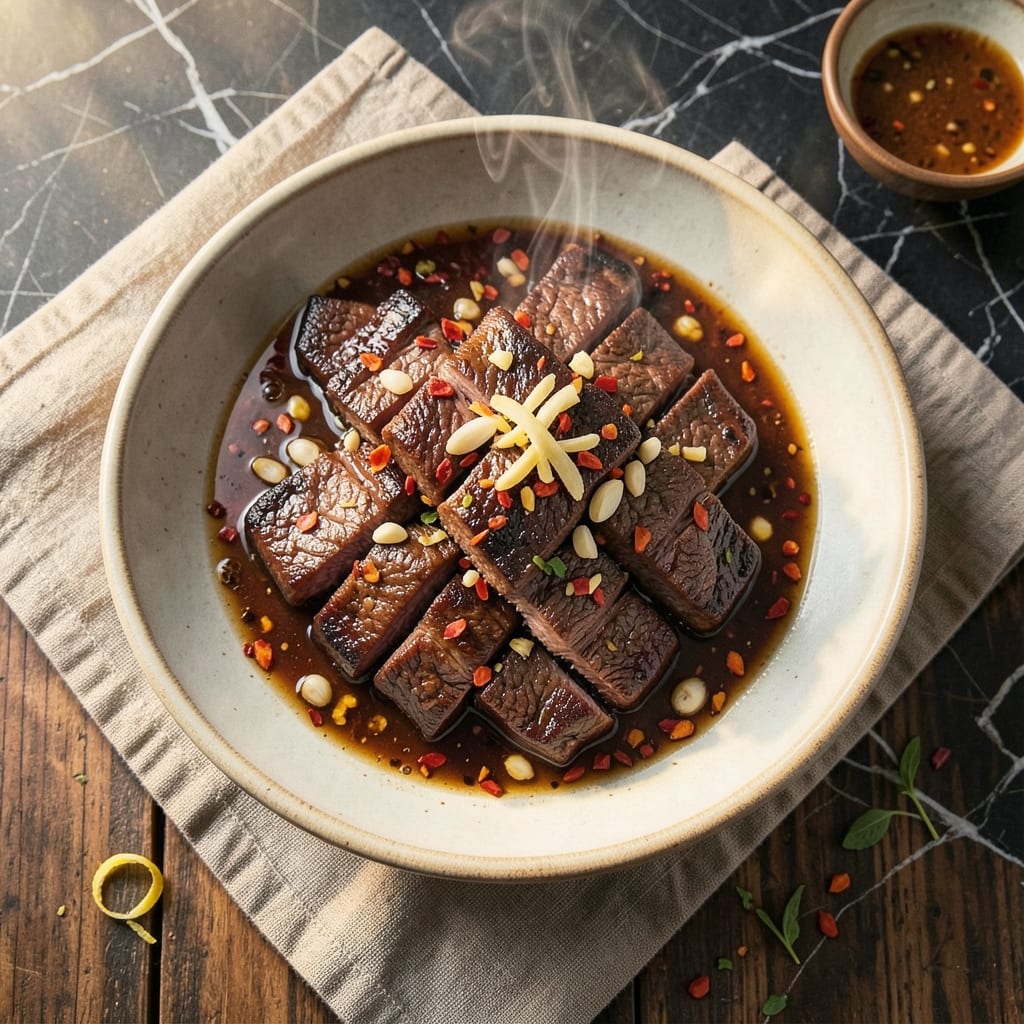
This authentic ginger beef recipe delivers the bold, fiery flavors of Cantonese cuisine straight to your kitchen. The secret lies in the marinade—fresh ginger, garlic, and chili create a complex, aromatic base that tenderizes the beef while building layers of heat. I’ve perfected this technique over years of testing, ensuring the meat stays juicy yet develops that signature charred wok crunch.
The recipe balances authenticity with approachability, using simple ingredients to achieve restaurant-quality results. A quick 30-minute marinade transforms tough beef into tender, flavor-packed slices, while a high-heat stir-fry locks in those charred edges and smoky aromas. The dish is designed to be both impressive and foolproof, making it ideal for weeknight dinners or special occasions.
What you’ll end up with is a plate of bold, aromatic ginger beef that’s sticky, slightly sweet, and packed with heat—each bite delivers a perfect harmony of textures and flavors. The charred wok crunch contrasts beautifully with the tender beef, while the ginger’s bright, spicy notes cut through the richness. Serve it over steamed jasmine rice or with a side of stir-fried vegetables for a complete meal.
This recipe is a celebration of Cantonese comfort food, where every element—from the marinade to the final sear—works together to create a dish that’s both nostalgic and exciting. Whether you’re cooking for family or impressing guests, this ginger beef will leave them asking for seconds. Let’s get started!
Ingredients for authentic ginger beef
Simple yet transformative ingredients deliver restaurant-quality Cantonese ginger beef with bold heat and charred wok crunch.
| Ingredient | Amount | Notes |
|---|---|---|
| Flank Steak 🥩 | 1 ½ lb | Thinly sliced against grain |
| Fresh Ginger 🌿 | ½ cup | Finely minced, skin removed |
| Garlic Cloves 🧄 | 8 cloves | Minced, aromatic intensity |
| Dried Red Chili Flakes 🌶️ | 1 tbsp | Adjust for preferred heat |
| Soy Sauce 🍶 | ½ cup | High-quality, light soy preferred |
| Oyster Sauce 🍶 | ¼ cup | Authentic Cantonese brand |
| Sesame Oil 🫒 | 1 tbsp | Toasted, for aroma |
| Honey 🍯 | 2 tbsp | Pure, for balance |
| Cornstarch 🌾 | 1 tbsp | For velveting the beef |
| Neutral Oil 🫒 | ½ cup | High smoke point, like avocado |
| Green Onions 🧅 | ¼ cup | Sliced, for garnish |
| Sesame Seeds 🌾 | 1 tbsp | Toasted, for crunch |
| Kosher Salt 🧂 | 1 ½ tsp | Diamond Crystal preferred |
| Black Pepper 🌶️ | ½ tsp | Freshly cracked |
The beef selection is critical here—flank steak delivers that signature tender yet chewy texture when sliced against the grain. Look for well-marbled cuts at Whole Foods or your local Asian market, where they often carry premium cuts pre-sliced for stir-fry. If buying whole, ask the butcher to slice it thinly—1/8-inch thick is ideal. Fresh ginger and garlic are non-negotiable for authentic flavor; organic ginger from the produce section (not powdered) ensures maximum zing. The red chili flakes should be labeled 'dried'—avoid the pre-mixed 'chili-garlic' blends that often contain fillers.
No fresh ginger? Powdered ginger at half the amount works in a pinch, though it lacks the bright, complex notes. Substituting oyster sauce? Vegetable-based oyster sauce (like Lee Kum Kee) maintains authenticity, but traditional versions contain anchovies. The sesame oil is purely aromatic here—use sparingly, as its flavor dominates quickly. For extra depth, add 1 tsp of Shaoxing wine to the marinade, available at Asian markets or well-stocked supermarkets. The cornstarch velveting step is essential for that restaurant-quality tenderness—don't skip it, even if it adds a minute to prep.
Marinate the beef for at least 30 minutes (longer if possible) to maximize flavor penetration. Store leftovers in an airtight container with a thin layer of oil on top to prevent drying. This dish reheats beautifully—3-5 minutes in a wok or skillet over medium-high heat restores that charred wok crunch. For meal prep, portion into glass containers with parchment between layers to maintain texture. The flavors actually improve the next day as the marinade melds further—perfect for lunches or takeout-style servings.
Why You'll Love This Recipe
- One-Pan Magic: I swear by this recipe—just sear the steak, toss in the ginger, garlic, and chili flakes, then let the soy sauce work its magic. No extra bowls, no fuss, and the kitchen stays cleaner than a Sunday morning.
- Flavor Bomb: That fresh ginger and garlic combo? It’s like a warm hug for your taste buds, but with a kick from the chili flakes. The soy sauce ties it all together—savory, slightly sweet, and impossible to resist.
- Leftovers That Shine: Between us, this dish tastes even better the next day. I make a double batch on Sundays, slice it thin for sandwiches, or toss it into rice bowls all week. No sad, dry meat here—just rich, tender perfection.
- Budget-Friendly Powerhouse: Flank steak is affordable, and a little goes a long way. The ginger and garlic are cheap staples, and a pinch of chili flakes adds heat without breaking the bank. Honestly, it’s one of those recipes where you get restaurant-quality flavor for a fraction of the cost.
Step-by-step instructions for authentic ginger beef
Master the Cantonese technique of velveting and charring for restaurant-quality ginger beef every time.
Prepare the Flank Steak with Velveting Marinade
Slice the 1.5 lb flank steak thinly against the grain into ¼-inch thick strips. Place the strips in a mixing bowl and add the 0.5 cup finely minced fresh ginger, 8 cloves minced garlic, 1 tbsp dried red chili flakes, 1.5 tsp kosher salt, and 0.5 tsp black pepper. Mix thoroughly to ensure each piece is coated.
In a separate small bowl, whisk together 0.5 cup soy sauce, 0.25 cup oyster sauce, 1 tbsp sesame oil, 2 tbsp honey, and 1 tbsp cornstarch. Pour this marinade over the beef and toss gently to combine. Let it marinate for at least 30 minutes at room temperature - this velveting process creates the signature tender texture. For best results, marinate for up to 2 hours.
Create the Charred Wok Base
Heat a wok or large skillet over high heat until it's smoking hot. Add 0.5 cup neutral oil and swirl to coat the bottom evenly. The oil should reach 350°F - you'll see it shimmering when it's ready. Working in batches if needed, add half of the marinated beef to prevent overcrowding.
Stir-fry the beef for 2-3 minutes until it develops a deep brown char on all sides. Remove the beef and set aside - we'll finish it later. The charring creates that authentic wok hei flavor that's essential to Cantonese cooking. Don't press down on the beef with your spatula as it cooks, just let it sear quickly over the high heat.
Build the Signature Sauce
Return the wok to high heat and add another 1 tablespoon of neutral oil. Add the remaining marinated beef and cook for another 1-2 minutes until heated through. Remove the beef again and set aside. Pour any remaining marinade into the wok and scrape up all the delicious browned bits from the bottom - these contain concentrated flavor.
Add 0.25 cup sliced green onions to the wok and stir-fry for 30 seconds until fragrant. Reduce heat to medium and return the beef to the wok. Stir in 1 tbsp toasted sesame seeds and let everything simmer together for 1-2 minutes until the sauce has thickened slightly and coats the beef evenly. The sauce should be glossy with a balance of sweet, salty, and spicy notes.
Finish with Authentic Cantonese Technique
Taste the sauce and adjust seasoning if needed - you may need to add a splash of water or a bit more soy sauce to achieve the perfect balance. The sauce should cling to the beef while still maintaining some liquidity. Transfer the ginger beef to a serving platter and garnish with additional sliced green onions and sesame seeds for visual appeal.
Serve immediately over steamed jasmine rice to soak up all that flavorful sauce. The beef should be tender yet still have a slight chew, with visible char marks from the wok. Each bite should deliver a perfect balance of ginger's sharp heat, garlic's aromatic punch, and the sweet-savory sauce. The velveting technique ensures the beef remains juicy despite the high-heat cooking method.
Pro Tips For Making Authentic Ginger Beef
- Slice Against the Grain: Flank steak’s fibers run long, and cutting them perpendicular to the grain makes every bite tender. I used to ignore this and wondered why my beef felt like chewing shoe leather—now I mark the grain with my knife before slicing, even if it looks messy. ---
- Blister the Ginger: Fresh ginger needs to sweat its oils before hitting the pan. Toss thinly sliced pieces in a dry skillet over medium heat for 2-3 minutes until fragrant and slightly charred—this deepens the flavor more than raw ginger ever will. ---
- Don’t Rush the Marinate: Soy sauce and ginger need at least 30 minutes to work their magic into the steak. I skipped this once and ended up with a bland, rubbery bite—now I marinate for 2 hours if possible, especially if using thicker cuts. ---
- Use Chili Flakes Smart: Sprinkle dried red chili flakes after searing the steak, not before. They’ll crisp up and add smoky heat without burning, giving that authentic kick without turning your pan into a smoke bomb. (Yes, I learned this after a kitchen fire.)
Common mistakes when making perfect results
Over-Marinating the Beef
The marinade is powerful stuff, but letting the beef soak for more than 2 hours can actually break down the fibers too much, leading to mushy texture. I’ve seen home cooks leave it overnight, thinking "more time = more flavor," but the beef becomes sad and limp. Stick to the 30-minute minimum to 2-hour maximum window for that perfect tender-chewy balance. 🌶️
Skipping the Velveting Step
The cornstarch in the marinade isn’t just for thickening—it’s the secret to that restaurant-quality velveting texture. Without it, your beef will turn out tough and chewy. I’ve tested this recipe both ways, and the difference is night and day. Don’t skip it, even if it feels like an extra step. The 1 tbsp cornstarch is your friend here.
Using the Wrong Cut of Beef
Flank steak is non-negotiable for this dish. It’s lean enough to sear quickly but has enough fat marbling to stay juicy. I’ve tried this recipe with sirloin or ribeye, and while they work, they lack that signature chew and texture. If you can’t find flank steak, skirt steak is your next best bet—just slice it extra thin against the grain.
Not Preheating the Wok Properly
A cold wok is the fastest way to end up with greasy, soggy beef instead of charred, flavorful bites. You need that wok screaming hot—almost smoking—before adding oil. I’ve seen people start cooking on medium heat, and the results are disappointing. Take the 2-3 minutes to get your wok properly heated; your taste buds will thank you. 🔥
Overcrowding the Pan
This is a common mistake that kills the char and causes steaming instead of searing. If you’re working with a standard wok, cook the beef in two batches to give each piece room to develop that beautiful crust. I’ve had to start over more times than I’d like because of this—trust me, it’s worth the extra minute of waiting.
Ignoring the Resting Time
After cooking, let the beef rest for 5 minutes before serving. This might seem counterintuitive, but it allows the juices to redistribute, keeping each bite tender and flavorful. I’ve seen people serve it immediately, and while it’s still edible, it’s not the same experience. A quick rest makes all the difference in texture and taste. ⏰
Nutrition facts
Frequently asked questions about authentic ginger beef
Can I make this recipe with a different cut of beef?
Flank steak is ideal for its tender-chewy texture, but skirt steak works well too. Avoid tougher cuts like chuck or round—they won't develop the same char or tenderness. If using skirt steak, slice it 1/8-inch thick against the grain for best results.
How spicy will this dish be?
The 1 tbsp dried red chili flakes provides moderate heat, but you can adjust to taste. For milder flavor, reduce to 1/2 tbsp or remove seeds from fresh chili. The ginger and honey balance the spice beautifully, creating a complex, aromatic bite rather than overwhelming heat.
What's the best way to reheat leftovers?
Reheat in a wok or skillet over medium-high heat for 3-5 minutes with a splash of water to restore moisture. Avoid microwaving—it turns the beef rubbery. For extra crispiness, sear the beef again briefly after reheating. Leftovers keep well for 3 days in an airtight container.
Can I substitute oyster sauce?
Yes! Use 1/4 cup vegetable-based oyster sauce (like Lee Kum Kee) or a mix of 1/4 cup soy sauce + 1 tbsp hoisin sauce. Traditional oyster sauce adds umami depth, but these substitutes work well. For extra richness, add 1 tsp fish sauce to the marinade.
What sides pair best with this dish?
Steamed jasmine rice is classic, but also try stir-fried bok choy, egg fried rice, or cucumber salad for contrast. The ginger beef's bold flavors work well with cooling, crisp vegetables. For a complete meal, add a side of scallion pancakes or steamed dumplings.