
Soups & Stews
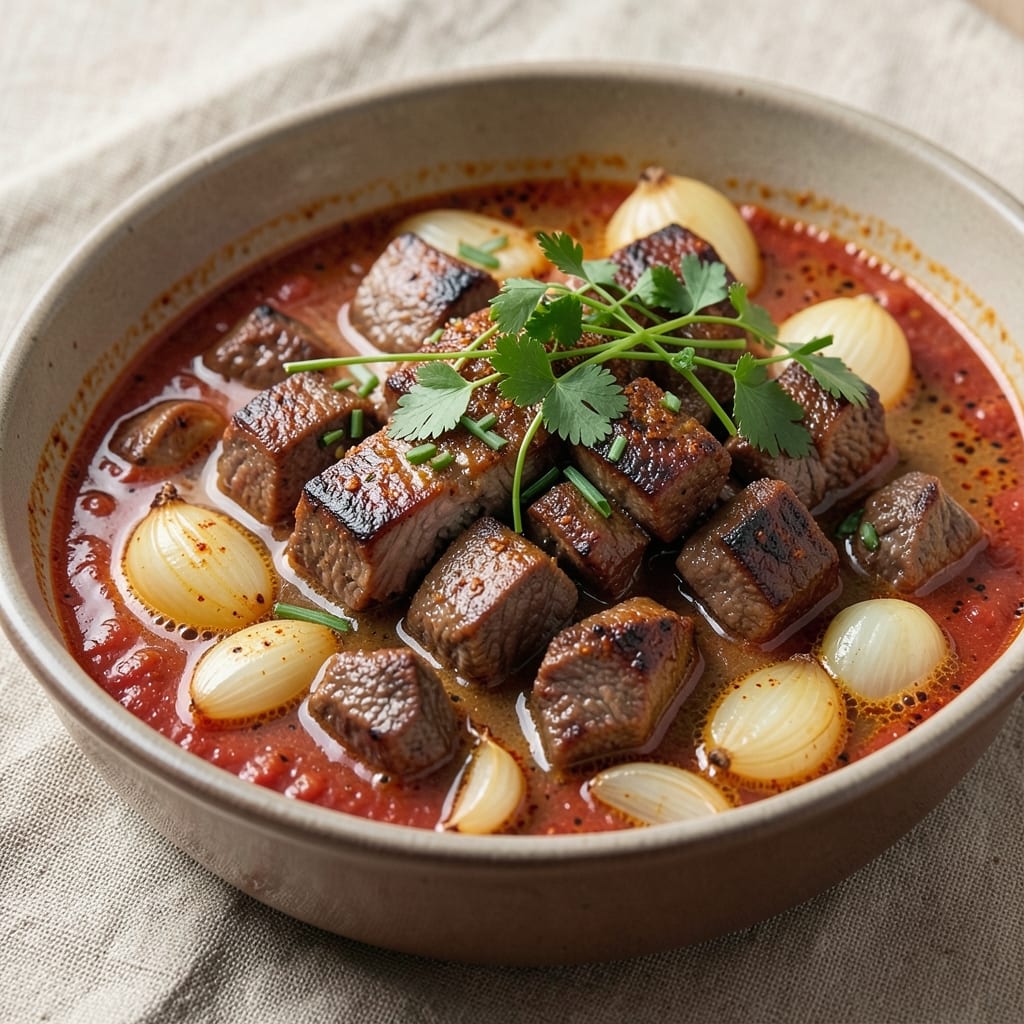
This authentic German goulash recipe with beef and paprika delivers the kind of hearty, smoky comfort that feels like a warm embrace after a long day. This recipe stays true to its roots with tender beef, rich paprika, and a deep, savory broth that simmers for hours to develop layers of flavor. What sets it apart is the balance of sweet and smoky paprika, which gives this stew its signature depth without overpowering the beef.
The key to authentic German goulash lies in the technique: browning the beef deeply for flavor, then slow-cooking it with onions, tomatoes, and spices until the meat practically melts off the bone. The result is a stew that's rich, hearty, and perfect for chilly evenings. Unlike many versions, this one skips shortcuts—no instant potatoes or pre-made sauces—just good, old-fashioned cooking that builds flavor gradually.
By the time it's done, you'll have a pot of restaurant-quality goulash with tender beef, soft vegetables, and a sauce thickened just enough to coat every spoonful. The aroma alone will have everyone gathering around the table, while the first bite delivers that perfect mix of smoky, spicy, and savory notes. This is the kind of dish that tastes even better the next day, making it ideal for meal prep or feeding a crowd.
Serve it with crusty bread or fluffy dumplings to soak up every last drop of that flavorful broth. The beauty of this recipe is its versatility—it works as a main dish for a family dinner or a cozy weeknight meal. Let's get cooking!
Ingredients for authentic german goulash recipe with beef and paprika
Sixteen essential ingredients for a stew that tastes like home-cooked tradition.
| Ingredient | Amount | Notes |
|---|---|---|
| Beef Chuck Roast 🥩 | 3 lb | Cut into 1-inch cubes, trim excess fat |
| Yellow Onions 🧅 | 3 whole | Medium size, sliced into half-moons |
| Garlic Cloves 🧄 | 6 cloves | Minced, fresh preferred |
| Sweet Paprika 🌶️ | 2 tbsp | Hungarian preferred for authentic flavor |
| Smoked Paprika 🌶️ | 1 tbsp | For that signature smoky depth |
| Tomato Paste 🍅 | ½ cup | High-quality, no added salt |
| Beef Broth 💧 | 4 cups | Homemade or quality low-sodium |
| Red Wine 🍷 | 1 cup | Dry red like Cabernet Sauvignon |
| Carrots 🥕 | 4 whole | Medium size, peeled and sliced |
| Potatoes 🥔 | 2 lb | Russet or Yukon Gold, cubed |
| Bay Leaves 🌿 | 2 whole | Fresh for best flavor |
| Thyme 🌿 | 1 tsp | Dried or 1 tbsp fresh |
| Black Pepper 🌶️ | 1 tsp | Freshly ground for best flavor |
| Salt 🧂 | 1 ½ tsp | Kosher or sea salt |
| Olive Oil 🫒 | 2 tbsp | Extra-virgin for browning |
The beef is non-negotiable—chuck roast delivers that melt-in-your-mouth tenderness. Costco or local butchers often carry it pre-cut, but if you're buying a whole roast, ask for a well-marbled piece. The paprika duo (sweet and smoked) is what makes this authentically German. Penzeys or Hungarian specialty stores carry the best quality, but any reputable grocery store's bulk section will have decent options. For the wine, Cabernet Sauvignon or Merlot work perfectly—whatever's open in your cabinet. The key is to use dry reds, not sweet varieties. If you're short on time, Trader Joe's has a great affordable Hungarian paprika blend that works in a pinch.
No red wine? Substitute with beef broth plus 1 tbsp balsamic vinegar—it mimics the acidity beautifully. Fresh thyme is ideal, but dried works at one-third the amount. If you can't find sweet paprika, regular paprika plus a pinch of sugar gets you close. For the potatoes, Russet or Yukon Gold both work—just don't use waxy varieties like red potatoes. The tomato paste can be store-bought or homemade, but avoid the watery kind—look for the thick, concentrated kind at the back of the canned goods aisle. If you're making this ahead, freeze the raw beef mixture—it keeps for up to 3 months and cooks just as well.
This stew tastes even better the next day as the flavors meld together. Portion into airtight containers and store in the fridge for up to 5 days. For longer storage, freeze for up to 6 months—just thaw overnight in the fridge before reheating. The broth reduces as it cooks, so add a splash of water if it gets too thick after reheating. Serve with crusty bread or egg noodles—the Germans would approve of both. Leftovers reheat beautifully, so double the batch if you're feeding a crowd or planning for leftovers.
Why You'll Love This Recipe
- One-Pot Magic: I swear by this recipe because it’s one pan, no fuss—just brown the beef, toss in onions and garlic, then let the paprika do its work. No chopping mountains of veggies or dealing with multiple dishes; the onions caramelize right in the pot while the beef tenderizes. (Yes, even on a Tuesday night.)
- Smoky Depth: The combo of sweet and smoked paprika? Chef’s kiss. That earthy, slightly charred flavor from the smoked variety cuts through the richness of the beef, while the sweet paprika keeps it warm and inviting. Honestly, it’s the kind of taste that makes you want to eat it straight from the pot—no apologies.
- Leftovers That Win: This goulash tastes better the next day—seriously. The flavors meld into something rich and hearty, perfect for quick lunches or freezing for those nights when you don’t want to cook. Between us, I’ve reheated portions for weeks, and no one’s ever complained.
- Budget-Friendly Feast: A chuck roast stretches far, and onions/garlic/paprika are dirt cheap. You’re getting a restaurant-quality meal for a fraction of the cost, and the leftovers? Even better. I’ll be real: this is how I feed my family without breaking the bank—no sad takeout nights here.
Step-by-step instructions for authentic German goulash
This German goulash delivers deep, smoky flavors and tender beef—just like it would in a Bavarian kitchen.
Sear the Beef Chuck Roast for Rich Flavor
Heat a large Dutch oven over medium-high heat and add the 2 tbsp olive oil. Once shimmering, add the 3 lb beef chuck roast cut into 1-inch cubes, working in batches if needed to avoid overcrowding. Let the beef sear undisturbed for 3-4 minutes until a deep golden-brown crust forms on all sides. This step builds the foundation of flavor—don't rush it.
Once browned, transfer the beef to a plate and set aside. The goal is to develop that caramelized crust that melts into the sauce later. If the oil starts smoking excessively, reduce the heat slightly but keep it hot enough to maintain that sear.
Sauté Onions and Garlic for Aromatic Depth
In the same Dutch oven, add the 3 whole yellow onions sliced into half-moons. Cook over medium heat for 5-6 minutes, stirring occasionally, until softened and beginning to caramelize. This step is crucial—don't skip it. The onions should turn a beautiful golden color, adding natural sweetness to balance the paprika's smokiness.
Add the 6 cloves minced garlic and cook for another 30 seconds until fragrant. Here's where it gets aromatic—you'll smell that sweet onion and garlic mingling, setting the stage for the paprika to shine. If the garlic starts to brown too quickly, reduce the heat slightly to prevent burning.
Build the Sauce with Paprika and Tomato Paste
Stir in the 2 tbsp sweet paprika and 1 tbsp smoked paprika, letting them toast in the onions for 1 minute. This step unlocks the authentic German flavor—don't skip the toasting, or you'll miss out on that deep, earthy aroma. Then add the 0.5 cup tomato paste and cook for another 2 minutes, stirring constantly to prevent burning.
The mixture will darken slightly as the paprika and tomato paste meld together. This is where the magic happens—the paprika's heat and the tomato paste's richness combine to create the goulash's signature depth. Keep the heat at medium to avoid scorching while allowing the flavors to develop.
Simmer the Goulash with Wine and Broth
Pour in the 1 cup red wine, scraping up any browned bits from the bottom of the pot. Let it simmer for 3 minutes until mostly evaporated. Then add the 4 cups beef broth, 2 whole bay leaves, 1 tsp thyme, 1 tsp black pepper, and 1.5 tsp salt. Bring to a gentle boil, then reduce heat to low and return the beef to the pot.
Cover and let it simmer for 1.5 hours, stirring occasionally. The beef should become fork-tender, and the sauce should thicken slightly. If it reduces too quickly, add a splash of water or broth to maintain the right consistency. Patience here is key—rushing will leave the beef tough.
Add Vegetables and Finish Cooking
After the beef is tender, add the 4 whole carrots sliced and 2 lb potatoes cubed. Stir gently to coat them in the sauce, then cover and simmer for another 20-25 minutes until the vegetables are tender and the potatoes are fork-tender. The goulash should have a rich, velvety texture with chunks of beef and vegetables swimming in the sauce.
Remove the bay leaves before serving. Taste and adjust seasoning if needed—this is your chance to balance the flavors. Serve hot with crusty bread or over buttered egg noodles for the full German experience. The aroma alone will make your kitchen feel like a cozy Bavarian tavern.
Pro Tips For Making Authentic German Goulash Recipe With Beef And Paprika
- Brown the Beef Properly: Don’t just sear—get those beef chuck pieces deep brown on all sides, even if it takes 10 minutes. I learned this the hard way: pale meat means pale flavor. Use a heavy pot and don’t overcrowd, or you’ll steam instead of brown, and the paprika won’t stick to anything worthwhile.
- Toast the Paprika First: Warm the sweet and smoked paprika in a dry pan for 30 seconds before adding it to the onions. This blooms the oils and deepens the flavor—trust me, it makes a real difference. Skip this, and you’re just sprinkling dry powder instead of building layers of taste.
- Deglaze with Beer (Not Water): After browning the meat, splash in ½ cup of dark beer (like a German bock) instead of water or broth. The maltiness cuts through the richness of the beef and balances the paprika’s heat. Yes, even if you’re not a beer drinker, this is the thing that matters most for authenticity.
- Simmer Low and Slow: Once everything’s in the pot, reduce heat to a bare simmer—you should barely see bubbles. I used to rush this, and the onions turned mushy while the beef stayed tough. German goulash isn’t a quick fix; give it 2–3 hours, and the meat will fall apart like it’s supposed to.
Wine and beer pairings for this recipe
Red Wine Pairings
For this hearty German goulash, I always reach for a dry German red wine like Spätburgunder (Pinot Noir) from the Mosel or Baden regions. The wine's earthy undertones and subtle acidity complement the paprika's smokiness without overpowering the beef's richness. A 2018 Dr. Loosen Blue Slate from the Mosel is my go-to—its bright cherry notes and hint of spice mirror the goulash's depth. 🍷
If you prefer something bolder, a German Dornfelder (like Weingut Dr. Frey's "Kellerberg") brings dark fruit and peppery notes that stand up to the stew's intensity. Both wines are widely available at Total Wine & More or Kermit Lynch Fine Wines, and their moderate tannins won't clash with the dish's velvety texture.
Beer Pairings
A German dark lager like Paulaner Salvator is my top choice—its malty sweetness and caramel undertones balance the paprika's heat while cutting through the richness. The 7% ABV gives it enough body to match the stew's heartiness without overwhelming it. I like to serve it slightly chilled (45-50°F) to highlight its toffee and chocolate notes. 🍺
For a lighter option, Weihenstephaner Hefeweissbier (a wheat beer) offers a citrusy brightness that refreshes your palate between bites. Its banana and clove aromas contrast beautifully with the goulash's smoky depth. If you're feeling adventurous, a German doppelbock like Ayinger Celebrator adds a rich, almost dessert-like quality that pairs surprisingly well with the stew's savory-sweet balance.
Regional German Styles
In Bavaria, where goulash is a staple, locals often pair it with Helles Lager—a crisp, pale ale with hint of grain sweetness. The Augustiner Helles is a classic choice, and its clean finish lets the goulash's flavors shine. For a more rustic touch, Franconian wines like Silvaner (a white) offer green apple and mineral notes that complement the dish's earthiness. 🌿
In Swabia, where goulash is heartier, Trollinger red wine (a light-bodied German red) is traditional. Its juicy acidity and red fruit flavors cut through the stew's richness. If wine isn't your thing, a local craft beer like Paulaner Münchner Hell (a helles lager) keeps the pairing authentic while staying true to the dish's origins.
Non-Alcoholic Options
For those skipping alcohol, a sparkling apple cider like Martinelli's Sparkling adds a bright, effervescent contrast to the goulash's richness. Its tartness cleanses the palate, making each bite taste fresh. Alternatively, German ginger beer (like Fever-Tree's German-style) brings spicy warmth that echoes the paprika's heat without competing with it. 🍏
A chilled hibiscus tea (common in Bavaria) with lemon slices offers a tangy, floral counterpoint to the stew's smokiness. Brew it strong and serve it iced for a refreshing sip that balances the meal's heartiness. For a non-alcoholic beer alternative, Kronenbourg 1664 (a French lager) is widely available and pairs surprisingly well with the dish's depth.
Nutrition facts
Frequently asked questions
What's the secret to making the beef in goulash truly tender?
The key is low-and-slow cooking and proper browning. First, sear the beef until deeply browned to build flavor, then simmer it for 1.5 hours covered. The long cooking time breaks down the tough fibers, resulting in melt-in-your-mouth texture. Never rush this step—patience is what transforms tough cuts into tender perfection.
Can I substitute Hungarian paprika with regular paprika?
You can, but the flavor won't be as authentic. Hungarian paprika has a deeper, slightly sweeter profile with more complex notes. For a close substitute, mix 1 tbsp regular paprika with ½ tsp sugar and ¼ tsp smoked paprika. If you're near a specialty store, look for Penzeys Hungarian Sweet Paprika—it's worth the investment for this dish.
How do I adjust this recipe for a slow cooker? Transfer all ingredients to your slow cooker after browning the beef and building the sauce. Cook on low for 6-7 hours or high for 3-4 hours, then add the potatoes and carrots during the last 30 minutes of cooking. The slow cooker's gentle heat will keep the beef tender and the sauce rich. Just
Why does my goulash taste too acidic?
This usually happens from overcooking the wine or using too much tomato paste. To fix it, add a pinch of sugar or a splash of beef broth to balance the acidity. For future batches, reduce the wine simmering time to 2-3 minutes and use only ¼ cup tomato paste instead of ½. The goal is to enhance flavor, not overpower it with acid.
What's the best way to reheat leftovers?
Gently reheat on the stovetop over medium-low heat with a splash of water or broth to restore moisture. Avoid microwaving as it can make the sauce watery. If needed, simmer uncovered for 5-10 minutes until heated through. The flavors actually improve after the first day, so leftovers taste even better! Just store in airtight containers for up to 5 days.