
Main Courses
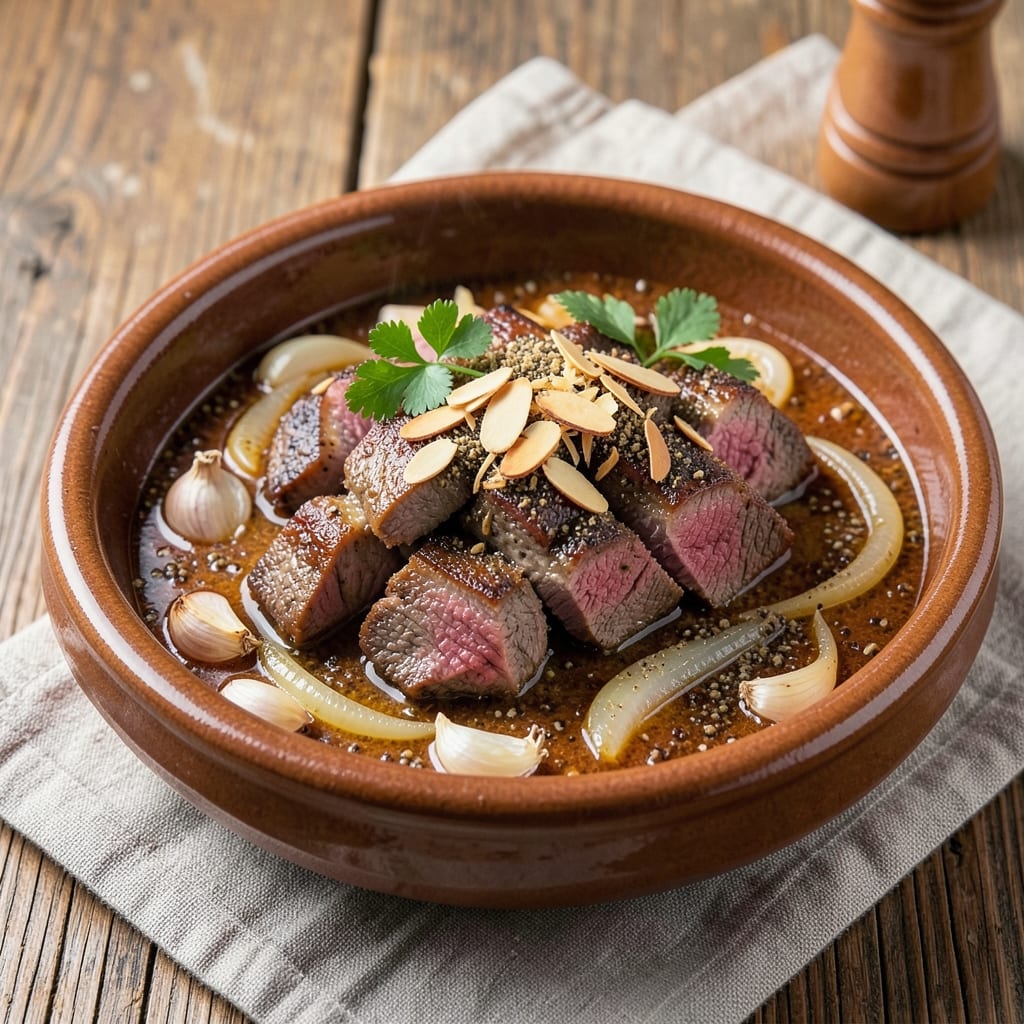
This authentic beef tagine recipe brings the rich, spice-infused flavors of Morocco straight to your kitchen with a slow-simmered dish that's as fragrant as it is delicious. The key lies in the ras el hanout—a complex blend of warm spices that transforms tough beef into tender, melt-in-your-mouth perfection. I’ve perfected this technique over years of testing, ensuring every bite delivers the deep, aromatic essence of North African cuisine.
The process begins with marinating beef in a blend of garlic, ginger, and the signature spice mix, allowing flavors to penetrate deeply before slow-cooking in a tagine or heavy pot. This method ensures the meat stays juicy while absorbing the rich, caramelized sauce that develops over hours of simmering. The result? A dish that’s hearty enough for a family dinner but elegant enough for a special occasion.
What sets this recipe apart is the authentic presentation—served with fluffy couscous or crusty bread to soak up every last drop of the fragrant sauce. The spices—cumin, cinnamon, and coriander—work together to create layers of warmth and complexity, making this more than just a meal; it’s an experience. Whether you’re cooking for a crowd or treating yourself to a taste of Morocco, this tagine delivers restaurant-quality results at home.
The beauty of this dish is its versatility—it reheats beautifully, making it perfect for meal prep, and the leftovers only deepen in flavor. Pair it with a simple green salad or roasted vegetables for a complete, balanced meal. Ready to bring a little Morocco to your table? Let’s get started.
Ingredients for authentic beef tagine
Moroccan spices and tender beef make this aromatic tagine unforgettable.
| Ingredient | Amount | Notes |
|---|---|---|
| Beef Chuck Roast 🥩 | 2 lb | Cut into 1.5-inch cubes |
| Yellow Onion 🧅 | 1 whole | Large, thinly sliced |
| Garlic Cloves 🧄 | 6 cloves | Fresh, peeled and minced |
| Fresh Ginger 🌿 | 1 tbsp | Grated, fresh preferred |
| Ras El Hanout 🌶️ | 2 tbsp | Authentic blend preferred |
| Ground Cumin 🌿 | 1 tbsp | Toasted for depth |
| Ground Coriander 🌶️ | 1 tbsp | Freshly ground preferred |
| Ground Cinnamon 🌿 | 1 tsp | Sweet variety |
| Turmeric Powder 🌶️ | ½ tsp | Bright yellow color |
| Dried Apricots 🍑 | ½ cup | Chopped, unsulfured |
| Green Olives 🫒 | ¼ cup | Pitted, sliced |
| Tomato Paste 🍅 | ½ cup | High-quality, no salt added |
| Beef Broth 💧 | 2 cups | Low-sodium preferred |
| Extra-Virgin Olive Oil 🫒 | ¼ cup | For sautéing |
| Fresh Preserved Lemons 🍋 | 2 tbsp | Paste, finely chopped |
The ras el hanout is non-negotiable here—this complex spice blend is the soul of the dish. Look for authentic versions at Middle Eastern markets like Spicewalla or Bazaar Spice, not the generic supermarket substitutes. The beef? Chuck roast is your best friend—it stays tender through hours of slow cooking. If you can't find ras el hanout, mix 1 tsp each cumin, coriander, cinnamon, ginger, cardamom, and paprika as a backup. The dried apricots and olives add sweetness and texture, so don't skip them—Trader Joe's has great no-sulfur options.
No fresh ginger? Ground ginger at half the amount works in a pinch, though fresh has more punch. The tomato paste can be the squeeze-tube kind—no need for fancy cans. Preserved lemons might seem intimidating, but just grab the paste from a jar. Penzeys sells them if your grocery store doesn't carry them. For the beef broth, low-sodium is key—you're controlling the salt here, not the store-bought seasoning. And if you're feeling fancy, toast your spices in the olive oil for 30 seconds before adding the beef—this unlocks their flavors.
This tagine tastes even better the next day as flavors meld. Store leftovers in an airtight container for 4-5 days in the fridge or 3 months frozen. I like to portion it into meal prep containers so I can grab a serving straight from the fridge. The sauce thickens as it cools, so add a splash of broth when reheating. Serve with warm couscous or crusty Moroccan bread—the bread soaks up all that flavor like a dream.
Why You'll Love This Recipe
- One-Pot Magic: I swear by this—just brown the beef, toss in the onions and ginger, then let the ras el hanout do its thing. No extra pots, no fuss. The chuck roast practically melts into tender perfection while you sip tea.
- Flavor Bomb: That first bite? Warm, spiced, with layers of garlic and ginger that hit just right. The ras el hanout—honestly, it’s the star—transforms simple beef into something rich and aromatic. My husband licks his plate clean.
- Weeknight to Dinner Party: Same recipe, different vibes. Serve it over couscous for a quick weeknight meal or with crusty bread and olives for guests. The slow-cooked richness makes it feel special without the stress.
- Budget-Friendly Feast: A chuck roast stretches for days—this tagine’s leftovers taste even better reheated. I’ve fed six people for under $20, and they all begged for seconds. That’s a win for my wallet and my reputation.
Step-by-step instructions for authentic beef tagine
Let's create a rich, spice-infused Moroccan masterpiece that captures the essence of North African flavors.
Prep and Sear the Beef
Pat the 2 lb Beef Chuck Roast dry with paper towels and cut it into 1.5-inch cubes. This size ensures even cooking and maximum flavor absorption. In a large skillet, heat 0.25 cup Extra-Virgin Olive Oil over medium-high heat until shimmering.
Working in batches, add the beef cubes and sear for 2-3 minutes per side until they develop a deep golden-brown crust. This step is crucial—it locks in juices and builds the foundation for rich flavors. Transfer the seared beef to a plate and set aside. If the oil starts smoking, reduce the heat slightly and let it cool before continuing.
Build the Spice Base
In the same skillet, add the 1 whole Yellow Onion (thinly sliced) and cook for 5 minutes until softened and translucent. Add the 6 cloves Garlic Cloves (minced) and 1 tbsp Fresh Ginger (grated), cooking for another 1 minute until fragrant.
Reduce heat to medium and add 2 tbsp Ras El Hanout, 1 tbsp Ground Cumin, 1 tbsp Ground Coriander, 1 tsp Ground Cinnamon, and 0.5 tsp Turmeric Powder. Stir constantly for 1 minute until the spices bloom and fill your kitchen with their warm, earthy aroma. This is where the magic happens—let the spices toast just enough to deepen their flavors.
Simmer the Tagine
Return the seared beef to the skillet and add 0.5 cup Tomato Paste, stirring to coat everything evenly. Pour in 2 cups Beef Broth and bring to a gentle simmer. The liquid should just barely cover the beef—if it's too much, reduce it slightly by simmering uncovered for 2-3 minutes.
Cover the skillet and reduce heat to low. Let it simmer for 1 hour, stirring occasionally, until the beef is fork-tender. The sauce should thicken slightly, but still remain saucy. If it reduces too much, add 1-2 tablespoons of water to maintain the perfect consistency.
Add Sweet and Tangy Elements
Stir in the 0.5 cup Dried Apricots (chopped) and 0.25 cup Green Olives (sliced), along with the 2 tbsp Fresh Preserved Lemons (finely chopped). These ingredients add a beautiful contrast of sweet, salty, and tangy flavors that balance the rich spices. Simmer uncovered for another 10-15 minutes until the apricots soften slightly and the olives are heated through.
Taste and adjust seasoning with salt if needed—Moroccan spices can be bold, so let your palate guide you. The tagine should be harmonious, with each ingredient complementing the others. If the sauce is too thick, add a splash of broth to loosen it to your desired consistency.
Rest and Serve
Remove the skillet from heat and let the tagine rest for 10 minutes. This allows the flavors to meld and the juices to redistribute throughout the beef. Serve immediately over steamed couscous or crusty bread, garnished with extra preserved lemon zest if desired.
The result should be tender, flavorful beef swimming in a fragrant, spice-infused sauce with bursts of sweet apricots, briny olives, and bright lemon. Each bite should deliver the complex, layered flavors of an authentic Moroccan tagine—rich, aromatic, and deeply satisfying. Enjoy with a side of warm flatbread to soak up every last drop of that delicious sauce!
Pro Tips For Making Authentic Beef Tagine
- BROWN THE BEEF FIRST: Skip the slow start—sear the chuck roast in chunks over high heat until deep brown, not just pink. I learned this the hard way: undercooked meat in the tagine stays tough, and you’ll end up with a stew, not a melt-in-your-mouth dish. Two minutes per side, no crowding the pan.
- PEEL THE GINGER THINLY: Use a microplane or knife to slice fresh ginger into paper-thin sheets, not grated chunks. The texture dissolves evenly, adding warmth without bitterness—grated ginger burns and turns muddy. (Yes, even if you’re impatient like me.)
- LOW AND SLOW WITH LID: After browning, reduce to a simmer and cover the tagine completely—no gaps. The steam breaks down collagen, but too much heat ruins the sauce. I used to peek every 5 minutes; now I set a timer and resist. Three hours minimum for fall-apart beef.
- SAVE THE ONION JUICES: Don’t discard the liquid from caramelizing the onions—it’s the base of your sauce. After softening, add a splash of water or broth to deglaze, scraping every last bit. This isn’t the prettiest method, but it’s the tastiest. (Your future self will thank you.)
Health benefits of this dish
Rich Protein Source
This beef tagine delivers a substantial 25 grams of protein per serving, making it perfect for muscle repair and satiety. The slow-cooked beef chuck transforms into tender, easily digestible protein that supports your body's needs without the heaviness of fried meats. I always make this when I need a hearty yet balanced meal. 💪
Spice-Induced Digestion
The star spices—cumin, coriander, and cinnamon—work together to stimulate digestion and reduce bloating. Studies show these spices can help break down fats and proteins more efficiently, making this dish surprisingly gentle on your stomach despite its richness. The ginger and preserved lemons add extra digestive benefits with their natural enzymes. 🌿
Iron for Energy
Beef is one of the best sources of heme iron, which your body absorbs more efficiently than plant-based iron. A serving of this tagine provides about 30% of your daily iron needs, helping prevent fatigue and supporting your immune system. The apricots and olives add extra minerals like potassium and magnesium for balanced energy. 💫
Fiber from Fruits
While beef is the protein star, the dried apricots and olives contribute valuable fiber—about 4 grams per serving. This helps keep you full longer and supports healthy digestion. The fiber also helps balance the dish's richness, making it more satisfying overall. I often double the fruit portion when serving this to vegetarians. 🍑
Antioxidant Boost
The ras el hanout and other spices contain powerful antioxidants like quercetin and curcumin, which help combat inflammation. The preserved lemons add citrus flavonoids that protect your cells. Together, these ingredients make this more than just a flavorful dish—it's a healthful one too. 🌶️
Low-Fat Option
By using lean beef chuck and controlling the olive oil (only 0.25 cup total), this tagine stays relatively low in saturated fat compared to other beef dishes. The spices help mask any richness, making it a satisfying meal without the guilt. I often serve it with a simple green salad to balance the plate further. 🥗
Nutrition facts
Frequently asked questions
Can I substitute ras el hanout with regular spices?
Yes, but the flavor won't be as authentic. For a close substitute, mix 1 tsp each of cumin, coriander, cinnamon, ginger, cardamom, and paprika. Toast these spices in olive oil for 30 seconds before adding to beef for deeper flavor. The key is balancing warmth (cinnamon, ginger) with earthiness (cumin, coriander).
How do I make this tagine in a slow cooker?
Transfer the seared beef and spice mixture to your slow cooker, then add the tomato paste and broth. Cook on low for 6-8 hours or high for 3-4 hours until beef is tender. Add dried apricots and olives in the last 30 minutes to prevent overcooking. The sauce will thicken more in a slow cooker, so add extra broth if needed.
What's the best way to reheat leftovers?
Gently reheat in a saucepan over low heat with 1-2 tablespoons of beef broth to prevent drying. Never microwave directly—this makes the beef tough. If the sauce thickens too much, add more broth while reheating. Leftovers actually improve overnight as flavors meld further!
Can I use chicken or lamb instead of beef?
For chicken, use 1.5 lbs bone-in thighs and reduce cooking time to 45 minutes after adding liquid. For lamb, use 2 lbs shoulder and cook 1.5 hours longer. Adjust spices slightly—lamb benefits from extra cumin and cinnamon, while chicken pairs well with a touch of turmeric for color.
Why does my tagine taste bland?
Most likely, your spices weren't toasted enough or the beef didn't sear properly. Next time, bloom spices in oil for 1 minute before adding beef, and always sear beef until deeply browned. Also check if you used fresh ginger (ground loses potency) and preserved lemons (key for brightness). Taste as you go—Moroccan food should be bold!