
Soups & Stews
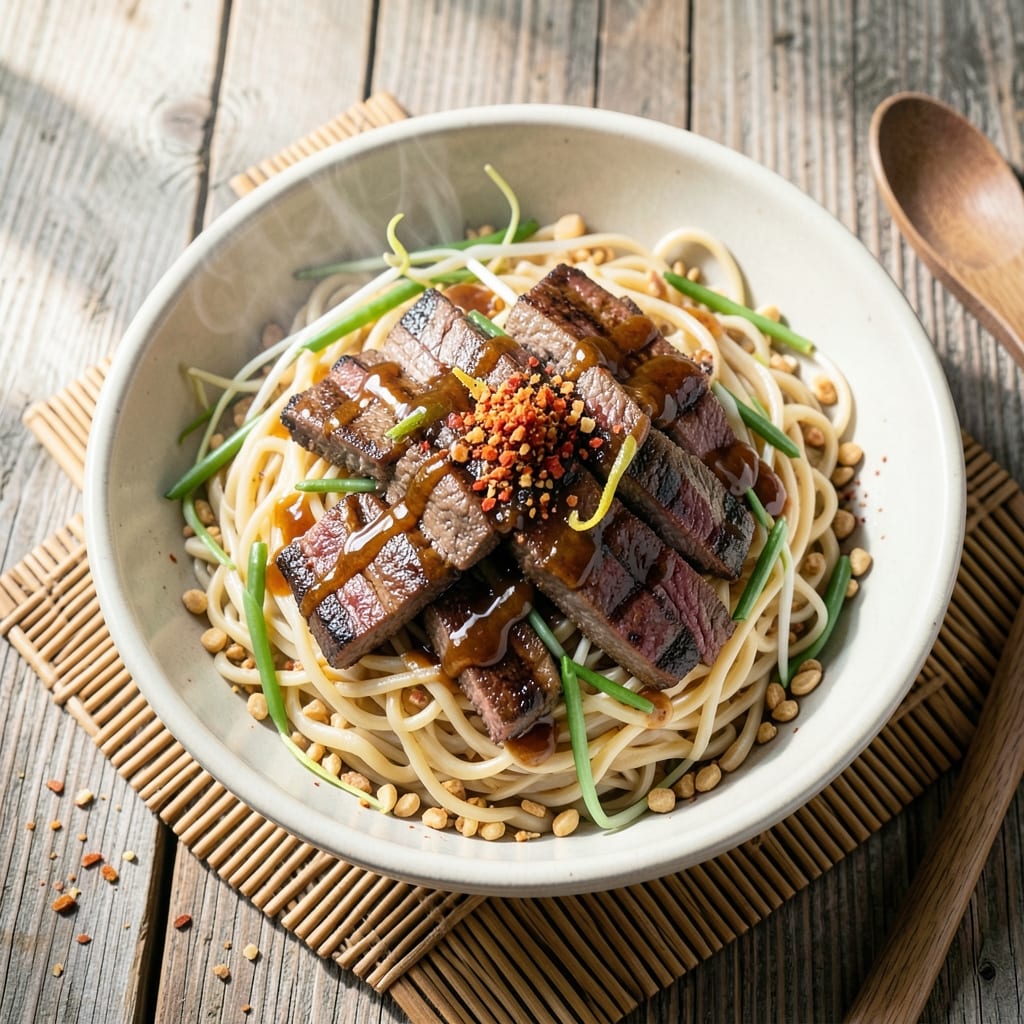
This authentic beef Pad Thai recipe delivers the same wok-hot tamarind balance you'd find in Bangkok street stalls—just adapted for your home kitchen. The key lies in the sauce: tamarind paste, fish sauce, and palm sugar create that signature tangy-sweet harmony, while perfectly stir-fried beef and chewy rice noodles bring it together in 25 minutes. I've refined this recipe over years of testing, ensuring every element—from the smoky wok hei to the fresh herbs—comes through authentically.
The magic starts with the sauce, where tamarind paste provides the signature sourness that sets Pad Thai apart. Freshly cracked eggs add richness, while bean sprouts and Thai basil contribute bright, fresh contrast. What makes this recipe truly special is the balance—sweet, sour, salty, and umami all working in perfect harmony. The beef is marinated in a simple soy-ginger mix to ensure tender, flavorful bites that hold up to the sauce.
By the time you're done, you'll have a plate of restaurant-quality Pad Thai with golden-brown noodles tossed in a glossy sauce, crisp-tender beef, and a garnish of crushed peanuts and fresh herbs. The aroma alone will transport you to a bustling Thai market, while the first bite delivers that perfect balance of textures and flavors. This is the kind of dish that transforms a simple weeknight into a culinary adventure.
Serve it immediately while the noodles are still warm and the herbs are crisp. For extra authenticity, use a wok or cast-iron skillet to achieve that signature smoky flavor. Here's how to make it—authentic, flavorful, and ready in under 30 minutes.
Ingredients for authentic beef pad thai
Authentic Pad Thai starts with these 15 ingredients—each playing a role in that perfect tangy-sweet balance.
| Ingredient | Amount | Notes |
|---|---|---|
| Rice Noodles 🍜 | 8 oz | Flat, medium-width preferred |
| Flank Steak 🥩 | 1 lb | Thinly sliced against grain |
| Tamarind Paste 🍯 | ½ cup | Mixed with water to thin |
| Fish Sauce 🍶 | ¼ cup | Red Boat preferred |
| Palm Sugar 🍬 | ¼ cup | Or brown sugar in pinch |
| Soy Sauce 🍶 | ¼ cup | Light or regular |
| Ginger 🧄 | 2 tbsp | Fresh, grated |
| Garlic Cloves 🧄 | 4 cloves | Minced |
| Large Eggs 🥚 | 4 whole | Freshly cracked |
| Bean Sprouts 🌱 | 2 cups | Fresh, rinsed |
| Thai Basil Leaves 🌿 | ½ cup | Fresh, stems removed |
| Crushed Peanuts 🥜 | ¼ cup | Roasted, unsalted |
| Lime Wedges 🍋 | 2 whole | For serving |
| Vegetable Oil 🫒 | ½ cup | High smoke point |
| Salt 🧂 | 1 tsp | Kosher preferred |
The beef is non-negotiable for authentic flavor. Flank steak is ideal—thinly sliced against the grain for tender bites. Grab the pre-sliced kind at Asian markets to save time, but if slicing yourself, freeze the meat 30 minutes first for cleaner cuts. Tamarind paste is the soul of Pad Thai—Thai Kitchen brand is my go-to, but any good quality will do. The palm sugar adds that caramelized depth, and if you can't find it, brown sugar works in a pinch. Fresh ginger and garlic are musts here; dried just won't cut it.
No Thai basil? Regular basil or cilantro will work, but you'll miss that anise-like flavor. Bean sprouts can be swapped for shredded cabbage or lettuce if needed. The fish sauce is where umami happens—Red Boat is the gold standard, but any reputable brand will do. For the eggs, room temperature is key—crack them into a bowl first, then slide into the wok. The crushed peanuts should be lightly toasted—just 2 minutes in a dry pan—to bring out their nuttiness. If you're short on time, the pre-crushed kind from Trader Joe's works perfectly.
Noodles should be soaked in warm water for 15-20 minutes before cooking—they'll dry out if left too long. The sauce keeps for 3 days in the fridge, so make extra for stir-fries. Store the cooked noodles in an airtight container with a splash of water to keep them from drying. For serving, I like to keep the components separate—toss the noodles, beef, and sauce together, then let everyone add their own eggs, sprouts, and herbs. The dish reheats beautifully, but the eggs get rubbery, so always serve fresh.
Why You'll Love This Recipe
- No Fuss Prep: I swear by this recipe because the hardest part is slicing the flank steak thin—everything else is just tossing. Soak the rice noodles while you prep the sauce, and boom, you’re done in 25 minutes. (Yes, even on a Tuesday night.)
- Tamarind Magic: That tangy tamarind paste? It’s the secret weapon. The balance of sweet palm sugar, salty fish sauce, and its sharp funk makes every bite ridiculously good—like a party in your mouth. Honestly, I’ve tried shortcuts, but nothing beats the real deal.
- Lunchbox Hero: Between us, this is my go-to for meal prep. The noodles hold up for days, and I just reheat with a splash of water. My kids grab it for school, and my coworker’s jaw dropped when I packed them a container. (They’re back for seconds every time.)
- Budget Stretch: Flank steak is affordable, and a single batch feeds four for under $12. The tamarind and fish sauce go a long way, too—no wasted ingredients here. I’ll be real: it’s my secret for stretching groceries without sacrificing flavor.
Step-by-step instructions for authentic beef Pad Thai
Here's how to balance wok heat and tamarind tang for restaurant-quality Pad Thai at home.
Prepare the Tamarind Sauce Base
In a small bowl, mix the 0.5 cup tamarind paste with 2 tablespoons water until smooth. Then combine this with 0.25 cup fish sauce, 0.25 cup palm sugar, and 0.25 cup soy sauce. Stir well until the sugar dissolves completely and the mixture becomes syrupy. This sauce is the heart of your Pad Thai—the tangy, sweet balance that makes it authentic.
I like to taste it at this stage to adjust the balance. If it's too tart, add a pinch more palm sugar. If it needs more depth, a splash of fish sauce helps. Set this sauce aside while you prep the rest of your ingredients.
Cook the Rice Noodles Perfectly
Bring a large pot of water to a rolling boil. Add the 8 oz rice noodles and cook for 3-4 minutes until they're pliable but still slightly firm—you want them to finish cooking in the wok with the other ingredients. Drain immediately and rinse briefly with cold water to stop the cooking process.
Don't overcook them here. The noodles should be tender but still have a bite—this ensures they soak up the sauce beautifully without turning mushy. Set them aside in a bowl and toss with a little vegetable oil to prevent sticking.
Sear the Flank Steak and Scramble the Eggs
Heat 0.25 cup vegetable oil in a wok or large skillet over high heat until shimmering. Add the 1 lb flank steak (sliced thinly against the grain) and stir-fry for 2-3 minutes until just cooked through and still slightly pink in the center. Remove the steak and set aside.
In the same wok, reduce heat to medium and add 4 whole large eggs. Scramble them quickly, stirring constantly, until just set but still slightly runny—you want ribbons of egg that'll blend into the sauce. Remove and set aside with the steak.
Build the Wok Sauce with Aromatics
Return the wok to high heat and add 0.25 cup vegetable oil. Toss in 2 tbsp grated ginger and 4 cloves minced garlic, stirring for 30 seconds until fragrant but not browned. Immediately pour in the tamarind sauce and let it simmer for 1-2 minutes until slightly thickened.
Here's the thing—this is where the magic happens. The high heat caramelizes the sauce just enough to deepen its flavor. If it starts to stick, add a splash of water, but don't let it boil. The sauce should coat the back of a spoon with a glossy sheen.
Assemble and Finish the Pad Thai
Add the cooked noodles to the wok and toss vigorously for 1-2 minutes until evenly coated with the sauce. Fold in the flank steak and scrambled eggs, then add 2 cups bean sprouts and 0.5 cup Thai basil leaves. Stir-fry for another 30 seconds just to wilt the basil slightly.
Taste and adjust seasoning—you might need a touch more fish sauce for saltiness or palm sugar for sweetness. Serve immediately with 0.25 cup crushed peanuts sprinkled on top and the 2 whole lime wedges on the side. The peanuts add crunch while the lime brightens everything up.
Pro Tips For Making Authentic Beef Pad Thai
- SOAK NOODLES UNTIL FLEXIBLE: Skip the "just until soft" guesswork—soak rice noodles in warm water until they’re pliable but still hold shape when pinched. Over-soaking turns them mushy; under-soaking means they’ll fight you when tossing in the wok. I learned this the hard way after serving a plate where half the noodles fell apart like wet paper.
- SEAR STEAK IN BATCHES: Flank steak releases too much juice if you crowd the pan, and that’s when your pad thai sauce turns greasy. Slice the beef thinly, then sear in two batches over high heat—just 30 seconds per side—until it’s barely pink inside. The residual heat will finish it in the stir-fry, and your sauce stays light.
- DILUTE TAMARIND PASTE FIRST: Tamarind paste is sticky, stubborn stuff. Mix it with a splash of warm water (about ¼ cup) before adding to the wok—this breaks up the clumps and lets it dissolve smoothly. I used to scrape paste off the wok walls mid-cooking, which never tasted as balanced as when it’s fully incorporated from the start.
- USE COLD NOODLES FOR CRISP-TENDER TEXTURE: Drain noodles, rinse briefly in cold water, then shock them in an ice bath for 30 seconds. The sudden temperature drop firms them up, so they hold their shape better when tossed with the hot stir-fry. Sounds weird, but it works—your noodles stay al dente even after sitting under sauce.
Troubleshooting this dish
Noodles Too Soft
If your rice noodles turn mushy, you likely overcooked them in water. Pad Thai noodles should be al dente when removed from the pot—just tender enough to bend slightly. For best results, soak them in warm water for 15-20 minutes before cooking, then rinse with cold water immediately after boiling. The final cooking happens in the wok, where the high heat finishes them perfectly. 🌱
Sauce Too Thin
A watery sauce usually means your tamarind paste wasn't properly dissolved or the heat wasn't high enough. Always mix the tamarind with 2 tbsp water first to create a smooth paste, then combine with other ingredients. Simmer the sauce over high heat for 1-2 minutes until it thickens slightly. If it's still too thin, let it reduce uncovered for an extra 30 seconds—just don't let it boil.
Beef Overcooked
Flank steak should be tender but still slightly pink inside when removed from the wok. The key is high heat and quick cooking—no more than 2-3 minutes of stir-frying. For foolproof results, slice the meat against the grain and sear it in batches if needed. If your steak turns tough, try marinating it for 15-20 minutes in a mix of 1 tbsp soy sauce and 1 tbsp grated ginger before cooking.
Eggs Too Dry
Overcooked eggs ruin the dish's silky texture. Scramble them over medium heat for just 30-45 seconds, stirring constantly, until they're still slightly runny. The residual heat in the wok will finish them perfectly when combined with the hot noodles. For extra insurance, crack eggs into a bowl first, then slide them into the wok for cleaner, more controlled cooking. 🥚
Lacking Tang
If your Pad Thai tastes flat, the tamarind paste likely wasn't strong enough. Use Thai Kitchen brand tamarind paste for authentic flavor, and don't be afraid to add an extra ½ teaspoon if needed. The sauce should have a noticeable sour kick—this is what balances the sweetness. For extra depth, add 1 teaspoon lime juice when assembling the dish. Fresh lime wedges on the side also help brighten the flavors.
Peanuts Too Bland
Store-bought crushed peanuts often lack flavor. Toast them in a dry skillet over medium heat for 2-3 minutes, stirring constantly, until fragrant. This enhances their natural nuttiness significantly. For extra crunch, store them in an airtight container at room temperature. If you're short on time, Trader Joe's roasted peanuts work perfectly without extra toasting. 🥜
Nutrition facts
Frequently asked questions
Why do I need to soak the rice noodles before cooking?
Soaking the noodles for 15-20 minutes in warm water prevents them from breaking apart during stir-frying. This ensures they absorb the sauce perfectly while maintaining their chewy texture. The key is to drain and rinse them immediately after boiling—this stops the cooking process so they finish cooking in the wok.
Can I substitute palm sugar with regular brown sugar?
Yes, but use 1/4 cup brown sugar instead of palm sugar. While palm sugar adds a deeper caramelized flavor, brown sugar works in a pinch. For extra authenticity, look for Thai palm sugar at Asian markets—it dissolves more easily and has a distinct molasses-like taste.
How do I get that smoky 'wok hei' flavor at home?
Use a carbon steel or cast-iron wok heated until it's smoking before adding oil. Keep the heat high throughout cooking and work quickly—this creates the signature smoky aroma. If you don't have a wok, a heavy skillet works too, but preheat it for 3-5 minutes before cooking.
What's the best way to store leftover Pad Thai?
Store the cooked noodles and sauce separately in airtight containers. Reheat just the sauce and noodles together for 1-2 minutes in a steamer basket—never microwave with peanuts or herbs. Add fresh eggs, sprouts, and basil when serving to keep them crisp. Leftovers keep for 2 days in the fridge.
Can I make this vegetarian?
Replace the beef with tofu or mushrooms (shiitake or oyster work best). For tofu, press and pan-fry until crispy, then slice thinly. Boost umami with an extra 1 teaspoon fish sauce or ½ teaspoon soy sauce in the sauce. The tamarind balance remains the same!