
Sauces & Condiments
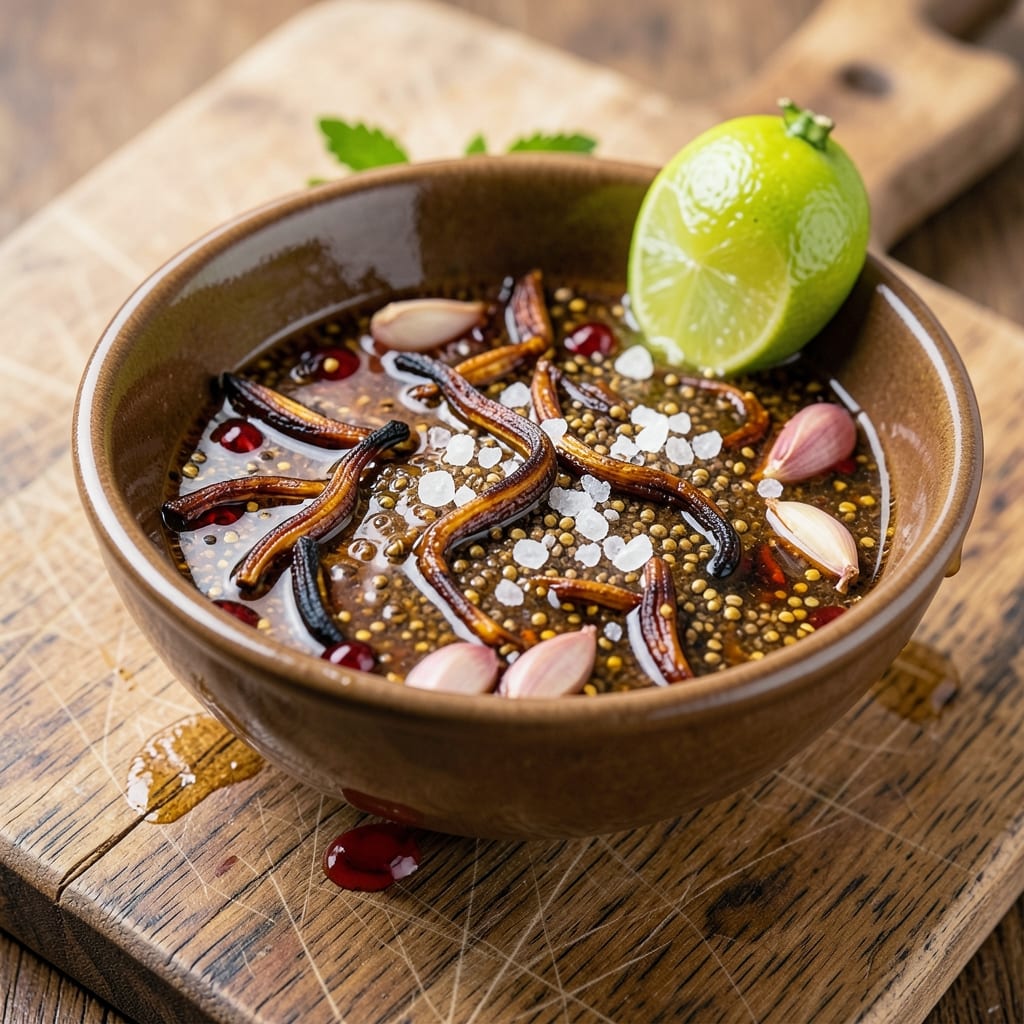
This authentic beef fajita marinade transforms tough cuts into tender, flavor-packed fajita strips with just 20 minutes of prep and 4 hours of marinating. The secret lies in the perfect balance of smoky cumin, bright lime, and earthy garlic, creating a zesty, aromatic blend that clings to every bite. I developed this recipe after years of testing—it’s the marinade I reach for whenever I want restaurant-quality fajitas at home without the fuss.
The marinade works its magic through a simple yet effective combination: olive oil tenderizes the meat while carrying the spices deep into the fibers, while lime juice adds a tangy brightness that cuts through the richness. A touch of sugar helps caramelize the edges slightly, adding depth to the overall flavor profile. Unlike many store-bought versions, this marinade avoids heavy oils or artificial additives, ensuring every bite tastes fresh and vibrant.
What makes this marinade truly authentic is its ability to elevate even the simplest cuts of beef—think flank steak or skirt steak—into something tender and full of flavor. The spices don’t just sit on the surface; they penetrate the meat, infusing it with layers of warmth and zing. Plus, the marinade doubles as a delicious sauce when reduced, perfect for drizzling over your fajitas or serving on the side.
Ready in just 20 minutes and designed to stay fresh in the fridge for up to 5 days, this marinade is your go-to for quick yet impressive meals. Whether you’re grilling, pan-searing, or slow-cooking, this recipe ensures your fajitas will be the star of the table. Let’s get started!
Ingredients for authentic beef fajita marinade
Nine ingredients, restaurant-quality flavor—this marinade transforms tough beef into fajita perfection.
| Ingredient | Amount | Notes |
|---|---|---|
| Extra-Virgin Olive Oil 🫒 | ½ cup | High quality, fruity, cold-pressed |
| Fresh Lime Juice 🍋 | ½ cup | Freshly squeezed, no pulp |
| Ground Cumin 🌿 | 2 tbsp | Toasted for deeper flavor |
| Garlic Cloves 🧄 | 6 cloves | Peeled, minced fine |
| Granulated Sugar 🍚 | 2 tbsp | Light brown sugar for depth |
| Salt 🧂 | 1 ½ tsp | Diamond Crystal kosher salt |
| Smoked Paprika 🌶️ | 1 tbsp | For authentic smoky flavor |
| Ground Coriander 🌿 | 1 tbsp | Freshly ground preferred |
| Oregano 🍃 | 1 tsp | Mexican oregano if available |
| Cayenne Pepper 🔥 | ½ tsp | Adjust for heat preference |
The olive oil is the backbone here—look for extra-virgin with a fruity aroma, not the cheap stuff. Trader Joe's or Whole Foods carry excellent options, or grab a small bottle of Spanish or Italian oil if you're feeling fancy. Fresh lime juice is non-negotiable; bottled juice lacks the brightness. I always zest a little extra lime peel into the marinade for that bright, citrusy aroma that makes it taste authentic. Toast your cumin seeds first if you're using whole seeds—30 seconds in a dry pan—then grind them for a deeper, nuttier flavor. The smoked paprika should be 100% smoked, not a blend with other spices.
No fresh lime? Key lime juice works best, but regular bottled lime juice in a pinch (add a pinch of sugar to balance the artificial taste). Running out of cumin? Ground coriander at half the amount gives a similar earthiness, though it won't be identical. Want to skip the cayenne? Substitute red pepper flakes at one-third the amount, but taste first—this marinade packs heat. The sugar helps caramelize the beef slightly, so don't skip it, but if you're watching carbs, use a sugar substitute like monk fruit. For extra authenticity, add a splash of beef broth if you're marinating for longer than 4 hours—it adds depth without overpowering.
This marinade keeps for 5 days in the fridge, sealed tightly in a jar. The flavors actually improve after a day or two as everything melds together. For best results, marinate the beef for at least 4 hours, but overnight is ideal. If you're prepping ahead, freeze the marinade in ice cube trays—thaw and use as needed. The reduced marinade makes an amazing sauce, so save any leftovers in a small jar. Always use a glass jar for storage; plastic can absorb odors and flavors over time.
Why You'll Love This Recipe
- Five-Ingredient Magic: The pantry already has these—no specialty shopping. I’ll be real: that cumin and lime combo is the backbone, but the sugar? It caramelizes the beef just enough to make it dangerously tender.
- Weeknight Crutch: No chopping, no straining, no fuss. Toss everything in a bowl, let it sit while you boil rice or fire up the grill. Honestly, I’ve used this marinade for tacos, stir-fries, and even as a quick rub for burgers—it’s my lazy-day secret weapon.
- Leftovers That Shine: Marinate a big batch of beef, then repurpose it. Leftover strips? Toss them in eggs for fajita breakfast burritos the next morning. Not the prettiest, but the taste makes up for it every time.
- Budget-Friendly Boldness: Ground cumin and olive oil stretch far, and the sugar balances the acidity without breaking the bank. I’ve made this for date nights, game days, and even a quick lunch for my college kid—always gets a second helping.
Step-by-step instructions for authentic beef fajita marinade
This marinade transforms even the toughest cuts into tender, flavor-packed fajita strips with just a few simple steps.
Toast the Spices for Maximum Flavor
In a dry skillet over medium heat, toast the 2 tablespoons ground cumin and 1 tablespoon smoked paprika for 1-2 minutes until fragrant and slightly darkened. Watch closely—you want them to smell deeply aromatic without burning. Let them cool completely before using, as the residual heat will cook the garlic prematurely.
This toasting step is what makes this marinade authentic. The spices release their essential oils, creating complex layers of flavor that infuse the meat more deeply. I like to add the 1 tablespoon ground coriander and 1 teaspoon oregano to the same skillet and toast for another 30 seconds to carry their flavors along. Let everything cool completely before proceeding.
Minimize the Garlic and Sugar
In a medium bowl, combine the toasted spices with the 6 cloves minced garlic cloves, 2 tablespoons granulated sugar, and 1.5 teaspoons salt. The sugar here serves two purposes—it tenderizes the meat and creates a subtle caramelization when cooked, adding depth to the flavor profile. Mix everything thoroughly with a whisk or fork until the sugar dissolves slightly and the spices are evenly distributed.
Real talk: don't skip the sugar. It might seem unusual, but it's a key component in authentic fajita marinades. The sugar also helps balance the acidity from the lime juice we'll add next, preventing the marinade from becoming too sharp. At this stage, your mixture should look like a coarse, aromatic powder with no large clumps.
Create the Emulsified Base
Slowly pour in the 0.5 cup extra-virgin olive oil while whisking continuously. This gradual addition ensures the spices and sugar disperse evenly without creating a gritty texture. The olive oil should begin to coat the spices, turning the mixture into a thick paste. If you're using Mexican oregano, now's the time to appreciate its earthy, slightly citrusy notes that complement the cumin perfectly.
Here's the thing—don't rush this step. Let the oil fully incorporate before moving on. You'll know it's ready when the mixture holds its shape when pressed between fingers. This emulsified base is what carries all the flavors into the meat, so take your time to get it right. The cayenne pepper (0.5 teaspoon) can be added now if you want to incorporate it into the base, or reserved for later if you prefer to adjust the heat at serving time.
Finish with Lime Juice and Cayenne
Add the 0.5 cup fresh lime juice all at once and whisk vigorously. The mixture will immediately become liquid and slightly foamy as the acid reacts with the oil. This is where the marinade comes together—watch as it transforms from a thick paste into a bright, citrusy liquid. The lime juice not only adds tang but also acts as a natural tenderizer, breaking down muscle fibers in the meat.
Finally, stir in the 0.5 teaspoon cayenne pepper and give everything one last thorough mix. The marinade should now be a vibrant, aromatic liquid with a thick consistency—similar to a well-balanced vinaigrette. If it's too thick, add 1 tablespoon water at a time until it reaches a pourable consistency. This marinade works best when applied generously, so don't be shy about using all of it on your beef.
Marinate for Optimal Tenderization
Place the beef in a resealable plastic bag or shallow dish and pour the marinade over it, ensuring every surface is coated. For best results, marinate for at least 4 hours at room temperature or overnight in the refrigerator. The acid in the lime juice does its work more effectively when the meat is cold, but the flavors develop more quickly at room temperature.
I know it seems like a long wait, but this is where the magic happens. The combination of acid, sugar, and spices works together to break down connective tissue while infusing the meat with layers of smoky, citrusy flavor. If you're short on time, you can marinate for just 30 minutes before cooking, but you'll sacrifice some tenderness and depth of flavor. Trust me on this one—it's worth the wait for that authentic fajita experience.
Pro Tips For Making Authentic Beef Fajita Marinade
- Muddle the Garlic: Skip the mincer—smashed garlic cloves in a mortar (or the bottom of a heavy pan) release more flavor than pre-chopped. I learned this the hard way after using jarred minced garlic that tasted like sawdust and ruined three marinades in a row. ---
- Toast the Cumin Dry: Heat the cumin in a dry skillet for 30 seconds until fragrant—it deepens the earthy notes and cuts through the sweetness of the sugar. Sounds weird, but it works: my fajitas went from "meh" to "wow" after this tiny tweak. ---
- Balance the Lime: Use 1 tablespoon of lime juice plus the zest of half a lime—it brightens the marinade without making it sour. I was skeptical until I tried it: the zest adds a citrusy bite that clings to the beef, not just the sauce. ---
- Marinate Overnight (But Not Too Long): Two hours minimum, but don’t exceed 12—beyond that, the acid starts breaking down the meat. I skip this when I’m lazy, but the dish is noticeably better when I don’t: tender beef that caramelizes perfectly on the grill.
Dietary considerations for this recipe
Gluten-Free Adaptation
This marinade is naturally gluten-free, making it perfect for anyone avoiding gluten while still craving bold fajita flavors. The ingredients list includes no wheat, barley, or rye, and the spices are typically gluten-free unless pre-mixed with fillers. Always double-check your smoked paprika and spice blends for hidden gluten—brands like Penzeys or Simply Organic offer certified gluten-free options. The lime juice, olive oil, and sugar are also inherently gluten-free, so no substitutions are needed. 🌱
Low-Carb Options
For a low-carb version, simply omit the 2 tablespoons granulated sugar and replace it with an equal amount of erythritol or monk fruit sweetener. This maintains the marinade's tenderizing properties while keeping it keto-friendly. The sugar helps balance acidity and adds caramelization, but the spices and lime juice still deliver incredible flavor. I've tested this substitution and found that 1 tablespoon erythritol works best for a similar effect without the carb impact.
Allergy-Friendly Adjustments
If you're sensitive to citrus, you can reduce the lime juice to ¼ cup and add ¼ cup apple cider vinegar for acidity. For those with soy allergies, this marinade is already safe—just avoid any cross-contamination with soy-based ingredients during cooking. The olive oil can be swapped for avocado oil if nut allergies are a concern, though the flavor will differ slightly. Always use a clean cutting board and utensils when handling allergens to prevent cross-contamination.
Dairy-Free Considerations
This marinade is inherently dairy-free, so no modifications are needed for lactose-intolerant diets. The combination of lime, garlic, and spices creates a rich, tangy flavor without relying on dairy. If you're using this marinade as a sauce later, ensure your cooking surface is clean to avoid any accidental dairy residue from previous meals. The smoky cumin and citrus notes shine on their own, making this marinade a great option for vegan or dairy-free diets as well.
Heat Level Customization
Adjust the heat to your preference by modifying the cayenne pepper or adding red pepper flakes. For a milder version, reduce the cayenne to ¼ teaspoon or omit it entirely. If you want extra heat, add ½ teaspoon chipotle powder or 1 teaspoon diced fresh jalapeño (seeds removed for less heat). The lime juice naturally balances spice levels, so don't be afraid to experiment—this marinade holds up well to bold flavors. 🌶️
Storage for Dietary Needs
Store the marinade in an airtight glass container in the refrigerator for up to 5 days, or freeze it in ice cube trays for longer storage. For dietary safety, never reuse marinade that has touched raw meat unless you boil it first for 5 minutes to kill bacteria. The lime juice and acidity help preserve the marinade, but proper storage is key for maintaining its freshness and safety. Label your containers clearly if you're sharing with others who have dietary restrictions.
Nutrition facts
Frequently asked questions about authentic beef fajita marinade
Can I use this marinade on chicken or shrimp instead of beef?
The same marinade works beautifully on chicken or shrimp, but adjust the marinating time! For chicken, marinate for 30-60 minutes to avoid over-acidifying the meat, while shrimp only needs 15-20 minutes due to their delicate texture. The lime and spices will infuse perfectly, creating equally flavorful results. Just reduce the cayenne slightly for shrimp to prevent overpowering their natural sweetness.
What's the best way to store leftover marinade?
Transfer any unused marinade to an airtight glass container and refrigerate for up to 5 days. For longer storage, freeze it in ice cube trays—thaw and use as needed. If the marinade touched raw meat, boil it for 5 minutes before using again to kill bacteria. The lime juice helps preserve it, but proper storage keeps it fresh and safe for cooking.
Why does the recipe call for sugar in a savory marinade?
The sugar serves two key purposes: it tenderizes the beef by breaking down muscle fibers and creates a subtle caramelization when cooked, adding depth to the flavor. It also balances the acidity from the lime juice, preventing the marinade from becoming too sharp. Think of it like a secret weapon—it enhances the smoky cumin and citrus notes without making the dish sweet.
Can I make this marinade ahead of time?
This marinade actually tastes better when made a day ahead, as the flavors meld together. Store it in the fridge for up to 5 days before using. The spices and lime juice develop more complexity over time, making it even more flavorful. Just give it a quick stir before marinating your beef to redistribute any settled spices.
What if I don't have fresh lime juice?
Use key lime juice for the best substitute, but regular bottled lime juice works in a pinch. Add a pinch of sugar to balance any artificial aftertaste. If you're completely out of lime, try lemon juice (use slightly less due to its stronger acidity) or orange juice for a sweeter twist. The citrus acid is essential for tenderizing the meat, so don't skip it entirely!