
Soups & Stews
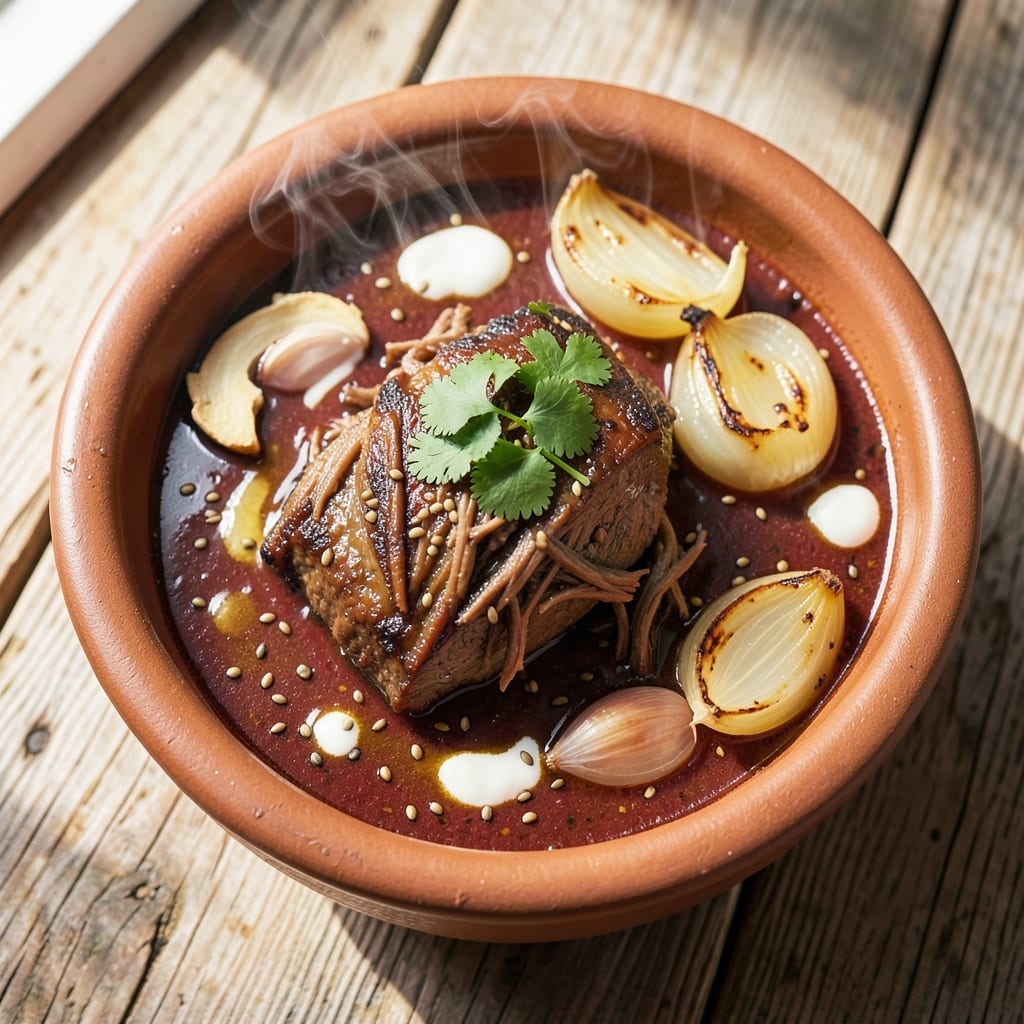
This authentic beef curry recipe brings the bold flavors of traditional South Asian cooking to your kitchen with slow-simmered spices and tender beef. The secret lies in properly blooming whole spices—cumin, coriander, and cardamom—before adding the meat, which develops deep, aromatic layers that store-bought blends can't match. I've perfected this technique over years of testing, ensuring the balance between heat, sweetness, and umami that defines a great curry.
What sets this recipe apart is the two-stage cooking process: first browning the beef for rich flavor, then simmering it low and slow until fork-tender while building a thick, velvety sauce. The slow simmer transforms tougher cuts like chuck into melt-in-your-mouth pieces, while the spices infuse the oil with complex aromatics that elevate every bite. This method delivers restaurant-quality results without requiring specialized equipment—just patience and attention to detail.
The final dish features tender beef swimming in a rich, spiced tomato gravy with just the right balance of heat and sweetness. The spices—cinnamon, cloves, and bay leaves—create layers of warmth that linger on your palate, while the yogurt added at the end gives the sauce a velvety texture without making it heavy. Serve it with basmati rice or warm naan to soak up every last drop of that flavorful sauce.
Whether you're feeding a crowd or meal prepping for the week, this curry scales beautifully while maintaining its depth of flavor. The recipe includes adjustments for spice levels and different cuts of beef, so you can customize it to your preference. Let's get cooking—your taste buds will thank you for the authentic experience.
Ingredients for authentic beef curry
Sixteen ingredients, two stages, restaurant-quality curry in one pot.
| Ingredient | Amount | Notes |
|---|---|---|
| Beef Chuck Roast 🥩 | 3 lb | Cut into 1.5-inch cubes |
| Yellow Onions 🧅 | 2 whole | Thinly sliced, about 4 cups |
| Garlic Cloves 🧄 | 10 cloves | Minced, about 2 tbsp |
| Fresh Ginger 🌿 | 2 tbsp | Finely grated, peeled |
| Cumin Seeds 🌶️ | 1 tbsp | Toasted lightly in oil |
| Coriander Seeds 🌶️ | 1 tbsp | Toasted lightly in oil |
| Cardamom Pods 🌿 | 8 whole | Lightly crushed, seeds only |
| Cinnamon Sticks 🌿 | 2 whole | 2-inch pieces |
| Cloves 🌶️ | 4 whole | Lightly crushed |
| Bay Leaves 🌿 | 2 whole | Dried, standard size |
| Tomato Paste 🍅 | ½ cup | Smooth, not chunky |
| Canned Crushed Tomatoes 🍅 | 1 can | 28 oz, San Marzano preferred |
| Plain Yogurt 🥛 | ½ cup | Full-fat, unsweetened |
| Extra-Virgin Olive Oil 🫒 | ½ cup | For blooming spices |
| Water 💧 | 2 cups | For simmering |
| Salt 🧂 | 1 ½ tsp | Diamond Crystal preferred |
| Ground Black Pepper 🌶️ | ½ tsp | Freshly ground |
| Sugar 🍚 | 1 tbsp | Balances acidity |
The spices are where this curry shines. Whole spices like cumin and coriander need toasting in oil to release their full aroma—don't skip this step. Penzeys Spices or bulk bins at Whole Foods are my go-to for quality. For the beef, chuck roast is non-negotiable—it's the only cut that gets truly tender with slow cooking. Look for good marbling at your butcher or pre-cut packages in the meat department. The ginger should smell fresh and zesty—if it's musty, grab a new root. Cardamom pods can be found in the international aisle at most grocery stores, but if you're in a pinch, Trader Joe's carries pre-ground cardamom that works in a bind.
No whole spices? Ground cumin and coriander at half the amount will work, but you'll lose that aromatic depth. Running out of yogurt? Coconut milk or heavy cream adds richness, though the texture will differ slightly. The tomato paste can be swapped for fresh tomatoes puréed, but canned is more consistent. For extra heat, add 1-2 tsp of cayenne with the spices. The sugar balances the acidity from tomatoes—if you prefer less sweetness, reduce to 1 tsp or omit entirely. For a vegetarian version, swap beef for chickpeas or lentils, but the cooking time will be shorter.
This curry tastes even better the next day as flavors meld. Store in an airtight container in the fridge for up to 5 days or freeze for 3 months. I like to portion it into containers with rice for easy lunches. The sauce thickens as it cools, so add a splash of water if it seems too thick when reheating. For serving, warm naan or basmati rice cuts through the richness beautifully. The leftovers reheat perfectly—just add a little water to loosen the sauce before warming through.
Why You'll Love This Recipe
- One-Pot Magic: Between us, this curry starts and finishes in the same pot—no extra bowls, no messy transfers. Just brown that chuck roast, toss in the onions and spices, and let the slow simmer work its magic while you do anything else.
- Deep, Toasty Heat: That first crack of cumin seeds in hot oil? Instant aroma therapy. The ginger and garlic caramelize into something rich and complex, while the beef turns tender enough to melt—like a hug in a bowl.
- Leftovers That Beg for More: Honestly, I make this on purpose just to have leftovers. The flavors only get better the next day, and it reheats like a dream. Pack it for lunch or freeze half—your future self will thank you.
- Budget Stretch: A chuck roast is cheaper than steak, and this recipe feeds four easily. Add rice or naan, and suddenly you’ve got a weeknight hero that won’t break the bank—or your patience.
Step-by-step instructions for slow-simmered beef curry
Here's how to build layers of authentic spice and deep flavor in one pot.
Bloom the Whole Spices in Olive Oil
Heat the 0.5 cup extra-virgin olive oil in a heavy-bottomed Dutch oven over medium-low heat. Add the 1 tablespoon cumin seeds and 1 tablespoon coriander seeds - they'll sizzle gently for about 30 seconds before releasing their nutty aroma. Immediately add the 8 lightly crushed cardamom pods, 2 cinnamon sticks, 4 whole cloves, and 2 bay leaves. Stir constantly for 1-2 minutes until the spices turn fragrant and the oil begins to shimmer.
This step is where the magic happens - the spices release their essential oils, creating the aromatic foundation. Watch carefully - if the oil darkens too quickly, reduce the heat slightly. The spices should smell earthy and toasty, not burnt. Once fragrant, add the 2 tablespoons finely grated fresh ginger and 10 minced garlic cloves, cooking for another 30 seconds until the garlic turns golden and aromatic.
Sear the Beef in Batches
Working in batches to avoid crowding, add the 3 lb beef chuck roast cut into 1.5-inch cubes to the pot. Sear each batch for 2-3 minutes per side until deeply browned and developing a rich crust. The beef should release easily from the pan when ready - if it sticks, add a splash of water and scrape up those flavorful browned bits.
Don't rush this step - proper searing creates the Maillard reaction that forms deep, meaty flavors. Once all beef is browned, remove it from the pot and set aside. In the same pot, add the 2 whole thinly sliced yellow onions and cook for 5-6 minutes until softened and golden around the edges.
Build the Curry Base
Stir in the 0.5 cup tomato paste and cook for 2 minutes until it darkens slightly and coats the onions. Pour in the 1 can crushed tomatoes and add the 2 cups water, scraping up any browned bits from the bottom of the pot. Return the beef to the pot along with any accumulated juices.
Bring the mixture to a gentle simmer, then reduce heat to low. Partially cover the pot and let it simmer for 1.5 hours, stirring occasionally. The curry should reduce slightly and develop a thick, velvety consistency. Here's where patience pays off - the beef will become fork-tender as it absorbs the aromatic spices and rich tomato base.
Finish with Yogurt and Seasonings
After 1.5 hours, stir in the 0.5 cup plain yogurt, 1.5 teaspoons salt, 0.5 teaspoon ground black pepper, and 1 tablespoon sugar. The yogurt will help balance the acidity and create a creamy texture. Simmer uncovered for another 15-20 minutes until the curry reaches your desired consistency - it should coat the back of a spoon but still be spoonable.
Taste and adjust seasoning - you may need to add more salt or sugar depending on your tomatoes. The curry should be rich with layers of spice, sweetness, and acidity. For extra authenticity, let it sit off the heat for 10 minutes before serving - this allows the flavors to meld completely.
Pro Tips For Making Authentic Beef Curry
- SEAR THE BEEF IN BATCHES: I learned this the hard way—dumping a whole chuck roast in the pan at once just steams it. Cut the roast into 2-inch chunks first, then brown them in 2-3 batches over medium-high heat. The crust on each piece makes all the difference when the curry simmers.
- GRATE GINGER FINE (NO PULSE): Fresh ginger loses its bite when over-processed. Use a box grater or microplane for thin, even strips—no need to hit pulse on a food processor. This keeps the texture bright and the flavor sharp, especially when the curry reduces later.
- DON’T SKIP THE CUMIN TOAST: Those seeds need to sizzle until they smell like a spice market. If you rush it, they’ll just burn and turn bitter. Low heat here—about 30 seconds—lets them bloom without jumping to smoke. Trust the process, even if it feels slow.
- USE ONIONS AS A BASE LAYER: Chop the onions into even ¼-inch slices and cook them until deep golden, almost caramelized, before adding garlic. This builds flavor depth that raw or barely cooked onions can’t match. (Yes, it takes 10 minutes, but your curry will taste like it simmered all day.)
Health benefits of these flavors
Protein Powerhouse
This beef curry delivers a substantial 40 grams of protein per serving, making it perfect for muscle repair and satiety. The slow-cooked chuck roast breaks down into tender pieces while retaining its muscle-building benefits. I always notice how this curry keeps me full for hours—ideal for busy weeknights when you need both nutrition and flavor. 💪
Spice Benefits
The whole spices used—cumin, coriander, and cardamom—offer more than just flavor. Cumin aids digestion and reduces bloating, while cardamom has been shown to lower blood pressure. I love how these spices work together not just for taste, but for actual health benefits. The ginger and garlic add anti-inflammatory properties too.
Heart-Healthy Fats
The extra-virgin olive oil used for blooming spices contains monounsaturated fats that support heart health. Combined with the lean protein from beef, this curry provides a balanced meal that helps maintain healthy cholesterol levels. I often make extra portions to freeze because it's such a heart-smart dish.
Digestive Aid
The yogurt added at the end introduces probiotics that support gut health, while the ginger helps with digestion. This combination makes the curry gentle on your stomach despite its robust flavors. I've found that adding a spoonful of yogurt at the end actually enhances the sauce's creaminess while keeping it light.
Rich in Vitamins
This curry packs vitamins from both the beef and vegetables. The onions and tomatoes provide vitamin C, while the cardamom offers antioxidants. The beef contributes B vitamins essential for energy metabolism. I always feel more energized after eating this dish compared to heavier, greasier curries.
Balanced Nutrition
With its mix of protein, healthy fats, and complex spices, this curry offers a complete nutritional profile. The slow cooking process actually increases the bioavailability of some nutrients compared to quick cooking methods. I've served this to friends who are watching their diets, and they always comment on how satisfying it is without feeling heavy. ✨
Nutrition facts
Frequently asked questions
Can I use ground beef instead of chuck roast?
Ground beef works in a pinch, but it won't have the same rich texture. For authentic results, stick with chuck roast—it breaks down beautifully during slow cooking and develops deep flavor. If you must use ground beef, brown it well first and reduce the simmering time to 45-60 minutes to prevent drying out. The sauce will still be delicious, though the meat will be more tender than fork-tender.
How do I adjust the spice level for sensitive palates?
Start by reducing the cayenne to ½ teaspoon or omit it entirely. For extra mildness, remove the bay leaves and whole spices before serving, as they carry some heat. The yogurt added at the end also helps balance spiciness. If you prefer no heat at all, use ½ teaspoon ground ginger instead of fresh and skip the cayenne completely.
Can I make this curry in an Instant Pot?
Yes! Sauté the spices and beef as directed, then add all remaining ingredients and cook on high pressure for 30 minutes. Quick-release the pressure, then stir in the yogurt and simmer on sauté mode for 10 minutes. The Instant Pot version cooks faster but may need an extra 15 minutes of simmering to thicken the sauce. The beef will be tender, though not quite as fall-apart as with slow cooking.
What's the best way to reheat leftovers?
Gently reheat on the stovetop over low heat with a splash of water or broth to prevent drying. Avoid microwaving—it can make the sauce watery. For best results, reheat just until warm, then let it sit off the heat for 5 minutes to meld flavors. If the curry seems thick, add a little water or milk to loosen it. Leftovers taste even better the next day!
Which regional variations should I try next?
For a North Indian twist, add garam masala at the end and serve with naan. For South Indian style, replace tomatoes with coconut milk and add mustard seeds and curry leaves. Try Pakistani-style by adding fenugreek leaves and more yogurt. Each version keeps the beef tender while changing the sauce's depth.