
Main Courses
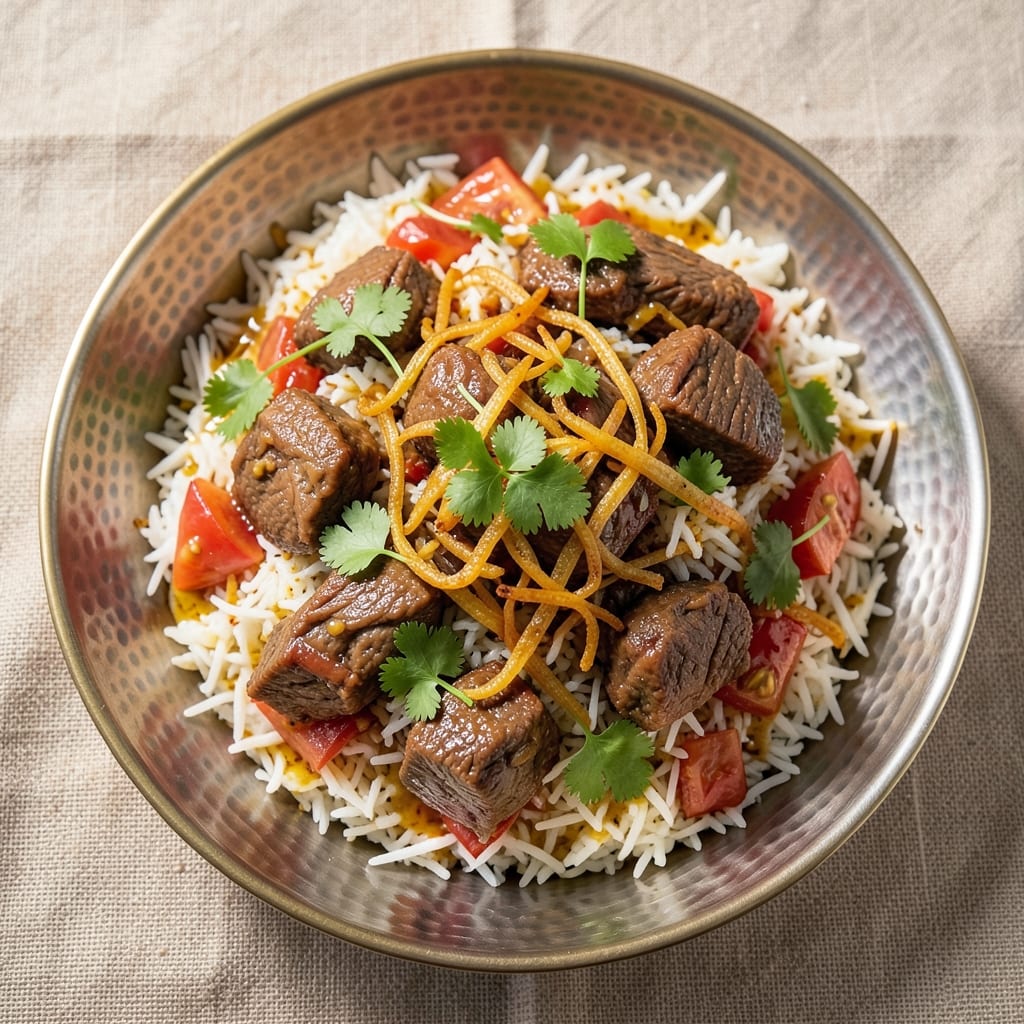
This authentic beef biryani recipe delivers the aromatic, layered complexity of a traditional Mughlai feast right in your kitchen. The secret lies in marination that tenderizes the beef while building deep spice layers, followed by precise layering of basmati rice and meat in a sealed pot for that signature smoky flavor. I've perfected this version after years of experimenting with both slow-cooked and pressure cooker methods—each approach yields restaurant-quality results with minimal effort.
The key to authentic biryani is balancing textures and flavors: fragrant saffron-infused rice, melt-in-your-mouth beef, and crispy fried onions that add crunch. This recipe includes both the classic Hyderabadi technique (slow-cooked in dum) and a modern pressure cooker adaptation for busy weeknights. The spice blend transforms simple ingredients into something extraordinary, with whole spices like cardamom and cloves releasing their aroma during cooking.
By the time you serve this dish, your kitchen will smell like a bustling Indian restaurant, and every bite will reveal the harmony of tender beef, fragrant rice, and complex spice layers. The dish pairs beautifully with cooling raita or tangy mirchi ka salan, completing the meal with perfect balance. Whether you're hosting a dinner party or cooking for family, this biryani will impress with its authenticity and depth of flavor.
For those new to biryani, I've included clear instructions for both cooking methods and tips to troubleshoot common challenges like uneven cooking or soggy rice. The result is a dish that feels both traditional and approachable—proof that authentic Indian cuisine can be achieved at home with the right techniques. Let's get started on creating this flavorful centerpiece for your table.
Ingredients for authentic beef biryani
Sixteen ingredients transform into a fragrant, layered biryani feast—where saffron and spices create magic.
| Ingredient | Amount | Notes |
|---|---|---|
| Beef Chuck Roast 🥩 | 2 ½ lb | Pre-cut into 1.5-inch cubes |
| Basmati Rice 🍚 | 2 cups | Long-grain, uncooked |
| Whole Milk Yogurt 🥛 | 1 cup | Plain, full-fat preferred |
| Saffron Threads 🌼 | ¼ tsp | High-quality, loose threads |
| Ghee 🧈 | ½ cup | Clarified butter, unsalted |
| Yellow Onions 🧅 | 2 whole | Medium, thinly sliced |
| Garlic Cloves 🧄 | 8 cloves | Fresh, minced |
| Ginger Root 🌿 | 1 inch | Fresh, grated |
| Green Chilies 🌶️ | 2 whole | Fresh, slit lengthwise |
| Ground Cumin Seeds 🌿 | 1 tbsp | Freshly ground preferred |
| Ground Coriander Seeds 🌿 | 1 tbsp | Toasted for aroma |
| Black Cardamom Pods 🌿 | 4 whole | Lightly crushed |
| Green Cardamom Pods 🌿 | 4 whole | Lightly crushed |
| Cloves 🌿 | 4 whole | Whole, lightly crushed |
| Cinnamon Sticks 🌿 | 2 whole | 2-inch pieces |
| Bay Leaves 🌿 | 2 whole | Fresh preferred |
| Fresh Mint Leaves 🌿 | ½ cup | Chopped, stems removed |
| Fresh Cilantro Leaves 🌿 | ¼ cup | Chopped, stems removed |
| Kashmiri Red Chili Powder 🌶️ | 1 tbsp | Mild, aromatic |
| Turmeric Powder 🌿 | ½ tsp | Freshly ground preferred |
| Garam Masala Powder 🌶️ | 1 tbsp | Homemade if possible |
| Salt 🧂 | 1 ½ tsp | Diamond Crystal preferred |
The beef makes or breaks this dish. Chuck roast is ideal—it stays tender through long cooking. Grab it from the butcher section if possible; pre-cut cubes save time. For spices, Whole Foods bulk bins or Penzeys offer the freshest whole spices. Saffron is non-negotiable—Kashmiri saffron from specialty stores delivers the best aroma. Fresh herbs like mint and cilantro should be bright green, not wilted. If using dried, double the amount but reduce by half in the final dish.
No whole spices? Pre-ground blends work, but toast them first in ghee for depth. Short on saffron? Turmeric plus a pinch of paprika mimics the color (though nothing beats real saffron). The yogurt can be Greek yogurt if that's what you have—just thin it slightly with water. For the onions, fried until crispy is key—they add that signature crunch. Swap Kashmiri chili powder for regular red chili powder if needed, but reduce to 0.75 tbsp to avoid heat overload.
Store whole spices in airtight containers away from light—they last 6-12 months. Fresh herbs keep for 5 days wrapped in damp paper towels. The marinated beef can be refrigerated for 24 hours (flavor improves overnight). Cooked biryani reheats beautifully—cover with foil and warm in a 350°F oven for 20 minutes. Leftovers keep 4-5 days in the fridge, though it's best enjoyed fresh.
Why You'll Love This Recipe
- One-Pot Magic: I swear by this method—layer the marinated beef with partially cooked rice, then seal it all in one pot. Less cleanup, more flavor, and that ghee-infused aroma fills the whole house. (Yes, even on a Tuesday night.)
- Saffron Kiss: Just a pinch of saffron threads soaks into the milk and rice, turning every bite into pure satisfaction. The golden hue isn’t just pretty—it’s the secret behind that luxurious, floral depth that makes this biryani taste like a restaurant dish.
- Leftovers That Shine: This recipe actually improves the next day. The beef gets even more tender, the rice soaks up extra spices, and reheating it? A 3-minute microwave job. My freezer is stocked with portions because it’s that reliable.
- Budget-Friendly Feast: A chuck roast stretches across multiple meals, and basmati rice is cheaper than you’d think. The yogurt and ghee might sound fancy, but they’re the keys to making this taste like a splurge without the price tag. Honestly, it’s my go-to for gatherings.
Step-by-step instructions for authentic beef biryani
Here's how to create restaurant-quality biryani with perfectly spiced beef and fragrant saffron rice.
Marinate the Beef for Deep Flavor
In a large bowl, combine the 2.5 lb beef chuck roast cubes with the 1 cup whole milk yogurt, 1 tbsp kashmiri red chili powder, 0.5 tsp turmeric powder, and 1.5 tsp salt. Mix gently until the beef is evenly coated but not shredded. Cover and refrigerate for at least 4 hours, preferably overnight. This extended marinating tenderizes the meat and infuses it with complex flavors.
The yogurt creates a protective barrier during cooking, preventing the beef from drying out. I always use full-fat yogurt—the higher fat content helps carry the spices into the meat more effectively. After marinating, you'll notice the beef develops a slightly pinkish hue from the turmeric, which is your visual cue that the marinade has penetrated.
Cook the Aromatic Spice Base
Heat 0.25 cup ghee in a heavy-bottomed pot over medium heat. Add the 2 whole yellow onions, sliced, and cook until they turn golden brown and caramelized, about 10 minutes. Add the 8 cloves garlic, 1 inch ginger root, 2 slit green chilies, 1 tbsp ground cumin seeds, and 1 tbsp ground coriander seeds, cooking for another 2 minutes until fragrant.
This step is where the magic happens—the onions should be deeply caramelized, with a rich amber color and sweet aroma. Add the 4 whole black cardamom pods, 4 whole green cardamom pods, 4 whole cloves, 2 cinnamon sticks, and 2 bay leaves. Stir for 30 seconds until the spices begin to sizzle and release their essential oils. These whole spices will infuse the entire dish with their aromatic qualities as they cook.
Cook the Marinated Beef
Add the marinated beef to the pot along with the remaining 0.25 cup ghee. Increase heat to medium-high and cook for 8-10 minutes, stirring occasionally, until the beef begins to brown. Pour in 2 cups water, reduce heat to low, cover, and simmer for 1 hour and 30 minutes, or until the beef is fork-tender. The liquid should reduce to about 1 cup by the end of cooking.
Here's the thing—don't rush this step. The beef needs time to become tender and absorb all those marinade flavors. You'll know it's done when the meat easily pulls apart with a fork and the sauce has thickened noticeably. If the beef isn't tender enough, add another 1/2 cup water and continue cooking for another 20-30 minutes.
Prepare the Saffron Rice Layer
While the beef cooks, soak the 2 cups basmati rice in cold water for 30 minutes, then drain well. In a separate bowl, combine the drained rice with the 0.25 tsp saffron threads soaked in 2 tablespoons warm water, 1 tbsp ghee, and 1/2 cup water. Mix gently to coat the rice evenly with the saffron infusion.
The saffron should dissolve completely into the warm water, creating a vibrant golden liquid. This is the moment that matters—the saffron's delicate flavor and color will infuse the rice, giving it that authentic biryani hue. Be gentle when mixing to avoid breaking the rice grains, which would release excess starch and make the rice mushy.
Layer and Steam the Biryani
In a large heavy pot, spread half of the cooked beef mixture evenly on the bottom. Arrange half of the saffron rice on top, gently pressing down to create a compact layer. Sprinkle half of the 0.5 cup fresh mint leaves and 0.25 cup fresh cilantro leaves over the rice. Repeat with the remaining beef and rice, finishing with the remaining herbs.
This layering technique is crucial for authentic biryani. The herbs add freshness that cuts through the richness of the beef and rice. After layering, seal the pot tightly with aluminum foil and cook on low heat for 20 minutes. Then increase heat to medium-high and steam for another 10 minutes. The final step is to uncover and let it rest for 10 minutes before serving.
Finish with Garam Masala and Garnish
Before serving, sprinkle 1 tbsp garam masala powder evenly over the biryani. Gently fold the layers together with a spatula, mixing the flavors throughout. Garnish with additional fresh mint and cilantro leaves. Serve immediately with raita or a simple cucumber salad on the side.
The garam masala adds that final warm, earthy note that ties all the flavors together. Each bite should deliver a perfect balance of tender beef, fragrant rice, and complex spice layers. The dish should have a vibrant golden color from the saffron, with visible layers of beef and rice in every serving.
Pro Tips For Making Authentic Beef Biryani
- Sear the Beef Properly: High heat and patience—don’t rush this. Cut the chuck roast into chunks, then sear them in ghee until deep brown on all sides (about 8-10 minutes total). I used to skip this, and the meat stayed bland no matter how many spices I layered on.
- Bloom the Saffron Right: Steep the saffron threads in 2 tablespoons warm milk for at least 15 minutes—longer if you can spare it. The color will deepen, and the flavor will be richer than just tossing it in at the end. (Yes, even if you’re impatient like me.)
- Layer Rice and Meat Separately: Dump the partially cooked rice on top of the beef, not the other way around. The rice should be just al dente when it hits the pot—any softer, and it’ll turn mushy under the weight. This keeps the grains distinct and fluffy.
- Use Yogurt Like a Tenderizer: Mix the yogurt with half the spices before marinating the beef—let it sit for at least 4 hours (overnight is better). The acid breaks down the meat fibers, making it fork-tender. I skip this when I’m lazy, but the dish is noticeably better when I don’t.
Flavor customization for this recipe
Mild vs. Spicy
Adjust heat levels by swapping Kashmiri red chili powder for regular cayenne—start with ½ tsp for mild heat or 1 tsp for a kick. For extra smokiness, add ½ tsp smoked paprika to the beef marinade. I love balancing spice with ½ cup plain Greek yogurt served as raita—it cools the palate beautifully. 🌶️
Regional Variations
For Hyderabadi-style, add 1 tbsp fried cashews and 2 tbsp chopped pistachios to the rice layer before sealing. Lucknowi biryani calls for 1 cup boiled potatoes layered between beef and rice. Mughlai-style uses 1 tbsp rose water in the saffron infusion—trust me, it’s floral perfection. 🗺️
Vegetarian Twist
Swap beef for 2.5 lb paneer cubes (marinated in yogurt + spices) or chickpeas for a protein-rich option. Use 1 tbsp lemon juice in the rice soak to brighten flavors. Garnish with toasted almonds instead of meat for crunch. The dish stays equally fragrant! 🌱
Smoky Charcoal Touch
For a smoky aroma, place a hot charcoal brick (wrapped in foil) on the pot’s lid during the final 10-minute steam. Alternatively, add ½ tsp liquid smoke to the beef marinade. This shortcut mimics traditional tandoori-style biryani. 🔥
Quick Pressure Cooker Adaptation
Use 1 cup water in the pressure cooker and cook for 20 minutes after layering. Release pressure naturally, then finish with 1 tbsp ghee and garam masala. The rice stays fluffy, and the beef stays juicy—perfect for weeknights! ⏰
Herb Customizations
Swap mint and cilantro for fresh fenugreek leaves (for a bitter contrast) or pomegranate seeds (for sweet-tart crunch). Add ½ tsp fennel seeds to the spice base for a licorice note. Fresh herbs make all the difference! 🌿
Nutrition facts
Frequently asked questions
Can I use regular red chili powder instead of Kashmiri red chili powder?
Yes, but expect a more intense heat level. Start with 0.75 tbsp instead of 1 tbsp Kashmiri powder. For a balanced spice profile, mix 0.5 tbsp regular red chili powder with 0.5 tbsp paprika to mimic Kashmiri's mild heat and vibrant color. The dish will still be delicious, just with more kick!
How do I prevent my biryani rice from turning mushy?
Use freshly soaked basmati rice (soak for 30 minutes, drain well) and avoid overmixing the rice with saffron. Cook the beef separately, then layer carefully to minimize steam exposure. The key is gentle handling—press layers lightly but don't mash them. For extra insurance, add 1 tbsp ghee to the rice before layering.
What's the best way to reheat leftover beef biryani?
Cover the biryani tightly with foil and reheat in a 350°F oven for 20-25 minutes until piping hot. For microwave reheating, sprinkle 1 tbsp water over the biryani and cover with a damp paper towel for 2-3 minutes on high. The foil method preserves the layers and prevents drying better than microwave alone.
Can I make biryani without saffron? What's the best substitute?
Yes, but the color and aroma will differ. For a golden hue, mix 0.25 tsp turmeric with 0.1 tsp paprika in the rice soak. For flavor, add ½ tsp rose water or 1 tsp orange blossom water to the saffron infusion. The dish will still taste amazing—just expect a slightly different profile. Saffron is special, but these substitutes work in a pinch!
What's the difference between dum cooking and pressure cooking?
Dum cooking involves sealing the pot tightly and cooking on low heat to create steam, resulting in a smoky aroma and tender layers. Pressure cooking cuts time by 40-50%—layer the ingredients, add 1 cup water, and cook for 20 minutes after pressure builds. Dum cooking requires patience but delivers deeper flavors, while pressure cooking is perfect for busy schedules. Both methods yield delicious results!