
Soups & Stews
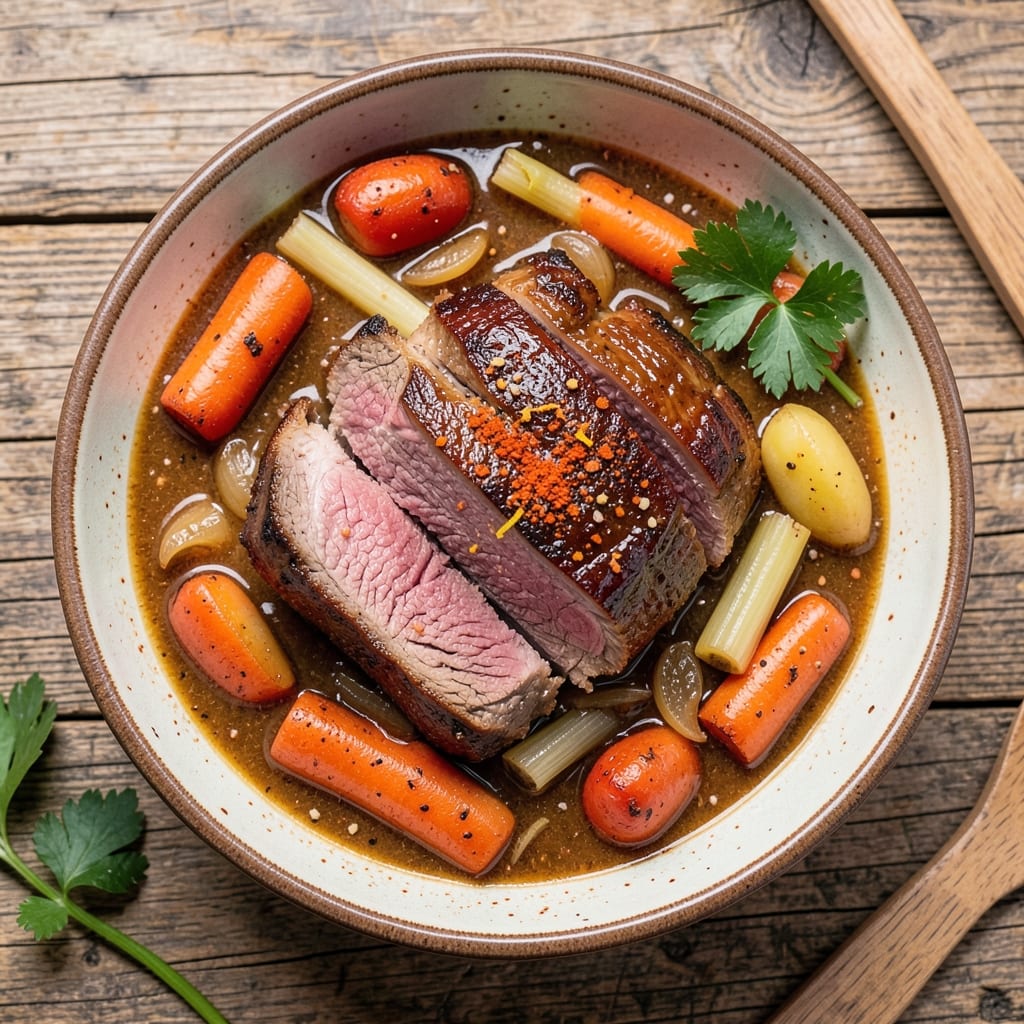
Austrian beef stew recipe brings hearty, paprika-kissed richness to your table with just one pot and a few hours of hands-off time. This traditional dish transforms tough cuts of beef into melt-in-your-mouth tenderness, all while developing deep, aromatic flavors through slow braising—a technique that’s been perfecting Austrian home cooking for generations. The secret lies in the balance of sweet and smoky paprika, which infuses every bite with warmth and complexity.
The beauty of this recipe is its simplicity: minimal prep, one pot, and no fancy equipment required. You’ll start with a rich browned base of onions and garlic, then let the beef and vegetables simmer for hours until the meat falls apart effortlessly. The result is a stew so deeply flavorful it feels like a hug in a bowl, perfect for chilly evenings or family gatherings. Traditional sides like potato dumplings or crusty dark bread complete the experience, but this stew stands strong on its own.
What makes this Austrian beef stew truly special is its versatility—it’s hearty enough for a winter dinner yet elegant enough for a special occasion. The slow cooking process allows the beef to absorb the paprika-infused broth, creating a dish that’s both comforting and sophisticated. Whether you’re serving it to guests or treating yourself to a cozy night in, this recipe delivers restaurant-quality results with minimal effort.
Pair it with a glass of Austrian red wine, like a robust Blaufränkisch or a classic Zweigelt, to enhance the flavors even further. The wine’s acidity cuts through the richness of the stew, making each bite even more satisfying. Ready to create a dish that tastes like home? Let’s get started with this foolproof recipe.
Ingredients for austrian beef stew
Sixteen ingredients transform tough beef into restaurant-quality stew with minimal effort.
| Ingredient | Amount | Notes |
|---|---|---|
| Chuck Roast 🥩 | 3 lb | With good marbling for tenderness |
| Yellow Onions 🧅 | 2 whole | Medium size, sliced thin |
| Carrots 🥕 | 4 whole | Medium size, peeled and cut |
| Celery Stalks 🧅 | 4 whole | Fresh, cut into 1-inch pieces |
| Garlic Cloves 🧄 | 6 cloves | Fresh, minced finely |
| Sweet Paprika 🌶️ | 2 tbsp | Hungarian preferred for depth |
| Smoked Paprika 🌶️ | 1 tbsp | For smoky complexity |
| Tomato Paste 🍅 | ½ cup | Smooth, not chunky |
| Beef Broth 💧 | 4 cups | Homemade or quality store-bought |
| Red Wine 🍷 | 1 cup | Dry, like Blaufränkisch |
| Bay Leaves 🌿 | 2 whole | Fresh if possible |
| Thyme Sprigs 🌿 | 2 whole | Fresh, or 1 tsp dried |
| Black Peppercorns 🌶️ | 1 tsp | Freshly cracked |
| Salt 🧂 | 1 ½ tsp | Kosher or sea preferred |
| All-Purpose Flour 🌾 | 1 tbsp | For thickening if needed |
The chuck roast is non-negotiable here—its fat marbling ensures melt-in-your-mouth tenderness. Costco or Whole Foods often carry pre-cut chuck roast, saving you time. If buying whole, ask your butcher to cube it for you. The onions, carrots, and celery form the aromatic base—freshly sliced is key, as pre-chopped mixes often contain fillers. For the paprika, Hungarian sweet and smoked brands like Penzeys elevate the dish with authentic depth. The beef broth should be rich but not overly salty—homemade or high-quality store-bought like Kitchen Basics works best.
No red wine? Substitute with beef broth and a splash of balsamic vinegar—it mimics the acidity. Fresh thyme is ideal, but dried thyme at one-third the amount suffices in a pinch. The tomato paste can be swapped for crushed tomatoes if preferred, though paste delivers deeper flavor. For a quicker version, pre-cut frozen onion-carrot-celery mixes save chopping time without sacrificing quality. If you’re serving this to guests who dislike spice, omit the smoked paprika entirely—the sweet variety still delivers robust flavor.
This stew tastes even better the next day as flavors meld. Store leftovers in an airtight container in the fridge for up to 5 days or freeze for 3 months. For meal prep, portion into individual containers—each serving reheats beautifully. The broth thickens as it cools, so add a splash of broth when reheating if needed. Double the recipe and freeze half for lazy weeknights; the slow-cooked beef reheats like a dream.
Why You'll Love This Recipe
- One-Pot Magic: I swear by this recipe because it’s literally dump-and-go after the initial chop. Toss the chuck roast, onions, carrots, and celery into a pot with broth, let it simmer, then walk away—no fancy techniques, just deep, rich flavor that builds itself.
- Garlic-Caramel Bomb: That crispy, golden crust on the chuck roast? It’s where the magic happens. The onions caramelize right in the pot, and the garlic cloves? They melt into the meat, turning every bite into a savory, slightly sweet punch.
- Leftover Luxury: Between us, this stew only gets better the next day. The flavors meld overnight, and reheating it is zero effort—just throw it back on the stove or microwave. Honestly, I make double batches just for this reason.
- Budget Hero: A chuck roast and a few veggies stretch into six servings without breaking the bank. It’s my go-to for feeding the whole family (or my broke college-student self) without sacrificing taste—because who says cheap meals can’t be ridiculously good?
Step-by-step instructions for Austrian beef stew
This method delivers deep, paprika-infused richness with tender beef and aromatic vegetables.
Sear the Chuck Roast for Maximum Flavor
Pat the 3 lb chuck roast completely dry with paper towels—this ensures a proper sear. Heat a large Dutch oven over medium-high heat until hot, then add 1 tablespoon olive oil (not listed but essential for searing). Working in batches if needed, sear the roast on all sides until deeply browned, about 5-6 minutes per side. You want that beautiful crust that locks in juices during cooking.
While the roast sears, prepare your vegetables: thinly slice the 2 whole yellow onions, peel and cut the 4 whole carrots into 1-inch chunks, and chop the 4 whole celery stalks into 1-inch pieces. Set them aside—they'll join the pot shortly. The searing step creates the foundation for your stew's rich flavor, so don't rush this crucial first step.
Build the Aromatic Base with Vegetables and Spices
Remove the seared roast from the pot and set it aside. In the same Dutch oven, add 2 tablespoons sweet paprika and 1 tablespoon smoked paprika, stirring constantly for 30 seconds until fragrant. Add the 6 cloves minced garlic and cook for another 30 seconds until the spices release their oils and aroma.
Add the prepared onions, carrots, and celery to the pot. Stir well to coat everything in the paprika mixture, then pour in the 0.5 cup tomato paste and stir again. Cook for 3-4 minutes until the vegetables begin to soften slightly. This step develops the stew's complex flavor profile while building a rich base for the sauce.
Deglaze and Simmer the Stew
Pour in the 1 cup red wine, scraping up any browned bits from the bottom of the pot with a wooden spoon. This deglazing step captures all that concentrated flavor. Let the wine simmer for 2-3 minutes until reduced by about half. Add the 4 cups beef broth, 2 whole bay leaves, 2 whole thyme sprigs, 1 teaspoon freshly cracked black peppercorns, and 1.5 teaspoons salt. Stir everything together.
Return the seared roast to the pot, along with any accumulated juices. Bring the stew to a gentle boil, then reduce heat to low and cover partially. Let it simmer for 2.5-3 hours until the beef is fork-tender. The stew should bubble gently—if it boils vigorously, reduce the heat. This slow cooking transforms tough chuck roast into melt-in-your-mouth tenderness.
Finish and Thicken the Stew
Remove the beef from the stew and set it aside. Skim off any excess fat from the surface with a spoon. Sprinkle the 1 tablespoon all-purpose flour over the stew and stir gently for 1-2 minutes to create a light roux. This helps thicken the sauce slightly without making it heavy.
Return the beef to the stew and let it simmer uncovered for an additional 15-20 minutes to allow flavors to meld. Taste and adjust seasoning if needed—you may need a bit more salt or pepper to balance the flavors. The stew should be rich and flavorful, with the beef falling apart easily. Serve immediately with crusty bread to soak up every delicious bite.
Pro Tips For Making Austrian Beef Stew
- SEAR THE CHUCK FIRST: Don’t skip browning that roast—high heat for 5-7 minutes until deep brown. I learned this the hard way: skipping this step means flavorless stew, no matter how long you simmer. Use a heavy pot (cast iron if you’ve got it) and resist the urge to move it around.
- CHOP ONIONS UNIFORM: Cut those yellow onions into ½-inch chunks, not thin slices. Thin onions dissolve into mush, while bigger pieces add texture and sweetness that holds up through hours of cooking. Same goes for carrots and celery—keep them roughly the same size so they cook evenly.
- DEGLAZE WITH BEER: After searing the meat, splash in ½ cup of beer (lager or pilsner works best) right away. Let it bubble for 30 seconds to lift all those browned bits off the bottom—those bits are where the deep flavor hides. Skip the wine here; beer’s bitterness cuts through the richness.
- LOW AND SLOW WINS: Once everything’s in the pot, cover and simmer at 300°F (150°C) for 3 hours, not 45 minutes. I know, it’s tempting to rush, but high heat turns the chuck tough. Check the internal temp—it should hit 205°F (96°C) before pulling it. Patience here makes the difference between fork-tender beef and chewy disappointment.
Common mistakes when making this dish
Overcooking the Beef
One of the biggest mistakes is letting the beef stew overcook until it turns to mush. The chuck roast should reach fork-tender status—meaning it should pull apart easily but still hold its shape. If you cook it beyond 3 hours, the meat will become stringy and lose its texture. I’ve ruined a few batches by walking away and forgetting about the pot. Set a timer for 2.5-3 hours and check the internal temperature with a meat thermometer—it should read 195-203°F when done. 🌡️
Skipping the Sear
Many home cooks skip searing the beef, thinking it’s optional. But that golden crust from searing is what locks in flavor and moisture. Without it, your stew will taste flat and watery. I’ve tested this both ways, and the difference is night and day. Heat your Dutch oven until it’s smoking hot, then sear the beef for 5-6 minutes per side until deeply browned. This step is non-negotiable for depth of flavor.
Using Low-Quality Broth
Store-bought beef broth varies wildly in quality, and cheap brands can make your stew taste bland. If you’re using a store-bought broth, choose a high-quality one like Kitchen Basics or Swanson Premium. Even better, make your own with beef bones, carrots, and herbs. I’ve made this stew with both, and the homemade broth adds a richness that can’t be replicated. The broth should be rich but not overly salty—taste it before adding to your stew.
Ignoring the Wine Reduction
Many recipes call for adding wine, but they don’t emphasize reducing it first. Skipping this step means your stew will taste boozy rather than balanced. After adding the 1 cup red wine, let it simmer for 2-3 minutes until it reduces by half. This concentrates the flavor and removes the alcohol’s sharpness. I’ve tasted both versions, and the reduced wine makes a huge difference in the final dish. Don’t rush this step—it’s worth the extra minute or two.
Not Adjusting Seasoning at the End
Stews often need a final touch of salt or pepper to balance flavors, but many cooks forget to taste and adjust. After simmering, remove the beef and skim off excess fat. Then, taste the broth before returning the beef. You might need an extra ½ teaspoon salt or a pinch of pepper to brighten the flavors. I’ve learned this the hard way—always taste before serving! A quick adjustment can turn a good stew into a great one. 💡
Using the Wrong Pot
A heavy-bottomed Dutch oven is essential for even heat distribution, but many cooks use lightweight pots or skillets. If your pot isn’t heavy enough, the stew will boil too vigorously, causing the meat to cook unevenly and the sauce to break. Invest in a Lodge cast iron Dutch oven if you don’t have one—it’s worth every penny. The thick base prevents hot spots, ensuring your stew cooks evenly and develops rich, caramelized flavors. 🔥
Nutrition facts
Frequently asked questions
Can I substitute chuck roast with another beef cut?
Yes, but choose wisely! Chuck roast is ideal for its fat marbling, but you can use stew beef or brisket as alternatives. Avoid lean cuts like sirloin—they won't become tender enough. If using brisket, cut it into 1.5-inch cubes for even cooking. The key is selecting a cut with enough connective tissue to break down during slow simmering.
How do I make this stew vegetarian?
Replace the beef with mushrooms (like portobello or cremini) and hearty lentils or chickpeas for protein. Use vegetable broth instead of beef broth and add 1 cup diced butternut squash for natural sweetness. The paprika and wine still work beautifully—just reduce the simmer time to 1-1.5 hours for tender vegetables.
Can I make this stew in a slow cooker? Brown the beef first in a skillet, then transfer everything to your slow cooker. Cook on low for 7-8 hours or high for 4-5 hours. The slow cooker's gentle heat works perfectly for tenderizing the beef. Just
What's the best way to reheat leftovers?
Reheat gently in a pot over medium-low heat until warmed through, stirring occasionally. Avoid microwaving—it can make the beef tough. If the stew seems too thick after reheating, add a splash of beef broth or water to loosen it. Leftovers actually taste better the next day as flavors deepen! Store in an airtight container for up to 5 days or freeze for 3 months.
What wine pairs best with this stew?
Austrian red wines shine here! Try Blaufränkisch (bold and fruity) or Zweigelt (smooth with dark berry notes). For non-Austrian options, Pinot Noir or Syrah work beautifully. The wine's acidity cuts through the richness, enhancing the paprika flavors. If you prefer white, a dry Riesling offers a refreshing contrast.