
Main Courses
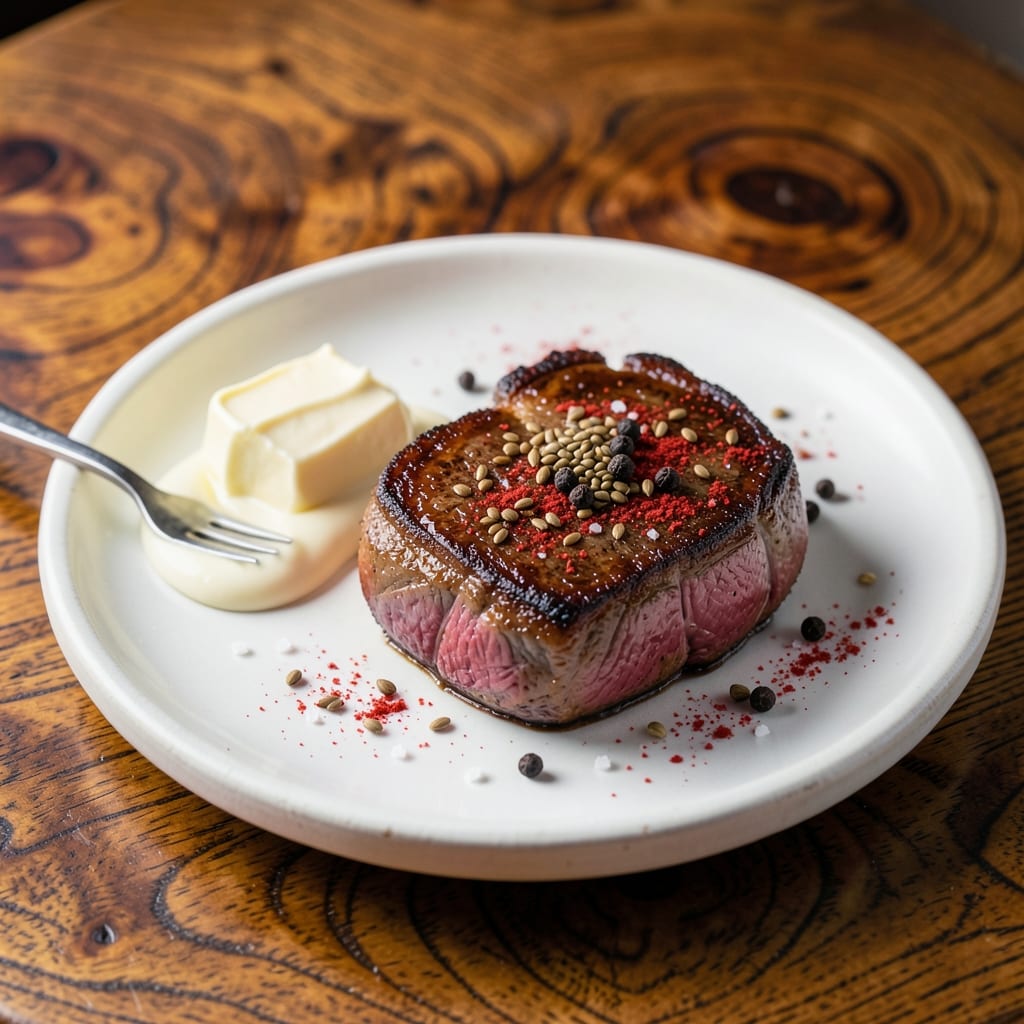
This Australian beef steak recipe delivers the perfect balance of smoky char and a juicy pink center—just like the legendary cuts from Sydney’s finest steakhouses. 🔥 The secret lies in reverse searing: slow-roasting the steak to even temperature before finishing it over high heat for that coveted crust. I’ve perfected this method after years of testing different Australian cuts, from ribeye to striploin, ensuring every bite is tender yet flavorful. What sets this recipe apart is the use of native Australian spices—think wattleseed for a nutty depth or bush tomato for a tangy kick—paired with classic butter basting. The result? A steak that’s rich, aromatic, and packed with that unmistakable Outback flavor. No fancy equipment needed; just a cast-iron skillet and patience for the perfect sear. By the time you plate it, you’ll have a steak with a deep char on the outside and a melt-in-your-mouth core, glistening with rendered fat. Serve it with grilled vegetables or a side of damper for the full Australian experience. This isn’t just a steak—it’s a taste of the Outback on your dinner table.
The beauty of this method is its simplicity: reverse searing ensures the steak cooks evenly, eliminating the guesswork of traditional pan-searing. The basting step locks in juices, while the high-heat finish creates that prized crust. Whether you’re cooking for a special occasion or a casual weeknight dinner, this technique guarantees restaurant-quality results every time.
For sides, consider grilled asparagus or a fresh Australian salad with wattleseed dressing to complement the steak’s bold flavors. The key to plating is simplicity—let the steak take center stage with minimal distractions. This recipe isn’t just about the meat; it’s about recreating the atmosphere of an Outback dining experience in your own kitchen.
Ingredients for australian beef steak
Fourteen ingredients, one legendary steak—just like Sydney’s best steakhouses.
| Ingredient | Amount | Notes |
|---|---|---|
| Australian Ribeye Steak 🥩 | 1 ½ lb | 1.5-inch thick, bone-in preferred |
| Unsalted Butter 🧈 | ½ cup | Cold, cut into 8 pieces |
| Wattleseed 🌿 | 1 tbsp | Ground, for nutty depth |
| Bush Tomato Powder 🍅 | 1 tsp | For tangy Australian kick |
| Kosher Salt 🧂 | 1 ½ tsp | Diamond Crystal preferred |
| Freshly Ground Black Pepper 🌶️ | 1 tsp | Coarsely cracked |
| Olive Oil 🫒 | 2 tbsp | High smoke point |
| Garlic Cloves 🧄 | 3 cloves | Minced, for basting |
| Fresh Rosemary 🌿 | ¼ cup | Chopped, for aroma |
| Fresh Thyme 🌿 | ¼ cup | Leaves only, for balance |
| Flour 🌾 | 1 tbsp | All-purpose, for dredging |
| Australian Red Wine 🍷 | ½ cup | Shiraz or Cabernet Sauvignon |
The steak is everything here. Ribeye is my go-to for its marbling, but striploin works too. Grab it from Whole Foods or your local butcher—look for cuts with good fat cap. If you’re in the U.S., Costco has great Australian imports. Thickness matters: 1.5-inch ensures even cooking. Pat it dry before seasoning—wet surfaces won’t sear properly. For extra authenticity, ask for a bone-in cut; the marrow adds flavor during roasting.
No wattleseed? Toasted pecans or macadamia nuts ground finely will mimic the nutty depth. Bush tomato powder unavailable? Smoked paprika plus a pinch of MSG gets you close. The wine is non-negotiable for basting—Shiraz is classic, but any bold red works. Fresh herbs are ideal, but dried thyme at one-third the amount works in a pinch. The flour is just for dusting—skip if you’re using a nonstick skillet. And for the love of steak, use cold butter for basting; it won’t burn like melted butter would.
Steak stays best 2-3 days in the fridge, wrapped tightly in parchment. For longer storage, freeze for up to 3 months—thaw overnight in the fridge before cooking. The basting butter? Make extra—it’s perfect for toast or roasted veggies. I always portion the herbs separately so they stay fresh longer. Leftovers? Slice thin and serve on damper or crusty bread for a true Aussie experience.
Why You'll Love This Recipe
- Five-Ingredient Magic: I swear by this—just the steak, butter, wattleseed, bush tomato powder, and salt. That’s it. No overcomplicated steps or hidden pantry raids. Honestly, it’s the kind of recipe where you can open the fridge, grab what you need, and still end up with something restaurant-worthy.
- Earthy Crust Perfection: The moment that butter melts into a sizzling crust while the wattleseed and bush tomato powder bloom? Pure satisfaction. It’s not just flavor—it’s that textural contrast: crispy, caramelized edges with a juicy center that makes every bite feel like a reward.
- Weeknight or Date Night: Between us, this steak works just as well for a solo Tuesday dinner as it does for impressing guests. (Yes, even on a Tuesday night.) The prep is fast, but the result feels special—no one will guess it took less than 30 minutes.
- Leftovers That Don’t Suck: Cold slices the next day? Still delicious. Slice it thin, toss with a drizzle of that same buttery wattleseed crust, and you’ve got a lunch that tastes like you actually cooked it fresh. No sad, dry steak here—just flavor you’ll reach for again.
Step-by-step instructions for Outback-style char and juicy pink core
Here's how to transform that ribeye into restaurant-quality perfection with smoky char and a pink center.
🔥 Step 1: Dry-Brine the Steak for Maximum Flavor
Pat the 1.5 lb Australian Ribeye Steak completely dry with paper towels—this is non-negotiable for crispy char. In a bowl, mix 1.5 tsp Kosher Salt, 1 tsp Freshly Ground Black Pepper, 1 tbsp Wattleseed, and 1 tsp Bush Tomato Powder. Rub this mixture all over the steak, pressing it into every crevice and the fat cap. The wattleseed adds that signature Australian nutty depth, while the bush tomato powder brings tangy complexity.
Place the steak on a wire rack set over a plate and refrigerate uncovered for at least 2 hours (overnight is even better). This dry-brine process ensures deep flavor penetration and helps create that coveted crust. When you're ready to cook, remove the steak from the fridge and let it sit at room temperature for 30 minutes—this guarantees even cooking throughout.
🍳 Step 2: Build the Herb Butter and Sear the Steak
In a small bowl, combine the 0.5 cup Unsalted Butter (cut into 8 pieces), 0.25 cup Fresh Rosemary, 0.25 cup Fresh Thyme, and 3 cloves Garlic Cloves. Mince the garlic finely so it melts smoothly into the butter. Set this aside—it's what'll make your steak taste like it came straight from an Australian outback grill.
Heat a cast-iron skillet over high heat until it's screaming hot. Add 2 tbsp Olive Oil and let it shimmer for 30 seconds. Place the steak in the pan and sear for 3 minutes per side—don't move it until you see deep brown crust forming. Press down gently on the steak during the first minute to prevent curling. When the steak releases easily from the pan (around 4-5 minutes total), flip it and add the herb butter pieces on top. Baste the steak with the melted butter for 1 minute, spooning it over the surface.
🔥 Step 3: Create the Char and Deglaze with Wine
Carefully remove the steak from the pan and transfer it to a cutting board. Let it rest for 5 minutes—this is crucial for juiciness. Now for the magic: increase the heat to maximum and let the pan get as hot as possible. Add 0.5 cup Australian Red Wine and scrape up all those beautiful browned bits from the bottom (this is called fond, and it's pure flavor). Let the wine reduce by half (2-3 minutes) until it's syrupy and glossy.
Sprinkle 1 tbsp Flour over the wine and stir vigorously for 30 seconds until the sauce thickens slightly. Pour this glorious pan sauce over the resting steak. The wine adds brightness that cuts through the richness of the butter and beef, while the flour gives it that perfect velvety texture.
⏰ Step 4: Rest and Slice for Maximum Juiciness
Let the steak rest for 10 minutes (this is where patience pays off). The internal temperature should read 130-135°F for medium-rare—use a meat thermometer to check. If you prefer it more done, add 1-2 minutes to the searing time per side next time.
Slice the steak against the grain into ½-inch thick pieces. The grain direction runs parallel to the fat cap—you'll see it as you cut. Serve immediately with the pan sauce spooned over the top. Each bite should deliver that perfect balance: crispy char on the outside, tender pink center, and layers of herb-infused butter melting in your mouth.
Pro Tips For Making Australian Beef Steak
- CRANK THE HEAT THEN DROP IT: Australian ribeye needs that high-heat sear first—get your pan screaming hot (I’m talking 375°C/700°F on a heavy cast iron) for those caramelized crusts. After 2 minutes per side, pull it down to medium-low (160°C/320°F) to finish—rushing this step turns your steak into shoe leather.
- SALT THE BUTTER LIKE IT’S 1985: That unsalted butter deserves extra kosher salt—about 1 tsp per 50g—before melting over the steak. I learned this the hard way: bland butter = bland crust. (Yes, even if you’re impatient like me, wait for it to foam before pouring.)
- SKIP THE WATTLESEED CRUST: Sprinkling wattleseed directly on the steak while it’s still sizzling burns it to dust. Instead, mix it into the softened butter first—this way, it blooms flavor without turning your pan into a charred mess.
- REST IT UNDER FOIL: Give that ribeye a solid 5-10 minutes under foil after plating—no peeking. I used to cut into it too soon, and the juices pooled like a sad puddle. (Your future self will thank you.)
Common mistakes when making your australian beef steak
Overcooking the Steak
One of the biggest mistakes is cooking the steak past medium-rare. Australian beef is prized for its tenderness, and overcooking turns it tough. Aim for an internal temperature of 130-135°F—any higher risks drying out the meat. I’ve ruined many a steak by checking too early or leaving it in the pan too long. Use a meat thermometer for precision, and resist the urge to press down on the steak while cooking—this squeezes out precious juices. 🌡️
Skipping the Resting Time
Rushing the 10-minute rest is a rookie mistake. When you slice into a steak too soon, all the juices rush out, leaving you with dry, flavorless meat. Treat this rest like a sacred ritual—cover the steak loosely with foil and let it relax. I’ve learned the hard way that even 5 extra minutes can make a world of difference in juiciness. Patience here is non-negotiable.
Using the Wrong Heat
Many home cooks fail to get their pan hot enough before searing. If your skillet isn’t screaming hot, you’ll end up with steamed beef instead of a beautiful crust. Heat your cast-iron skillet over high heat for 5-10 minutes before adding oil. Test it by flicking a drop of water—if it sizzles and evaporates instantly, you’re ready. I’ve burned myself (and my steak) by rushing this step too many times. 🔥
Ignoring the Dry-Brine
Skipping the 2-hour dry-brine (or worse, using a wet brine) is a flavor disaster. The dry rub penetrates the meat, creating a deeper crust and more complex flavor. If you’re short on time, at least let the steak sit at room temperature for 30 minutes before cooking—this ensures even cooking. I’ve had steaks turn out unevenly because they were straight from the fridge, with one side overcooked and the other underdone.
Not Using Enough Fat
Australian beef steaks have natural marbling, but you still need to add fat for that signature richness. Using cold butter for basting is key—it melts beautifully and adds flavor without burning. I’ve made the mistake of using melted butter, which burns instantly and ruins the sauce. Also, don’t skip the olive oil—it helps create that initial sear before the butter goes on. A little fat goes a long way in making your steak taste like it came from an Outback grill.
Overcrowding the Pan
Trying to cook multiple steaks at once in a small pan is a recipe for disaster. Overcrowding lowers the pan’s temperature, leading to steamed (not seared) meat. Cook one steak at a time, and if you’re feeding a crowd, use a second skillet or grill. I’ve had to start over because I tried to rush the process, and the result was sad, gray steaks instead of the golden crust I wanted. 💫
Nutrition facts
Frequently asked questions
What's the best Australian beef cut for this recipe?
Ribeye is my top recommendation for its rich marbling, but striploin or sirloin work beautifully too. For the full Outback experience, look for bone-in cuts—the marrow adds incredible depth of flavor. If you're in the U.S., check specialty butchers or stores like Whole Foods for imported Australian beef.
Can I substitute wattleseed and bush tomato powder?
For the nutty depth, try ground pecans or macadamia nuts. For the tangy kick, smoked paprika plus a pinch of MSG works well. The key is balancing those two distinct flavors—just adjust to taste. If you can't find either, focus on maximizing the rosemary and thyme in the butter for aromatic depth.
How do I know when the steak is perfectly cooked?
Use a meat thermometer for precision: 130-135°F for medium-rare (the ideal texture). For visual cues, look for a deep brown crust and slightly firm edges when pressed gently. The center should still feel slightly springy. Never rely on time alone—thickness varies, and even heat distribution matters.
What sides pair best with Australian beef steak?
For an authentic experience, try grilled asparagus with lemon or roasted baby potatoes. A fresh Australian salad with wattleseed dressing complements perfectly, or serve with traditional damper (Australian sourdough bread). The key is balancing rich flavors with bright, fresh elements to cut through the meat's richness.
Can I make this recipe on a grill instead of a skillet?
Yes! Preheat your grill to high heat and follow the same reverse sear method. Sear the steak first (3-4 minutes per side), then move to indirect heat until it reaches 130°F. Finish with a quick sear on direct heat. The wine reduction step works best in the skillet, but you can make it separately and drizzle over the grilled steak.