
Sauces & Condiments
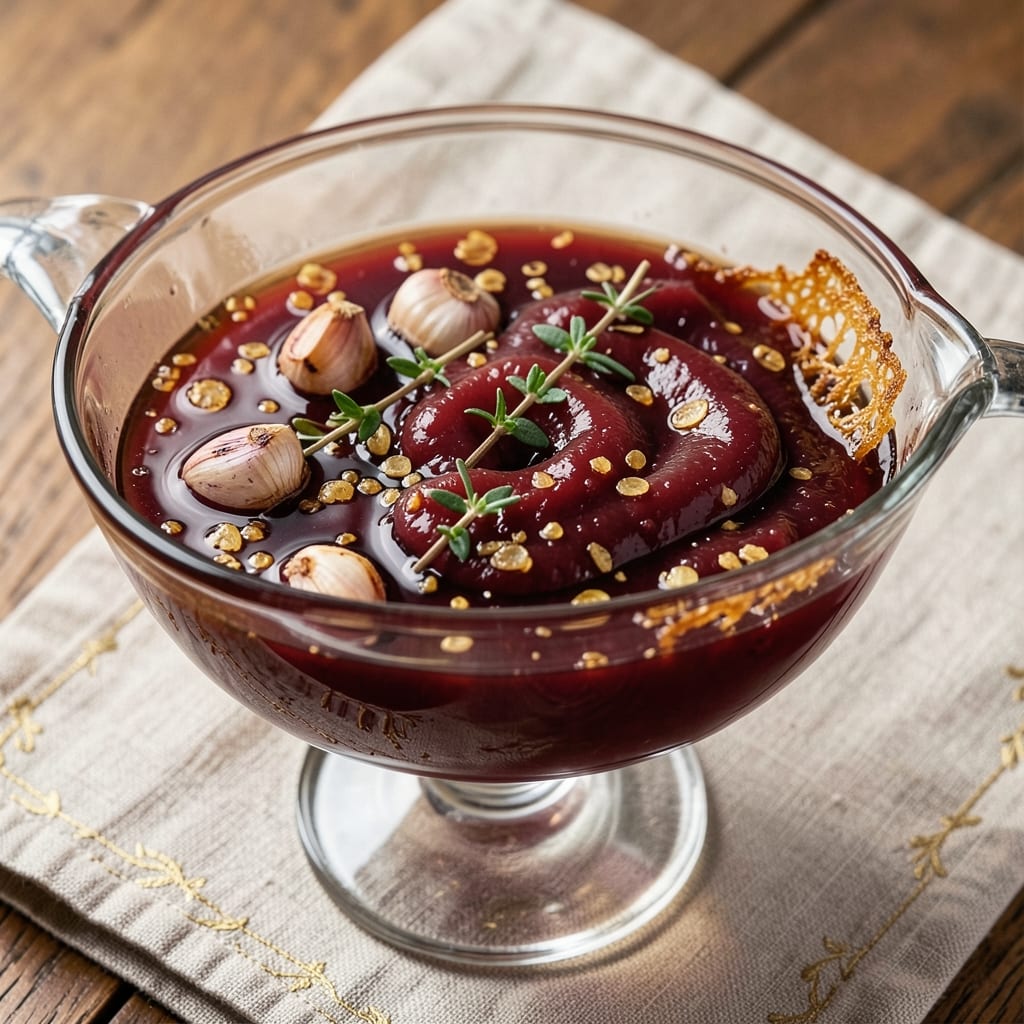
This au jus sauce recipe with beef broth transforms simple ingredients into a deep, umami-rich sauce that elevates any beef dish. The secret lies in reducing beef broth with red wine and aromatics until it becomes a velvety, concentrated sauce—perfect for dipping, drizzling, or serving alongside roasted meats. I developed this recipe after years of testing, ensuring it delivers restaurant-quality depth without requiring specialized techniques.
The beauty of this sauce is its versatility and simplicity. With just a few pantry staples—beef broth, red wine, shallots, and a touch of tomato paste—you’ll create a sauce that’s rich, tangy, and packed with flavor. The key is patience: letting the sauce simmer until it thickens and the alcohol evaporates, leaving behind layers of savory complexity. It’s the kind of sauce that makes even the simplest meal feel like a special occasion.
What sets this au jus apart is its ability to enhance any beef dish, from steak to roasted potatoes. The reduction process concentrates the flavors, ensuring every spoonful is bold and satisfying. Plus, it stores well in the fridge for up to a week, making it a go-to for meal prep or last-minute dinner upgrades. Once you taste the difference between this homemade version and store-bought, you’ll never go back.
Use it to drizzle over grilled steaks, dip roasted vegetables, or even pour over a bed of mashed potatoes for an instant flavor boost. The possibilities are endless, and the process couldn’t be simpler. Let’s get started on creating this foolproof, flavor-packed sauce that’ll become a staple in your kitchen.
Ingredients for au jus sauce recipe with beef broth
Just ten ingredients transform simple beef broth into restaurant-quality au jus sauce.
| Ingredient | Amount | Notes |
|---|---|---|
| Beef Broth 🍲 | 4 cups | High-quality, low-sodium preferred |
| Red Wine 🍷 | 1 cup | Bold, dry variety like Cabernet Sauvignon |
| Shallots 🧅 | 2 whole | Minced, about 0.25 cup roughly chopped |
| Tomato Paste 🍅 | 1 tbsp | Squeeze tube or canned |
| Garlic Cloves 🧄 | 3 cloves | Minced, about 1 tsp roughly chopped |
| Fresh Thyme 🌿 | 1 tbsp | Leaves only, or 1 tsp dried |
| Black Peppercorns 🌶️ | 10 whole | Crushed, or 1 tsp freshly ground |
| Unsalted Butter 🧈 | 2 tbsp | Cold, cut into small pieces |
| Balsamic Vinegar 🍶 | 1 tbsp | For finishing touch |
| Salt 🧂 | 1 tsp | Adjust to taste at the end |
The beef broth is where the magic happens—look for high-quality, low-sodium options like Kraft or Swanson for the best flavor. I always grab the organic variety at Whole Foods when I can, but the regular supermarket stuff works fine. Fresh thyme is ideal, but dried works at one-third the amount. For the red wine, any bold, dry variety like Cabernet Sauvignon or Merlot will do—whatever you've got open in the fridge. Shallots add sweetness, so don't skip them even if onions are in your pantry. The tomato paste is just a touch—Trader Joe's squeeze tubes are perfect for this recipe since you only need a tablespoon.
No red wine? Beef broth with a splash of balsamic vinegar works in a pinch. Fresh thyme? Dried oregano at one-third the amount gets you close. The butter at the end is non-negotiable—it adds that silky richness. If you're short on time, microwave the butter 40 seconds to just melt it before stirring. The balsamic vinegar is just for finishing, so don't stress if you don't have it—a squeeze of lemon juice works too. The sauce thickens as it cools, so if it seems too thin while warm, let it sit for 10 minutes before tasting.
This sauce tastes even better the next day once all the flavors meld together. Store it in an airtight container in the fridge for up to 1 week. For longer storage, freeze in ice cube trays—perfect for single portions. I always make a double batch because it disappears so fast. The butter makes it rich, so if you're watching calories, reduce it to 1 tbsp and add a splash of heavy cream instead. Trust me, you'll want to make this again and again.
Why You'll Love This Recipe
- Pantry Pantry Powerhouse: I swear by this sauce because it uses what I always have—no special shopping trips. That jar of red wine gathering dust? The shallots I forgot about in the crisper? Perfect. Even the tomato paste I bought "just in case" gets its moment here.
- Wine-Infused Magic: Honestly, the red wine and beef broth combo transforms into something richer than takeout. The garlic and shallots caramelize just enough to add depth without overpowering—like a hug for your taste buds.
- Weeknight to Dinner Party: I make this when I’m too tired for fancy meals, but it somehow feels restaurant-worthy. Drizzle it over grilled steak for a quick date night or use it as a base for slow-cooked pot roast when company’s coming.
- Leftovers That Don’t Suck: Between us, most sauces turn sad after day two. Not this one. The flavors actually improve when reheated—it’s my secret for turning last night’s roast into tomorrow’s sandwich filling without apology.
Step-by-step instructions for au jus sauce with beef broth
This rich, velvety sauce comes together in one skillet with simple techniques and bold flavors.
Sauté Aromatics Until Fragrant
Heat a large skillet over medium heat and add the 2 tablespoons unsalted butter. Let it melt completely, then add the 2 whole shallots and 3 cloves garlic cloves. Cook for 5-6 minutes until the shallots soften and turn translucent, and the garlic releases its aroma.
Here's where the magic begins—don't rush this step. You'll know it's ready when the shallots are golden around the edges and the garlic smells intensely fragrant. If the butter starts to brown too quickly, reduce the heat slightly to medium-low. The goal is to build flavor without burning the aromatics.
Add Tomato Paste and Wine
Push the sautéed shallots and garlic to one side of the skillet. Add the 1 tablespoon tomato paste and cook for 1-2 minutes until it darkens slightly. Pour in the 1 cup red wine and scrape up any browned bits from the bottom of the pan—this is called deglazing and captures all the flavor.
Let the wine simmer for 3-4 minutes until it reduces by half. You'll notice the alcohol smell dissipates, leaving behind deeper, richer wine notes. If the sauce starts to stick, add 1-2 tablespoons of beef broth to loosen it. This step creates the foundation for your sauce's depth and complexity.
Build the Sauce with Broth and Herbs
Add the 4 cups beef broth, 10 whole black peppercorns, 1 tablespoon fresh thyme, and 1 teaspoon salt. Bring to a gentle simmer, then reduce the heat to low. Let it cook uncovered for 15-20 minutes until the sauce thickens slightly and the volume reduces by about one-third. You're aiming for a consistency that coats the back of a spoon.
Stir occasionally to prevent sticking, but don't over-stir—this can make the sauce too thin. If it thickens too much, add a splash more broth. The sauce should smell rich and aromatic, with layers of thyme, garlic, and wine. This is where all the flavors meld together into a cohesive, umami-packed base.
Finish with Butter and Balsamic
Remove the skillet from heat and stir in the remaining 2 tablespoons unsalted butter, cut into small pieces. Let it melt completely into the sauce. Add the 1 tablespoon balsamic vinegar and taste. Adjust the seasoning with more salt if needed—this sauce should be rich but balanced, with a touch of acidity from the balsamic.
For the best texture, strain the sauce through a fine-mesh sieve to remove the peppercorns and thyme stems. This gives you a silky, velvety sauce perfect for drizzling over steak, roasted vegetables, or mashed potatoes. The sauce should be glossy, with a deep red color and a rich aroma that makes your mouth water.
Pro Tips For Making Au Jus Sauce Recipe With Beef Broth
- Sweat Shallots First: I learned this the hard way—when you just chop and toss shallots into the pan with garlic, they’ll turn bitter before they soften. Instead, slice them thin (1/8-inch or less) and cook them in a dry pan over medium heat for 3-4 minutes until translucent but not brown. That sweet, mellow flavor is the foundation of your sauce, and skipping this step means a muddy, harsh taste.
- Deglaze with Wine Immediately: The moment you remove the beef (or whatever you’re browning), pour in that red wine right away—don’t let the pan cool. The wine needs the residual heat to lift all those caramelized bits off the bottom. If you wait, you’re scraping up dry, bitter sediment instead of rich, flavor-packed sauce. Scrape with a wooden spoon for 30 seconds, then let it reduce by half before adding broth.
- Use Tomato Paste Like a Glue: After the wine reduces, stir in that tomato paste and cook it for 2-3 minutes until it darkens slightly. This isn’t just for color—it thickens the sauce and binds the flavors so they don’t separate when you add the broth. I used to skip this, and my au jus would always taste thin and watery. Now? It coats the back of a spoon like it’s supposed to.
- Simmer, Don’t Boil: Once everything’s combined, bring it to a gentle simmer—not a rolling boil—and let it cook uncovered for 10-15 minutes. Boiling reduces the wine’s depth and can make the sauce taste sharp. A low simmer lets the flavors meld without losing alcohol or turning cloudy. If it’s too thin at the end, reduce it further or thicken with a cornstarch slurry—but start with patience.
Wine and beer pairings for this au jus sauce recipe with beef broth
Classic Red Wine Pairings
This au jus sauce's deep umami and rich wine notes pair beautifully with bold red wines. I always reach for a Cabernet Sauvignon from Napa Valley—its dark fruit and tannins complement the sauce's intensity perfectly. For something lighter, a Pinot Noir from Oregon offers bright acidity that cuts through the richness. Avoid heavy, oaky Chardonnays or overly tannic Syrahs that might clash with the sauce's delicate balance. 🍷
Crisp White Wine Alternatives
If you prefer white wine, a dry Riesling from Germany or Alsace brings crisp acidity that refreshes your palate between bites. The slight sweetness in some Rieslings actually enhances the sauce's savory depth. Another great choice is Sauvignon Blanc from New Zealand—its citrus notes create a delightful contrast. Just avoid buttery Chardonnays that could make the dish feel too heavy.
Beer Pairings for Hearty Meals
For beer lovers, a Belgian Dubbel like Westmalle's 8 offers malty sweetness that pairs wonderfully with the sauce's richness. If you prefer lighter options, a German Helles Lager provides clean, crisp contrast. Avoid overly hoppy IPAs that might overpower the sauce's delicate flavors. I often serve this sauce with a roasted beef dinner and a cold beer for that perfect balance. 🍺
Non-Alcoholic Options
Don't drink alcohol? No problem! A sparkling grape juice like Welch's Concord pairs surprisingly well, especially when chilled. For something more sophisticated, try a ginger beer—the spicy kick complements the sauce's depth. I've also had great success with sparkling water with a splash of pomegranate juice for a refreshing, flavorful alternative that doesn't distract from the meal.
Sauce as a Drink
Here's a fun trick I learned from a French chef: warm the au jus sauce slightly and serve it as a savory shot before the meal. The concentrated flavors open your palate beautifully. I often pair it with a bold red wine or dark ale for an elevated dining experience. Just be sure to strain it thoroughly first to remove any solids. This works especially well when entertaining—it's always a crowd-pleaser! 💫
Nutrition facts
Frequently asked questions
Can I make this au jus sauce without red wine?
Replace the 1 cup red wine with either 1 cup beef broth plus 1 tablespoon balsamic vinegar or 1 cup apple cider for a similar depth of flavor. The sauce will still develop richness, though the wine's complexity will be missing. For extra umami, add 1 teaspoon Worcestershire sauce to the broth mixture.
How do I prevent the sauce from getting too thin?
Simmer the sauce uncovered for 15-20 minutes until it reduces by about one-third. If it's still too thin, remove from heat and let it cool slightly—it will thicken as it sits. For an instant fix, mix 1 teaspoon cornstarch with 1 tablespoon cold water, stir into the sauce, and simmer for 1-2 minutes until thickened. Never boil vigorously, as this can make the sauce separate.
What’s the best way to store leftover au jus sauce?
Transfer to an airtight container and refrigerate for up to 1 week. For longer storage, freeze in ice cube trays or small portions. To reheat, warm gently on the stove over low heat, stirring occasionally until hot. Avoid microwaving, as it can make the sauce grainy. The flavors actually improve after a day or two as the ingredients meld together!
Can I use this sauce for dishes other than beef?
While it’s perfect for beef, this au jus works beautifully with lamb, pork, or even roasted vegetables. For a vegetarian version, swap beef broth for mushroom or vegetable broth and add 1 teaspoon soy sauce for umami depth. The rich, tangy profile also pairs well with grilled chicken or seared mushrooms for a surprising twist.
Why did my sauce turn cloudy or separate?
Cloudiness often happens when the sauce cools too quickly or if butter is added too fast. To fix it, whisk in 1 tablespoon cold water and simmer gently for 2-3 minutes. Separation usually means the sauce was stirred too vigorously or boiled too hard. Strain it through a fine-mesh sieve to remove any solids, then reheat gently while whisking constantly. For next time, reduce heat to low** and stir only occasionally.