
Soups & Stews
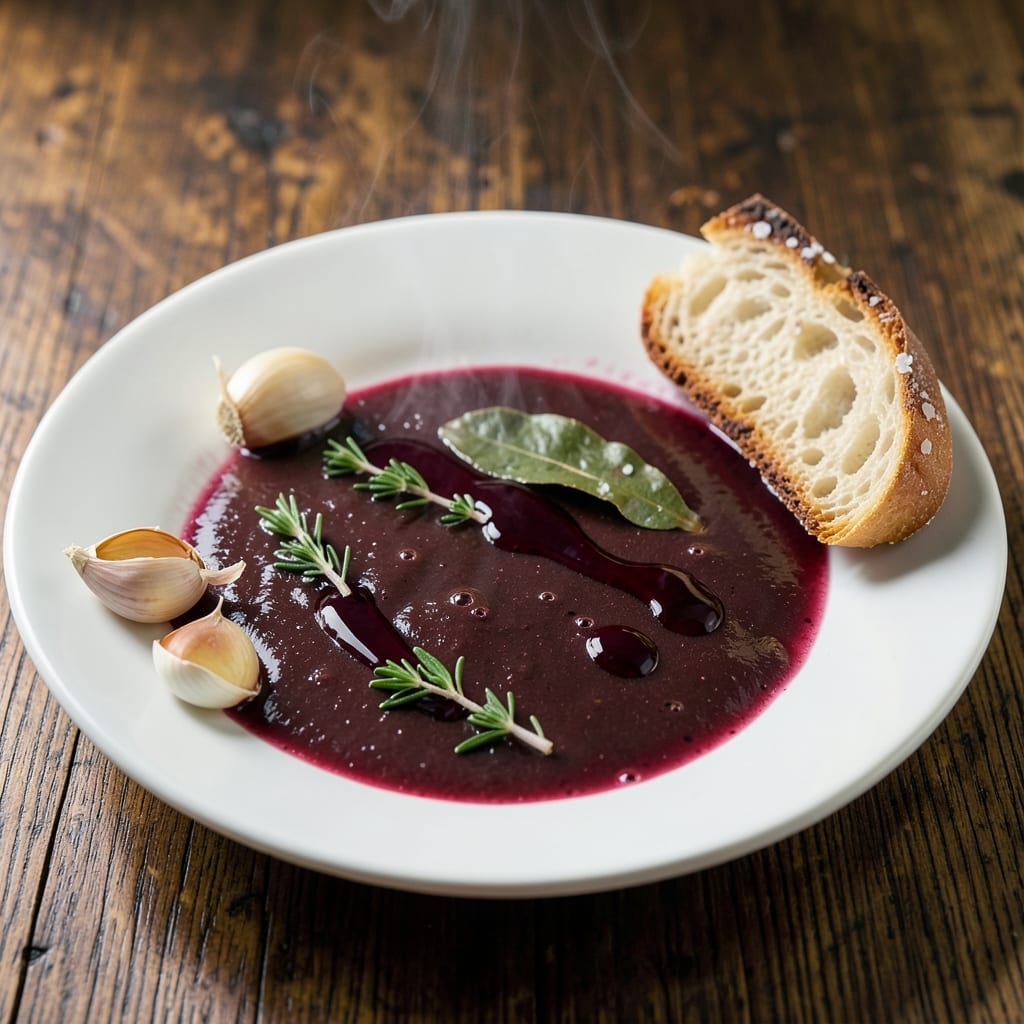
This au jus recipe with beef consommé transforms simple roasted beef drippings into a velvety, restaurant-quality sauce that captures every layer of flavor. The secret lies in clarifying the broth—skimming fat, reducing, and straining—to create a crystal-clear foundation that enhances rather than overpowers the natural richness of the beef. Unlike pan drippings that can be greasy or uneven, this method delivers a balanced, deeply savory sauce perfect for drizzling over steaks, roasts, or even sandwiches.
What sets this au jus apart is the precision in flavor development. A touch of red wine reduction adds depth, while herbs like thyme and bay leaf infuse subtle earthiness, and a pinch of black pepper brightens the finish. The process is straightforward: start with high-quality beef consommé, build layers of umami, and finish with a reduction that thickens just enough to cling to every bite. No shortcuts—just technique honed to perfection.
The result is a sauce that’s rich yet refined, with a glossy sheen and a taste that lingers like the best bistro au jus. It’s the kind of sauce that turns a simple protein into an elegant meal, whether you’re serving it alongside a Sunday roast or elevating a classic beef sandwich. The clarity and balance ensure it won’t overpower the main dish, just complement it.
Best of all, this recipe adapts effortlessly to different proteins and occasions. Use it as a dipping sauce, a drizzle for grilled meats, or even a base for a quick pan sauce. The key is patience—letting the flavors meld and the sauce reduce to the ideal consistency. Here’s how to make it.
Ingredients for au jus recipe with beef consomme
Elevate your beef game with this velvety, restaurant-worthy au jus that transforms simple consommé into liquid gold.
| Ingredient | Amount | Notes |
|---|---|---|
| Beef Consommé 🥩 | 2 cups | High-quality, clarified preferred |
| Red Wine 🍷 | ½ cup | Bold dry variety, like Cabernet Sauvignon |
| Red Wine Vinegar 🍶 | 1 tbsp | For acidity balance |
| Fresh Thyme Leaves 🌿 | ¼ cup | Or 1 tbsp dried thyme |
| Bay Leaves 🍃 | 2 whole | Fresh preferred, remove before serving |
| Garlic Cloves 🧄 | 3 cloves | Minced for depth of flavor |
| Unsalted Butter 🧈 | 2 tbsp | Cold, for finishing |
| Diamond Crystal Kosher Salt 🧂 | ½ tsp | Adjust to taste |
| Freshly Ground Black Pepper 🌶️ | ¼ tsp | For finishing |
| Cold Water 💧 | ¼ cup | For thinning if needed |
The consommé is your foundation—grab a high-quality jarred brand like Goya or make your own by simmering beef bones with aromatics. If using store-bought, check for clarity and depth of flavor; avoid anything with a metallic tang. The red wine should be bold and dry—Cabernet Sauvignon or Merlot work perfectly, but whatever’s open in your fridge will do. For the herbs, fresh thyme and bay leaves add layers of complexity, but dried works in a pinch at one-third the amount. The key is balance: let the beef’s natural richness shine without overpowering it.
No red wine? Substitute beef broth with a splash of balsamic vinegar—it adds a similar depth. Short on thyme? Dried oregano or marjoram can stand in, though fresh is always better. The butter at the end is non-negotiable—it adds a luxurious finish, but if you’re avoiding dairy, vegan butter or coconut oil works just as well. For a quicker version, skip the reduction and simply whisk the consommé with a splash of wine and herbs, then strain. The sauce should coat the back of a spoon but remain silky, not gloopy.
This au jus keeps beautifully—3-4 days in the fridge sealed in a jar, or up to 3 months frozen. For serving, reheat gently over low heat, adding a splash of water if it thickens too much. I like to portion it into small jars so it’s ready to drizzle at a moment’s notice. If you make extra, freeze it in ice cube trays for single-use portions—perfect for last-minute drizzling over steaks or sandwiches. The flavor only deepens over time, so don’t hesitate to make a batch ahead.
Why You'll Love This Recipe
- Five-Ingredient Magic: I swear by this—just consommé, wine, vinegar, and herbs. No chopping, no fuss, and the broth does all the heavy lifting while I sip my coffee.
- Deep Umami Love: That beef consommé? It’s the secret weapon—rich, savory, and packed with flavor. The red wine vinegar cuts through the richness just enough to make it dangerously good with every bite.
- Date Night Ready: Pour it over steak, use it as a dip for fries, or serve it alongside grilled veggies. Honestly, it’s the kind of sauce that makes even a simple meal feel like you’ve put in effort.
- Leftovers That Don’t Suck: This stuff actually tastes better the next day—yes, really. I’ve reheated it three times, and it’s still the star of my lazy Sunday brunch or a quick weeknight dinner. Budget-friendly? Absolutely.
Step-by-step instructions for rich beef consommé au jus
Transform humble beef consommé into a velvety, restaurant-worthy au jus that captures deep roasted flavors.
Build the Flavor Base
In a medium saucepan, combine the 2 cups beef consommé, 0.5 cup red wine, 1 tablespoon red wine vinegar, 0.25 cup fresh thyme leaves, and 2 whole bay leaves. Bring to a gentle simmer over medium-high heat, then immediately reduce to medium-low to maintain a steady bubble—not a rolling boil. This controlled simmer extracts maximum flavor from the aromatics without letting them burn.
Watch for 10-12 minutes until the liquid reduces by about one-third, deepening in color to a rich amber. The thyme should be fragrant and the bay leaves should perfume the kitchen—this is your signal the base is developing complexity. Skim off any foam that rises to the surface during this process to keep the sauce clean and concentrated.
Incorporate Garlic and Salt
Add the 3 minced garlic cloves and 0.5 teaspoon Diamond Crystal kosher salt to the simmering base. Stir gently to distribute the garlic evenly—you want it to infuse rather than brown. Let it cook for 2-3 minutes until the garlic is tender but still retains its distinct aroma. Overcooking garlic turns it bitter, so keep a close eye on the pan.
The salt should dissolve completely, but don't worry if you can't see it—it's working its magic to enhance all the flavors in the sauce. The liquid should now smell like a symphony of roasted beef, wine, and herbs. If you're unsure about the depth of flavor, taste a small spoonful—this is where you can adjust seasoning before committing to the final steps.
Finish with Butter and Pepper
Reduce the heat to low and remove the pan from the heat. Add the 2 tablespoons cold unsalted butter, stirring constantly with a wooden spoon until it melts completely. The butter should create a luxurious, glossy sheen on the sauce. Immediately return the pan to low heat just to maintain warmth—you don't want the butter to separate.
Finish with the 0.25 teaspoon freshly ground black pepper, stirring until fully incorporated. The pepper should be visible as tiny specks throughout the sauce, adding a subtle heat that balances the richness. Let the sauce rest off the heat for 2-3 minutes to allow the flavors to meld completely. This resting period is crucial—it lets the sauce come together rather than being a disjointed collection of ingredients.
Adjust Consistency and Serve
Taste the au jus and assess its consistency. If it's too thick, whisk in 1 tablespoon at a time of the 0.25 cup cold water until you reach a velvety, spoonable consistency—it should coat the back of a spoon but still be pourable. If it's too thin, simmer gently for 1-2 minutes to reduce it slightly. The perfect au jus should cling beautifully to roasted meats without being gluey.
Strain the sauce through a fine-mesh sieve into a clean saucepan, pressing gently on the solids to extract every last drop of flavor. Remove the bay leaves before serving—you want the elegant presentation of a smooth, unblemished sauce. Serve immediately alongside your roasted beef, where it will transform simple protein into a luxurious dining experience.
Pro Tips For Making Au Jus Recipe With Beef Consomme
- Simmer, Don’t Boil: Your consommé will turn cloudy if it boils—this isn’t a pot of water, it’s a delicate broth. Keep the heat at a gentle simmer (tiny bubbles, not rolling) once the wine and vinegar are added, or you’ll kill the clarity and depth of flavor you worked so hard to build.
- Toast the Bay Leaves: Dry-toast your bay leaves in a pan for 30 seconds before adding them to the consommé. This releases their oils and aromatics faster, so your au jus gets that subtle herbal punch without you having to wait for them to infuse. (Yes, even if you’re impatient like me.)
- Balance the Vinegar Last: Add the red wine vinegar in two stages—half at the start to brighten the consommé, the rest just before serving. This stops it from overpowering the wine’s richness or making the dish taste harsh. I learned this the hard way when I dumped it all in at once and ended up with something that tasted like a wine cooler gone wrong.
- Strain Twice for Smoothness: Use a fine-mesh sieve for the first strain, then a cheesecloth-lined colander for the second. The cheesecloth catches those last stubborn bits of herb and sediment that a sieve misses—your au jus will look restaurant-worthy, not homemade. (Trust me, it matters more than you’d think.)
Storing and reheating this au jus recipe with beef consomme
Fridge Storage Tips
Store your au jus in an airtight glass jar or small saucepan in the refrigerator for up to 4 days. The glass preserves flavor better than plastic, and the smaller container lets you reheat just what you need. I like using Mason jars because they’re easy to grab and pour directly over my plate. Always let the sauce cool completely before sealing to prevent condensation that can dilute flavors. 🥫
Freezer Prep Tricks
For longer storage, freeze your au jus in ice cube trays for single-use portions. Once frozen, transfer the cubes to a freezer-safe bag, squeezing out excess air to prevent freezer burn. Label with the date—it keeps 3 months at 0°F or below. When ready to use, simply pop a cube or two into a saucepan and warm gently. This method ensures you always have perfect au jus ready for last-minute drizzling. ❄️
Reheating Like a Pro
To reheat, pour the au jus into a saucepan over medium-low heat and warm gently until just simmering—about 3-5 minutes. Never boil, or the sauce will separate and lose its velvety texture. If it thickens too much, whisk in 1 tablespoon cold water at a time until it reaches that perfect spoonable consistency. For extra richness, stir in 1 teaspoon cold butter while reheating. 🔥
Thawing Frozen Au Jus
Thaw overnight in the fridge for best results, or use the quick thaw method: place the sealed bag in a bowl of cold water for 20-30 minutes. Never microwave—it creates hot spots that can break down the sauce’s delicate balance. Once thawed, give it a quick stir and reheat as directed. The texture should return to silky smoothness, just like fresh. 💧
Reviving Stale Sauce
If your au jus tastes flat after storage, don’t toss it! Revive it by simmering with 1 teaspoon fresh thyme and ½ teaspoon red wine vinegar for 2-3 minutes. The acidity brightens flavors, while the thyme adds fresh aroma. For extra depth, stir in 1 tablespoon beef consommé to restore richness. Most of the time, a little TLC brings it back to life. ✨
Portioning for Perfection
Divide leftover au jus into small jars or ramekins before storing. This makes it easy to grab just the right amount for a single steak or sandwich. I keep one jar in the fridge for quick use and freeze extras in 1-tablespoon portions—perfect for drizzling over individual servings. Pre-portioned sauce stays fresher longer and prevents waste from forgotten leftovers. 💡
Nutrition facts
Frequently asked questions about beef consommé au jus
Can I use regular beef broth instead of consommé?
While you can substitute beef broth, you’ll lose the clarity and depth that consommé provides. Consommé is clarified to remove impurities, giving your au jus a velvety texture and richer flavor. If using broth, strain it through a fine-mesh sieve first to remove any sediment. For extra richness, reduce the broth by half before adding wine and aromatics.
How do I know when the sauce is reduced enough?
The perfect au jus should reduce until it coats the back of a spoon but remains pourable—about one-third less volume than your starting consommé. Look for a deep amber color and a concentrated aroma. If it’s too thin, simmer gently for 1-2 more minutes. If too thick, whisk in 1 tablespoon cold water at a time until silky smooth.
What’s the best way to reheat leftover au jus?
Reheat gently over medium-low heat until just simmering (3-5 minutes), never boiling. If it thickens, whisk in 1 tablespoon cold water to restore consistency. For extra richness, stir in 1 teaspoon cold butter while warming. Avoid microwaving—it can break down the sauce’s delicate balance.
Can I make this au jus ahead of time?
Store in an airtight glass jar in the fridge for 4 days or freeze in ice cube trays for 3 months. For serving, thaw overnight in the fridge or use the quick-thaw method (sealed bag in cold water for 20-30 minutes). Reheat gently to preserve its velvety texture.
Why did my au jus turn cloudy?
Cloudiness usually means proteins or impurities weren’t fully clarified. Strain through a fine-mesh sieve or cheesecloth again, pressing gently on the solids. For extra clarity, chill the sauce overnight—fat will solidify on top, making it easy to skim off before reheating. If using store-bought consommé, opt for a high-quality brand with minimal additives.