
Soups & Stews
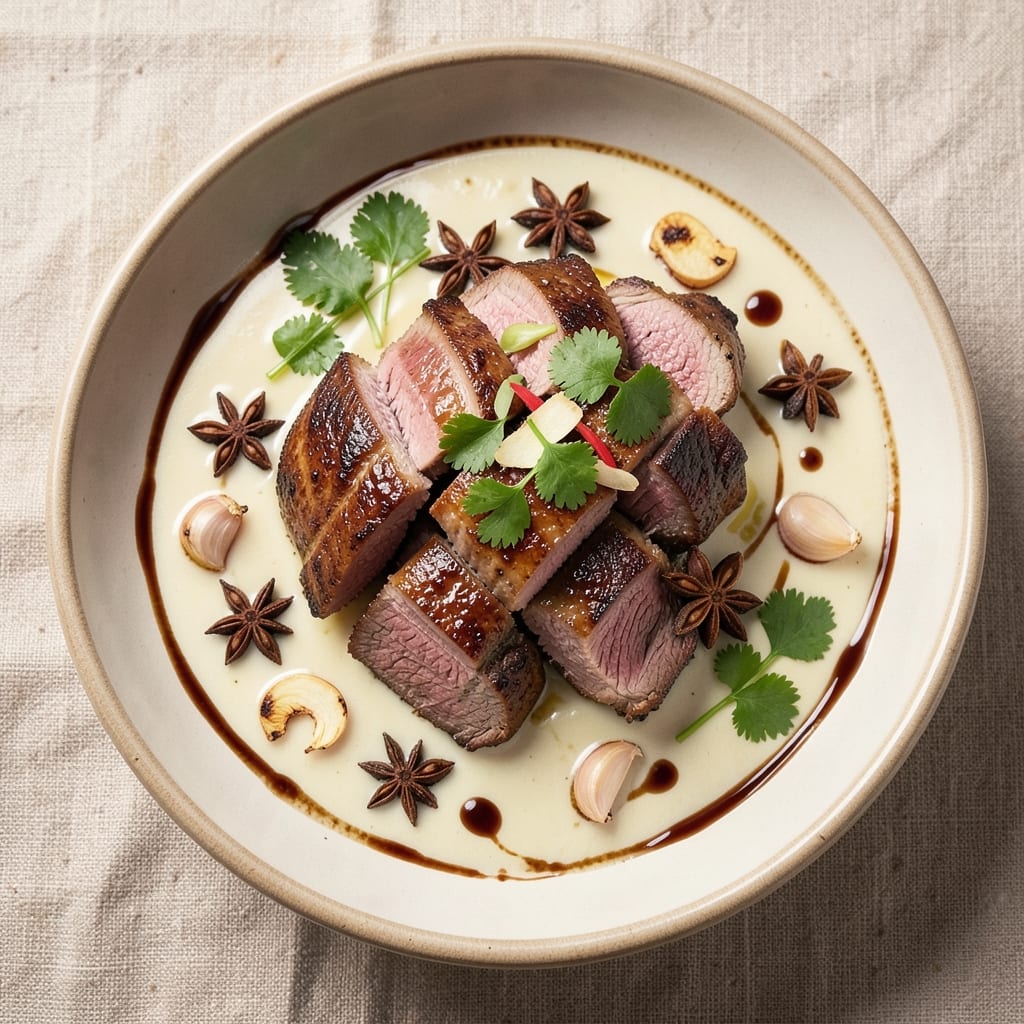
This Asian-style beef stew recipe transforms tough cuts into melt-in-your-mouth tenderness with star anise and coconut milk creating layers of umami depth. The slow braising process develops rich, complex flavors that make every bite satisfying, while aromatic vegetables like ginger and garlic build warmth. Perfect for hearty meals or meal prep, this stew delivers restaurant-quality results at home with minimal effort.
The secret lies in balancing sweet, savory, and aromatic elements—soy sauce for saltiness, coconut milk for creaminess, and star anise for subtle earthiness. Aromatic vegetables like scallions and garlic infuse the broth with brightness, while slow cooking breaks down the beef into fork-tender perfection. This method ensures deep flavor without requiring advanced techniques.
By the time it's done, you'll have a velvety stew with tender beef chunks swimming in a fragrant, slightly sweet broth. The star anise adds a unique warmth, while coconut milk lends a creamy texture that pairs beautifully with steamed rice or crusty bread. Each spoonful delivers a harmonious blend of textures and flavors that make it a standout dish.
Serve with jasmine rice or pickled vegetables for a complete meal. The leftovers reheat beautifully, making it ideal for busy weeks. Let's create this comforting stew that brings warmth to any table.
Ingredients for asian style beef stew
Pantry staples meet aromatic spices for this deeply flavorful Asian-inspired beef stew.
| Ingredient | Amount | Notes |
|---|---|---|
| Beef Chuck Roast 🥩 | 2 lb | Tough cut for slow braising |
| Coconut Milk 🥥 | 1 can (13.5 oz) | Full-fat for creaminess |
| Star Anise Pods 🌿 | 2 whole | Whole pods for infusion |
| Fresh Ginger 🧄 | ½ cup | Grated, peeled root |
| Garlic Cloves 🧄 | 6 cloves | Minced for aromatic base |
| Low-Sodium Soy Sauce 🍶 | ½ cup | For umami depth |
| Scallions 🧅 | ¼ cup | Sliced, white parts only |
| Carrots 🥕 | 1 lb | Cut into 1-inch chunks |
| Onion 🧅 | 1 whole | Yellow, chopped |
| Brown Sugar 🍯 | ¼ cup | Light or dark variety |
| Vegetable Oil 🫒 | 1 tbsp | For searing beef |
| Kosher Salt 🧂 | 1 ½ tsp | Adjust to taste |
| Black Peppercorns 🌶️ | ½ tsp | Freshly cracked |
| Water 💧 | 3 cups | For braising liquid |
The beef cut matters most here—chuck roast delivers that signature fork-tender texture after slow cooking. Costco or local butchers often carry pre-cut chuck, but if buying whole, ask for well-marbled pieces. Fresh ginger and garlic should be vibrant, not shriveled. Star anise pods can be found in the international aisle at Whole Foods or Asian markets, where they'll also carry better-quality coconut milk. The soy sauce should be low-sodium to control salt levels precisely—Kikkoman is reliable, but any good brand works. Carrots and onions can be baby or regular; just chop them evenly for consistent cooking. Brown sugar adds subtle sweetness without overpowering the savory notes.
No star anise? 1 tsp ground anise or 1 cinnamon stick works in a pinch, though the flavor will differ slightly. Substituting light coconut milk for full-fat reduces richness, but it's still delicious. Fresh ginger and garlic can be swapped for powdered versions at half the amount, though fresh is always preferred. The scallions add brightness—if you're short, use green onions or even a bit of celery leaf. For extra depth, add a splash of fish sauce (1 tsp) if you're comfortable with it, or another teaspoon of soy sauce. The beef can be seared ahead of time and refrigerated overnight for even more flavor development.
This stew tastes even better the next day as flavors meld. Store in an airtight container in the fridge for up to 5 days or freeze for 3 months. For meal prep, portion into individual containers—each serving pairs perfectly with jasmine rice. The broth thickens as it cools, so add a splash of water when reheating. To serve, sprinkle with fresh cilantro or sesame seeds if you're feeling fancy. The leftovers reheat beautifully, making this an ideal dish for busy weeks when you need hearty, comforting meals.
Why You'll Love This Recipe
- One-Pot Magic: I swear by this recipe—just toss everything into one pot, walk away, and let the star anise and ginger work their magic. No chopping mountains of veggies or juggling multiple pans here.
- Deep, Warm Comfort: That first bite of tender beef in rich coconut milk, with the subtle heat of fresh ginger and garlic? It’s the kind of flavor that makes you slow down and savor every spoonful—no fancy plating needed.
- Leftovers That Shine: Between us, this stew only gets better the next day. The flavors meld into something even richer, and it reheats like a dream—perfect for lunches or freezing for those nights when takeout just won’t cut it.
- Budget-Friendly Feast: A chuck roast stretches for days, and the spices cost pennies. Honestly, I make this when I’m pinching pennies, and it still feels like a special meal—no guilt, just flavor.
Step-by-step instructions for Asian-style beef stew
This method transforms tough chuck roast into fork-tender, aromatic beef with layers of coconut and star anise.
Sear the Beef Chuck Roast
Pat the 2 lb beef chuck roast completely dry with paper towels. This step is crucial—moisture prevents proper browning. Heat a large, heavy pot over medium-high heat until hot, then add the 1 tablespoon vegetable oil. Once shimmering, add the beef and sear on all sides until deeply browned, about 8-10 minutes total. You're building flavor through the Maillard reaction here, so don't rush. The exterior should develop a rich, caramelized crust.
Remove the beef and set it aside. You'll notice the pot has browned bits stuck to the bottom—these are packed with flavor. Don't scrape them out yet; they'll form the base of your stew. If the pot gets too dark, reduce heat slightly to prevent burning. This sear ensures your stew develops deep, savory notes that balance the coconut's sweetness.
Build the Aromatic Base
In the same pot, add the 1 whole onion and 1 lb carrots (cut into 1-inch chunks). Cook for 5 minutes, stirring occasionally, until the vegetables begin to soften. Add the 6 cloves garlic cloves (minced) and 0.5 cup fresh ginger (grated), cooking for another 1-2 minutes until fragrant. You'll smell the garlic and ginger release their oils—this is when they become most flavorful.
Stir in the 2 whole star anise pods, 0.5 cup low-sodium soy sauce, 0.25 cup brown sugar, 1.5 teaspoons kosher salt, and 0.5 teaspoon black peppercorns. Pour in the 3 cups water and bring to a gentle simmer. The star anise will infuse the liquid with a subtle licorice note, while the brown sugar adds depth that complements the umami. Let this mixture bubble for 5 minutes to meld the flavors before adding the beef back.
Slow Braise the Beef
Return the seared beef to the pot, along with any accumulated juices. Pour in the 1 can (13.5 oz) coconut milk, making sure to scrape up any browned bits from the bottom. The coconut milk should create a creamy, fragrant layer on top. Bring the liquid to a simmer, then reduce heat to low and cover the pot. The goal is to maintain a gentle bubble—you should see just a few small bubbles breaking the surface occasionally.
Simmer for 2.5 to 3 hours, until the beef is fork-tender. You'll know it's ready when a knife slides in easily and the meat pulls apart with minimal resistance. The stew should have thickened slightly, with the vegetables tender but still holding their shape. If the liquid reduces too much before the beef is tender, add ½ cup water to maintain the right consistency. Patience here is key—the slow cook transforms tough beef into melt-in-your-mouth perfection.
Finish and Garnish
Once the beef is tender, remove the star anise pods—they've done their job and can be discarded. Stir in the 0.25 cup scallions (sliced, white parts only) and taste the stew. Adjust seasoning if needed, adding more low-sodium soy sauce for saltiness or brown sugar for sweetness. The balance should be harmonious, with the coconut creaminess cutting through the beef's richness.
Let the stew sit off the heat for 10 minutes before serving. This resting period allows the flavors to fully meld and the juices to redistribute throughout the beef. Ladle into bowls, ensuring each serving gets a generous portion of beef and vegetables. The stew should be rich, aromatic, and deeply satisfying—each bite delivering layers of umami, sweetness, and subtle spice from the star anise. Serve with steamed jasmine rice to soak up every last drop of the flavorful broth.
Pro Tips For Making Asian Style Beef Stew
- SEAR THE ROAST FIRST: After burning my first chuck roast trying to "simmer it gently," I learned to brown it hard in a dry pot for 8-10 minutes—until it’s deep golden, not just pink. This locks in flavor and prevents the stew from tasting like boiled beef. (Yes, even if you’re impatient like me.)
- CRUSH STAR ANISE: Whole star anise pods just float around and underdeliver. Lightly smash them with a knife or mortar before adding—this releases their aromatic oils into the coconut milk. I used to skip this, and the dish always felt "off" without that deep licorice warmth.
- SIMMER LOW AND LONG: Your slow cooker’s "low" setting isn’t always low enough. For real tenderness, keep the stew at a bare simmer—tiny bubbles, not rolling—so the connective tissue melts instead of turning to glue. I learned this after serving rubbery beef twice.
- USE FULL-FAT COCONUT MILK: The cheap, watery versions make the stew taste like it’s missing something. Splurge on full-fat canned coconut milk—it’s richer, creamier, and actually balances the ginger’s bite. (I know, I know—your budget might protest, but trust me on this.)
Regional styles of these flavors
Japanese Nikujaga
In Japan, this stew is called nikujaga, a comforting dish traditionally served in winter. The key difference is using dashi stock (made from kombu and bonito flakes) instead of water, and adding potatoes for heartiness. I like to include shirataki noodles for texture and a touch of mirin to balance the flavors. The dish is often made in a donabe (clay pot) for even cooking and a smoky aroma. 🌿
Thai Beef Massaman
Thai Massaman curry transforms this stew into a creamy, aromatic dish with coconut milk, potatoes, and peanuts. The star anise is replaced with cardamom and cinnamon, while chili paste adds heat. I often use ground beef instead of chuck for quicker cooking, and finish with raisins for sweetness. Serve with jasmine rice and a sprinkle of fresh cilantro.
Korean Beef Jjigae
Korean jjigae (stew) takes this concept further with fermented soybean paste (doenjang) or gochujang for depth. The beef is often marinated in soy sauce and sugar before cooking, and tofu or zucchini is added for texture. I love adding kimchi for tanginess and topping with sesame seeds and green onions. The broth is richer and spicier, perfect with steamed rice or mandu (dumplings).
Vietnamese Beef Pho
While not a stew in the traditional sense, Vietnamese pho shares similarities with its aromatic broth and tender beef. Use chuck roast for the beef, simmered with star anise, cinnamon, and ginger in a beef or chicken stock. Top with thinly sliced raw beef, bean sprouts, basil, and lime. The coconut milk can be added as a creamy drizzle for a modern twist. 🍜
Filipino Beef Kare-Kare
Filipino kare-kare is a peanut-based stew with ox tail or beef chuck, but you can adapt this recipe by adding peanut butter and taro leaves for authenticity. The star anise is replaced with turmeric and black pepper, while bagoong (fermented shrimp paste) adds umami. Serve with bagoong alaming (shrimp paste dip) and steamed rice.
Modern Fusion Twist
For a contemporary take, blend Asian flavors with Latin influences—add cumin, smoked paprika, and tomatoes to the stew. Swap star anise for coriander seeds and finish with lime zest and cilantro. This fusion works beautifully with cornbread or warm tortillas for a unique twist. 🌶️
Nutrition facts
Frequently asked questions
Can I substitute ground beef for chuck roast in this recipe?
You can use ground beef, but the texture will be very different. Ground beef cooks much faster and won't develop the same tender, fork-pulling quality. If you prefer ground beef, use 1 lb and cook it until just browned (about 3-4 minutes) before adding the other ingredients. The stew will be thicker and more like a curry than a traditional braised stew.
How can I make this stew spicier?
For heat, add 1-2 teaspoons of chili paste or ½ teaspoon of red pepper flakes when building the aromatic base. If you love spice, stir in 1 sliced Thai chili or a pinch of cayenne pepper. For a smoky kick, add ½ teaspoon smoked paprika along with the star anise. Always taste before serving to adjust to your preference.
Can I make this stew in an Instant Pot or slow cooker? For the Instant Pot, sear the beef first, then add all ingredients and cook on high pressure for 45 minutes, followed by a 10-minute natural release. For a slow cooker, use the same ingredients but cook on low for 6-8 hours or high for 4 hours. The slow cooker version will be even more tender. Just
What's the best way to reheat leftover stew?
Reheat gently on the stove over low-medium heat until warmed through, stirring occasionally. If the stew seems too thick, add 1-2 tablespoons of water or coconut milk to restore creaminess. Avoid microwaving—it can make the broth watery and the beef dry. For best results, reheat only what you plan to eat immediately.
Can I use chicken or pork instead of beef?
Yes, but the cooking time will differ. For chicken, use 1.5 lbs of bone-in thighs and cook for 45-50 minutes (or until internal temp reaches 165°F). For pork, use 1.5 lbs of pork shoulder and cook for 2-2.5 hours until fork-tender. The flavor profile will shift slightly, but the technique remains the same.