
Soups & Stews
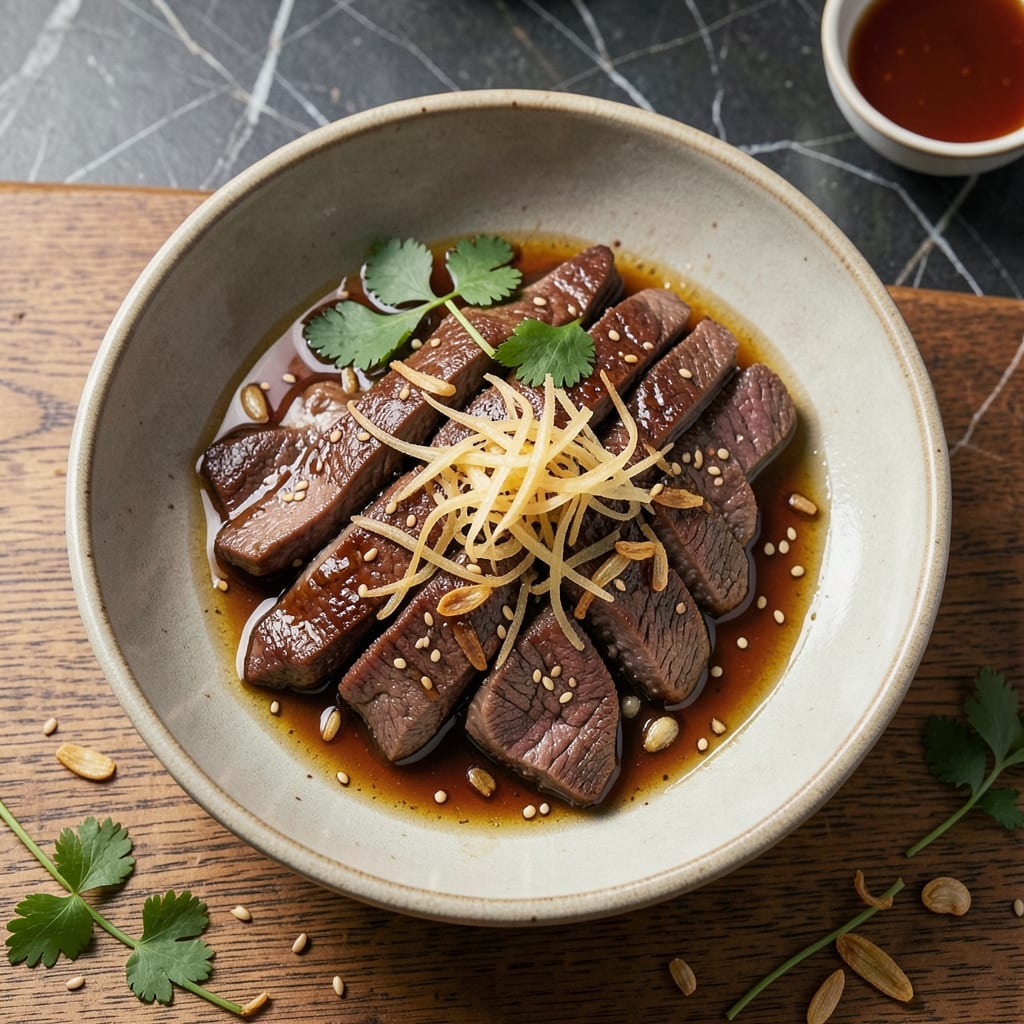
This Asian ginger beef recipe delivers restaurant-quality wok sizzle in just 20 minutes, transforming simple ingredients into a dish bursting with aromatic ginger, caramelized sweetness, and deep umami. The secret lies in marinating the beef with fresh ginger and soy sauce, letting the flavors meld while tenderizing the meat—no complicated techniques required. What starts as raw beef becomes fork-tender strips with a glossy, sticky glaze that clings perfectly to each bite.
The magic happens in the wok, where high heat sears the beef while the ginger releases its signature warmth, blending with the sweetness of honey or brown sugar and the tang of rice vinegar. This isn’t just another stir-fry—it’s a balanced harmony of textures: crisp edges on the beef, silky sauce, and the bright, fresh crunch of vegetables like bell peppers or snap peas. The aroma alone will have everyone at the table anticipating that first bite, and the flavors only deepen as it sits.
What makes this recipe truly foolproof is the 20-minute timeframe, making it ideal for weeknight dinners or last-minute entertaining. Serve it over steamed jasmine rice to soak up every drop of that ginger-infused sauce, or pair it with fluffy mantou buns for a handheld meal. The dish scales effortlessly—double the ingredients for a crowd, or halve it for a single serving without sacrificing flavor. It’s the kind of meal that feels special without requiring hours in the kitchen.
For those who love customization, the recipe leaves room to adjust the heat level with chili flakes or the sweetness with extra honey, ensuring it fits any palate. The beauty of this dish is in its versatility: it’s comforting enough for a cozy night in but impressive enough for guests. Once you try it, you’ll reach for this Asian ginger beef time and time again—it’s that good.
Ingredients for asian ginger beef
Restaurant-quality wok sizzle starts with these 15 simple yet powerful ingredients.
| Ingredient | Amount | Notes |
|---|---|---|
| Flank Steak 🥩 | 1 ¼ lb | Thinly sliced against grain |
| Fresh Ginger Root 🌿 | ½ cup | Finely grated, skinless |
| Low-Sodium Soy Sauce 🍶 | ¼ cup | Kikkoman preferred |
| Brown Sugar 🍯 | ¼ cup | Packed firmly |
| Rice Vinegar 🍶 | ⅛ cup | Seasoned preferred |
| Sesame Oil 🫒 | 1 tbsp | Toasted sesame oil |
| Garlic Cloves 🧄 | 4 cloves | Minced, fresh preferred |
| Honey 🍯 | 1 tbsp | Light or clover honey |
| Red Bell Pepper 🌶️ | 1 whole | Sliced into strips |
| Snap Peas 🌱 | 1 cup | Fresh or frozen |
| Green Onion 🧅 | 1 whole | Sliced into 1-inch pieces |
| Vegetable Oil 🫒 | 2 tbsp | High smoke point |
| Sesame Seeds 🌰 | 1 tbsp | Toasted for garnish |
| Salt 🧂 | 1 tsp | Kosher or sea salt |
| Black Pepper 🌶️ | ¼ tsp | Freshly ground |
The flank steak is non-negotiable for this dish—its lean texture breaks down beautifully when sliced thin against the grain. Ask your butcher to slice it if you're not confident doing it yourself, or freeze it for 30 minutes to make slicing easier. For the ginger, organic is best—the fresher, the more vibrant the flavor. I grab mine from the Asian market in bulk, but the regular grocery store ginger works too. Look for pieces that are firm and free of soft spots. The Kikkoman soy sauce is a staple in my pantry—its balance of salt and umami is perfect for marinades, but any low-sodium soy sauce will do.
No fresh ginger? Ginger powder at half the amount works in a pinch, though it lacks the same depth. Swap brown sugar for white sugar or coconut sugar—just know the flavor profile shifts slightly. The red bell pepper can be any color, but red adds the most natural sweetness. If snap peas are out of season, frozen peas are a great substitute—just thaw and drain them first. For extra heat, add 1/4 tsp chili flakes or a dash of Sriracha at the end. The sesame oil is for flavor, not cooking—add it last to preserve its nutty aroma. If you're avoiding gluten, use tamari instead of soy sauce.
Marinate the beef for at least 30 minutes (longer if possible) to maximize tenderness. Store leftovers in an airtight container for 3-4 days in the fridge, or freeze for up to 3 months. I like to portion mine into single-serving containers—perfect for quick lunches. The sauce thickens as it cools, so a splash of water or rice vinegar brings it back to the perfect consistency when reheating. Serve over steamed jasmine rice to soak up every last drop of that ginger-soy glaze.
Why You'll Love This Recipe
- Fewer Ingredients, Bigger Payoff: I swear by this recipe—just five core ingredients, and the flavors explode. That fresh ginger? It’s the star, bright and zesty, cutting through the richness of the steak while the brown sugar caramelizes into a glossy, addictive glaze. No fancy pantry staples needed.
- Umami Bomb: The low-sodium soy sauce and rice vinegar combo is where the magic happens. That tangy-sweet balance? It clings to the steak like a hug, making every bite taste like a tiny victory. Honestly, I’ve tried store-bought sauces, but this homemade mix is in a league of its own.
- Meal Prep MVP: This recipe keeps beautifully for days—toss it in containers for quick lunches or reheat slices for stir-fries. The steak stays tender (no dry leftovers here), and the sauce only gets better as it sits. My freezer’s full of these portions because I’m always too lazy to cook twice.
- Budget-Friendly Luxury: Flank steak is affordable, and a single cut feeds four for under $15. The ginger and vinegar stretch the flavor further, so you’re not just paying for protein—you’re getting restaurant-quality taste without the markup. Between us, this is how I trick myself into eating well on tight weeks.
Step-by-step instructions for Asian ginger beef
Here's how to transform tender flank steak into restaurant-quality ginger beef with bold flavors.
Prepare the Marinated Beef
Slice the 1.25 lb flank steak thinly against the grain into ¼-inch strips. Place in a bowl and add the 0.5 cup finely grated fresh ginger root, 0.25 cup low-sodium soy sauce, 0.25 cup packed brown sugar, 0.125 cup rice vinegar, 1 tbsp honey, 4 minced garlic cloves, 1 tsp salt, and 0.25 tsp black pepper. Mix thoroughly until the beef is evenly coated.
Let the beef marinate for at least 15 minutes while you prep the remaining ingredients. The acid in the rice vinegar and soy sauce will begin tenderizing the meat, while the sugar and ginger infuse deep flavor. Don't skip this step—proper marinating makes the difference between tough and tender beef.
Prep the Vegetables and Sauce Base
Slice the 1 whole red bell pepper into ½-inch strips and trim the 1 whole green onion into 1-inch pieces. If using frozen, thaw the 1 cup snap peas and drain any excess liquid. In a small bowl, whisk together 1 tbsp sesame oil with 1 tbsp toasted sesame seeds for the finishing garnish.
Heat 2 tbsp vegetable oil in a large wok or skillet over medium-high heat until shimmering. Add the marinated beef in a single layer and let it sear undisturbed for 1-2 minutes until the edges turn deep golden brown. This initial sear locks in juices and develops that signature wok-char flavor.
Cook the Beef and Vegetables Together
Push the beef to one side of the wok and add the red bell pepper strips and snap peas. Stir-fry for 2-3 minutes until the vegetables begin to soften but still retain their vibrant color. The high heat should create a sizzling sound—this indicates proper cooking.
Return the beef to the center of the wok and stir everything together for another 1-2 minutes. The beef should now be cooked through with a slightly caramelized exterior. Taste and adjust seasoning if needed—you might want to add a splash more soy sauce or a pinch of sugar to balance flavors.
Finish with Fresh Garnishes
Transfer the ginger beef to a serving platter and drizzle with any accumulated juices from the wok. Sprinkle generously with the prepared sesame oil and sesame seeds mixture, then scatter the green onion pieces evenly over the top. The fresh green onion adds a bright contrast to the rich, spiced beef.
Serve immediately over steamed rice or noodles while everything is still sizzling hot. The combination of tender beef, crisp-tender vegetables, and aromatic ginger creates a perfect balance of sweet, spicy, and umami flavors that will have everyone asking for seconds.
Pro Tips For Making Asian Ginger Beef
- Slice Thin, Cook Fast: Flank steak’s trick is in the cut—thin slices (¼-inch max) cook through in minutes, not hours. I used to overcompensate with thick slices and ended up with chewy results; now I slice against the grain and sear on high heat for 2-3 minutes total.
- Grate, Don’t Mince Ginger: Fresh ginger loses its punch when minced too finely—it turns to mush and releases bitterness. Use a box grater for coarse shreds (about 2 tablespoons) that hold their shape and brighten the sauce without overpowering.
- Deglaze Aggressively: After searing the beef, don’t just splash in the soy and vinegar—scrape up those browned bits with a wooden spoon. That’s where the flavor lives, and skipping it means a bland sauce. A quick 30-second scrape makes a real difference.
- Balance the Sweet-Sour: Brown sugar caramelizes fast—add it late (last 30 seconds of cooking) to avoid burning. If your sauce tastes one-note, a splash of rice vinegar (start with 1 teaspoon) cuts through the sweetness. Taste as you go; you can always add more sugar, but you can’t fix too much acid.
Flavor customization for this asian ginger beef
Spice Level Control
Adjust heat by adding ½ tsp chili flakes or 1 tsp gochujang (Korean chili paste) to the marinade for mild heat. For a fiery kick, mix in 1 tbsp sriracha or 1 tsp doubanjiang (spicy fermented bean paste) during the final stir-fry. I like adding chili flakes gradually—start with ¼ tsp and taste before committing. 🌶️
Sweetness Balance
Swap brown sugar for honey or maple syrup to intensify sweetness. For deeper caramelization, add 1 tbsp molasses to the marinade. If the sauce tastes too sweet, balance it with 1 extra tbsp rice vinegar or a pinch of kosher salt. I often halve the sugar when using honey to avoid overwhelming the dish.
Umami Boost
Enhance depth with 1 tbsp oyster sauce or 1 tsp fish sauce in the marinade. For vegetarian versions, use 1 tbsp mushroom powder or 2 tbsp soy sauce. A splash of dark soy sauce (just ½ tbsp) adds color and richness without extra salt. I keep oyster sauce on hand specifically for this dish—it’s a game-changer. 🍶
Vegetable Swaps
Replace snap peas with bok choy or shredded carrots for crunch. For heartier meals, add shredded cabbage or mushrooms. I love using water chestnuts (½ cup) for texture—they hold their shape beautifully. For a smoky twist, swap bell peppers for grilled eggplant strips prepped with 1 tsp smoked paprika.
Protein Alternatives
Use chicken breast or pork tenderloin instead of beef—just halve the marinating time to 10 minutes. For seafood lovers, try shrimp or scallops (cook for 2-3 minutes max to avoid overcooking). I’ve had great success with tofu (extra-firm) for a vegetarian version—press and marinate for 30 minutes before cooking.
Ginger Variations
For a milder ginger flavor, reduce to ¼ cup grated ginger and add ½ tsp ground ginger. To intensify aroma, steep 2 tbsp sliced ginger in ¼ cup hot water for 10 minutes, then strain and use the infused liquid in the marinade. I’ve also experimented with galangal root (a Thai ginger substitute)—it adds a citrusy depth that pairs wonderfully. 🌿
Nutrition facts
Frequently asked questions
Can I use ground beef instead of flank steak?
Ground beef works, but the texture will be different—it loses the tender, stringy quality of sliced flank steak. For best results, use 80% lean ground beef and marinate for 20 minutes instead of 15. The dish will still be flavorful, just with a meatier bite.
How do I make this dish less sweet?
Reduce the brown sugar to 2 tablespoons and add 1 extra tablespoon rice vinegar to balance flavors. For a tangier profile, increase garlic to 6 cloves or add ½ teaspoon grated lime zest to the marinade.
What's the best way to reheat leftovers?
Reheat in a skillet over medium heat with 1 teaspoon vegetable oil and 1 tablespoon water to restore moisture. Stir constantly for 2-3 minutes until warmed through. Avoid microwaving—it makes the sauce gummy.
Can I make this dish gluten-free?
Yes! Replace soy sauce with tamari or coconut aminos, and use gluten-free brown sugar. Check sesame oil labels—some brands process in gluten facilities. For extra umami, add 1 teaspoon fish sauce (ensure it's gluten-free).
Why does my ginger beef turn out dry?
Overcooking or overcrowding the pan are the most common causes. Sear beef in single layers and cook for no more than 3-4 minutes total. For extra moisture, add 1 tablespoon water or broth during cooking.