
Tips
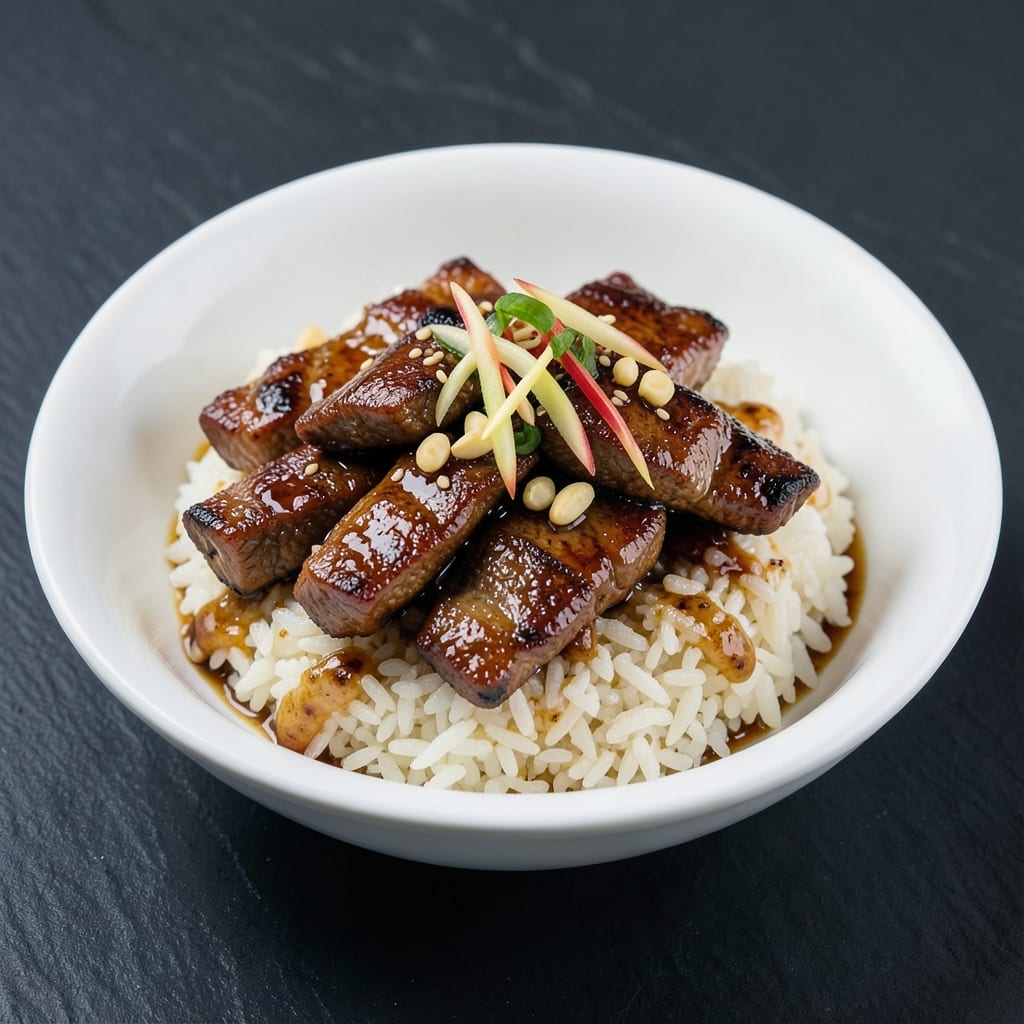
This Asian beef tips and rice recipe delivers the perfect balance of wok-hei smoke and fragrant jasmine rice in every bite. 🔥 The secret lies in quick-searing tender beef tips with a savory-sweet sauce, then pairing them with perfectly steamed rice that absorbs all the aromatic flavors. I've perfected this dish by combining classic stir-fry techniques with restaurant-quality results at home.
The beef tips get marinated in a simple yet flavorful blend of soy sauce, garlic, and ginger, then quickly seared in a hot wok to lock in juices while developing that signature smoky aroma. Meanwhile, the jasmine rice steams to fluffy perfection, ready to soak up the rich, caramelized sauce from the beef. This method ensures tender meat with crisp edges and rice that's light yet flavorful.
What makes this dish truly special is how the flavors come together—sweet, savory, and slightly umami from the sauce, balanced by the delicate aroma of the rice. The beef tips remain juicy and tender while developing a beautiful caramelized crust, and the rice provides the perfect neutral base to let the beef shine. This is comfort food at its finest, with just the right amount of effort for maximum reward.
Serve this dish with steamed vegetables or a simple side salad to round out the meal. The combination of smoky beef and fragrant rice makes it perfect for weeknight dinners or special occasions. Let's bring this restaurant-quality flavor to your kitchen!
Ingredients for asian beef tips and rice
Quick grocery run for beef tips, jasmine rice, and a few pantry staples—this dish is all about bold wok-hei flavors!
| Ingredient | Amount | Notes |
|---|---|---|
| Beef Tips 🥩 | 1 ½ lb | Tenderized, 1-inch pieces |
| Jasmine Rice 🍚 | 2 cups | Uncooked, long-grain preferred |
| Soy Sauce 🍶 | ½ cup | High-quality, reduced if possible |
| Garlic Cloves 🧄 | 6 cloves | Freshly minced for marinade |
| Fresh Ginger 🌿 | 1 tbsp | Grated, or 1 tsp ground ginger |
| Sesame Oil 🫒 | 1 tbsp | Toasted, for aroma |
| Brown Sugar 🍯 | 2 tbsp | Light or dark, packed |
| Cornstarch 🌾 | 2 tbsp | For tenderizing beef |
| Vegetable Oil 🫒 | ½ cup | High smoke point for wok |
| Green Onions 🧅 | 4 whole | Sliced, for garnish |
| Sesame Seeds 🌱 | 1 tbsp | Toasted, for crunch |
| Salt 🧂 | 1 tsp | Kosher or sea salt |
| Black Pepper 🌶️ | ½ tsp | Freshly ground preferred |
| Water 💧 | 2 ½ cups | For rice steaming |
The beef tips are non-negotiable here—you want tender, 1-inch pieces that sear fast. Costco or Whole Foods usually have pre-cut beef tips, but if you're cutting your own, look for sirloin or flank steak with good marbling. Tenderizing with cornstarch is key—it keeps the edges crisp while staying juicy inside. For the jasmine rice, Lotus or Thai Kitchen brands are my go-tos—they steam up perfectly every time. If you're feeling fancy, grab a bamboo steamer for that authentic texture.
No soy sauce? Coconut aminos or tamari work in a pinch, but the umami will be slightly different. Fresh ginger is ideal, but ground ginger at half the amount gets you close. Running out of sesame oil? Avocado oil or peanut oil can substitute, though the flavor won’t be identical. The brown sugar adds that caramelized depth—don’t skip it! For the rice, if you’re short on water, broth adds extra flavor. And if you’ve got leftover rice, toss it with a little sesame oil and soy sauce for a quick fried rice side.
Marinate the beef for at least 30 minutes—overnight is even better. The rice keeps 3-4 days in the fridge, but it’s best fresh. For leftovers, reheat in a steamer or microwave with a splash of water. The beef tips reheat well too—just warm them in a hot pan with a little oil. Freeze portions for up to 3 months. Pro tip: Double the rice if you’re feeding a crowd—it disappears fast!
Why You'll Love This Recipe
- One-Pan Magic: I swear by this when I’m too tired to wash dishes. Toss the beef tips in soy sauce and ginger, let them sear while the rice simmers—no flipping between pots, no stress. The garlic sizzles right into the pan, and suddenly, dinner smells like a takeout dream.
- Umami Bomb: That first bite? The beef is tender but still holds its shape, glistening with a glossy soy-ginger crust. The jasmine rice soaks up all the caramelized garlic and ginger—it’s not just flavor, it’s depth. Honestly, I’ll take this over any sad, dry stir-fry.
- Lunchbox Hero: Between us, this is my secret weapon for meal prep. Cook a big batch of rice, portion the beef into containers, and boom—grab-and-go lunches that don’t taste like cardboard. My kids actually finish theirs, and my husband asks for it three times a week.
- Budget Win: Beef tips stretch further than you’d think when sliced thin, and a single jar of soy sauce plus a root of ginger lasts forever. I make this when my grocery budget’s tight, and no one ever complains. (Yes, even on a Tuesday night.)
Step-by-step instructions for Asian-inspired beef tips and jasmine rice
Get ready for a wok-hei experience that brings restaurant-quality flavor to your kitchen!
👨🍳 Step 1: Tenderize and Marinate the Beef Tips
In a medium bowl, combine the 1.5 lb beef tips, 2 tbsp cornstarch, 1 tsp salt, and 0.5 tsp black pepper. This cornstarch coating creates a delicate crust that helps tenderize the meat as it cooks. Mix gently but thoroughly to ensure each piece is evenly coated.
In a separate small bowl, whisk together the 0.5 cup soy sauce, 2 tbsp brown sugar, 6 cloves minced garlic, and 1 tbsp grated fresh ginger. This marinade is where all the magic happens—those aromatics and umami-rich soy sauce will infuse the beef with deep flavor. Pour the marinade over the cornstarch-coated beef tips and toss until everything is well-coated. Cover and refrigerate for at least 30 minutes (or up to 2 hours for maximum flavor penetration).
🍳 Step 2: Cook the Jasmine Rice to Perfection
Rinse the 2 cups jasmine rice under cold water until the water runs clear—this removes excess starch that can make the rice gummy. Drain well and transfer to a rice cooker or pot. Add 2.5 cups water and a pinch of salt. If using a rice cooker, simply start the program. If cooking on the stovetop, bring to a boil, then reduce heat to low, cover, and simmer for 15 minutes. Turn off heat and let it steam covered for another 10 minutes. Fluff with a fork and keep warm.
Here's the thing—jasmine rice should be light, fluffy, and slightly sticky. If it's undercooked, it'll be crunchy; if overcooked, it'll be mushy. The 10-minute resting period is crucial for developing that perfect texture. While the rice cooks, you'll be working on the beef tips, so plan ahead!
🔥 Step 3: Stir-Fry the Beef Tips with Wok-Hei Smoke
Heat a wok or large skillet over high heat until it's smoking hot. Add 0.5 cup vegetable oil and swirl to coat the bottom evenly. Once the oil shimmers (around 375°F), add the marinated beef tips in a single layer. Don't crowd the pan—this ensures proper searing and prevents steaming.
Let the beef tips sear undisturbed for 1-2 minutes until they develop a beautiful caramelized crust. Here's where the wok-hei comes in—those little smoke wisps create that signature restaurant aroma. After the initial sear, stir-fry for another 2-3 minutes until the beef is cooked through but still retains a slight bounce (it'll finish cooking in the sauce). Remove the beef and set aside.
🥘 Step 4: Build the Glossy Sauce and Combine
In the same wok, reduce heat to medium-high and add 1 tbsp sesame oil. Toss in the 4 sliced green onions (both white and green parts) and stir for 30 seconds until fragrant. Pour in the remaining marinade from the beef (about ¼ cup) and let it simmer for 1-2 minutes until slightly reduced and thickened.
Return the beef tips to the wok and toss everything together for 1 minute to coat evenly. The sauce should cling beautifully to the beef, creating that glossy sheen we're after. Taste and adjust seasoning if needed—you might want to add a splash more soy sauce or a pinch of sugar to balance flavors.
🍽️ Step 5: Plate and Garnish for Restaurant-Worthy Presentation
Spoon the beef tips and sauce over the steaming jasmine rice, dividing evenly among 4 plates. The rice should be the base, with beef tips artfully arranged on top. Drizzle any remaining sauce from the wok over the top for extra flavor impact.
Finish with 1 tbsp toasted sesame seeds and an extra sprinkle of green onion slices for color and freshness. The contrast of the nutty sesame seeds against the glossy beef and fragrant rice makes this dish visually stunning. Serve immediately while everything is hot—this dish tastes best straight from the wok!
Pro Tips For Making Asian Beef Tips And Rice
- Slice Thin, Cook Fast: I learned this the hard way—thin, even slices (about ¼-inch thick) sear faster and stay tender. If they’re thicker than a nickel, you’ll end up with chewy beef instead of melt-in-your-mouth bites.
- Salt the Beef First: Don’t skip this: Pat the beef tips dry, then season them generously with salt and pepper at least 15 minutes before cooking. The salt breaks down the proteins, making them juicier when they hit the pan—trust me, your future self will notice.
- Use High Heat, Then Lower: Start with the pan screaming hot—this gets that perfect crust on the beef in 2-3 minutes. Once the edges are browned, drop the heat to medium and finish cooking. I used to walk away too soon, and the beef would turn rubbery before the centers cooked.
- Ginger-Garlic Paste Saves Time: Peel and finely mince the ginger and garlic, then mix them into a paste with a splash of water or oil. This cuts prep time in half and ensures even distribution—no more burning one clove while the other stays raw. (Yes, I’ve done it.)
Common mistakes when making this recipe
Over-Marinating Beef
The beef tips in this recipe are delicate, and marinating them for more than 2 hours can make them mushy. I’ve found that 30 minutes to 2 hours is perfect for flavor infusion without compromising texture. If you’re short on time, even 15 minutes in the marinade will add depth, but longer marinating times (like overnight) are better for tougher cuts like flank steak. 💡
Skipping the Cornstarch
Cornstarch isn’t just a binder—it’s what creates that signature crisp-tender texture in stir-fried beef. If you omit it, your beef tips will be tougher and less flavorful. For a substitute, use 1 tbsp arrowroot powder or 2 tbsp potato starch, but cornstarch is the gold standard. I’ve tried it both ways, and the difference is noticeable!
Underheating the Wok
A wok that isn’t hot enough won’t develop that wok-hei smoke or properly sear the beef. Heat your wok until it’s smoking hot before adding oil—this ensures a crisp crust and prevents steaming. If your wok isn’t hot enough, the beef will release moisture and turn out soggy. I always test by flicking a drop of water into the wok; if it sizzles and evaporates instantly, you’re ready to go. ⚡
Overcrowding the Pan
Crowding the beef tips in the wok causes them to steam instead of sear, leading to a loss of juices and flavor. Work in batches if needed, but aim to cook them in a single layer. A 14-inch wok or large skillet works best for 1.5 lbs of beef tips. If you’re using a smaller pan, cook half at a time and keep the first batch warm while you finish the second.
Ignoring the Rice Resting Time
Jasmine rice needs that 10-minute resting period after cooking to develop its signature texture. Skipping this step results in dry, crunchy rice. I’ve made this mistake—trust me, it’s not ideal! Cover the rice pot and let it steam undisturbed. This is when the starch redistributes, giving you that light, fluffy consistency. 🍚
Overcooking the Beef
Beef tips should have a slight bounce when done—they’ll finish cooking in the sauce. Overcooking them in the wok turns them tough and dry. Remove them from the pan when they’re 160°F internal temperature (they’ll reach 165°F** in the sauce). Use a meat thermometer for precision, or cut into a piece to check doneness. I’ve ruined perfectly good beef this way before, so don’t skip this step!
Nutrition facts
Frequently asked questions
Can I substitute flank steak for beef tips?
Yes, but you'll need to adjust the cooking time. Flank steak benefits from a longer marinade (4-6 hours or overnight) and should be sliced against the grain into ½-inch strips for tenderness. Cook it 2-3 minutes per side for medium-rare, as it's thicker than beef tips. The cornstarch coating still works great for texture!
How do I make this dish gluten-free?
Replace the soy sauce with tamari or coconut aminos (both are gluten-free), and check that your cornstarch is certified gluten-free. The rest of the ingredients are naturally gluten-free. For extra flavor, add 1 tbsp gluten-free oyster sauce to the marinade. The dish will still be delicious with these swaps!
Can I use brown rice instead of jasmine?
Brown rice works but requires 25% more water and 20-25 minutes longer cooking time. It won't have the same fragrant aroma, but the nutty flavor pairs well with the beef. For best results, rinse thoroughly before cooking and don't skip the resting time—brown rice needs extra time to steam properly.
What's the best way to reheat leftovers?
Reheat beef tips in a skillet over medium heat with 1 tsp oil for 2-3 minutes until warmed through. For rice, use a steamer basket or microwave with 1 tbsp water per cup of rice. Never reheat in the oven—it dries out both components. The beef stays juicy when reheated quickly in a pan!
Can I make this recipe in an Instant Pot?
While not ideal for wok-hei, you can adapt it! Cook the rice in the Instant Pot first, then sauté the beef tips in a separate pan. For the sauce, use the Instant Pot's sauté function on high heat for 2 minutes to mimic searing. The texture will be different, but the flavors will still shine. The cornstarch coating is especially important for tenderizing in this method.