
Soups & Stews
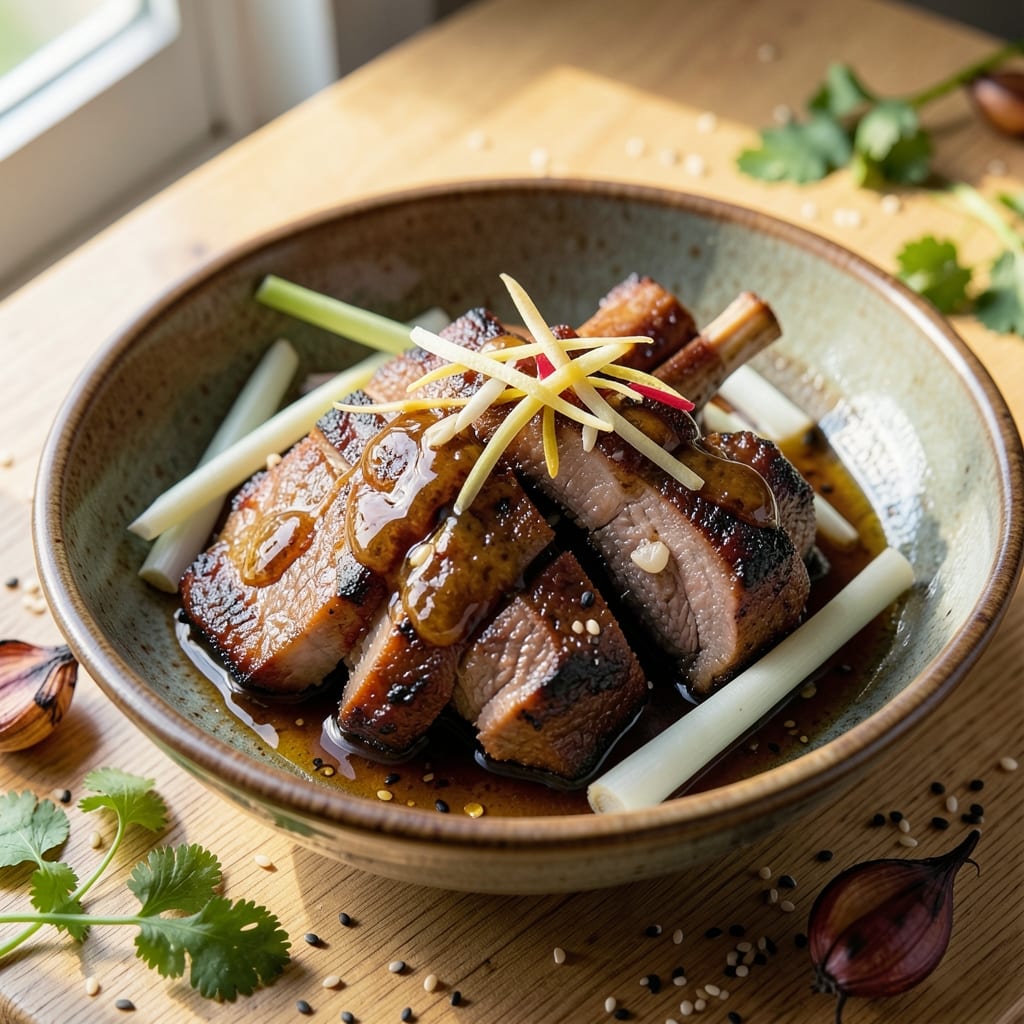
This Asian beef shin recipe transforms tough, affordable cuts into melt-in-your-mouth chews with a deep umami crunch—a technique I perfected after years of experimenting with slow-cooked Asian braises. The secret lies in a marinade of soy, ginger, and garlic that penetrates deeply, while long braising breaks down collagen into rich, velvety texture. What starts as a budget-friendly cut becomes a restaurant-worthy centerpiece, served with steamed rice and quick-pickled vegetables for balance.
The process begins with a foolproof marinade that tenderizes the meat while infusing it with complex flavors—think sweet, salty, and aromatic all at once. Unlike quick-cooked cuts, beef shin benefits from slow, gentle heat (3-4 hours) that renders fat and develops layers of flavor. The result? Fork-tender pieces that practically fall apart, coated in a glossy, caramelized sauce with pockets of crispy edges for texture contrast. This method works for both Korean galbi-jjim and Thai-inspired versions, with adjustments for spice levels or herbs.
By the end, you’ll have a dish that’s rich, satisfying, and packed with umami—the kind of meal that turns weeknight dinners into special occasions. The aroma alone will have everyone gathering at the table, while the tender meat and savory sauce prove that slow cooking isn’t just patient—it’s transformative. Serve with jasmine rice and a crisp cucumber salad to cut through the richness, or double the recipe for leftovers that taste even better the next day.
This recipe is designed for confident home cooks who want restaurant-quality results without fuss. The long cook time is hands-off, and the marinade can be prepped ahead, making it perfect for meal prep or impressing guests. Whether you’re recreating a classic or putting your own spin on it, the payoff is a dish that feels luxurious yet approachable. Let’s get started—your taste buds will thank you.
Ingredients for asian beef shin
Budget-friendly beef shin transforms into melt-in-your-mouth chews with this umami-packed marinade and slow-cooked technique.
| Ingredient | Amount | Notes |
|---|---|---|
| Beef Shin (Osso Buco Cut) 🥩 | 3 lb | Bone-in, 1-1.5 inch thick slices |
| Kosher Soy Sauce 🍶 | ½ cup | High-quality, preferably Japanese |
| Sesame Oil 🫒 | 1 tbsp | Toasted sesame oil preferred |
| Fresh Ginger 🌿 | ½ cup | Finely grated, aromatic |
| Garlic Cloves 🧄 | 8 cloves | Minced, fresh preferred |
| Brown Sugar 🍯 | ¼ cup | Dark brown for depth |
| Honey 🍯 | 2 tbsp | Wildflower preferred |
| Rice Vinegar 🍶 | ¼ cup | Seasoned preferred |
| Asian Pear (or Substitute) 🍐 | 1 whole | Peeled, diced for natural tenderizer |
| Green Onions 🧅 | ¼ cup | Sliced, white and green parts |
| Fresh Cilantro 🌿 | ¼ cup | Chopped, for garnish |
| Vegetable Oil 🫒 | 2 tbsp | High smoke point |
| Diamond Crystal Kosher Salt 🧂 | 1 ½ tsp | Fine grain preferred |
| Freshly Ground Black Pepper 🌶️ | 1 tsp | Cracked peppercorns |
| Star Anise Pods 🌿 | 2 whole | For aromatic depth |
The beef shin is the star here—look for cuts with good marbling and visible connective tissue. Local butchers often have the best quality, or check the meat section at Whole Foods or Trader Joe's for pre-sliced osso buco cuts. If you can't find Asian pears, substitute with apples or pears—they add natural sweetness and tenderize the meat. The ginger and garlic should be fresh; if you're using dried, reduce to one-third the amount. For the soy sauce, Japanese brands like Kikkoman or Japanese Market make all the difference—they're richer and less salty than American versions.
No sesame oil? Toasted peanut oil or avocado oil works in a pinch, but sesame's nutty aroma is key. Short on honey? Maple syrup or agave keeps things vegan-friendly. The star anise is non-negotiable for that deep, aromatic backbone—if you can't find it, a bay leaf or cinnamon stick adds warmth. For a spicier kick, add 1 tsp of gochugaru (Korean chili flakes). The marinade can be prepped a day ahead—it just gets better with time as the flavors meld. If you're making this for a crowd, double the marinade and cook time—the beef shin scales beautifully.
Marinate the beef for at least 4 hours, but overnight is ideal. The longer it sits, the more flavor it absorbs. Store any leftover marinade in the fridge for up to 1 week—it makes a killer stir-fry sauce. The cooked beef shin keeps well in the fridge for 4-5 days and freezes beautifully for 3 months. For easy reheating, portion into containers with a splash of the cooking liquid—it reheats beautifully and tastes even better the next day. If you have leftovers, shred the meat and toss it into ramen or fried rice for an easy meal.
Why You'll Love This Recipe
- Foolproof Prep: I swear by the osso buco cut—it’s forgiving. Slice the beef shin into chunks, toss it in a hot pan, and let the soy sauce and ginger work their magic while you chop garlic. No fancy techniques, just boom—dinner’s happening.
- Umami Bomb: That first bite? The beef shin falls apart like butter, soaking up the deep, salty-sweet soy and the bright, zesty ginger. The sesame oil finishes it with a nutty warmth that makes me reach for seconds every time.
- Weeknight Workhorse: Between us, this feeds a crowd without the stress. Double the batch, reheat it for lunch, or serve it over rice with quick stir-fried veggies. It’s my go-to when I’m swamped—reliable, always a hit.
- Budget Magic: Beef shin is the best-kept secret for flavor per dollar. A pound goes a long way, and the leftovers? Even better the next day. Honestly, I’d argue it’s the most satisfying cheap-eat you’ll ever make.
Step-by-step instructions for Asian beef shin recipe
Transform tough beef shin into melt-in-your-mouth chews using this umami-packed marinade.
Prepare the Beef Shin for Maximum Tenderization
Begin by slicing the 3 lb beef shin into 1-1.5 inch thick pieces, keeping the bone intact. The bone helps tenderize the meat during cooking, so don't remove it. Pat each slice dry with paper towels—this ensures the marinade adheres properly and promotes better browning later.
In a large bowl, combine 0.5 cup kosher soy sauce, 0.5 cup finely grated fresh ginger, 8 minced garlic cloves, 0.25 cup brown sugar, 2 tbsp honey, 0.25 cup rice vinegar, 1 peeled and diced Asian pear, 1.5 tsp Diamond Crystal kosher salt, 1 tsp freshly ground black pepper, and 2 whole star anise pods. The pear acts as a natural tenderizer, while the star anise adds depth to the umami profile. Mix well until all ingredients are fully incorporated.
Add the beef slices to the marinade, ensuring each piece is thoroughly coated. Cover the bowl with plastic wrap and refrigerate for at least 4 hours, or preferably overnight. This extended marinating time breaks down the tough connective tissue, transforming the beef into tender, chewy bites.
Sear the Beef for Rich Flavor and Color
Remove the beef from the marinade, allowing any excess to drip off. Heat 2 tbsp vegetable oil in a heavy-bottomed pot or Dutch oven over medium-high heat until shimmering but not smoking. Working in batches if needed, add the beef slices and sear for 3-4 minutes per side until deeply browned and caramelized.
Transfer the seared beef to a plate and set aside. In the same pot, add 1 tbsp sesame oil and let it heat for 30 seconds. Pour in the reserved marinade, scraping up any browned bits from the bottom of the pot. These bits are packed with flavor—don’t skip this step. Bring the mixture to a gentle simmer, then reduce heat to medium-low and return the beef to the pot.
Slow-Braise Until Fork-Tender
Cover the pot and let the beef simmer gently for 2.5 to 3 hours. The goal is to cook the beef low and slow until it reaches an internal temperature of 195-205°F and is fork-tender. Stir occasionally to ensure even cooking and prevent the beef from sticking to the bottom.
About 30 minutes before the beef is fully cooked, add 0.25 cup sliced green onions to the pot. This not only infuses the braising liquid with their bright flavor but also ensures they're perfectly tender by the end. The beef should pull apart easily with a fork, signaling it's ready to be served.
Finish and Garnish for Freshness
Once the beef is fork-tender, carefully transfer it to a serving platter. Skim any excess fat from the braising liquid, then strain the liquid through a fine-mesh sieve into a clean saucepan. Return the liquid to the stove and simmer over medium heat until it thickens slightly, about 5-7 minutes. This step enhances the sauce's consistency and flavor.
To serve, spoon the thickened sauce over the beef shin and garnish with 0.25 cup chopped fresh cilantro. The cilantro adds a bright, fresh contrast to the rich, umami-packed beef. Serve immediately with steamed rice or noodles to soak up every last bit of that flavorful sauce.
Pro Tips For Making Asian Beef Shin
- SEAR IN BATCHES: Don’t crowd the pan—this isn’t a buffet. Work in 2-3 pieces at a time so the shin gets a deep, caramelized crust instead of steaming. I learned this the hard way after pulling out pale, sad shins that tasted more like boiled leather than anything else.
- SLICE GINGER THIN: Skip the minced or grated ginger—it turns to mush and disappears. Use a mandoline or sharp knife to slice it paper-thin, then smash it lightly with the flat of your knife. This keeps the texture intact and the flavor bright, especially when it blooms in the hot oil.
- LOW AND SLOW AFTER SEARING: Once the shin is browned, drop the heat to actual low—think "barely simmering" rather than "gentle boil." Too much heat after searing makes the collagen break down too fast, leaving you with tough, stringy meat instead of fork-tender goodness. Cover and walk away.
- USE SESAME OIL LAST: Add that sesame oil in the final 30 seconds of cooking—right when you’re ready to plate. It burns fast and turns bitter if you toss it in early. A few drops at the end brightens the sauce and adds aroma without sacrificing the deep, savory notes from the soy and ginger. (Yes, even if you’re impatient like me.)
Creative variations of asian beef shin
Korean Galbi-Jjim Style
Transform this recipe into a classic Korean galbi-jjim by adding 1 tbsp gochujang (Korean chili paste) and 1 tsp toasted sesame seeds to the marinade. Simmer the beef with 1 cup doenjang (fermented soybean paste) for the last 30 minutes of cooking. Serve with steamed short-grain rice and kimchi for a complete Korean meal. The doenjang adds a deep, fermented richness that elevates the dish to restaurant-quality. 🌶️
Thai-Inspired Nam Prik
For a Thai-inspired twist, swap the star anise for 1 stalk lemongrass (bruised and tied) and 1 tbsp fish sauce in the marinade. After braising, stir in 2 tbsp nam prik pao (Thai chili jam) and 1 tbsp lime juice for a sweet-spicy finish. Garnish with thinly sliced Thai basil and serve with jasmine rice and a side of sticky rice. The balance of sweet, spicy, and tangy flavors makes this a standout dish. 🍍
Japanese Shabu-Shabu Twist
Create a Japanese shabu-shabu version by marinating the beef with 0.25 cup mirin and 1 tbsp sake instead of rice vinegar. After braising, slice the beef thinly and serve in a hot pot with a dipping sauce made from 0.25 cup soy sauce, 1 tbsp mirin, and 1 tsp grated daikon radish. Add shirataki noodles or bok choy to the pot for a complete shabu-shabu experience. The light, brothy sauce complements the tender beef beautifully. 🍜
Spicy Sichuan Fusion
Add a Sichuan kick by incorporating 1 tbsp doubanjiang (Sichuan chili bean paste) and 1 tsp Sichuan peppercorns (lightly toasted) into the marinade. After braising, finish with 1 tbsp chili oil and 2 tbsp chopped scallions. Serve with steamed rice and a side of pickled mustard greens for a dish that’s bold, spicy, and deeply flavorful. The numbing heat from the Sichuan peppercorns adds a unique dimension. 🌶️
Vegetarian Adaptation
For a vegetarian version, replace the beef shin with 3 lb extra-firm tofu (pressed and cubed) or portobello mushrooms (sliced thickly). Use the same marinade but reduce the soy sauce to 0.3 cup and add 1 tbsp nutritional yeast for a cheesy depth. Braise for 1.5 hours instead of 3, as tofu and mushrooms cook faster. Garnish with sesame seeds and serve with rice noodles for a satisfying plant-based alternative. 🌱
Meal Prep Version
Double the recipe and store the cooked beef shin in an airtight container with its sauce for up to 5 days in the fridge. Reheat in a skillet with a splash of water or broth over medium-low heat for 5-7 minutes until warmed through. This makes it perfect for busy weeknights—just reheat and serve with pre-cooked rice or noodles. The flavors actually improve as the dish sits, making it even more delicious the next day. ⏰
Nutrition facts
Frequently asked questions
Why does beef shin need such a long cook time?
The long 2.5-3 hour braise is essential because beef shin contains tough connective tissue that needs to break down into gelatin for that signature chewy texture. Slow cooking at medium-low heat transforms the tough meat into fork-tender bites while developing deep umami flavors. This method is inspired by traditional Asian braising techniques that prioritize texture and flavor development.
Can I substitute beef shin with another cut?
While beef shin is ideal, you can use chuck roast or brisket in a pinch. These cuts have similar connective tissue that benefits from slow cooking. For best results, slice them 1-1.5 inches thick and increase the marinating time to 6-8 hours to compensate. Avoid lean cuts like sirloin—they'll dry out during the long cook.
How do I know when the beef is fully tender?
The beef is done when it reaches 195-205°F internally and pulls apart easily with a fork. Test by inserting a fork—if it slides in smoothly and the meat separates cleanly, it's ready. The sauce should also thicken noticeably as the collagen renders. If you're unsure, err on the side of slightly undercooked (it'll continue tenderizing off the heat).
What's the best way to reheat leftovers?
Reheat in a skillet over medium-low heat with a splash of water or broth for 5-7 minutes until warmed through. The sauce will reabsorb into the meat, maintaining that restaurant-quality texture. Avoid microwaving—it can make the sauce watery. For extra flavor, add a spoonful of the reserved braising liquid when reheating.
Can I make this recipe in an Instant Pot?
Yes! Sear the beef first, then add all marinade ingredients and cook on high pressure for 60 minutes. Release pressure naturally, then finish with 10 minutes on sauté to thicken the sauce. The Instant Pot reduces cook time but maintains the tenderizing effect. For best results, use the "More Natural" setting to prevent overcooking.