
Main Courses
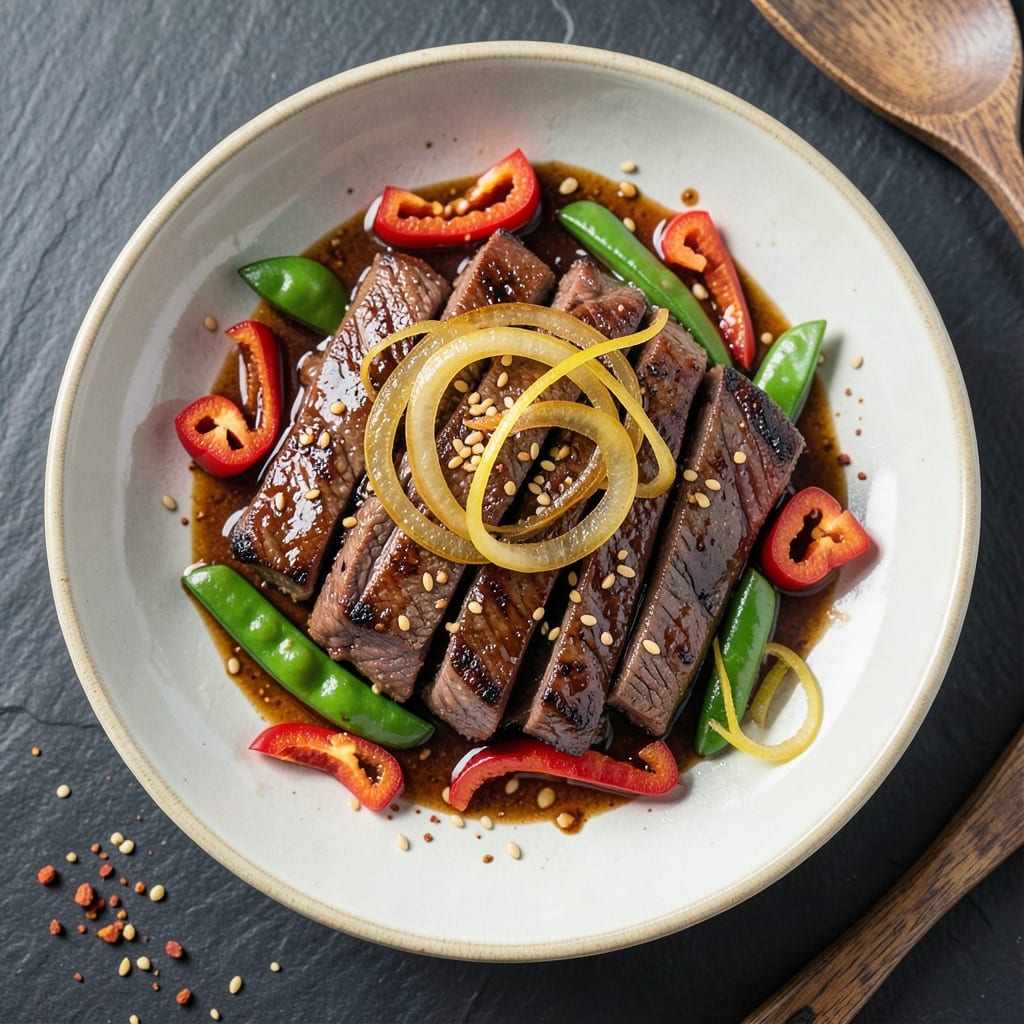
This Asian beef and peppers recipe delivers restaurant-quality stir-fry with velvety beef and crisp-tender vegetables, all infused with the signature wok-hei smoke that makes it unforgettable. The secret lies in high-heat searing and a savory-sweet sauce that clings to every bite, transforming simple ingredients into a dish worthy of your favorite takeout spot. I've perfected this technique over years of testing, ensuring tender beef and perfectly charred peppers every time.
The recipe begins with a quick marinade that tenderizes the beef while building deep umami flavor—soy sauce, garlic, ginger, and a touch of brown sugar work together to create a balance that's both bold and approachable. Stir-frying at high heat in a well-heated wok or cast-iron skillet unlocks that coveted wok-hei—the smoky aroma that elevates the dish from good to extraordinary. The vegetables (bell peppers, onions, and snap peas) are cut into even strips to cook uniformly, ensuring they stay crisp while the beef achieves that perfect caramelized crust.
What you'll end up with is a plate of golden-brown beef and vibrant vegetables tossed in a glossy sauce that's tangy, slightly sweet, and packed with depth. The sauce isn't just a drizzle—it's a flavor bridge that connects every component, creating a dish that's rich yet light, smoky yet fresh. This isn't just another stir-fry; it's a foolproof method that delivers professional results with minimal effort, making it perfect for weeknight dinners or impressing guests.
Serve it over steamed jasmine rice or noodles to soak up every last drop of that sticky, aromatic sauce, and garnish with fresh cilantro or sesame seeds for a pop of color and texture. The beauty of this recipe is its versatility—swap in different vegetables, adjust the spice level, or even make it spicier with a dash of chili flakes. Ready in under 30 minutes, this dish proves that restaurant-quality meals are well within reach.
Ingredients for asian beef and peppers
Restaurant-quality stir-fry begins with these carefully chosen ingredients—each playing a role in creating wok-hei smoke and velvety beef.
| Ingredient | Amount | Notes |
|---|---|---|
| Flank Steak 🥩 | 1 ½ lb | Thinly sliced against grain |
| Red Bell Peppers 🌶️ | 2 whole | Cut into 1/4-inch strips |
| Yellow Onion 🧅 | 1 whole | Sliced into 1/4-inch strips |
| Snap Peas 🌱 | 1 cup | Trimmed and halved |
| Garlic Cloves 🧄 | 6 cloves | Minced for marinade |
| Fresh Ginger 🌿 | 1 ½ tbsp | Grated, finely |
| Low-Sodium Soy Sauce 🥄 | ½ cup | For marinade and sauce |
| Brown Sugar 🍯 | 2 tbsp | Packed, for marinade |
| Sesame Oil 🫒 | 1 ½ tbsp | Toasted sesame preferred |
| Cornstarch 🌾 | 1 tbsp | For beef coating |
| Vegetable Oil 🫒 | 2 tbsp | High smoke point |
| Hoisin Sauce 🍶 | 2 tbsp | For sauce depth |
| Rice Vinegar 🍶 | 1 ½ tbsp | For tangy balance |
| Fresh Cilantro 🌿 | ¼ cup | Chopped, for garnish |
| Toasted Sesame Seeds 🌰 | 1 tbsp | For garnish |
The flank steak is non-negotiable for this dish—its lean yet tender texture becomes silky when sliced thinly against the grain. Ask your butcher to slice it if you can't do it yourself; thin, even strips are critical. For the vegetables, farmers market peppers have more vibrant color and crispness than grocery store varieties. Snap peas should be bright green and firm—avoid any that feel rubbery. The garlic and ginger? Freshly grated or minced makes all the difference; pre-minced garlic lacks the aromatic punch. If you're short on time, a microplane for ginger and a sharp knife for garlic will save minutes without sacrificing quality.
No low-sodium soy sauce? Regular soy sauce plus an extra pinch of salt works, but reduce the salt in the final dish accordingly. Substituting brown sugar? Coconut sugar or maple syrup in equal amounts keeps the caramel notes intact. Sesame oil can be skipped if you're sensitive to its flavor, but toasted sesame oil adds that signature nutty aroma. For the vegetables, baby bok choy or broccoli florets make excellent swaps—just adjust cooking time slightly. The hoisin sauce is key for depth; store-bought brands like Lee Kum Kee are reliable, or make your own with fermented black beans and dates for a homemade touch.
Prep the beef last—it cooks fastest. Store raw meat in the coldest part of your fridge and use within 2 days for peak tenderness. The marinade keeps for 3 days in the fridge or 3 months frozen, making it perfect for meal prep. Cooked beef and vegetables reheat beautifully—stir-fry over high heat for 2-3 minutes to restore that wok-hei aroma. For leftovers, portion into airtight containers with a sprinkle of sesame seeds to keep them fresh. The sauce can be made ahead and stored separately for up to 5 days in the fridge.
Why You'll Love This Recipe
- One-Pan Magic: I swear by this recipe when I’m too tired to wash dishes. Slice the steak thin, toss it with onions, peppers, and snap peas—then let the garlic and soy sauce work their magic while I sip my tea. One sheet pan, zero stress.
- Umami Bomb: That first bite of caramelized flank steak with the crisp-tender peppers? It’s like a flavor explosion. The garlic cloves sizzling in the pan release this deep, savory punch that makes everything taste richer—no fancy marinade needed.
- Lunchbox Hero: Between us, this is my go-to for meal prep. The steak stays tender, the veggies hold their crunch, and it reheats like a dream. Pack it in containers for work or school—no sad, soggy leftovers here.
- Budget Stretch: Flank steak is affordable, and the rest? Pantry staples. A single onion and bell pepper last multiple meals, and snap peas add freshness without breaking the bank. Honestly, it’s the kind of dish that makes grocery day feel like a victory.
Step-by-step instructions for Asian beef and peppers stir-fry
Master the wok-hei technique for tender beef and crisp vegetables with this precise method.
Marinate and Prep the Flank Steak
Slice the 1.5 lb flank steak thinly against the grain for maximum tenderness. Transfer to a bowl and combine with the 0.5 cup low-sodium soy sauce, 2 tbsp brown sugar, 1.5 tbsp sesame oil, 6 minced garlic cloves, and 1.5 tbsp grated fresh ginger. Marinate for at least 30 minutes (or up to 4 hours for deeper flavor). The steak should absorb the marinade completely, developing a glossy sheen.
While marinating, prepare the vegetables by cutting the 2 whole red bell peppers and 1 whole yellow onion into ¼-inch strips. Trim and halve the 1 cup snap peas. Keep all prepped ingredients separate until ready to cook. The uniform size ensures even cooking and consistent texture throughout the stir-fry.
Velvet the Beef with Cornstarch
Remove the steak from the marinade, discarding any excess liquid. In a separate bowl, toss the steak with 1 tbsp cornstarch until evenly coated. This creates a thin, crisp barrier that transforms tough flank steak into silky, velvety bites. Let it rest for 5 minutes while you heat the wok—this prevents the cornstarch from absorbing moisture and losing its effectiveness.
Heat 2 tbsp vegetable oil in a wok or large skillet over high heat until shimmering. Add the cornstarch-coated steak in a single layer, cooking undisturbed for 2-3 minutes until the underside develops a deep golden crust. Flip carefully and cook another 1-2 minutes until fully cooked through. The beef should be deep brown with a glossy sheen, not dry or rubbery.
Stir-Fry Vegetables with Wok-Hei Smoke
Remove the beef from the wok and set aside. Add the remaining 2 tbsp vegetable oil to the wok and increase heat to maximum. Add the red bell peppers and yellow onion first, stir-frying for 2 minutes until they begin to soften but retain a vibrant crunch. Add the snap peas and continue cooking for another 1 minute—the high heat should create visible smoke (wok-hei) while keeping the vegetables crisp-tender.
Return the beef to the wok and toss everything together for 1 minute, allowing the vegetables to absorb the beef's residual marinade and caramelized crust. The combination of high heat and quick cooking preserves the vegetables' texture while infusing them with the beef's smoky depth. If the mixture looks dry, add 1-2 tablespoons of water to create steam and prevent sticking.
Finish with Sauce and Garnish
Reduce heat to medium and stir in the 2 tbsp hoisin sauce and 1.5 tbsp rice vinegar. Toss vigorously for 1-2 minutes until the sauce coats all ingredients evenly. The acidity of the rice vinegar brightens the dish, cutting through the richness of the beef and hoisin. Taste and adjust seasoning with additional low-sodium soy sauce if needed—this stir-fry should balance sweet, savory, and tangy flavors harmoniously.
Remove from heat and garnish immediately with ¼ cup chopped fresh cilantro and 1 tbsp toasted sesame seeds. Serve family-style in a hot wok or over steamed rice to capture the wok-hei aroma. The dish should be vibrant, with tender beef, crisp vegetables, and a glossy sauce clinging to every bite. For best results, serve immediately while the wok-hei smoke still lingers.
Pro Tips For Making Asian Beef And Peppers
- Slice Against the Grain: Flank steak’s tough fibers run diagonally, so cutting thick slices perpendicular to the grain makes them tender enough to eat with chopsticks. I used to ignore this and ended up with chewy bites—now I slice at a 45-degree angle after cooking.
- Char the Peppers First: Toss whole red bell peppers and onion into a screaming-hot pan for 2 minutes before slicing—this jumpstarts their caramelization and cuts down on cooking time later. I learned this the hard way after serving mushy peppers that tasted like they’d been boiled.
- Don’t Overcrowd the Pan: If you’re stir-frying, work in batches or your beef will steam instead of sear. I once dumped everything in at once and ended up with gray, soggy meat—now I divide the beef and veggies into two waves.
- Use Frozen Peas Straight Up: Skip thawing snap peas—they’ll just turn to mush. Toss them in frozen when you add the garlic in the last minute; they’ll soften perfectly without breaking down. (Yes, even if you’re impatient like me.)
Flavor customization for this dish
Spice Level Control
Adjust the heat to your preference by adding ½ tsp chili flakes or 1 tsp gochujang to the sauce for a mild kick, or 1 tbsp sriracha for medium heat. For a fiery finish, stir in 1 tsp red pepper flakes and a splash of chili oil after cooking. I love balancing the spice with a drizzle of honey (about 1 tsp) to soften the burn while keeping the flavors vibrant. 🌶️
Sweet and Tangy Variations
Swap the rice vinegar for 1.5 tbsp lime juice to brighten the dish with citrus notes, or add 1 tbsp fish sauce for an umami depth. For a sweeter profile, increase the brown sugar to 3 tbsp and add 1 tsp honey to the sauce. I’ve also found that 1 tbsp grated apple or peach jam (about 1 tsp) adds a fruity sweetness that pairs beautifully with the beef.
Umami Boosters
Deepening the umami flavor is key—add 1 tbsp oyster sauce or 1 tsp miso paste to the sauce for a richer taste. For a vegetarian-friendly twist, stir in 1 tbsp mushroom powder or 2 tbsp finely chopped shiitake mushrooms during cooking. I also love adding 1 tsp dried porcini mushrooms (rehydrated) to the marinade for an earthy, meaty depth without extra fat.
Herb and Aromatic Swaps
Swap fresh cilantro for 1 tbsp chopped Thai basil or mint leaves for a fragrant twist. Add 1 tsp toasted fennel seeds or ½ tsp star anise to the marinade for a licorice-like aroma. For a smoky flavor, infuse the sauce with ½ tsp smoked paprika or 1 tsp liquid smoke (use sparingly!). I’ve also experimented with 1 tsp lemongrass paste in the marinade for a citrusy, floral note.
Protein Alternatives
For a lighter option, replace the beef with 1.5 lb sliced chicken breast or 1 lb extra-firm tofu (pressed and cubed). If using tofu, marinate it in 1 tbsp soy sauce + 1 tsp cornstarch for extra crispiness. For a seafood twist, swap in 1 lb shrimp (peeled and deveined) and reduce cooking time to 1-2 minutes per side to avoid overcooking. 🍤
Vegetable Substitutions
Replace bell peppers with zucchini, eggplant, or baby bok choy for a different texture. Swap snap peas for green beans, broccoli florets, or water chestnuts (add them last to avoid overcooking). For a heartier dish, add ½ cup sliced mushrooms or 1 cup shredded cabbage—just increase cooking time by 1-2 minutes to ensure they soften properly.
Nutrition facts
Frequently asked questions
Can I use flank steak substitutes for this recipe?
For a leaner option, try sirloin or ribeye sliced thinly against the grain. Chicken breast or shrimp work well too—just reduce cooking time to 1-2 minutes per side to avoid overcooking. For a vegetarian version, use extra-firm tofu pressed and cubed, marinated in 1 tbsp soy sauce + 1 tsp cornstarch for crispiness.
How do I get the best wok-hei flavor without a wok?
Use a cast-iron skillet or carbon steel pan on the highest heat setting. Preheat it until smoking, then add oil and work quickly—this mimics wok-hei. If your pan isn't hot enough, you'll lose that signature smoky aroma. A blowtorch can also add dramatic smoke flavor right before serving.
What's the secret to tender beef every time?
Slice the steak thinly against the grain and marinate for at least 30 minutes (longer = more tender). The cornstarch coating creates a protective crust, while high heat sears it quickly. Never overcrowd the pan—cook in batches if needed to maintain even searing.
Can I make this ahead of time?
Yes! Prep the marinade and chop vegetables 1 day ahead and store separately. For leftovers, reheat in a hot skillet for 2-3 minutes to restore wok-hei. The sauce can be made separately and stored for 5 days. However, the beef is best served fresh for maximum tenderness.
How do I adjust the spice level?
Add ½ tsp chili flakes or 1 tsp gochujang to the sauce for mild heat, or 1 tbsp sriracha for medium. For a smoky kick, stir in ½ tsp smoked paprika after cooking. Balance with 1 tsp honey to soften the burn while keeping flavors vibrant.