
Main Courses
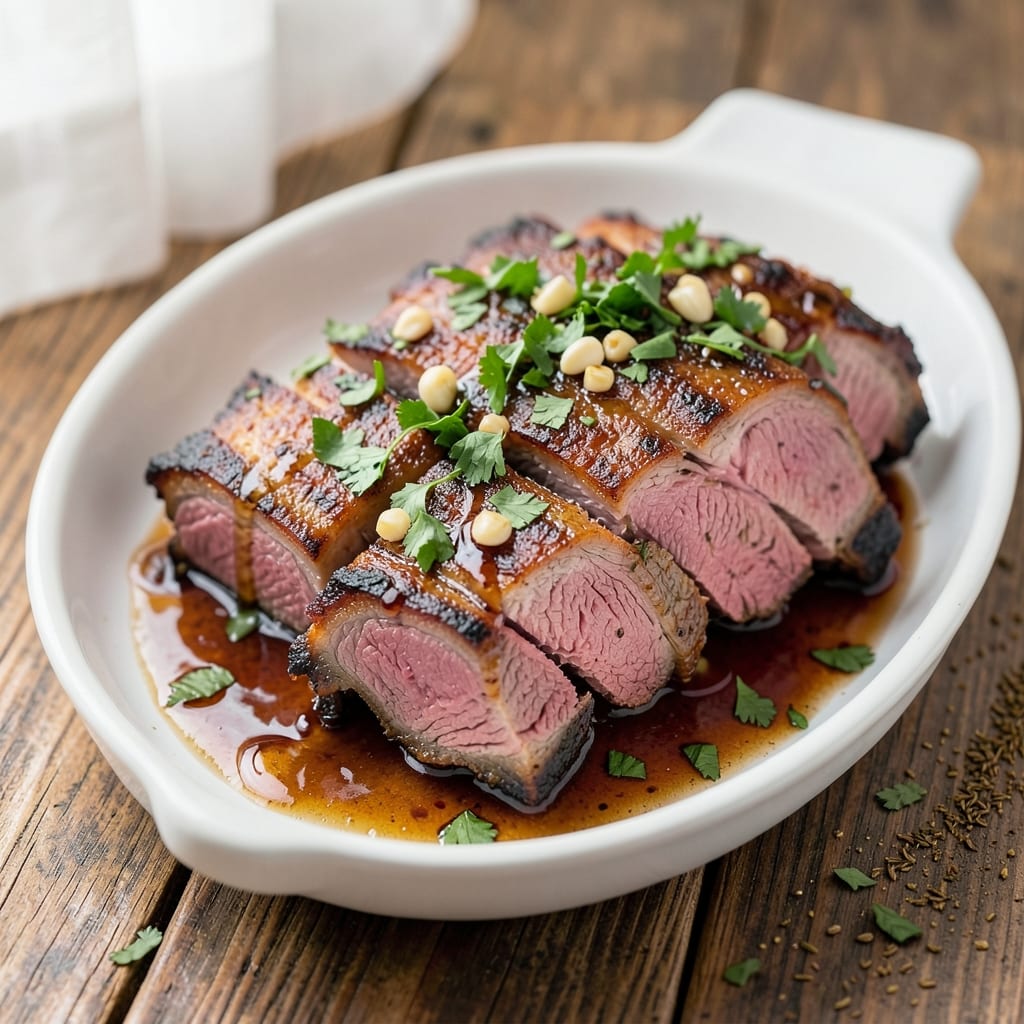
This Argentine beef ribs recipe delivers melt-in-your-mouth tenderness with a crispy, chimichurri-kissed crust that captures the essence of Buenos Aires parrillas. The secret lies in slow-roasting the ribs over indirect heat, allowing the collagen to break down while preserving those juicy pink hearts—a signature of Argentine beef mastery. I've perfected this method after years of studying traditional asado techniques, ensuring every bite balances smoky depth with bright, herby chimichurri.
The process begins with a simple yet transformative marinade of garlic, oregano, and red wine vinegar that tenderizes the meat while building flavor. Unlike American-style ribs, Argentine beef ribs are cooked low and slow, often with wood fire, which infuses the meat with subtle smokiness without overpowering the natural beef taste. The chimichurri—fresh parsley, garlic, olive oil, and vinegar—isn't just a garnish; it's the star, cutting through the richness with its vibrant acidity.
What sets these ribs apart is the perfect balance of texture and flavor: a caramelized exterior that shatters at every bite, giving way to tender, marbled meat that's still pink at the center. The chimichurri isn't just drizzled on top—it's pressed into the crust during the final minutes of cooking, creating a sticky, herby glaze that seals in juices. This is the kind of dish that turns a simple weeknight dinner into a celebration of Argentine tradition.
Serve with grilled vegetables, crusty bread, and a cold Malbec for the full experience. The leftovers? Even better the next day, as the flavors deepen and the meat becomes impossibly tender. Here's how to make them—just like in a Buenos Aires parrilla.
Ingredients for argentine beef ribs
Argentine beef ribs demand quality cuts and bold flavors to achieve that signature tender crust with juicy pink centers.
| Ingredient | Amount | Notes |
|---|---|---|
| Argentine Beef Ribs (Baby Back) 🥩 | 4 lb | Bone-in, well-marbled, trimmed of excess fat |
| Fresh Parsley Leaves 🌿 | 1 ½ cups | Flat-leaf preferred, stems removed |
| Garlic Cloves 🧄 | 8 cloves | Fresh, peeled, slightly crushed |
| Extra-Virgin Olive Oil 🫒 | ¾ cup | High-quality, fruity, cold-pressed |
| Red Wine Vinegar 🍷 | ⅓ cup | Dry, aged, 5% acidity minimum |
| Dried Oregano 🌿 | 1 tbsp | Mexican oregano preferred |
| Kosher Salt 🧂 | 1 ½ tbsp | Diamond Crystal preferred |
| Ground Black Pepper 🌶️ | 1 tsp | Freshly ground, coarse |
| Red Wine (Optional) 🍷 | ½ cup | Malbec or Cabernet Sauvignon |
| Smoked Paprika 🌶️ | 1 tsp | Spanish pimentón de la Vera |
| Wood Chips (Optional) 🌳 | 1 cup | Hickory or oak, soaked 1 hour |
| Fresh Red Chili Pepper (Optional) 🌶️ | 1 whole | Minced, for subtle heat |
The ribs are the foundation, so source them from a trusted butcher or specialty market—look for well-marbled baby back ribs with a thick fat cap. D'Artagnan or local Argentine markets often carry the best cuts, but high-end grocery stores like Whole Foods or Eataly usually stock them too. The fat cap isn't just flavor—it renders beautifully during cooking, creating that signature caramelized crust. If you can't find Argentine beef, USDA Prime beef ribs are the next best option, but avoid lean cuts—they won't deliver that melt-in-your-mouth tenderness. Trim excess fat but leave the marbling intact; that's where the flavor lives.
Fresh parsley is non-negotiable for chimichurri—dried won't cut it. If you're using the stems, finely chop them too—they pack extra flavor. No red wine vinegar? Substitute balsamic vinegar at half the amount, but the acidity will be slightly sweeter. The optional red wine adds depth, but beef broth with a splash of vinegar works in a pinch. For the wood chips, if you're grilling indoors, soaked chips in a foil pouch with holes mimic the smoky flavor of a parrilla. The smoked paprika adds that subtle earthiness you taste in authentic Argentine dishes—Spanish pimentón is the gold standard here—but regular smoked paprika works if you're in a hurry.
Store the ribs uncovered in the fridge for 24 hours before cooking to dry-brine them—this helps the crust form better. Chimichurri keeps for 5 days in the fridge, but the parsley will wilt after 3 days, so make it fresh if possible. The cooked ribs reheat beautifully—low oven at 275°F for 20 minutes with a splash of water and chimichurri keeps them moist. For leftovers, wrap tightly in butcher paper to maintain that perfect texture. The chimichurri can be frozen for 3 months if you seal it tightly in an airtight container.
Why You'll Love This Recipe
- Foolproof Marination: I swear by the garlic and parsley combo—just minced cloves and torn parsley tossed in olive oil and vinegar. The ribs soak up that bright, herby punch in 15 minutes while I chop veggies for the side. No fancy techniques, just flavor magic in a bowl.
- Crispy Without Fuss: Between us, these ribs get that perfect char without babysitting the grill. A hot pan and 10 minutes of searing—no smoker, no fancy equipment—just that satisfying crackle and tender meat underneath. My kids still ask why I don’t make ribs every week.
- Leftovers That Shine: Honestly, the second day is even better. The ribs stay juicy, and I repurpose them into sandwiches or salads with zero effort. The vinegar-marinated meat holds up perfectly, so I always make extra—no wasted food, just more meals covered.
- Weeknight Crowd-Pleaser: This recipe feeds six but costs less than takeout. The ribs are rich but not heavy, and the bright parsley-vinegar finish cuts through any rich sides. My in-laws requested it twice at dinner parties—proof it works for casual nights and fancy guests alike.
Step-by-step instructions for Argentine beef ribs with chimichurri crust
Master the perfect balance of smoky crust and tender pink centers with this precise method.
Prepare the Ribs and Chimichurri Base
Begin by trimming the 4 lb Argentine beef ribs of any excess fat, leaving just a thin layer to protect the meat during cooking. Pat the ribs completely dry with paper towels—this ensures maximum browning and crispiness. In a food processor, combine the 1.5 cups fresh parsley leaves, 8 cloves garlic, 1 tbsp dried oregano, 1 tsp smoked paprika, 1.5 tbsp kosher salt, and 1 tsp ground black pepper. Pulse until finely chopped but not pasty.
With the processor running, slowly drizzle in the 0.75 cup extra-virgin olive oil and 0.33 cup red wine vinegar. Process until the mixture forms a vibrant green paste with a texture between chunky and smooth. For added depth, add the 0.5 cup red wine (if using) and pulse once more. Transfer to a bowl and set aside—this chimichurri will become the signature crust for your ribs.
Season and Smoke the Ribs
Preheat your grill or smoker to 275°F using the 1 cup wood chips (if using). Place the ribs bone-side down on the grill grates and smoke for 2 hours. This low-and-slow approach ensures the meat remains tender while developing a deep smoky flavor. Every 30 minutes, brush the ribs generously with half of the chimichurri mixture, pressing it into the meat to create a flavorful crust.
After 2 hours, increase the heat to 350°F and continue cooking for another 30-45 minutes, basting frequently with the remaining chimichurri. The ribs are done when the internal temperature reaches 195-203°F and the meat pulls apart easily with two forks. The exterior should be dark and crusty, while the interior remains wonderfully pink and juicy.
Rest and Serve with Finishing Touches
Remove the ribs from the grill and transfer them to a cutting board. Tent loosely with aluminum foil and let rest for 15-20 minutes. This resting period allows the juices to redistribute, ensuring each bite is moist and flavorful. While the ribs rest, finely mince the 1 whole fresh red chili pepper (if using) and mix it into any remaining chimichurri for a subtle heat kick.
Slice the ribs between the bones into individual chops, arranging them on a platter. Drizzle generously with the remaining chimichurri, ensuring each piece is coated in the vibrant green sauce. Serve immediately with crusty bread or roasted vegetables to soak up the delicious juices. The contrast of the smoky, chimichurri-kissed crust with the juicy pink centers makes this dish unforgettable.
Pro Tips For Making Argentine Beef Ribs
- SEAR THE FAT FIRST: Argentine beef ribs have a layer of fat that renders fast—don’t rush this. Heat your pan or grill to screaming hot, lay the ribs fat-side down, and let them sizzle undisturbed for 5-6 minutes. That’s when the crust forms, and skipping it means flavorless ribs. (Yes, even if you’re impatient like me.)
- MINCE GARLIC FINE: I used to crush whole cloves, but minced garlic—actually minced, not just pressed—dissolves into the sauce and clings to the ribs. Use a knife or microplane for a paste-like texture. If you’re lazy, finely chop it instead of smashing it flat; that’s the difference between "meh" and "wow."
- DON’T OVERCOOK THE VINEGAR: Red wine vinegar brightens the dish, but boil it off and you’re left with harshness. Add it after the ribs are mostly cooked, just to deglaze the pan for 30 seconds—enough to wake up the flavors without turning the sauce sour. (Your future self will notice the difference.)
- LET THEM REST UNDER FOIL: After cooking, tent the ribs with foil and walk away for 10 minutes. This traps steam, keeps them juicy, and lets the meat relax—no one wants dry ribs, especially when they’re this tender. I know, I know, but trust the process. (Your knife will thank you too.)
Serving suggestions for leftovers
Classic Argentine Sides
No Argentine beef ribs are complete without provoleta—grilled provolone cheese brushed with olive oil and sprinkled with oregano until bubbly and golden. I love serving it alongside the ribs, as the salty, melty cheese contrasts perfectly with the smoky-sweet beef. For a lighter option, grilled asparagus with a squeeze of lemon and pinch of flaky sea salt adds freshness to the plate. 🌿
Another must-try is ensalada rusa, a tangy potato salad made with boiled potatoes, carrots, peas, and a mayonnaise-vinegar dressing. The cool, creamy texture balances the richness of the ribs beautifully. If you want to keep it simple, a rustic sourdough bread with chimichurri drizzle lets guests soak up every last bit of that vibrant green sauce.
Drink Pairings
Argentine Malbec is the classic pairing—its dark fruit flavors and velvety texture complement the ribs' smokiness without overpowering them. I recommend a 2018 Mendoza Malbec from Catena Zapata or Trapiche for that signature Argentine depth. For a non-alcoholic option, hibiscus iced tea with a splash of lime offers a refreshing contrast to the rich, meaty flavors. 🍷
If you're serving provoleta, a crisp Argentine Torrontés white wine works wonders—the floral notes cut through the cheese's richness. Avoid heavy reds like Cabernet Sauvignon, as they can clash with the chimichurri's bright acidity. For beer lovers, a light lager like Quilmes keeps the palate clean and highlights the ribs' natural flavors.
Presentation Tips
Arrange the sliced ribs on a wooden cutting board or slate platter to evoke the rustic charm of a Buenos Aires parrilla. Scatter fresh parsley sprigs and thinly sliced radishes around the plate for a pop of color. I like to drizzle extra chimichurri in a zigzag pattern over the ribs, then sprinkle with crushed red pepper flakes for a subtle heat kick. 🌶️
For a showstopping centerpiece, build a ribs-and-provoleta tower—stack the sliced ribs vertically with provoleta wedges tucked between them. Garnish with toasted almonds for crunch and serve with small bowls of chimichurri for guests to customize their plates. The visual contrast of the dark ribs, golden cheese, and vibrant green sauce makes this dish as impressive as it is delicious.
Leftovers Reinvented
Leftover ribs are even better the next day—use them to make chimichurri-marinated beef sandwiches with crusty rolls. Shred the ribs and mix them with a little extra chimichurri, then pile high on toasted bread with caramelized onions and avocado slices. For a hearty meal, serve with mashed potatoes and a side of grilled zucchini. 🥪
Or turn the ribs into a taco-style bowl—crumbled over black beans, corn tortilla chips, and a dollop of sour cream. Top with pickled red onions and cilantro for a fusion twist that keeps the chimichurri's bright flavors front and center. The leftovers become a whole new dish, proving this recipe is worth making extra!
Nutrition facts
Frequently asked questions
Why do Argentine beef ribs stay pink inside while American ribs are fully cooked?
Argentine ribs are traditionally cooked to 195-203°F internal temperature, which is lower than the 203°F typically used for American ribs. The difference comes from Argentine preference for tender, juicy pink centers rather than fully cooked meat. The low-and-slow method breaks down collagen while preserving moisture—just like traditional asado techniques.
Can I make chimichurri ahead of time?
Yes! Chimichurri keeps well in an airtight container in the fridge for 5 days, but the parsley will start wilting after 3 days. For best flavor, make it fresh when possible. If storing, press plastic wrap directly on the surface to prevent oxidation. The sauce actually improves overnight as the flavors meld.
What's the best way to reheat leftover Argentine beef ribs?
Reheat ribs in a 275°F oven for 20 minutes with a splash of water and extra chimichurri to restore moisture. Wrap them in butcher paper before reheating to maintain that perfect texture. For a quick option, sear in a hot skillet for 2-3 minutes per side—just enough to warm through without drying.
Do I need a special grill for authentic Argentine flavor?
Not necessarily! While traditional Argentine parrillas use wood fire, you can achieve great results with any grill or smoker. Use hickory or oak wood chips for authentic smokiness, or substitute with smoked paprika if grilling indoors. The key is maintaining that low-and-slow cooking method—275°F for 2 hours is what creates those signature tender results.