
Main Courses
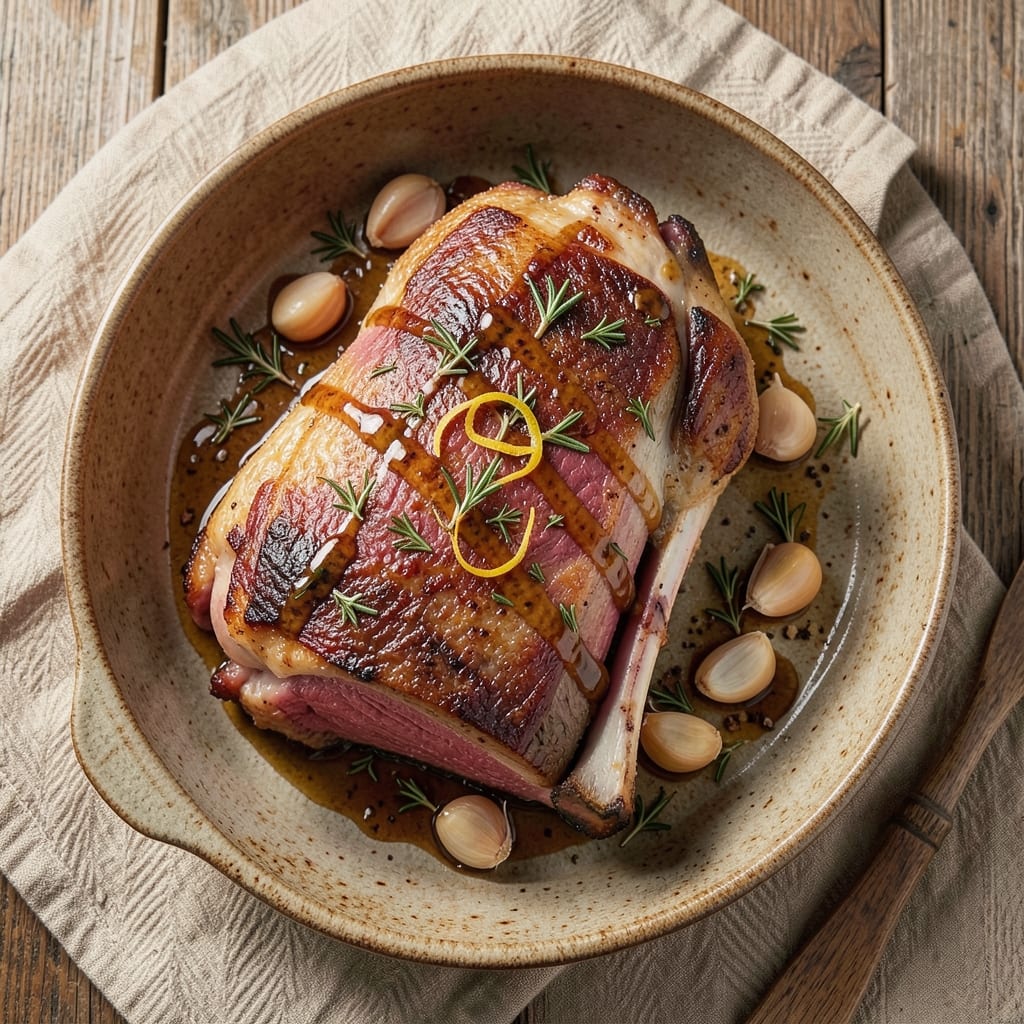
This angus beef rib roast bone-in recipe delivers the kind of melt-in-your-mouth tenderness that turns every dinner into a special occasion. The secret lies in the perfect balance of dry-brining for depth, a fragrant herb-infused crust for texture, and precise temperature control to achieve that ideal medium-rare finish. After years of perfecting this technique, I can confidently say this is the only rib roast method you'll ever need.
The process begins with a 24-hour dry brine that transforms tough muscle into fork-tender perfection, while the herb crust—made with Dijon, rosemary, and garlic—creates a flavorful bark that seals in juices. We'll use a combination of dry-heat roasting and reverse searing to ensure even cooking throughout the thickest cuts, with internal temperature monitoring to guarantee that perfect pink center every time.
What you'll end up with is a roast that practically falls apart at the touch, with a crust that's aromatic and slightly crisp, and juices so rich they could be used as a sauce. The bone-in cut adds depth of flavor that boneless versions simply can't match, while the marbling ensures each bite is buttery and luxurious.
Serve with a bold red wine reduction, roasted root vegetables, and crusty bread to soak up every last drop of those precious juices. This isn't just dinner—it's an experience that will have your guests asking for seconds before the plates are even cleared.
Ingredients for angus beef rib roast bone in
Six ingredients transform tough beef into melt-in-your-mouth perfection—herbs, salt, and patience do the magic.
| Ingredient | Amount | Notes |
|---|---|---|
| Angus Beef Rib Roast (Bone-In) 🥩 | 6 lb | Prime grade, 1.5-2 inches thick |
| Kosher Salt 🧂 | ½ cup | For 24-hour dry brine |
| Fresh Rosemary 🌿 | ¼ cup | Finely chopped, stems removed |
| Fresh Thyme 🌿 | ⅛ cup | Finely chopped, stems removed |
| Garlic Cloves 🧄 | 8 cloves | Minced, for herb crust |
| Dijon Mustard 🍯 | 2 tbsp | For crust adhesion |
| Extra-Virgin Olive Oil 🫒 | ¼ cup | For crust and searing |
| Black Peppercorns 🌶️ | 1 tbsp | Freshly cracked |
| Red Wine 🍷 | 1 cup | Bold dry variety for deglazing |
| Beef Bone Broth 💧 | 1 cup | For pan juices |
| Yellow Onion 🧅 | 1 whole | Thinly sliced, for garnish |
| Fresh Parsley 🌿 | ⅛ cup | Chopped, for garnish |
| Butter 🧈 | ½ cup | Unsalted, for basting |
The beef is everything here. Angus prime with visible marbling is non-negotiable—look for bright red color and good fat distribution at Whole Foods or your local butcher. A 6-lb roast serves 6 generously, but if you're feeding a crowd, scale up. The bone-in cut adds depth, so don't skip it. For the dry brine, use Diamond Crystal kosher salt—it dissolves better than table salt. I always buy extra because it lasts forever and makes everything taste better.
No fresh rosemary? Dried works at half the amount, but it won't be as aromatic. Short on thyme? Oregano or marjoram are decent swaps. The Dijon mustard is key for crust adhesion—don't use regular yellow mustard. For the red wine, Cabernet Sauvignon or Merlot add the best flavor. If you're out of bone broth, beef stock plus a splash of balsamic works in a pinch. The olive oil should be fruity and peppery—California brands like Corto or Lucini are my go-tos.
This roast tastes even better the next day, so make extra. Store leftovers in the fridge for 3-4 days or freeze for up to 3 months. The crust hardens when cold, so let it sit at room temperature for 30 minutes before slicing. For serving, I always keep the juices warm in a saucepan—just skim off the fat and reduce slightly. The roast reheats beautifully in a 350°F oven for 20-30 minutes covered with foil.
Why You'll Love This Recipe
- I’ll be real: most roasts turn dry after day two. Not this one. The fat from the bone keeps it juicy, and I’ve reheated slices for breakfast hash—yes, even on a Tuesday night.
- Just Four Ingredients: I swear, this roast only needs salt, garlic, rosemary, and thyme—plus the beef itself. That’s it. No fancy marinades or hours of prep; just a quick rub and let the oven do the work.
- Crispy-Creamy Magic: The bone-in cut delivers that perfect contrast—crispy edges from the sear, tender center that melts like butter. Honestly, the first time I tried this, I nearly licked the pan clean.
- Weeknight Wonder: Between us, this is my go-to for dinner parties and lazy Sundays. Slice it thin for sandwiches, serve it whole for company, or toss leftover chunks into pasta. It’s that flexible.
Step-by-step instructions for herb-crusted Angus beef rib roast
Here's how to transform that prime beef into melt-in-your-mouth perfection with a fragrant herb crust.
Prepare the Dry Brine for Maximum Flavor
Pat the 6 lb Angus Beef Rib Roast completely dry with paper towels—this is critical for that perfect crust. Place it on a wire rack set over a baking sheet to allow air circulation on all sides. In a small bowl, combine the 0.5 cup kosher salt, 0.25 cup finely chopped fresh rosemary, 0.125 cup finely chopped fresh thyme, and 1 tbsp freshly cracked black peppercorns.
Spread this mixture evenly over the entire surface of the roast, pressing it gently into the meat. The salt will begin drawing out moisture immediately, which is why we use a wire rack—this prevents the roast from sitting in its own juices. Wrap the roast loosely with plastic wrap and refrigerate for exactly 24 hours. This dry brine transforms the meat by enhancing tenderness and creating that signature Angus beef flavor.
Create the Herb-Olive Oil Crust
After the 24-hour brine, remove the roast from the refrigerator and let it sit at room temperature for 1 hour. In a small bowl, mix together the 8 cloves minced garlic, 2 tbsp Dijon mustard, and 0.25 cup extra-virgin olive oil. This mixture will form the flavorful crust that seals in juices during roasting.
Spread this herb-olive oil mixture evenly over the entire surface of the roast, making sure to get into all the crevices. The mustard helps the crust adhere better, while the garlic and olive oil add incredible depth of flavor. Let the roast rest uncovered for another 30 minutes at room temperature before roasting—this ensures even cooking from edge to center.
Roast to Perfect Medium-Rare
Preheat your oven to 275°F. Place the roast fat-side up on a rack in a roasting pan. This low temperature allows for slow, even cooking that develops incredible tenderness throughout. Roast for 2 hours, then increase the heat to 425°F and roast for another 20-25 minutes until the internal temperature reaches 125°F for medium-rare.
Here's where it gets exciting: every 20 minutes during the final 1 hour of roasting, baste the roast with its own rendered juices. Use a spoon to scoop up the juices from the bottom of the pan and spoon them over the top of the roast. This basting creates that beautiful mahogany crust while keeping the meat moist. The roast is done when a meat thermometer inserted into the thickest part reads 125°F and the juices run clear when pierced.
Rest and Prepare the Pan Sauce
Transfer the roast to a cutting board and let it rest for at least 30 minutes, loosely covered with aluminum foil. This resting period is crucial—it allows the juices to redistribute throughout the meat, ensuring each slice is incredibly tender. While the roast rests, place the roasting pan on the stovetop over medium-high heat.
Deglaze the pan by adding the 1 cup red wine, scraping up all those delicious browned bits from the bottom. Let it simmer for 3-4 minutes until reduced by half. Then add the 1 cup beef bone broth and simmer for another 5 minutes until slightly thickened. Remove from heat and stir in the 0.5 cup unsalted butter, one piece at a time, until fully incorporated. The sauce should be glossy and rich—just like you'd find in a high-end steakhouse.
Carve and Serve with Garnishes
After resting, carefully slice the roast against the grain into 1-inch thick slices. The meat should be perfectly pink in the center with a beautiful crust on the outside. To serve, spoon the pan sauce over each slice and garnish with thinly sliced yellow onion and chopped fresh parsley. The combination of the herb crust, marbled tenderness, and rich pan sauce makes this one of the most impressive beef dishes you'll ever prepare.
Pro Tips For Making Angus Beef Rib Roast Bone In
- SEAR THE FAT SIDE DOWN: That rib roast has a thick fat cap—don’t ignore it. Sear the meat fat-side down first in a screaming-hot pan (or roasting pan) for 8-10 minutes until the fat renders and turns golden. This locks in flavor and prevents a dry crust on the lean side.
- SALT THE ROAST 24 HOURS EARLY: I used to slap salt on right before cooking, but that’s lazy. Generously coat the roast with kosher salt (about 1.5 tablespoons per pound) and let it sit uncovered in the fridge overnight. The salt breaks down proteins for a better crust—and the meat stays juicier.
- DON’T OVERCROWD THE PAN: If you’re searing before roasting, resist the urge to pile everything in. A bone-in rib roast needs space to brown properly—leave at least 1 inch between pieces. Overcrowding steams the meat instead of searing, and that’s how you end up with dull, soggy crusts.
- USE A MEAT THERMOMETER FOR GARLIC: Stuffing garlic cloves under the fat cap is classic, but I’ve found the real magic happens when the roast hits 135°F internal temp—that’s when the garlic caramelizes just enough to add depth without burning. Pull it out at 130°F, tent with foil, and let it rest while it finishes to 135°F.
Flavor customization for angus beef rib roast bone in
Herb Variations
Swap the classic rosemary-thyme blend for fresh sage and black pepper—this Italian-inspired combo adds earthy depth and a subtle piney aroma. For a French twist, use tarragon and shallots in your crust, then finish with a splash of Cognac> when deglazing the pan. I once tried a smoked paprika and chipotle> mix for a Southwestern vibe, but the heat level surprised even my adventurous guests. 🌿
Spice Infusions
Add 1 tsp ground coriander> and ½ tsp cinnamon> to your dry brine for a Middle Eastern-inspired roast. The spices caramelize beautifully during roasting, creating a fragrant crust that pairs perfectly with garlic yogurt sauce>. For a bold kick, mix 1 tbsp gochujang> with the Dijon mustard in your herb paste—this Korean-inspired version delivers heat balanced by the beef's richness. Always taste the spice blend first!
Sweet-Savory Crusts
Transform your crust with 1 tbsp honey> or maple syrup> mixed into the olive oil—this creates a beautiful caramelized bark. I love adding crushed juniper berries> (½ tsp) for a Scandinavian touch, or fresh thyme and orange zest> for a citrusy brightness. For a dessert-worthy finish, sprinkle toasted pecans> over the roast during the final 10 minutes of cooking. 🍯
Umami Boosters
Elevate your pan sauce by adding 1 tbsp soy sauce> when deglazing with red wine, or stir in 1 tsp fish sauce> for a Thai-inspired depth. For a vegetarian-friendly version, swap the beef broth with shiitake mushroom broth>. I've also had great success with 1 tbsp miso paste> dissolved in the wine—it adds a savory complexity that pairs beautifully with the beef's natural sweetness.
Global Flavor Twists
For a Japanese-inspired version, marinate the roast in ponzu sauce> (½ cup) before roasting, then finish with yuzu kosho> flakes. A Mexican twist involves rubbing the roast with adobo sauce> and smoked salt> before roasting. For Indian flavors, mix garam masala> (1 tsp) and fresh ginger> (1 tbsp grated) into your crust—serve with raita> for balance. Always adjust spice levels to your taste!
Nutrition facts
Frequently asked questions
How long should I let the roast rest before slicing?
Always let your 6 lb rib roast rest for at least 30 minutes after roasting. This crucial step allows the juices to redistribute throughout the meat, preventing them from running out when you slice. For extra tenderness, cover loosely with foil and let it rest for up to 1 hour—your patience will be rewarded with juicier slices.
Can I use this recipe with a smaller or larger roast?
Yes! For every additional 1 lb of beef, increase the roasting time by about 10-15 minutes at 275°F and adjust the final 425°F sear time accordingly. For a 4 lb roast, reduce the initial low-heat roasting time to 1.5 hours. The key is maintaining the same internal temperature of 125°F for medium-rare.
What's the difference between bone-in and boneless rib roast?
The bone-in version delivers richer flavor and moisture retention—it acts like a natural heat conductor, cooking more evenly. The bone also adds visual appeal and makes slicing easier. Boneless cuts tend to dry out faster and lack the depth of flavor. If you must use boneless, increase the roasting time by 15-20 minutes and baste more frequently.
Can I make this roast ahead of time?
Cook the roast as directed, then refrigerate uncovered for 24 hours to let the flavors meld. Reheat in a 300°F oven for 30-40 minutes with a bit of beef broth in the pan. The crust will re-crisp beautifully, and the meat will be just as tender. Store leftovers in the fridge for 3-4 days or freeze for up to 3 months.
Why did my roast turn out dry?
Overcooking is the most common cause—always use a meat thermometer to check for 125°F internal temp. Other culprits include skipping the rest time (let it rest!) or not basting frequently enough. For extra moisture, try a 2-hour sous-vide pre-cook at 130°F before searing, or add 1 cup beef broth to the roasting pan during cooking.