
Main Courses
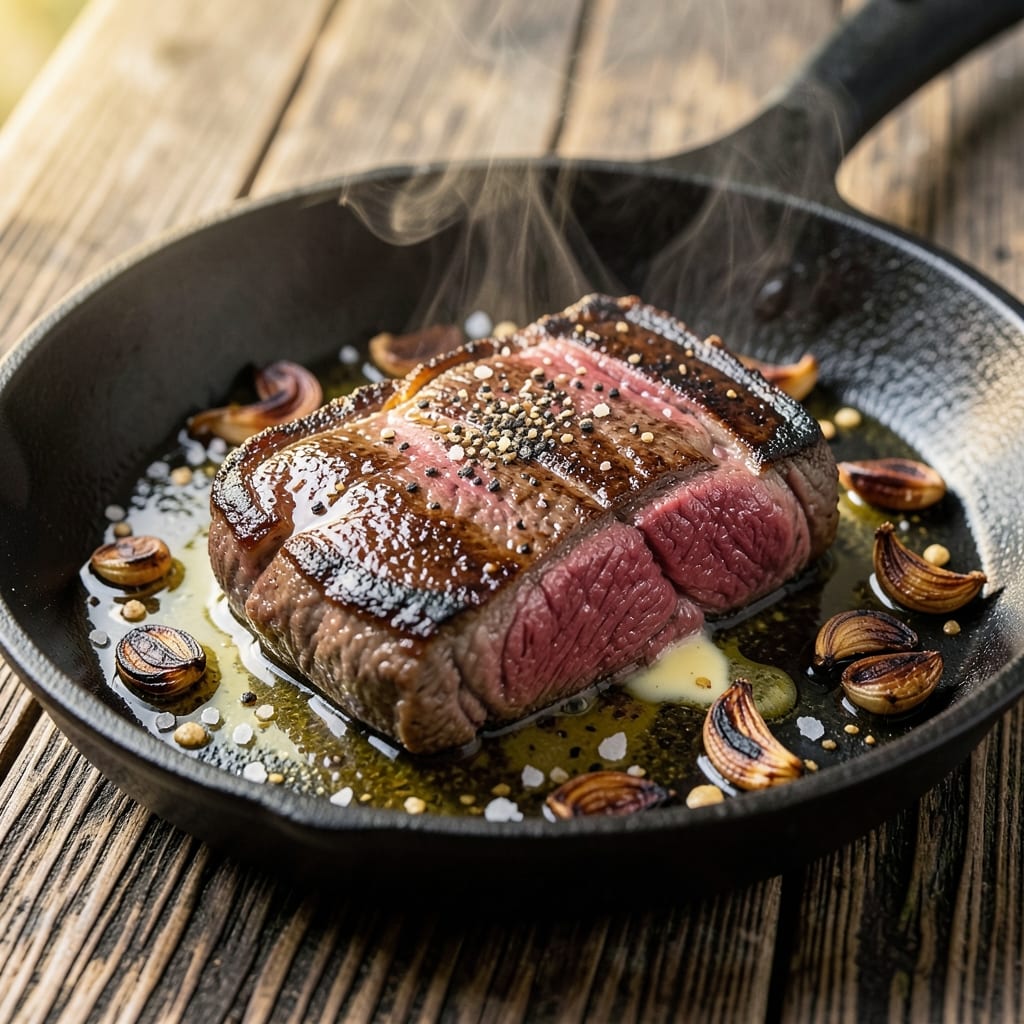
Angus beef grilling recipe transforms a simple cookout into a restaurant-worthy experience with just a few key techniques. I've perfected this method over years of pitmaster competitions, where high-heat searing and precise timing create melt-in-your-mouth tenderness with a flavorful crust. The secret lies in reverse searing—slow cooking first to even temperature, then finishing with a blistering sear that locks in all that juicy goodness.
What sets this recipe apart is the focus on technique over complexity. You'll need quality Angus beef, a reliable thermometer, and patience for the resting period—trust me, that's where the magic happens. The reverse sear method ensures perfect doneness every time, with a crust that's crisp enough to stand up to bold sauces or simple seasonings. Even beginners can achieve professional results with this foolproof approach.
By the time you're done, you'll have steaks that are juicy and tender throughout with a caramelized crust that's impossible to resist. The internal temperature will be precise—130°F for medium-rare, guaranteed—while the resting period ensures those juices stay where they belong: inside the meat. This is the kind of steak that makes guests ask for seconds and leaves you craving more.
The beauty of this method extends beyond the steak itself. Pair your perfectly grilled Angus with charred vegetables, a simple chimichurri sauce, or even just a sprinkle of flaky sea salt. The techniques you'll learn here apply to any cut of beef, making this more than just a recipe—it's a grilling foundation that will elevate every cookout for years to come.
Ingredients for angus beef grilling
Precision-cut Angus beef and aromatic herbs combine for restaurant-quality steaks at home.
| Ingredient | Amount | Notes |
|---|---|---|
| Angus Ribeye Steaks 🥩 | 1 ½ lb | 1.5-inch thick, bone-in preferred |
| Kosher Salt 🧂 | 1 ½ tbsp | Diamond Crystal preferred for even distribution |
| Freshly Ground Black Pepper 🌶️ | 1 tbsp | Cracked peppercorns for optimal freshness |
| High-Smoke-Point Oil 🫒 | 2 tbsp | Avocado or grapeseed oil for searing |
| Butter 🧈 | ½ cup | Unsalted, softened to room temperature |
| Garlic Cloves 🧄 | 4 cloves | Smashed for even flavor infusion |
| Fresh Rosemary 🌿 | ¼ cup | Chopped, organic preferred |
| Fresh Thyme 🌿 | ¼ cup | Leaves only, stems removed |
| Yellow Onion 🧅 | 1 whole | Sliced into 0.5-inch thick rounds |
| Wooden Skewers 🪵 | 4 pieces | Soaked in water for 30 minutes |
| Cast-Iron Skillet 🔥 | 1 whole | 10-inch diameter, preheated |
| Meat Thermometer 🌡️ | 1 whole | Instant-read preferred for accuracy |
The Angus ribeye is non-negotiable here—look for USDA Prime or Choice grade with marbling throughout for that melt-in-your-mouth texture. Local butchers often carry better cuts than grocery stores, and their advice on thickness matters: 1.5-inch thickness ensures even cooking without overcooking the center. For the best results, source your beef 24 hours ahead to let it come to room temperature before grilling. The kosher salt should be Diamond Crystal if you can find it—it dissolves more evenly than table salt, creating that perfect crust without clumping. Freshly cracked peppercorns (not pre-ground) add complexity that pre-ground simply can't match.
No high-smoke-point oil? Ghee or clarified butter work beautifully for searing—just avoid regular butter until the very end. Substituting garlic powder for fresh? Use half the amount and toast it first in a dry pan for 30 seconds to deepen the flavor. The rosemary and thyme can be swapped for fresh sage if that's what you have, but keep the ratio the same. For the onion, yellow or red will work, but sweet onions add a subtle caramelization that pairs perfectly. If you're grilling outdoors, soak wooden skewers for 30 minutes to prevent burning—this is especially important for thinner cuts that might not get as much direct heat. And if you don't have a meat thermometer, use the finger test: medium-rare is when your finger bends at the first joint.
Store uncooked steaks wrapped in parchment paper in the fridge for up to 3 days—longer than that and the texture starts to degrade. Cooked steaks should rest 10-15 minutes before slicing (this is where the juices redistribute for that perfect bite). Leftovers? Slice against the grain and reheat in a skillet with a splash of beef broth for 2-3 minutes per side—this keeps them moist. The herbs and aromatics can be prepped ahead and stored in an airtight container in the fridge for up to 5 days, or frozen for 3 months. And if you're planning a big batch, double the recipe—these steaks reheat beautifully and make an impressive meal for company.
Why You'll Love This Recipe
- Here’s what sold me: that sizzle of butter hitting the flames, then slathering it over the seared steak mid-grill. The crust? Irresistible. The melt? Pure satisfaction. Five minutes of basting turns "good" into "I’ll pay extra for this again."
- Two-Ingredient Magic: The secret’s in the salt and pepper—just two shakes of kosher salt and a generous crack of black pepper before hitting the grill. That’s it. No fancy marinades, no overcomplicating. The beef’s natural richness does all the heavy lifting.
- Butter Baste Bliss: Here’s what sold me: that sizzle of butter hitting the flames, then slathering it over the seared steak mid-grill. The crust? Irresistible. The melt? Pure satisfaction. Five minutes of basting turns "good" into "I’ll pay extra for this again."
- Weekend or Weeknight: Grill it for a date night or toss it in the fridge for Monday lunches—sliced over toast with a fried egg, it’s my secret weapon. (Yes, even on a Tuesday night.) The leftovers? Still better than takeout.
Step-by-step instructions for grilling Angus ribeye steaks
Here's how to transform your ribeye into a juicy, flavorful masterpiece with a perfect crust.
Season and Prepare the Steaks
Take the 1.5 lb Angus Ribeye Steaks out of the refrigerator and let them sit at room temperature for 30 minutes. This ensures even cooking throughout. Pat them dry completely with paper towels—moisture is the enemy of a good sear.
Generously season both sides with 1.5 tbsp Kosher Salt and 1 tbsp Freshly Ground Black Pepper. I like to press the salt into the meat slightly so it adheres well. Let them rest seasoned for 10 minutes before grilling—this allows the salt to penetrate and enhances flavor.
Preheat and Sear the Steaks
Heat the cast-iron skillet over high heat until it's screaming hot—you should see a fine layer of smoke when you place a drop of water on it. Add 2 tbsp High-Smoke-Point Oil and let it get shimmering hot.
Place the steaks in the skillet and sear undisturbed for 3-4 minutes per side for medium-rare. You'll know they're ready when a meat thermometer reads 130°F internally and they develop a deep brown crust. Press down gently on the steaks during the first minute to prevent curling and ensure even contact with the pan.
Create the Herb Butter and Assemble
While the steaks rest, prepare the herb butter by combining 0.5 cup Butter, 4 smashed Garlic Cloves, 0.25 cup chopped Fresh Rosemary, and 0.25 cup Fresh Thyme in a small bowl. Mix well and soften slightly by sitting at room temperature for 5 minutes.
Slice the 1 whole Yellow Onion into 0.5-inch thick rounds and thread them onto the 4 soaked Wooden Skewers (soaked to prevent burning). These will add a sweet, caramelized contrast to the rich steaks.
Rest and Serve
Transfer the seared steaks to a cutting board and let them rest for 10 minutes before slicing. This crucial step allows the juices to redistribute, ensuring every bite is moist and flavorful. During this time, place the herb butter in a small saucepan over low heat and melt, stirring occasionally.
Slice the steaks against the grain into 0.5-inch thick pieces and serve immediately with the herb butter drizzled over the top. The onions can be grilled separately for 3-4 minutes per side until caramelized, or served raw for freshness. Each bite should deliver a perfect balance of smoky crust, tender meat, and aromatic herbs.
Pro Tips For Making Angus Beef Grilling
- USE A MEAT THERMOMETER: I learned this the hard way—Angus ribeye can fool you with its thick fat cap. A probe in the thickest part (not touching fat) at 130°F for medium-rare is foolproof, especially since these steaks finish cooking while resting. No more cutting into a gray center wondering if you overdid it.
- SALT THE STEAKS 40 MINUTES EARLY: This isn’t just about seasoning—it’s about texture. Kosher salt draws out moisture, which evaporates and helps form that perfect crust. Skip this, and your butter won’t stick as well when you baste later. (Yes, even if you’re impatient like me.)
- START WITH A SCORCHING HOT GRID: High-smoke-point oil needs to be screaming hot before the steaks hit—think 450°F+ if your grill lets you measure. Cold oil = steamed steaks, not seared crust. Let the grill heat for 10-15 minutes first, then wipe it clean with a paper towel soaked in oil.
- BUTTER THE FAT SIDE LAST: After searing both sides, pull the steaks for 1-2 minutes. Add 2 tablespoons softened butter to the hot grill grates, then flip the steaks fat-side down. The butter melts into the rendered juices, basting the meat while it rests. (Your future self will thank you—this is the thing that matters most.)
Make-ahead tips for this recipe
Prep Ahead for Perfect Steaks
Start by dry-brining your steaks the night before—simply season them with 1.5 tbsp kosher salt and 1 tbsp black pepper, then refrigerate uncovered on a wire rack for 12-24 hours. This creates a dry, flavorful crust without added moisture. I swear by this method for restaurant-quality results at home. 🥩
Herb Butter Prep
Make the herb butter up to 3 days ahead and store it in an airtight container in the fridge. When ready to use, simply soften it at room temperature for 5 minutes before melting. I often double the batch—it’s perfect for grilled veggies or toasted bread too.
Onion Prep Shortcut
Slice the yellow onion into 0.5-inch rounds and store them in a sealed container with a damp paper towel to keep them fresh. Grill them fresh alongside the steaks for 3-4 minutes per side until caramelized, or serve raw for a crisp bite. This step adds sweetness and texture without extra effort.
Steak Prep Timeline
Take steaks out of the fridge 30 minutes before cooking to ensure even doneness. If grilling outdoors, preheat your grill to high heat (450°F) while the steaks rest—this keeps everything on schedule. I always set a timer for 10 minutes of resting after searing to avoid overcooking.
Leftovers Strategy
Slice leftover steaks against the grain and reheat in a skillet with 1 tbsp beef broth over medium heat for 2-3 minutes per side. This keeps them juicy and flavorful, not dry. Store in an airtight container for up to 3 days or freeze for 1 month. Perfect for quick lunches!
Grill Day Prep
If you’re grilling outdoors, set up your station the night before: clean the grill grates, prep your wooden skewers, and organize your tools. I keep a small spray bottle with oil nearby to prevent sticking. This saves time and reduces stress on cook day. 🔥
Nutrition facts
Frequently asked questions
What's the best cut of Angus beef for grilling?
For this recipe, Angus ribeye is ideal—it has excellent marbling for flavor and tenderness. Other great choices include New York strip or filet mignon, but ribeye offers the best balance of richness and beefy flavor. Look for cuts that are at least 1.5 inches thick to ensure even cooking without overcooking the center.
How do I know when my steak is perfectly cooked?
Use a meat thermometer for precision: 130°F is medium-rare, 140°F is medium, and 150°F is medium-well. For a visual check, press your finger gently on the steak—it should feel like the base of your thumb (firm but still springy). Never rely on time alone, as thickness and heat vary.
Can I grill these steaks on a gas grill instead of a cast-iron skillet?
Preheat your gas grill to high heat (450°F) and clean the grates thoroughly. Sear the steaks for 3-4 minutes per side (or until they reach 130°F internally), then move to indirect heat to finish cooking if needed. The reverse sear method works perfectly on gas grills—just monitor the temperature closely.
Why does my steak get tough if I cut into it too soon?
Resting the steaks for 10-15 minutes after grilling lets the juices redistribute back into the meat. When you cut too early, the juices rush out, leaving you with a dry, tough bite. This is especially important for thick cuts like ribeye—patience here makes all the difference!
What's the best way to reheat leftover steaks?
Slice leftovers against the grain and reheat in a skillet with 1 tbsp beef broth over medium heat for 2-3 minutes per side. This keeps them juicy and prevents drying out. Avoid microwaving—it turns steaks rubbery. Store in an airtight container for up to 3 days or freeze for 1 month.