
Main Courses
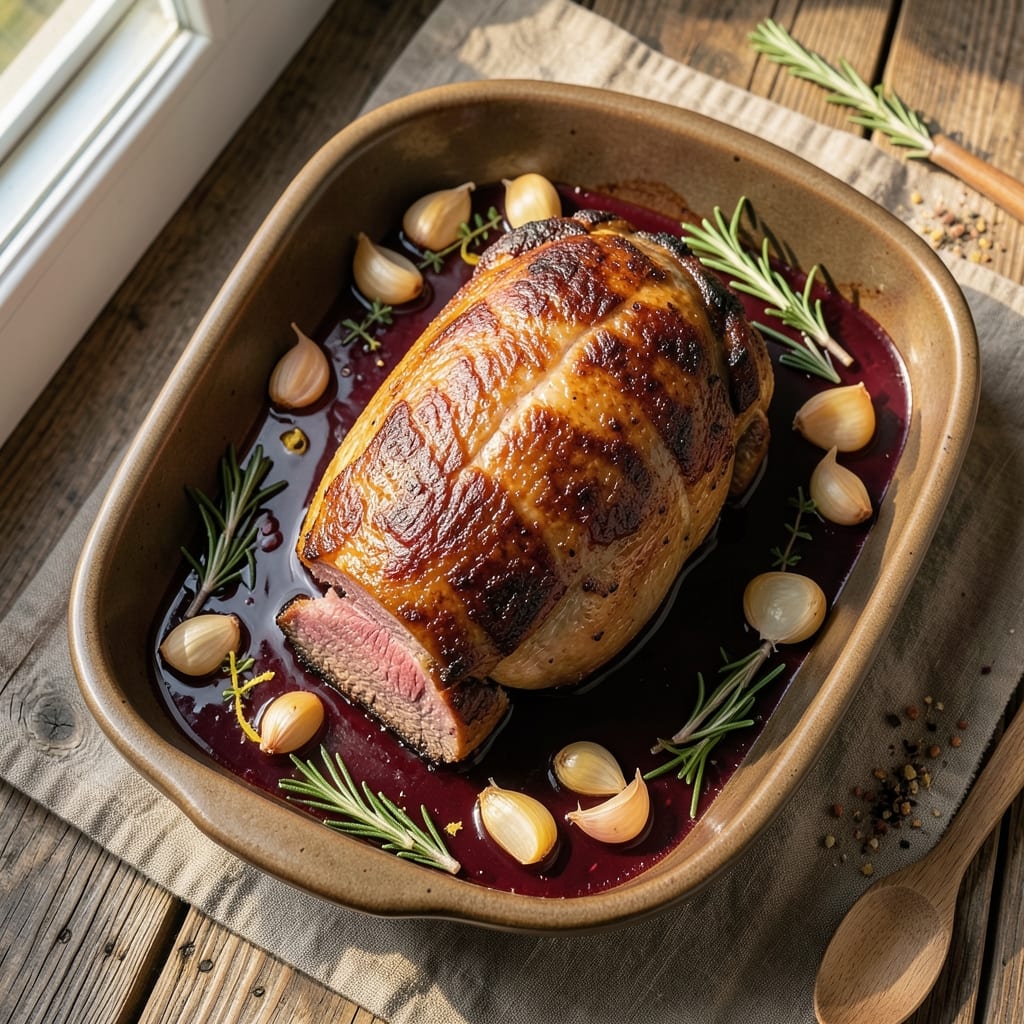
This Angus beef chuck tender roast recipe transforms tough beef into melt-in-your-mouth perfection with a slow-braised approach that delivers unmatched tenderness and rich, buttery flavor. The secret lies in low-and-slow cooking, which breaks down connective tissue while preserving juiciness—no dry bites here. What starts as a modest cut becomes a showstopping centerpiece that’s worth every penny and every minute of patience.
Unlike quick-cooked roasts, this method relies on braising at 300°F for 3-4 hours, ensuring the meat becomes so tender it practically falls apart with a fork. A simple marinade of garlic, rosemary, and red wine enhances the beef’s natural richness, while a red wine reduction ties everything together with deep, savory notes. The result? A roast with a caramelized exterior and a center that’s dangerously close to falling apart—exactly how it should be.
Pair this masterpiece with classic sides like creamy mashed potatoes, roasted root vegetables, or a crisp green salad to balance the richness. The roast’s natural juices create a self-basting sauce that elevates every bite, making it ideal for holiday dinners or special occasions. Once you try this technique, store-bought roasts will never compare.
For those who prefer modern methods, a reverse-sear approach (starting in the oven, finishing on the stovetop) can cut cooking time while maintaining tenderness. Either way, this recipe delivers restaurant-quality results at home—no shortcuts, just pure, satisfying beef perfection.
Ingredients for angus beef chuck tender roast
Four pounds of premium beef and a handful of pantry staples create restaurant-quality tenderness.
| Ingredient | Amount | Notes |
|---|---|---|
| Angus Beef Chuck Tender Roast 🥩 | 4 lb | Center-cut for tenderness |
| Red Wine 🍷 | 2 cups | Bold dry variety like Cabernet |
| Garlic Cloves 🧄 | 8 cloves | Peeled, smashed for marinade |
| Fresh Rosemary 🌿 | ¼ cup | Chopped, stems removed |
| Kosher Salt 🧂 | 2 tbsp | Diamond Crystal preferred |
| Black Peppercorns 🌶️ | 1 tbsp | Freshly cracked |
| Olive Oil 🫒 | ¼ cup | Extra-virgin for richness |
| Yellow Onion 🧅 | 1 whole | Chopped for braising liquid |
| Carrots 🥕 | 4 whole | Whole, scrubbed |
| Celery Stalks 🌿 | 4 whole | Cut into 2-inch pieces |
| Fresh Thyme 🌿 | ¼ cup | Leaves only, stems removed |
| Bay Leaves 🌿 | 2 whole | Fresh preferred, dried works |
| Beef Broth 💧 | 2 cups | Low-sodium preferred |
The Angus beef chuck tender roast is non-negotiable for this recipe—look for center-cut with visible marbling at Whole Foods or Costco for the best value. The roast should feel firm but springy to the touch, with a vibrant red color. If buying whole, trim excess fat to ¼-inch thickness for even cooking. For the wine, bold dry reds like Cabernet Sauvignon or Merlot work best—avoid sweet varieties. Fresh rosemary and thyme elevate the flavor, but if using dried, reduce to one-third the amount. The Diamond Crystal kosher salt is ideal for its coarse texture, which helps season the meat more effectively.
No red wine? Beef broth with 1 tbsp balsamic vinegar mimics the depth. Fresh herbs unavailable? Dried thyme and oregano at half the quantity suffice. The onions, carrots, and celery form the aromatic base—no need to peel the carrots, just scrub them well. For a quicker prep, use pre-chopped mirepoix from the grocery store. The beef broth should be low-sodium to avoid over-salting the meat. If you prefer a deeper flavor, add 1 tsp Worcestershire sauce (ensure it's vegetarian if needed). The bay leaves can be fresh or dried—fresh infuses more aroma, but dried works perfectly in a pinch.
This roast reheats beautifully—place in a 300°F oven for 15-20 minutes with a splash of beef broth to revive juices. Store leftovers in an airtight container for up to 5 days or freeze for 3 months. For meal prep, portion the meat into individual servings before freezing. The braising liquid can be strained, reduced, and frozen separately for up to 6 months—perfect for future gravies or sauces. Always cool the roast completely before refrigerating to prevent bacterial growth.
Why You'll Love This Recipe
- One-Pan Magic: I swear by this recipe when I’m too tired to scrub pots—just sear the roast, pour in the red wine and garlic, and let the oven do the work. The rosemary infuses effortlessly, and the salt crusts up perfectly without extra fuss.
- Rich, Deep Flavor: That first sip of red wine deglazing the pan? Pure umami gold. The chuck tender roast melts into tender perfection while the garlic and rosemary create layers of earthy, herby richness—like a fancy steakhouse bite at home.
- Weeknight Crowd-Pleaser: Between us, this is my go-to for game nights or when my in-laws drop by unannounced. It’s hearty enough to feed six but scales back easily for two—just adjust the oven time. Everyone always asks for seconds.
- Budget-Friendly Luxury: Honestly, chuck tender is one of the best beef bargains out there, and a single roast stretches across three meals for my family. The leftovers? Even better cold in sandwiches—no one suspects how easy it was to make.
Step-by-step instructions for slow-braised Angus beef chuck tender roast
Here's the method for transforming tough chuck roast into melt-in-your-mouth perfection through slow braising.
Prepare the Roast and Aromatics
Pat the 4 lb Angus Beef Chuck Tender Roast dry with paper towels—this helps the seasoning adhere and creates a better sear. Place it in a large bowl and rub with the 2 tbsp Kosher Salt and 1 tbsp freshly cracked Black Peppercorns, pressing the seasoning into all sides. Let it sit at room temperature for 30 minutes while you prepare the aromatics.
In a separate bowl, combine the 8 peeled and smashed Garlic Cloves, 0.25 cup chopped Fresh Rosemary, 0.25 cup chopped Fresh Thyme, and 2 whole Bay Leaves. Add the 0.25 cup Olive Oil and mix well. This aromatic blend will infuse the roast with deep, herbal notes during the braising process.
Sear the Roast for Depth of Flavor
Heat a Dutch oven over medium-high heat until very hot. Add the roast and sear on all sides until deeply browned, about 3-4 minutes per side. This step develops the Maillard reaction, creating that rich, caramelized crust that forms the foundation of the braise. Don't rush this—you're building flavor layers that will carry through the entire cooking process.
Remove the roast from the Dutch oven and set it aside. In the same pot, add 2 tablespoons of the Olive Oil from the aromatic mixture and let it heat for 30 seconds. Add the chopped 1 whole Yellow Onion, 4 whole scrubbed Carrots, and 4 whole Celery Stalks cut into 2-inch pieces. Sauté for 5 minutes until the vegetables begin to soften and take on color.
Deglaze and Build the Braising Liquid
Pour in the 2 cups Red Wine, scraping up any browned bits from the bottom of the Dutch oven with a wooden spoon. This deglazing step captures all the fond (those flavorful browned bits) that would otherwise burn. Let the wine simmer for 3-4 minutes until it reduces by about half and the alcohol burns off—you'll smell it as it cooks off, leaving behind concentrated wine flavor.
Add the remaining aromatic mixture to the Dutch oven, followed by the 2 cups Beef Broth. Stir well to combine all ingredients. The liquid should come about halfway up the sides of the roast. Place the roast back into the Dutch oven, fat-side up, and bring the liquid to a gentle simmer.
Braise Until Fork-Tender
Cover the Dutch oven with a tight-fitting lid and transfer it to a preheated 325°F oven. Braise for 3 to 3½ hours, until the roast is fork-tender and pulls apart easily. The internal temperature should reach 205-210°F—this is the magic zone where collagen breaks down and the meat becomes incredibly tender.
Check the roast after 3 hours. If it's not quite tender enough, continue braising for another 30 minutes. The vegetables should be soft but still holding their shape. If the liquid level gets too low during cooking, add a little hot water or broth to keep the roast submerged.
Rest and Serve with Braising Liquid
Remove the roast from the Dutch oven and let it rest on a cutting board for 15-20 minutes. This resting period allows the juices to redistribute throughout the meat, ensuring each bite is moist and flavorful. Skim any excess fat from the braising liquid, then strain the liquid through a fine-mesh sieve to remove any solids.
Slice the roast against the grain into ½-inch thick slices. Serve immediately with the rich braising liquid spooned over the top. The result should be melt-in-your-mouth beef with a deep, complex flavor profile from the wine, herbs, and slow cooking process. Each bite should be incredibly tender, almost falling apart, with a luxurious mouthfeel.
Pro Tips For Making Angus Beef Chuck Tender Roast
- SEAR FIRST, THEN SLOW: The chuck tender roast needs that deep crust, so don’t rush the sear—get your pan screaming hot (cast iron or heavy stainless) and let it brown for 3-4 minutes per side before pulling it out. I used to skip this, and the roast just turned out tender but bland. That crust locks in flavor and makes all the difference when you’re braising in wine later.
- SALT THE MEAT 24 HOURS EARLY: This isn’t just a suggestion—it’s non-negotiable for chuck roast. Sprinkle kosher salt generously (about 1 teaspoon per pound) and let it sit uncovered in the fridge. Sounds weird, but it guarantees even seasoning and prevents a salty crust. I learned this the hard way after a roast tasted fine on the outside but bland inside.
- SMASH THOSE GARLIC CLOVES: Peeling garlic is one thing, but for this dish, you’ve got to smash the cloves with the flat side of your knife before adding them to the pan. This releases more flavor and prevents them from burning into bitter bits. I was skeptical until I tried it—now I can’t go back.
- USE DRY RED WINE: No, the leftover cooking wine from last week won’t cut it. Grab a cheap but dry red (like a Cabernet or Merlot) and let it reduce by half before adding the roast. The alcohol burns off, leaving behind rich, concentrated flavor. Wet wine just makes the dish taste watered down. Trust me, your roast deserves better.
Essential equipment for angus beef chuck tender roast
Dutch Oven Essentials
Your Dutch oven is the heart of this recipe—look for a 5-6 quart model with tight-fitting lid and sturdy handle. I swear by Lodge Cast Iron for even heat distribution and durability. The deep sides prevent spills, while the heavy material maintains consistent 325°F temperature throughout braising. Preheat it in the oven for 15 minutes before searing to ensure even cooking. 🔥
Meat Thermometer Must-Have
A digital instant-read thermometer like the ThermoWorks Smoke is non-negotiable for tracking internal temps. Insert it into the thickest part of the roast—aim for 205-210°F for fork-tender perfection. I test multiple spots to avoid cold pockets. For budget-friendly options, OXO Blade offers reliable readings under $30. Never guess with beef this luxurious!
Tongs for Perfect Handling
Use heavy-duty kitchen tongs with 4-5 inch reach to safely transfer the roast without piercing it. I prefer Merlin brand for their stainless steel construction and comfortable grip. Avoid forks—they tear the meat's surface, causing juices to escape. These tongs also help flip the roast effortlessly during searing. 💪
Fine-Mesh Strainer
After braising, strain the rich liquid through a fine-mesh sieve to remove solids. My go-to is the OXO Good Grips—its stainless steel mesh traps even tiny herb bits while letting flavorful liquid through. For extra clarity, line it with a cheesecloth for gravy-like smoothness. This step ensures your sauce is silky and free of unwanted textures.
Cutting Board & Knife
Slice the roast against the grain using a sharp 8-inch chef's knife and a cutting board with a non-slip base. I recommend a Maplewood board for its stability and gentle treatment of the meat. A whetstone keeps your knife razor-sharp—dull blades crush fibers instead of cleanly slicing. Rest the roast for 15-20 minutes before cutting to lock in juices. ✨
Nutrition facts
Frequently asked questions
Why does this recipe use a chuck tender roast instead of a ribeye or sirloin?
The chuck tender roast is specifically chosen for its rich marbling and connective tissue, which transforms into luxurious tenderness when slow-braised. Unlike leaner cuts like sirloin, the chuck's natural collagen breaks down during cooking, creating that melt-in-your-mouth texture. It's also far more budget-friendly than ribeye while delivering deep, beefy flavor.
Can I make this recipe in a slow cooker instead of the oven?
Transfer the seared roast and braising liquid to a 6-quart slow cooker and cook on Low for 8-10 hours or High for 5-6 hours. The low-and-slow method works perfectly, though you may need to add ½ cup broth if the liquid evaporates too much. The texture will be just as tender—just monitor the liquid level occasionally.
What's the best way to reheat leftovers without drying out the meat?
Reheat sliced leftovers in a 300°F oven for 15-20 minutes with a splash of beef broth to restore moisture. For quick reheating, use a skillet on medium-low heat with 1 tablespoon butter or oil, adding just enough braising liquid to keep it saucy. Never microwave—it turns the meat rubbery. Always reheat to an internal temp of 165°F.
How do I know when the roast is done and not overcooked?
Use a meat thermometer to check the internal temperature—it should reach 205-210°F in the thickest part. The roast should be fork-tender and pull apart easily with minimal resistance. If it's 215°F+, it may start to dry out. The 3-3½ hour braising time is your safety net, but always verify with a thermometer.
What are the best side dishes to serve with this roast?
Classic pairings include creamy mashed potatoes, roasted root vegetables, or polenta to soak up the rich braising liquid. For contrast, try a crisp green salad with a tangy vinaigrette or sautéed mushrooms. The wine reduction from the braising liquid also makes an excellent gravy for dumplings or crusty bread.