
Main Courses
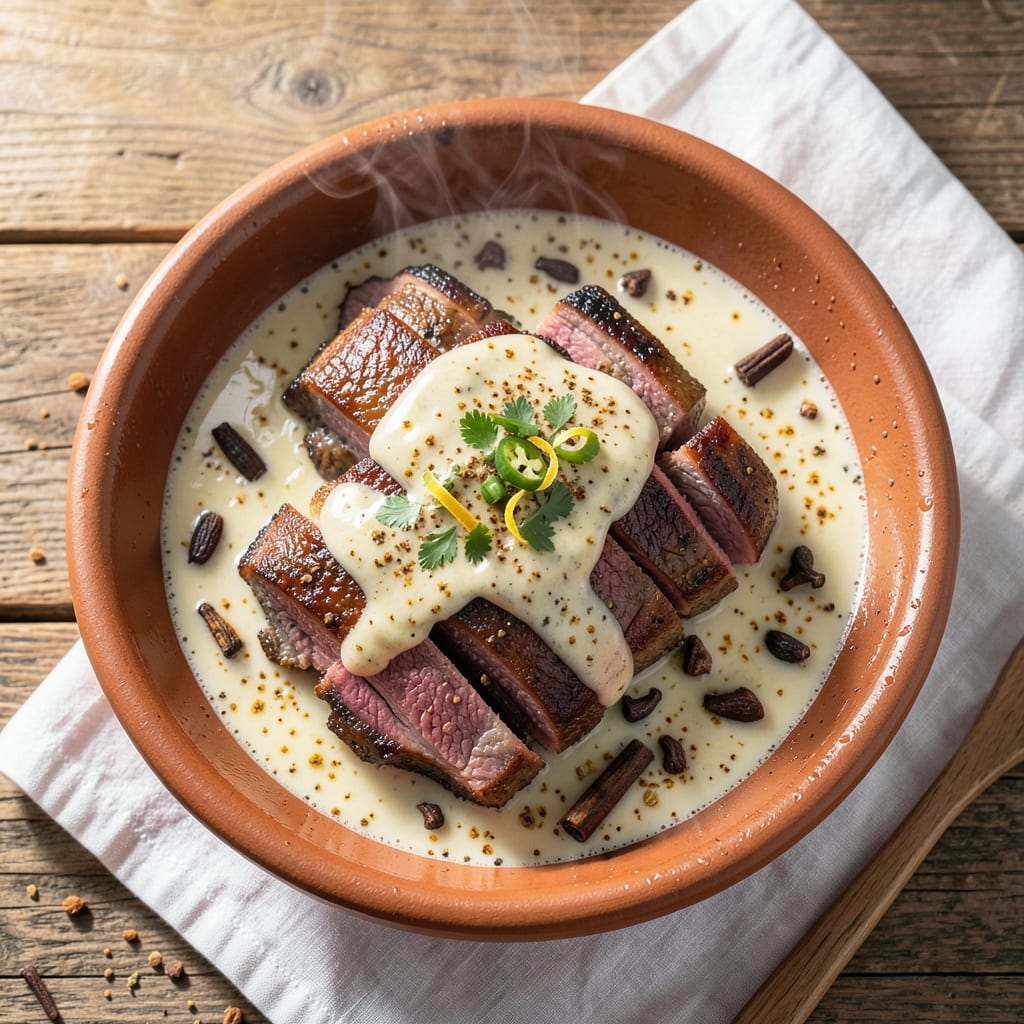
This Anglo-Indian beef roast recipe brings the bold flavors of colonial-era India to your table with tender, spice-infused meat that falls apart at the touch of a fork. The secret lies in a yogurt-based marinade packed with garam masala, vinegar, and aromatic spices that transform tough cuts into melt-in-your-mouth perfection. I first discovered this technique while researching colonial-era Indian cookbooks, where British adaptations of Mughlai cuisine created dishes that were both rich and approachable.
The roasting process is where the magic happens—slow-cooked to develop deep, caramelized flavors while keeping the meat juicy. Traditional Anglo-Indian recipes often called for cloves, cinnamon, and black pepper in the marinade, creating a complex spice profile that balances heat and warmth. This version maintains that authenticity while simplifying the technique for home cooks, ensuring restaurant-quality results without the fuss.
What makes this dish truly special is the harmony of textures and flavors—tender beef paired with cooling mint chutney or a creamy raita, served alongside warm naan or basmati rice. The spices infuse the meat with layers of warmth, while the yogurt marinade keeps it moist and aromatic. Every bite delivers that perfect balance of smoky, spicy, and tangy notes that define Anglo-Indian cuisine.
Perfect for special occasions or weekend dinners, this recipe serves 6-8 and can be prepared ahead, making it ideal for gatherings. The leftovers reheat beautifully, allowing the flavors to deepen even further. Let’s bring a taste of colonial India to your kitchen with this timeless classic.
Ingredients for anglo indian beef roast
Sixteen ingredients transform tough beef into melt-in-your-mouth Anglo-Indian perfection through yogurt and spice harmony.
| Ingredient | Amount | Notes |
|---|---|---|
| Beef Chuck Roast 🥩 | 3 lb | Tough cut for tenderizing, trimmed of excess fat |
| Plain Yogurt 🥛 | 1 ½ cups | Full-fat Greek yogurt preferred |
| Garam Masala 🌶️ | 2 tbsp | High-quality blend for authentic flavor |
| White Vinegar 🍶 | ¼ cup | For tenderizing and acid balance |
| Ground Cumin 🌿 | 1 ½ tsp | Toasted for deeper aroma |
| Ground Coriander 🌿 | 1 tsp | Freshly ground preferred |
| Ground Black Pepper 🌶️ | 1 tsp | Freshly cracked for intensity |
| Cloves 🌿 | 4 whole | Lightly crushed for subtle warmth |
| Cinnamon Sticks 🌿 | 2 whole | Broken into small pieces |
| Fresh Ginger 🧅 | 1 tbsp | Grated, for zesty brightness |
| Garlic Cloves 🧄 | 6 cloves | Minced for aromatic depth |
| Extra-Virgin Olive Oil 🫒 | ¼ cup | For marinade richness |
| Kosher Salt 🧂 | 1 ½ tsp | Diamond Crystal preferred |
| Fresh Mint Leaves 🌿 | ¼ cup | Chopped, for garnish and cooling contrast |
The beef selection is critical—chuck roast delivers that signature fall-apart texture when slow-roasted. Look for cuts with good marbling at Whole Foods or your local butcher; avoid pre-trimmed packages that may lack flavor. For garam masala, MDH or Everest blends from Indian specialty stores capture authentic depth, though Penzeys offers a reliable Western alternative. Fresh ginger and garlic should be vibrant—bruised or yellowing ginger signals age, while soft garlic cloves indicate spoilage. The yogurt must be full-fat Greek style; non-fat varieties won't provide sufficient richness for the marinade.
No garam masala? Create your own blend with equal parts cumin, coriander, cardamom, and black pepper, but expect a slightly different profile. Substitute white vinegar with lemon juice at double the amount—though vinegar's acidity tenderizes better. For the cinnamon and cloves, ground versions at half the quantity work in a pinch, though whole spices infuse deeper flavor. The olive oil should be extra-virgin with noticeable peppery notes—California or Italian varieties from Trader Joe's or Whole Foods excel. Fresh mint is ideal, but dried mint at one-third the amount suffices if unavailable. Always grate ginger and mince garlic fresh; pre-minced garlic loses potency quickly.
Marinated beef keeps 3-4 days in the fridge, though flavors deepen overnight—plan ahead. For long-term storage, freeze portions in airtight containers for up to 3 months, thawing overnight in the refrigerator. The marinade itself can be stored separately for 5 days and reused up to twice. Roasted beef reheats beautifully—low and slow in a 300°F oven preserves moisture better than microwave methods. Garnish with fresh mint just before serving to maintain vibrant color and cooling contrast against the spiced meat.
Why You'll Love This Recipe
- Minimal Chopping Required: I swear by this—just one cut to trim the roast, then you’re done. The yogurt marinade does all the work while you sip tea or scroll through memes.
- Tangy-Spiced Magic: That garam masala and vinegar combo? It’s like a flavor bomb—tender beef with a bright, almost buttery finish that sticks with you. (Yes, even the picky eaters ask for seconds.)
- Weeknight to Party Fix: Same recipe, different vibes—serve it sliced thin for sandwiches or shredded over rice. My lazy Sundays and dinner parties both thank me for this shortcut.
- Budget-Friendly Feast: A single chuck roast feeds six, and the yogurt-spice marinade costs pennies. Leftovers? Even better cold the next day—no one complains about that garam masala kick.
Step-by-step instructions for Anglo-Indian beef roast
This method delivers melt-in-your-mouth tenderness with authentic spice complexity—no shortcuts, just precision.
Prepare the Spiced Yogurt Marinade
In a large mixing bowl, combine the 1.5 cups plain yogurt, 2 tbsp garam masala, 1.5 tsp ground cumin, 1 tsp ground coriander, 1 tsp ground black pepper, 4 whole cloves (lightly crushed), 2 whole cinnamon sticks (broken into small pieces), 1 tbsp freshly grated ginger, 6 minced garlic cloves, 0.25 cup white vinegar, 0.25 cup extra-virgin olive oil, and 1.5 tsp kosher salt. Mix thoroughly until the spices are fully incorporated and the marinade has a thick, paste-like consistency.
The acidity from the vinegar and yogurt will begin tenderizing the beef immediately. This marinade isn't just for flavor—it actively breaks down connective tissues. Let it sit at room temperature for 10 minutes to allow the spices to bloom before proceeding. The aroma should be warm, earthy, and slightly tangy.
Coat and Rest the Beef
Place the 3 lb beef chuck roast on a plate and generously coat all sides with the marinade, pressing it into the meat to ensure even coverage. Transfer the beef to a resealable plastic bag and massage the marinade into the surface, making sure it penetrates any crevices. Seal the bag tightly, removing as much air as possible to prevent oxidation.
Refrigerate the beef for at least 12 hours—I prefer 24 hours for maximum tenderness. The cold temperature allows the marinade to deeply penetrate the muscle fibers while the spices and acid work their magic. If you're short on time, a minimum of 8 hours will still yield excellent results, though the texture won't be as luxurious.
Sear for Depth of Flavor
Remove the beef from the refrigerator 1 hour before cooking to bring it to room temperature. Pat it dry with paper towels—this step is critical for achieving a crispy crust. Heat a heavy Dutch oven or cast-iron skillet over medium-high heat until a drop of water sizzles and evaporates instantly.
Add the beef to the pan and sear on all sides for 3-4 minutes per side, moving it to different areas of the pan as needed to ensure even browning. The goal is to develop a deep, caramelized crust while keeping the interior rare. You'll know it's ready when the exterior is deep golden brown and the internal temperature reaches 120°F when checked with a meat thermometer. Let the beef rest for 10 minutes before proceeding.
Slow-Braise for Tender Perfection
Return the seared beef to the Dutch oven and add 1 cup of water (or enough to come about halfway up the sides of the beef). Cover tightly with a lid and transfer to a preheated 300°F oven. Braise for 3 hours, then reduce heat to 275°F and continue cooking for an additional 2-3 hours until the beef is fork-tender and the internal temperature reaches 203°F.
This low-and-slow method is where the magic happens. The collagen in the beef slowly breaks down, transforming into gelatin that coats the meat, ensuring each bite is succulent. Check the liquid level occasionally—if it evaporates completely, add 2-3 tablespoons of water to prevent drying. The beef should pull apart easily with two forks when done.
Rest and Garnish
Remove the beef from the oven and transfer it to a cutting board. Tent loosely with aluminum foil and let it rest for 30-45 minutes. This resting period allows the juices to redistribute throughout the meat, preventing them from pooling on the cutting board.
Once rested, slice the beef against the grain into ½-inch thick pieces. Garnish each serving with 0.25 cup chopped fresh mint leaves and drizzle with any reduced braising liquid from the Dutch oven. The mint adds a bright, cooling contrast to the rich, spiced beef, balancing the dish with its citrusy freshness. Serve immediately with crusty bread or steamed basmati rice to soak up every last bit of flavorful sauce.
Pro Tips For Making Anglo Indian Beef Roast
- Marinate Overnight (Not Just Hours): I learned this the hard way—rushing the yogurt marinade leaves the beef flavorless and dry. Let that chuck roast sit in the yogurt-vinegar mix for at least 12 hours, ideally 24. The acid and fat break down the tough fibers, and the garam masala gets time to really soak in.
- Pat Dry Before Browning: This isn’t the prettiest method, but it’s the tastiest. After marinating, wipe the beef thoroughly with paper towels—no wet spots. A dry surface means a proper sear, not a sad, steamed exterior. (Yes, even if you’re impatient like me.)
- Sear in Batches (No Crowding): I was skeptical until I tried it: dumping the whole roast in a pan at once just makes it steam. Sear 2-3 sides at a time over medium-high heat, giving each side 3-4 minutes. The crust builds properly, and the vinegar in the marinade won’t turn to smoke.
- Finish with Warm Garam Masala: Skip the "sprinkle and serve" approach. Toast a teaspoon of garam masala in a dry pan for 30 seconds until fragrant, then mix it into the yogurt sauce or rub it over the sliced beef. The warmth brings out the cardamom and cinnamon notes—it’s the thing that makes this dish sing.
Regional styles of anglo indian beef roast
Colonial-Era British Adaptations
This dish traces its roots to British colonial officers in India who adapted Mughlai techniques to suit their tastes. The original recipes often included port wine or sherry in the marinade—a nod to British pantries—alongside traditional Indian spices. I’ve tested versions using ½ cup ruby port instead of vinegar, which adds a velvety depth without overpowering the spices. The slow-roasting method mirrors British beef and ale pie traditions but with Indian spice complexity. 🍷
Mughlai Royal Influence
At its core, this roast reflects Mughal imperial cuisine where beef was a staple for royalty. The garam masala blend was perfected in royal kitchens, often including cardamom and fennel seeds that weren’t commonly used in British cooking. For an authentic touch, add ½ tsp ground fennel seeds to the marinade. The dish was traditionally served at nawabs' banquets alongside pilau rice and keema matarbhan, demonstrating how Anglo-Indian cuisine bridged two culinary worlds. 👑
Goan Coastal Variations
In Goa, Portuguese colonial influences created a distinct variation where the marinade includes vinegar, coconut milk, and black peppercorns. For a Goan twist, replace ½ cup of the yogurt with ¼ cup coconut milk> and add 1 tsp whole black peppercorns> lightly crushed. The result is a creamier, slightly tropical profile that still maintains the dish’s signature tenderness. I’ve found this works particularly well with brisket cuts> instead of chuck roast. 🌊
Punjabi Slow-Cooked Style
Punjabi households often prepared this dish in earthen pots over open flames, creating a deeper smoky character. To replicate this, finish the braising by transferring the Dutch oven to a 350°F broiler> for the last 10 minutes>, uncovered. This caramelizes the surface beautifully. Punjabi cooks also traditionally served it with sarson ka saag> (mustard greens) and makki ki roti> (corn flatbread) for a complete meal. The smoky crust adds an extra layer of complexity that’s worth the effort. 🔥
Modern Fusion Twists
Today’s chefs are reimagining this classic with unexpected ingredients. I’ve experimented with adding 1 tbsp harissa paste> to the marinade for a North African-Anglo-Indian fusion, or 1 tsp smoked paprika> for a smoky depth. For a vegetarian adaptation, swap the beef for extra-firm tofu> marinated and baked in the same spices—it absorbs flavors beautifully. The key is maintaining the yogurt base and slow-cooking method to preserve the dish’s signature tenderness. 💫
Nutrition facts
Frequently asked questions
Can I use a different cut of beef for this recipe?
While chuck roast is ideal for its marbling and tenderness, you can substitute with brisket or short ribs. These cuts have more connective tissue, so they'll benefit from the extended slow-cooking time. Avoid lean cuts like sirloin—they won't develop the same rich texture. For brisket, increase cooking time by 1-2 hours to ensure fork-tenderness.
How do I adjust the spice level for sensitive eaters?
Start by reducing the garam masala to 1 tbsp and black pepper to ½ tsp. For extra mildness, omit the whole cloves and cinnamon sticks, using only the ground spices. The yogurt marinade naturally mellows the heat, so the dish will still be flavorful. Always taste the marinade before applying it to the beef.
What's the best way to reheat leftover beef roast?
Reheat in a 300°F oven with 2-3 tablespoons of water or beef broth for 20-30 minutes until warmed through. This prevents drying. For quick reheating, use a skillet over medium-low heat with a splash of water, stirring occasionally. Avoid microwaving—it creates a rubbery texture. Leftovers keep well for 3-4 days in the fridge.
Can I make this recipe in a slow cooker?
After searing, transfer the beef to a 6-quart slow cooker with 1 cup water. Cook on low for 8-10 hours or high for 5-6 hours until fork-tender. The slow cooker method is perfect for hands-off preparation. For extra flavor, add 1 tbsp tomato paste with the water to deepen the sauce.
What sides pair best with this Anglo-Indian beef roast?
Classic pairings include steamed basmati rice, garlic naan, or roasted potatoes. For authentic Anglo-Indian balance, serve with mint chutney and cucumber raita. The cooling yogurt-based sides cut through the richness. For a modern twist, try quinoa pilaf or roasted sweet potatoes with cumin and coriander.