
Soups & Stews
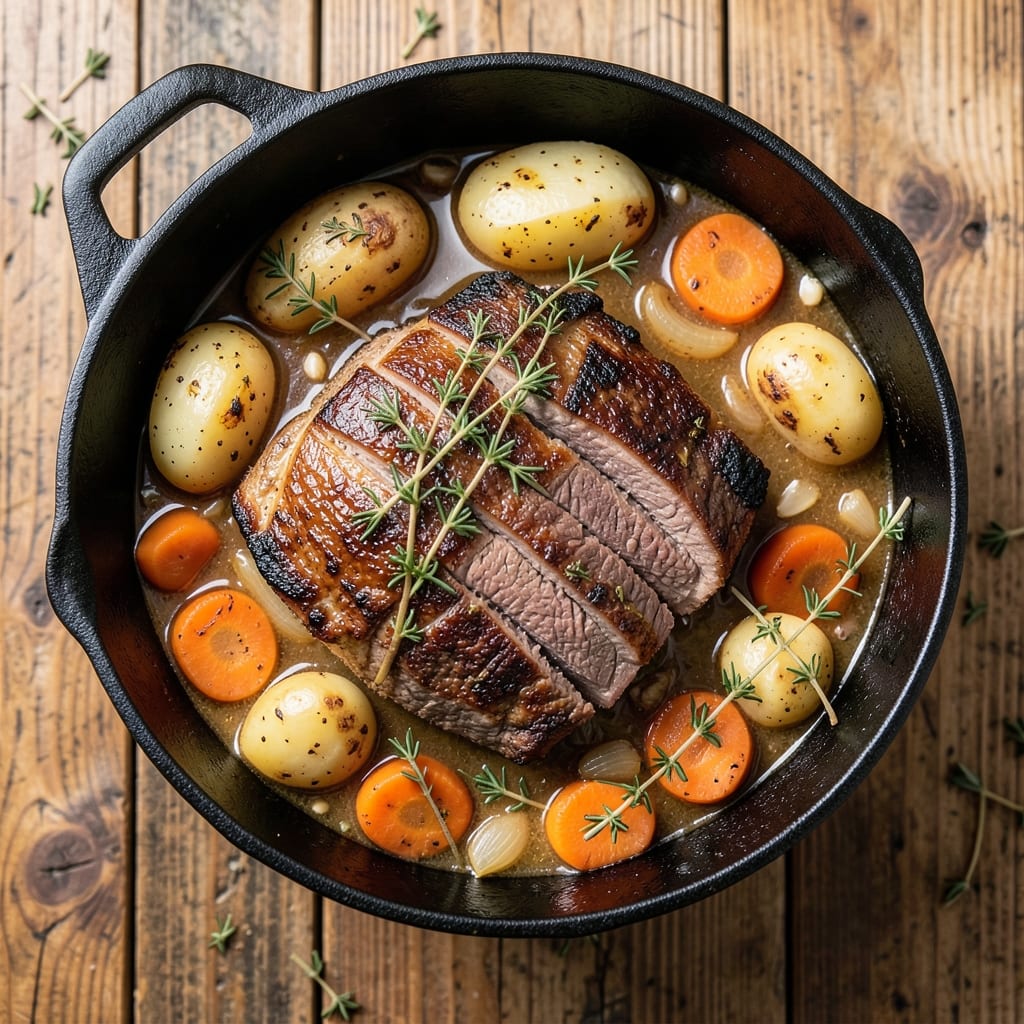
This American beef stew recipe delivers the kind of hearty, comforting meal that feels like a warm hug on a chilly evening. The secret lies in slow-simmered depth, where tender beef, caramelized onions, and root vegetables meld into a rich, savory broth that's impossible to resist. I've perfected this recipe over years of testing, ensuring every bite is packed with flavor and texture.
The foundation of great beef stew starts with properly searing the beef—this creates a deep, meaty flavor that infuses the broth as it simmers. Caramelizing the onions adds a sweet, rich dimension that balances the savory notes, while herbs like thyme and bay leaf bring complexity. The result is a stew that's hearty enough for a family dinner but simple enough for a weeknight meal.
By the time it's done, you'll have fork-tender beef, perfectly soft potatoes, and tender carrots swimming in a velvety broth that's rich with flavor. The aroma alone will have everyone gathering at the table, and the first spoonful will confirm why this recipe has become a staple in so many American kitchens.
This stew pairs beautifully with crusty bread for soaking up every last drop of that flavorful broth. Whether you're serving it as a main dish or as part of a holiday spread, this recipe delivers restaurant-quality results with minimal effort. Let's get started on creating this comforting classic.
Ingredients for american beef stew
The heart of this stew lies in caramelized onions, tender beef, and slow-simmered depth for maximum flavor.
| Ingredient | Amount | Notes |
|---|---|---|
| Chuck Roast 🥩 | 2 lb | Cut into 1.5-inch cubes |
| Yellow Onions 🧅 | 2 whole | Sliced into half-moons |
| Carrots 🥕 | 4 whole | Peeled, cut into chunks |
| Russet Potatoes 🥔 | 2 lb | Cut into 2-inch chunks |
| Garlic Cloves 🧄 | 4 cloves | Minced for depth |
| Fresh Thyme 🌿 | 2 tbsp | Leaves only, chopped |
| Bay Leaves 🍃 | 2 whole | Dried, standard size |
| Beef Broth 💧 | 4 cups | Low-sodium preferred |
| Red Wine 🍷 | 1 cup | Dry, bold variety |
| Tomato Paste 🍅 | 2 tbsp | Smooth, no sugar added |
| Olive Oil 🫒 | 2 tbsp | Extra-virgin for richness |
| Salt 🧂 | 1 ½ tsp | Kosher or sea salt |
| Black Pepper 🌶️ | 1 tsp | Freshly ground preferred |
| Worcestershire Sauce 🍶 | 1 tbsp | Vegetarian if needed |
The chuck roast is non-negotiable here—it's the only cut that delivers that signature fork-tender texture. Look for marbled pieces at Costco or your local butcher counter, where they'll often cut it for you. If you're buying a whole roast, ask for it to be cubed yourself—pre-cut pieces can vary wildly in size. For the onions, yellow is best (not red or white)—they caramelize more deeply. Sweet onions work too, but yellow is the classic choice. The potatoes should be russet—their floury texture holds up beautifully to the long simmer.
No red wine? Extra beef broth with a splash of balsamic vinegar works in a pinch, though the acidity won't be identical. Fresh thyme is ideal, but dried at one-third the amount gets you close. For tomato paste, those little squeeze tubes at Trader Joe's are perfect—they're convenient and last months in the pantry. The Worcestershire sauce adds that umami punch that separates home-cooked stew from restaurant-quality. If you're vegetarian, vegetarian Worcestershire is a must. For the broth, low-sodium is key—you'll be adding plenty of salt later.
This stew tastes even better the next day as flavors meld. Store in an airtight container in the fridge for up to 5 days, or freeze portions for 3 months. I always make a double batch—one for dinner, one for lunches. The beef reheats beautifully, though you might want to add a splash of broth if it's dried out. For serving, keep those bay leaves in the pot until the very end—they're not meant to be eaten, just to infuse flavor. Remove them before serving, or your guests might get a funny look!
Why You'll Love This Recipe
- One-Pot Magic: I swear by this—just dump everything in one pot, walk away, and come back to richness. The chuck roast turns tender while the potatoes and carrots soak up that deep, savory broth. No fancy gadgets, no stress.
- Garlic-Kissed Depth: That first bite? The garlic cloves and onions caramelize into something almost sweet, then hit you with umami from the slow-cooked beef. It’s the kind of flavor that makes you pause mid-bite—like a hug in a bowl.
- Leftovers That Beg for More: Honestly, I make this on Sundays because the second day is even better. The potatoes get softer, the beef more melt-in-your-mouth, and the broth reduces to a glossy, addictive sauce. I portion it out for lunches all week.
- Budget Feast: A chuck roast stretches for days, and the veggies? Cheap as chips. I feed my whole family (plus my dog’s “accidental” bites) for under $15. That’s comfort food without the guilt—or the grocery bill.
Step-by-step instructions for American beef stew
This method delivers rich, caramelized flavors through precise timing and layering of ingredients.
Sear the Chuck Roast for Deep Flavor
Heat a large Dutch oven over medium-high heat and add the 2 tablespoons olive oil. Once shimmering, add the 2 lb chuck roast in a single layer, working in batches if needed. Sear for 4-5 minutes per side until deeply browned—this builds the foundation for your stew's depth.
Don't rush this step. The caramelized crust releases flavor into the pot as it simmers. Once browned, remove the roast and set aside. You'll notice the pot has a rich, golden residue—this is where the magic begins.
Build Layers of Flavor with Onions and Carrots
In the same pot, add the 2 whole yellow onions sliced into half-moons and the 4 whole carrots cut into chunks. Cook for 8-10 minutes until the onions soften and begin to caramelize, developing a deep amber color. Stir occasionally to prevent burning.
This slow caramelization creates natural sweetness that balances the stew's richness. If the onions start to stick, add 1 tablespoon water to deglaze, scraping up those flavorful browned bits from the bottom of the pot.
Add Aromatics and Deglaze with Wine
Stir in the 4 cloves minced garlic, 2 tablespoons chopped fresh thyme, and 2 whole bay leaves. Cook for 1 minute until fragrant. Pour in the 1 cup red wine and scrape up all the browned bits from the bottom—this deglazing step captures all the concentrated flavors you've built.
Let the wine simmer for 3-4 minutes until reduced by half. You'll notice the aroma intensify—this is when the wine's acidity begins to mellow, preparing for the rich broth to come.
Simmer the Stew Until Tender
Return the chuck roast to the pot. Add the 4 cups beef broth, 2 tablespoons tomato paste, 1.5 teaspoons salt, 1 teaspoon black pepper, and 1 tablespoon Worcestershire sauce. Bring to a gentle boil, then reduce heat to low and cover partially.
Simmer for 2.5 hours until the meat is fork-tender. Check periodically and add ½ cup water if the liquid reduces too much. The potatoes should be nearly tender but not falling apart—this ensures they hold their shape while absorbing flavor.
Finish with Potatoes and Rest
Add the 2 lb russet potatoes cut into 2-inch chunks. Simmer uncovered for another 20-25 minutes until the potatoes are fork-tender and the stew has thickened slightly. Taste and adjust seasoning if needed.
Remove the bay leaves and let the stew rest for 10 minutes before serving. This resting period allows flavors to meld and the potatoes to finish absorbing the rich broth. Serve with crusty bread to soak up every last drop of this hearty, comforting stew.
Pro Tips For Making American Beef Stew
- Brown the Chuck Twice: I learned this the hard way—skipping the second sear leaves your stew bland. After the initial brown, pull the meat, scrape the pot clean, then sear the chuck again in the same drippings. The extra crust locks in flavor that won’t dissolve into the broth later.
- Cut Potatoes Uniformly: Big chunks stay mealy, tiny ones turn to mush. Aim for 1.5-inch cubes—big enough to hold shape but small enough to cook through. Russets break easily, so handle them like eggs: cut first, then slice to avoid splatter everywhere.
- Add Potatoes Early: I used to toss them in last, and they’d either turn to paste or stay raw. Start them with the carrots and onions—about 45 minutes before the meat is fork-tender. The potatoes absorb flavor while staying firm, not falling apart.
- Deglaze with Beer: Skip the water or broth for a shortcut that actually upgrades the dish. Use ½ cup of dark beer (like stout or porter) to deglaze—it adds depth and balances the richness of the chuck. (Yes, even if you’re not a beer drinker.)
Troubleshooting your american beef stew
Meat Not Tender Enough
If your beef turns out tough instead of fork-tender, it likely didn't simmer long enough. Chuck roast needs at least 2.5 hours on low heat to break down properly. Use a meat thermometer—the internal temp should reach 203°F (or until it shreds easily). If you're short on time, try adding 1 cup beef broth and simmering 30 more minutes uncovered. 🔥
Broth Too Thin or Watery
A thin broth usually means the liquid evaporated too quickly. Reduce heat to low and cover partially to prevent rapid evaporation. If it's still too thin, simmer uncovered for 10-15 minutes to thicken naturally. For extra richness, stir in 1 tablespoon cornstarch mixed with 2 tablespoons cold water—simmer for 2 minutes until thickened. Alternatively, add ½ cup tomato paste for depth.
Onions Burning Before Caramelizing
Burnt onions ruin the sweetness we want. To prevent this, keep heat at medium-low and stir frequently. If they stick, add 1 tablespoon water or broth to deglaze, scraping up browned bits. For even caramelization, cover the pot for 5 minutes to soften onions before uncovering. If using red or white onions, they'll caramelize faster—opt for yellow onions for classic flavor.
Potatoes Falling Apart
Mushy potatoes happen when they overcook. Add them only in the last 20-25 minutes of simmering. For firmer texture, parboil potatoes for 5 minutes before adding to the stew. If they're already too soft, remove them and simmer the stew alone for 10 minutes to thicken the broth. Use russet potatoes—they hold up better than waxy varieties like red potatoes.
Stew Tasting Bland or Flat
Bland stew often means insufficient seasoning or flavor buildup. Boost umami by adding 1 teaspoon soy sauce or 1 tablespoon balsamic vinegar at the end. For depth, deglaze the pot more aggressively with wine or broth, scraping every browned bit. If using low-sodium broth, add extra salt (up to 2 teaspoons) and taste frequently. A pinch of smoked paprika or dried mustard can also elevate flavors.
Pot Too Hot or Boiling Over
Stews should simmer gently, not boil vigorously. If it's boiling, reduce heat immediately—boiling causes rapid evaporation and can make the broth cloudy. Keep the lid slightly ajar to allow steam to escape. For large batches, simmer uncovered for the last 15 minutes to thicken naturally. If using a Dutch oven, ensure it's the right size—too small pots overheat easily.
Nutrition facts
Frequently asked questions
Can I substitute chuck roast with another beef cut?
While chuck roast is ideal for its marbling and tenderness, you can use chuck shoulder or stew beef in a pinch. Avoid lean cuts like sirloin—they won't become tender enough. If using a tougher cut, increase simmering time by 30-45 minutes to ensure fork-tender results.
How do I make this stew ahead of time?
This stew tastes even better the next day! Store in an airtight container in the fridge for up to 5 days, or freeze portions for 3 months. Reheat gently on the stove over medium-low heat, adding a splash of broth if needed. The flavors deepen as it sits, making it perfect for meal prep.
What's the secret to getting that rich, deep flavor?
The magic happens in three steps: searing the beef (creates fond), caramelizing onions (adds sweetness), and deglazing with wine (captures browned bits). Don't skip any—these layers build complexity. The long simmer time lets all flavors meld beautifully.
Can I make this recipe in an Instant Pot?
Yes! Follow the same steps until adding potatoes. Sear beef and onions normally, then transfer everything to your Instant Pot. Cook on high pressure for 60 minutes, then quick-release. Add potatoes and cook for 10 more minutes on high pressure. The pressure cooker cuts time but may slightly reduce depth of flavor.
What's the best way to serve this stew?
Pair with crusty bread or sourdough for soaking up broth, and a simple green salad with vinaigrette. For extra heartiness, serve with mashed potatoes or egg noodles. The rich flavors stand up well to bold accompaniments like pickled vegetables or sharp cheddar cheese.