
Soups & Stews
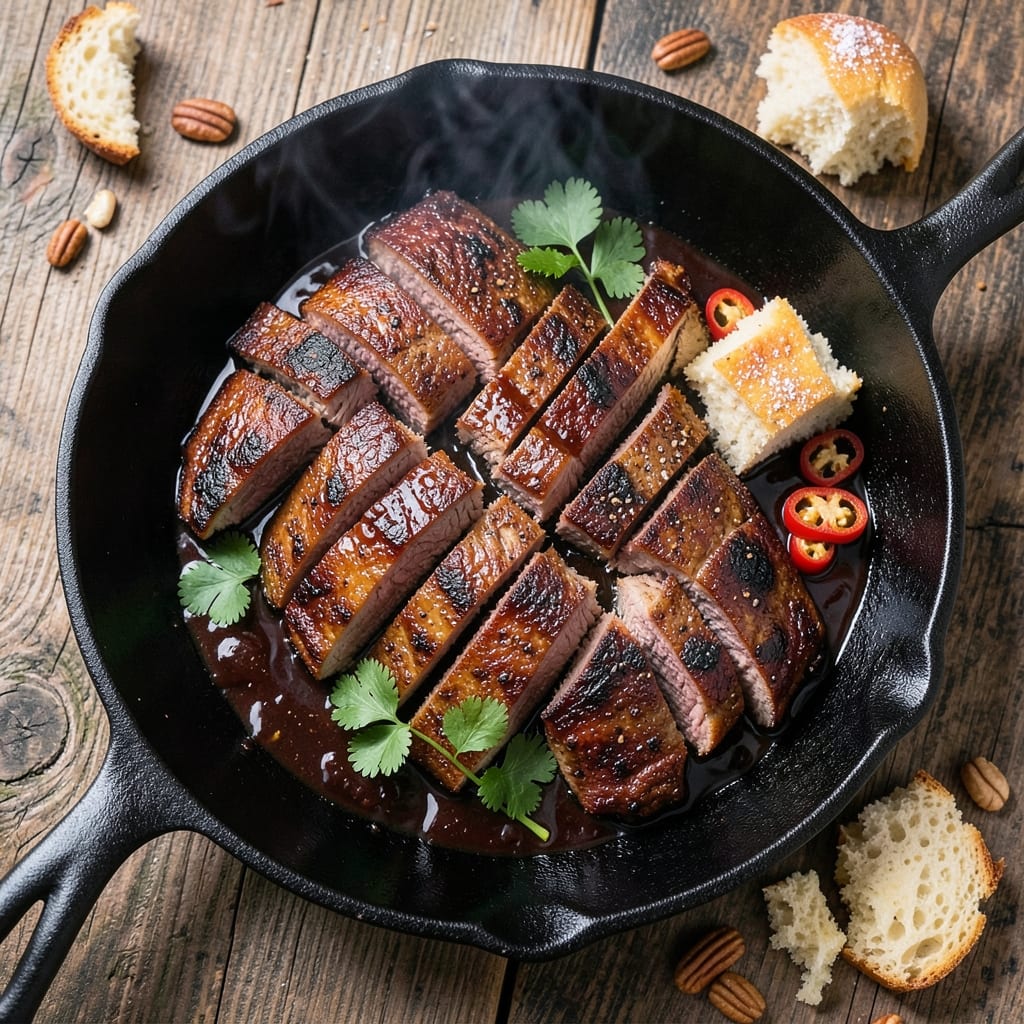
This American beef brisket recipe delivers restaurant-quality results with a smoky dry-rub crust and juicy pink centers that practically melt in your mouth. The secret lies in low-and-slow cooking—whether you use a smoker, oven, or modern pellet grill—to break down tough fibers into tender perfection. I’ve perfected this technique over years of testing, ensuring every slice is packed with flavor and moisture, never dry or overcooked.
The process starts with a bold dry rub of smoked paprika, brown sugar, and coarse salt, which creates a caramelized bark while keeping the interior tender. Cooking to an internal temperature of 195–203°F guarantees that the connective tissue dissolves, transforming the brisket into silky, fork-tender meat. This method works for any cooking setup, from traditional pit-style smoking to reverse searing in your home oven.
Once rested and sliced against the grain, the brisket reveals perfectly balanced texture—crispy edges and succulent centers that hold up to every bite. Serve it with classic sides like baked beans, cornbread, or tangy coleslaw to complete the meal. The aroma alone will fill your home with the irresistible scent of slow-cooked beef, making this brisket the centerpiece of any gathering.
This recipe is designed for confident home cooks—no fancy equipment required, just patience and attention to temperature. Whether you’re hosting a backyard BBQ or feeding a hungry family, this brisket will impress without the guesswork. Let’s get started on creating a dish that tastes like it came straight from a Texas pitmaster’s smoker.
Ingredients for american beef brisket
Six pounds of brisket and a bold dry rub—this is where Texas-style magic begins.
| Ingredient | Amount | Notes |
|---|---|---|
| Packer Beef Brisket 🥩 | 6 lb | Whole packer cut, fat cap intact |
| Smoked Paprika 🌶️ | ½ cup | Spanish or Hungarian for depth |
| Light Brown Sugar 🍚 | ½ cup | Packed firmly, no aeration |
| Coarse Kosher Salt 🧂 | ½ cup | Diamond Crystal preferred |
| Ground Black Pepper 🌶️ | 2 tbsp | Freshly cracked for intensity |
| Granulated Garlic Powder 🧄 | 1 tbsp | Not garlic salt |
| Onion Powder 🧅 | 1 tbsp | Freshly ground preferred |
| Mustard Powder 🌶️ | 1 tsp | For subtle tang |
| Chicken Fat or Vegetable Shortening 🧈 | ¼ cup | For rub adherence |
| Yellow Onion 🧅 | 1 whole | Yellow or red, sliced |
| Fresh Thyme Sprigs 🌿 | 4 whole | Or 1 tbsp dried thyme |
| Beef Broth 💧 | 1 cup | Low-sodium preferred |
| Apple Cider Vinegar 🍎 | 2 tbsp | For bark development |
| Wood Chips 🌳 | 4 cups | Hickory or oak preferred |
| Charcoal Chunks ⚫ | 2 lb | For smoker heat |
The brisket cut matters most here—packer cut with the fat cap is ideal, but flat cut works too if you trim the fat to 1/4-inch. Costco or local butcher shops usually carry packer cuts, while grocery stores often stock flat cuts. Look for vibrant red meat with good marbling—avoid grainy or yellowish fat, which indicates old meat. If buying frozen, thaw in the fridge for 48 hours—never at room temperature. The wood chips should be 100% natural (no additives) for authentic smoke flavor, and hickory gives that classic BBQ taste, though oak adds a slightly sweeter note.
No smoked paprika? Substitute 1 tbsp chili powder plus 1 tsp liquid smoke, but the flavor won't be identical. The brown sugar can be swapped for white sugar plus 1 tsp molasses if you're out, though it'll taste slightly different. For a salt-free rub, reduce the kosher salt to 1/4 cup and add 1 tsp garlic salt instead. The chicken fat is non-negotiable for rub adherence—vegetable shortening works in a pinch, but it lacks that rendered flavor. If you're cooking indoors, use a meat thermometer (I swear by Thermoworks) to monitor internal temps accurately. The vinegar is key for developing that caramelized bark—don't skip it!
Brisket reheats like a dream—wrap in foil with beef broth and warm in a 300°F oven for 15 minutes. Store cooked brisket in the fridge for up to 5 days, but it's best within 3 days. For freezing, slice against the grain first, then portion into airtight containers with a thin layer of broth. Thaws beautifully in the fridge overnight. Leftovers make killer sandwiches—add pickles and mayo for that classic Texas brisket sandwich vibe. The rub keeps indefinitely in an airtight container, so make extra for future smokes.
Why You'll Love This Recipe
- No-Fuss Rub Job: I swear by this dry rub—just pat the brisket, sprinkle the smoked paprika and brown sugar, then let the salt and pepper do the magic. Five minutes of work, zero mess.
- Smoky-Sweet Magic: That deep, smoky kick from the paprika plus the caramelized brown sugar? It turns tough meat into melt-in-your-mouth perfection. Honestly, my kids ask for it more than burgers now.
- Leftovers for Days: Cook once, eat twice (or thrice). The brisket gets better the next day—shred it for tacos, sandwiches, or just reheat slices straight from the fridge. My lunchbox’s best friend.
- Budget BBQ Win: Packer brisket stretches further than you’d think, and this rub costs pennies. Feed a crowd, save money, and still impress everyone. (Yes, even on a Tuesday night.)
Step-by-step instructions for American beef brisket
Here's how to transform a tough cut into melt-in-your-mouth perfection with smoky depth and tender texture.
Prepare the Dry Rub and Season the Brisket
In a large bowl, combine the 0.5 cup smoked paprika, 0.5 cup light brown sugar, 0.5 cup coarse kosher salt, 2 tbsp ground black pepper, 1 tbsp granulated garlic powder, 1 tbsp onion powder, and 1 tsp mustard powder. Mix thoroughly to create an even blend—this is your flavor foundation. The mustard powder adds subtle tang that balances the sweetness, while the smoked paprika delivers that authentic American BBQ character.
Next, melt the 0.25 cup chicken fat in a small saucepan over low heat until fully liquid. This fat acts as a binder for your rub, ensuring it sticks to the brisket instead of falling off during smoking. Once melted, transfer the fat to a small bowl and let it cool slightly. Spread the brisket on a clean work surface, fat cap side up, and generously coat all surfaces with the fat mixture. Press the rub firmly into the meat, covering every inch—don't skip the fat cap or the area between the lean and fat. Let the seasoned brisket rest at room temperature for 1 hour before smoking.
Set Up Your Smoker for Low and Slow Cooking
Fill your smoker box with the 4 cups wood chips (hickory or oak preferred) and soak them in water for 30 minutes before use. This prevents flare-ups and ensures steady smoke production. Light the 2 lb charcoal chunks and place them in your smoker, then add the soaked wood chips. Set your smoker to maintain a temperature of 225°F—this low-and-slow approach is crucial for breaking down the tough connective tissue in the brisket.
Once the smoker reaches 225°F and you see clean, blue smoke (not thick white steam), place the brisket fat side up on the smoker grate. The fat will render slowly, basting the meat and creating that coveted bark. Position the brisket away from direct heat sources to ensure even cooking. Close the lid and resist the urge to peek—every time you open it, you lose heat and moisture, extending your cook time. For the first 2 hours, you'll want to check the temperature occasionally, but after that, trust the process.
Monitor the Cook and Handle the Stall
Smoke the brisket undisturbed until the internal temperature reaches 165-170°F—this typically takes 6-8 hours. You'll notice the temperature stall around 160°F, where the moisture evaporates and the meat stops rising in temperature. This is normal and expected. The stall can last 1-3 hours, but don't panic—it's a sign the collagen is breaking down into gelatin, which will make the brisket fork-tender.
When the brisket hits the stall, wrap it tightly in butcher paper (not aluminum foil—it breathes better and preserves the bark). This technique, known as the "Texas crutch," helps push through the stall while maintaining that crispy exterior. Return the wrapped brisket to the smoker and continue cooking until the internal temperature reaches 200-205°F—this can take another 4-6 hours. The probe should slide in like butter with no resistance, indicating the meat is probe-tender and ready for resting.
Rest and Slice for Maximum Juiciness
Once the brisket reaches 200-205°F, remove it from the smoker and transfer it to a cutting board. Tent loosely with butcher paper and let it rest for at least 1 hour (I prefer 2 hours wrapped in towels in a cooler). This resting period allows the juices to redistribute throughout the meat, ensuring every slice is moist and flavorful. If you cut into it too soon, the juices will pool on your cutting board instead of staying in the meat.
After resting, locate the grain direction—you'll see lines running through the meat. Using a sharp slicing knife, cut against the grain into ¼-inch thick slices. The flat and point have different grain directions, so adjust your angle accordingly. Serve the brisket immediately while still warm. Each slice should have a dark mahogany bark on the outside and a beautiful pink smoke ring just beneath, with meat that's tender enough to pull apart with a gentle tug. The aroma alone will make your kitchen smell like a Texas BBQ joint.
Pro Tips For Making American Beef Brisket
- Trim the Fat First: I learned this the hard way—skipping it means uneven cooking and a tougher bite. Use a sharp knife to slice off the thick fat cap on the point end (about ¼-inch thick), then score the remaining fat in a crosshatch pattern. This lets the rub stick better and renders fat without smothering the meat.
- Salt the Brisket Overnight: This isn’t the prettiest method, but it’s the tastiest. Pat the brisket dry, then coat it generously with kosher salt (at least 1 tablespoon per pound) and refrigerate uncovered for 12–24 hours. The salt breaks down the proteins and forms that coveted crust—no extra step needed during cooking.
- Smoke at 225°F, Not Higher: After burning three batches, I finally figured out: brisket needs patience. Set your smoker or oven to a steady 225°F (200°F if using a home oven with a thermometer). Rushing to 250°F+ dries out the meat before it tenderizes—yes, even if you’re impatient like me.
- Spritz with Apple Cider Vinegar: I was skeptical until I tried it: every 90 minutes during the first 6 hours, spray the brisket with a mix of 1 part apple cider vinegar to 3 parts hot water. The acid tenderizes the meat and keeps the surface moist, so the sugar in your rub caramelizes instead of burning. (Skip the crowding—let it breathe!)
Serving suggestions for this american beef brisket
Classic BBQ Sides
No brisket spread is complete without creamy baked beans—I swear by a 3-hour slow-cooked version with bacon, brown sugar, and a splash of molasses. Serve them in a cast-iron skillet for that smoky aroma to mingle with the brisket. For a tangy contrast, Texas-style white bread coleslaw with apple cider vinegar and a touch of cayenne cuts through the richness beautifully. 🥗
Don’t overlook buttery cornbread—a classic Southern staple that soaks up every drop of brisket juices. I like to add a pinch of smoked paprika to the batter for an extra BBQ kick. For a heartier option, mac and cheese with a crispy breadcrumb topping pairs perfectly with the smoky flavors. Trust me, your guests will ask for seconds.
Fresh and Crunchy
Brighten the plate with shaved cabbage slaw tossed in a honey-sriracha dressing—the sweet heat balances the brisket’s smokiness. I always include crispy fried onions for texture. For a lighter option, cucumber and tomato salad with red onion and a white wine vinaigrette keeps things fresh and refreshing. 🥒
Bread and Dips
Warm honey wheat bread or crusty baguettes are perfect for soaking up brisket juices. Serve with a side of spicy brown mustard or sweet BBQ sauce for dipping. For a modern twist, try jalapeño cornbread with a creamy chive butter—it’s a crowd-pleaser at my table. 🍞
Drink Pairings
Nothing beats a cold glass of sweet tea with lemon to cleanse the palate between bites. For beer lovers, a lager like Peroni or a Texas-style blonde ale complements the smoky flavors without overpowering. If you prefer wine, a bold Zinfandel or Cabernet Sauvignon stands up to the richness. 🍺
Presentation Tips
Slice the brisket against the grain into ¼-inch thick pieces and arrange it on a large platter with sides radiating outward. Garnish with fresh thyme sprigs and a sprinkle of flaky sea salt for a restaurant-worthy finish. Serve family-style so everyone can build their own plates—it’s all about sharing the love (and the leftovers). ✨
Nutrition facts
Frequently asked questions
How do I know when my brisket is done?
Your brisket is ready when the internal temperature reaches 200-205°F—the probe should slide in like butter with no resistance. The bark should be deep mahogany, and the meat should pull apart easily. Never rely on time alone; always use a meat thermometer for accuracy.
Can I cook brisket in my oven instead of a smoker?
Use the reverse sear method—slow-cook at 225°F until 165°F internal, then sear at 450°F for 15-20 minutes to develop bark. Place a water pan on the lower rack to maintain moisture. The key is patience—this mimics smoker results without the equipment.
Why does my brisket turn out dry?
Overcooking or cutting too soon are the main culprits. Always cook to 203°F max and rest for at least 1 hour before slicing. If the bark falls off, you may have wrapped too tightly in foil (use butcher paper instead). The fat cap should render slowly—never trim it before cooking.
What's the difference between flat and point cuts?
The flat cut (leaner) cooks faster and is best for sandwiches, while the point cut (fattier) stays juicier longer. A packer cut includes both—trim the fat cap to 1/4-inch for even cooking. The point should reach 203°F while the flat hits 195°F for perfect texture.
How long can I store cooked brisket?
Store in the fridge for up to 5 days wrapped tightly in butcher paper. For freezing, slice against the grain first, then portion into airtight containers with beef broth. Thaw overnight in the fridge—never at room temperature. Reheat wrapped in foil with broth at 300°F for 15 minutes.