
Main Courses
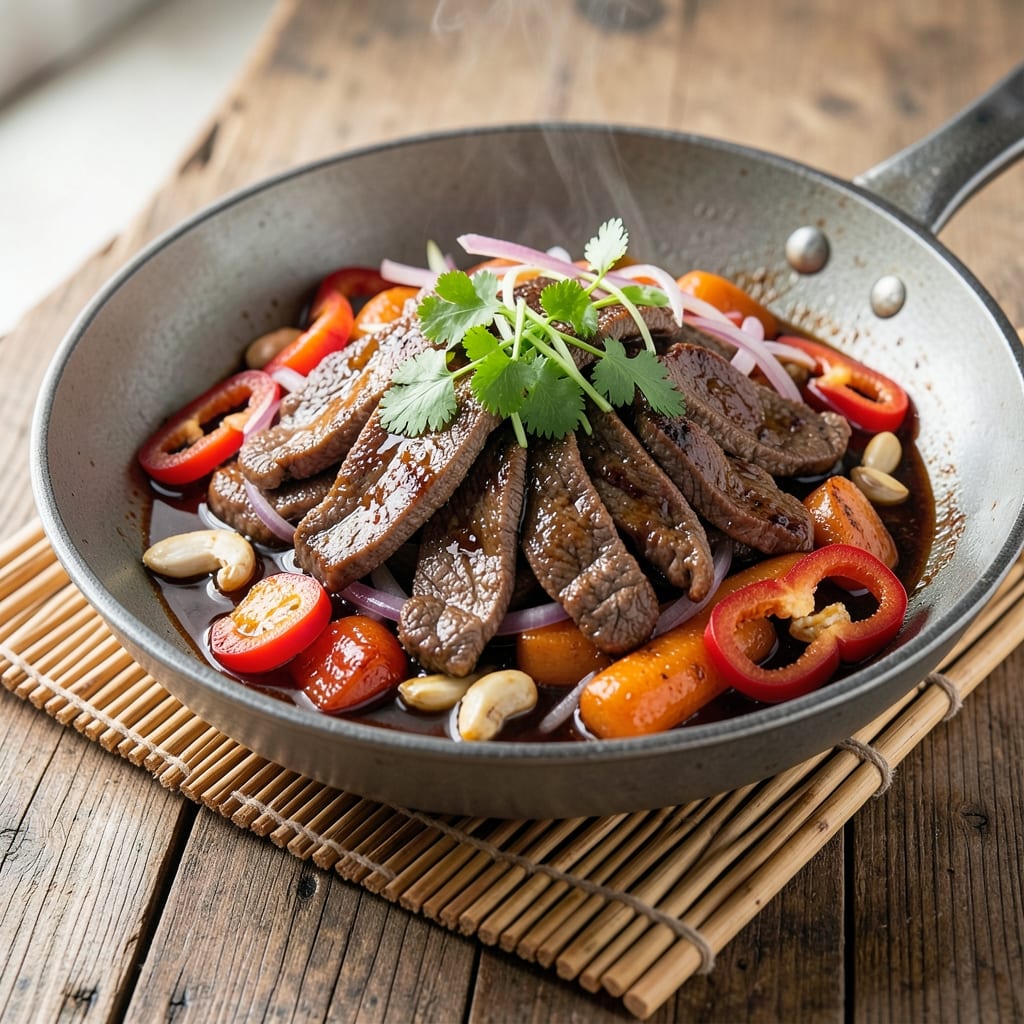
This amazing beef stir fry transforms weeknight dinners into restaurant-quality meals with just 30 minutes of active time. The secret? A velvety soy-ginger sauce that caramelizes beautifully while the beef develops that coveted wok hei—smoky, charred flavor that makes every bite irresistible. I've been perfecting this recipe for years, and it's the one people always ask for seconds on.
What sets this stir fry apart is the balance—tender beef strips, crisp-tender vegetables, and a sauce that's both rich and bright. The marinade (just soy sauce, ginger, and garlic) preps the beef in 15 minutes, while the stir-fry technique ensures perfect texture: charred edges on the beef, vibrant colors from the veggies, and a sauce that clings to everything like it's meant to be there. It's the kind of dish that feels fancy but comes together faster than takeout.
By the time you're done, you'll have a plate that looks like it came from your favorite Asian bistro: golden-brown beef, glossy vegetables, and that signature wok hei aroma filling your kitchen. The sauce is the real star—sweet, tangy, and just spicy enough to keep things interesting without overpowering. Serve it over steamed rice or noodles, and you've got a complete meal that's guaranteed to impress.
Here's the best part: this recipe scales perfectly for leftovers. The flavors actually improve the next day as the sauce melds even more with the beef. Let's get cooking—your taste buds (and dinner guests) will thank you.
Ingredients for amazing beef stir fry
Here's what you'll need for this restaurant-style stir fry with bold flavors and perfect wok hei.
| Ingredient | Amount | Notes |
|---|---|---|
| Flank Steak 🥩 | 1 ½ lb | Thinly sliced against grain |
| Bell Peppers 🍅 | 2 whole | Any color, sliced thin |
| Carrots 🥕 | 3 medium | Julienned or matchstick cut |
| Red Onion 🧅 | 1 whole | Sliced into half-moons |
| Garlic Cloves 🧄 | 6 cloves | Minced for marinade |
| Fresh Ginger 🌿 | 2 tbsp | Finely grated, peeled |
| Soy Sauce 🍶 | ½ cup | Low-sodium preferred |
| Sesame Oil 🫒 | 1 tbsp | Toasted for aroma |
| Honey 🍯 | 1 tbsp | For sauce sweetness |
| Rice Vinegar 🍶 | 1 tbsp | White or seasoned |
| Cornstarch 🌾 | 1 tbsp | For sauce thickening |
| Vegetable Oil 🫒 | 2 tbsp | High smoke point |
| Sesame Seeds 🌾 | 1 tbsp | Toasted for garnish |
| Salt 🧂 | 1 tsp | Kosher or sea salt |
| Black Pepper 🌶️ | ½ tsp | Freshly ground |
Flank steak is the star—look for well-marbled cuts at the grocery store's meat counter. Costco or Whole Foods usually have the best quality, but any supermarket with a fresh meat section works. Slice it thinly against the grain for tender bites. The bell peppers should be firm and vibrant; red and yellow hold up best during cooking. Carrots should be crisp—skip the wilted ones. Fresh ginger is a must for authentic flavor; peel and grate it fresh (no powdered ginger here).
No flank steak? Sirloin or ribeye strips work in a pinch, but they won't be as tender. Swap bell peppers for snow peas or broccoli florets if you prefer. The soy sauce can be tamari for gluten-free, and if you're missing sesame oil, toasted peanut oil gives a similar nutty depth. For extra heat, add 1/2 tsp red pepper flakes to the sauce. The cornstarch is key for that glossy finish—don't skip it, even if you're not worried about thickening.
This stir fry reheats beautifully—just add a splash of water and stir-fry again. Keeps in the fridge for 4 days or freeze portions for 3 months. I always double the sauce and store it separately so I can drizzle it over rice or noodles later. The vegetables stay crispest when you cook them right before serving, but the beef actually tastes better the next day as the flavors meld.
Why You'll Love This Recipe
- No-Fuss Prep: I swear by this recipe because it’s the kind of dinner that doesn’t demand your attention. Slice the flank steak thin, chop the veggies into big chunks (no fancy dicing needed), and toss them all in one pan. Twenty minutes later, you’ve got a meal that feels restaurant-worthy without the stress.
- Umami Bomb: That garlic and onion combo? It’s the star here. The steak gets a deep, savory crust from the caramelized onions and garlic, while the bell peppers and carrots add a sweet crunch. Honestly, the first time I made this, I almost skipped the sauce—it was already that good.
- Leftover Hero: This stir fry actually tastes better the next day. The flavors meld together like a cozy blanket, and it reheats in seconds. I pack half for lunch the next day, and my coworkers always ask for the recipe. (Between us, I’ve been known to make double batches just to avoid leftovers.)
- Budget Meal Powerhouse: Flank steak stretches for miles in this dish, and the veggies? They’re the affordable kind you can grab in bulk. I’ll be real: this is the kind of recipe that makes me feel like I’m treating myself without breaking the bank. Plus, it’s the only beef dish I’ll make when I’m trying to be smart with groceries.
Step-by-step instructions for velvety soy-ginger beef stir fry
This stir fry delivers restaurant-quality wok hei flavor with a silky sauce—let's make it together.
Prep the Flank Steak for Perfect Texture
Slice the 1.5 lb flank steak thinly against the grain into ¼-inch strips. This is crucial—thin slices ensure tender beef that cooks quickly in the wok. Pat the slices completely dry with paper towels to promote that signature wok hei char.
In a small bowl, combine the 6 cloves minced garlic, 2 tbsp finely grated ginger, 1 tbsp soy sauce, ½ tsp black pepper, and 1 tsp salt. Toss the steak strips in this marinade and let sit for 15-20 minutes. You'll notice the meat becomes more pliable and absorbs the aromatic flavors—this makes all the difference in the final texture.
Prep All Vegetables for Even Cooking
Slice the 2 whole bell peppers into thin strips (about ¼-inch wide) and cut the 3 medium carrots into julienne matchsticks. Slice the 1 whole red onion into half-moons. Keep all vegetables separate in individual bowls—this prevents them from getting soggy while you prep.
Here's the thing—don't skip this step. Evenly sized vegetables cook uniformly, which is key for that perfect stir fry where everything finishes at the same time. If you're worried about prep time, work in stages: prep the meat first, then vegetables while it marinates.
Build the Sauce Foundation
In a small bowl, whisk together the ½ cup soy sauce, 1 tbsp honey, 1 tbsp rice vinegar, and 1 tbsp sesame oil. This forms the base of your sauce. In a separate small bowl, mix the 1 tbsp cornstarch with 2 tablespoons cold water to create a slurry—this will help thicken the sauce beautifully.
I always make the sauce first because it needs time to meld flavors. Let it sit while you cook the vegetables—this gives the soy sauce time to develop its rich umami depth. The cornstarch slurry should be smooth with no lumps; whisk it vigorously to avoid clumps that can make your sauce grainy.
Cook the Beef to Wok Hei Perfection
Heat a wok or large skillet over high heat until it's smoking hot. Add the 2 tbsp vegetable oil and swirl to coat. Working in batches (don't overcrowd), add the marinated steak and cook for 1-2 minutes until the edges are just beginning to char and the meat is cooked through.
This is where the magic happens: you want that beautiful wok hei—charred edges with tender meat. If your pan isn't hot enough, the meat will steam instead of sear. Remove the beef to a plate and set aside, keeping it warm. The residual heat will help finish the cooking when you combine everything.
Stir Fry Vegetables and Combine Everything
In the same wok, add a bit more vegetable oil if needed and stir fry the vegetables in batches for 2-3 minutes until they're tender-crisp but still vibrant. Start with the harder vegetables (carrots and onion) first, then add the bell peppers which cook faster.
Return the beef to the wok along with any accumulated juices. Pour in the sauce mixture and stir vigorously for 1-2 minutes until everything is well coated and the sauce has thickened slightly. If it's too thin, add a splash of water to help the cornstarch activate properly. The final sauce should coat the back of a spoon with a glossy sheen.
Finish with Toasted Sesame Seeds
Remove the stir fry from heat and drizzle with the remaining 1 tbsp sesame oil. Sprinkle the 1 tbsp toasted sesame seeds over the top and toss gently to distribute. Let it rest for 2-3 minutes—this allows the flavors to meld together and the sauce to set slightly.
Serve immediately over steamed rice, garnished with extra sesame seeds if desired. Each bite should deliver perfectly tender beef with that signature wok hei char, crisp-tender vegetables, and a velvety sauce that balances sweet, salty, and umami flavors beautifully. The sesame seeds add that final nutty crunch that elevates the dish.
Pro Tips For Making Amazing Beef Stir Fry
- Slice Against the Grain: Flank steak’s tough fibers run parallel to the grain—cutting perpendicular (at a 45-degree angle) shortens them, so every bite stays tender. I used to ignore this and ended up with chewy, disappointing strips every time.
- Blister the Onions First: Sear the sliced red onion in oil until the edges darken and crisp—this adds sweetness and texture. Skip this, and you’ll just have soft, flavorless bits blending into the sauce.
- Don’t Overcrowd the Pan: Cook the beef in batches if needed—packing the pan steams the meat instead of searing it. After burning three batches, I finally figured out that a hot, empty pan is worth the wait.
- Use Day-Old Carrots: Fresh carrots release too much moisture and turn mushy when stir-fried. Save your crispest ones for salads and use slightly softened carrots (even day-old) for better texture—this isn’t the prettiest method, but it’s the tastiest.
Dietary considerations for this dish
Gluten-Free Adaptations
Swap the regular soy sauce for tamari (a gluten-free alternative) to keep the same umami depth without gluten. I've tested this version and found that San-J Tamari works perfectly—it has that same rich, savory profile. Just use the same ½ cup measurement as the original recipe. 💛
Low-Carb Options
Skip the rice entirely and serve your stir fry over cauliflower rice for a low-carb twist. I like to toast the cauliflower rice in the same wok after cooking the stir fry—just add 1 tbsp vegetable oil and stir for 2-3 minutes until golden. The beef's natural sweetness pairs beautifully with the nutty flavor of cauliflower. For extra protein, serve with shredded rotisserie chicken on the side.
Dairy-Free & Vegan Swaps
For a vegan version, replace the beef with extra-firm tofu pressed and sliced into strips. Marinate it in the same sauce for 20 minutes before cooking. Use 1 tbsp cornstarch mixed with 1 tbsp water to help the tofu crisp up in the wok. I've found that firm tofu holds up best—avoid the silken variety. Add 1 tsp maple syrup to the sauce for extra sweetness that balances the savory notes.
Allergen-Friendly Tips
If you're avoiding sesame, substitute the sesame oil with toasted peanut oil (use 1 tbsp) and skip the sesame seeds. For nut allergies, I've used poppy seeds instead—they add a similar crunch without the risk. Always check labels on soy sauce and rice vinegar for hidden allergens, especially if you're sensitive to soy or gluten. A quick phone call to your store's customer service can save headaches if you're unsure.
Spice Adjustments
For a milder version, reduce the black pepper to ¼ tsp and omit the red pepper flakes entirely. If you love heat, add ½ tsp chili crisp or 1 tsp sriracha to the sauce—it adds a smoky depth that complements the wok hei perfectly. I've found that Penzeys Spicy Chili Crisp gives the best balance of heat and complexity. Always taste as you go—you can adjust the spice level to your preference.
Protein Variations
Swap the beef for chicken breast sliced into strips for a lighter option. Use the same marinade but reduce the cooking time to 1-1.5 minutes per batch—chicken cooks faster than beef. For seafood lovers, try shrimp (peeled and deveined) with 1 tbsp extra cornstarch in the marinade to help them crisp up. The shrimp version cooks in just 30 seconds per batch—perfect for busy weeknights. 🌶️
Nutrition facts
Frequently asked questions
Can I use a different cut of beef for this stir fry?
While flank steak is ideal, sirloin or ribeye strips work well too. Just slice them thinly against the grain for tenderness. For extra-lean options, try top round but marinate it for 30 minutes to prevent dryness. The key is keeping the slices ¼-inch thick or less so they cook quickly in the wok.
How do I get that perfect wok hei (smoky char) flavor without a wok?
Use a heavy-bottomed skillet or cast iron pan on maximum heat until smoking hot. Add just 2 tbsp vegetable oil and let it shimmer before adding ingredients. Cook in small batches to avoid steaming, and work quickly—this creates the charred edges that define wok hei. A gas stove works best for high heat control.
Can I make this stir fry ahead of time?
Yes! The flavors actually improve overnight. Cook the stir fry as directed, then store it in an airtight container in the fridge for up to 4 days. Reheat gently in a skillet with a splash of water to restore moisture. The sauce will thicken further, making it even more flavorful. For freezing, portion into 3-month batches—thaw overnight in the fridge before reheating.
What if my sauce turns out too thick or too thin?
For thin sauce, mix 1 tsp cornstarch with 1 tbsp water and stir it in. For thick sauce, add 1-2 tbsp warm water and let it simmer for 30 seconds. The cornstarch slurry is your secret weapon—always have extra on hand. Taste as you go: the sauce should coat the back of a spoon but still be pourable.
How can I make this stir fry spicier or milder?
For more heat, add ½ tsp chili crisp or 1 tsp sriracha to the sauce. For milder flavor, reduce the black pepper to ¼ tsp and skip any chili additions. The ginger and garlic already provide depth—focus on balancing their natural spice. Always taste before serving, as you can adjust while cooking.