
Main Courses
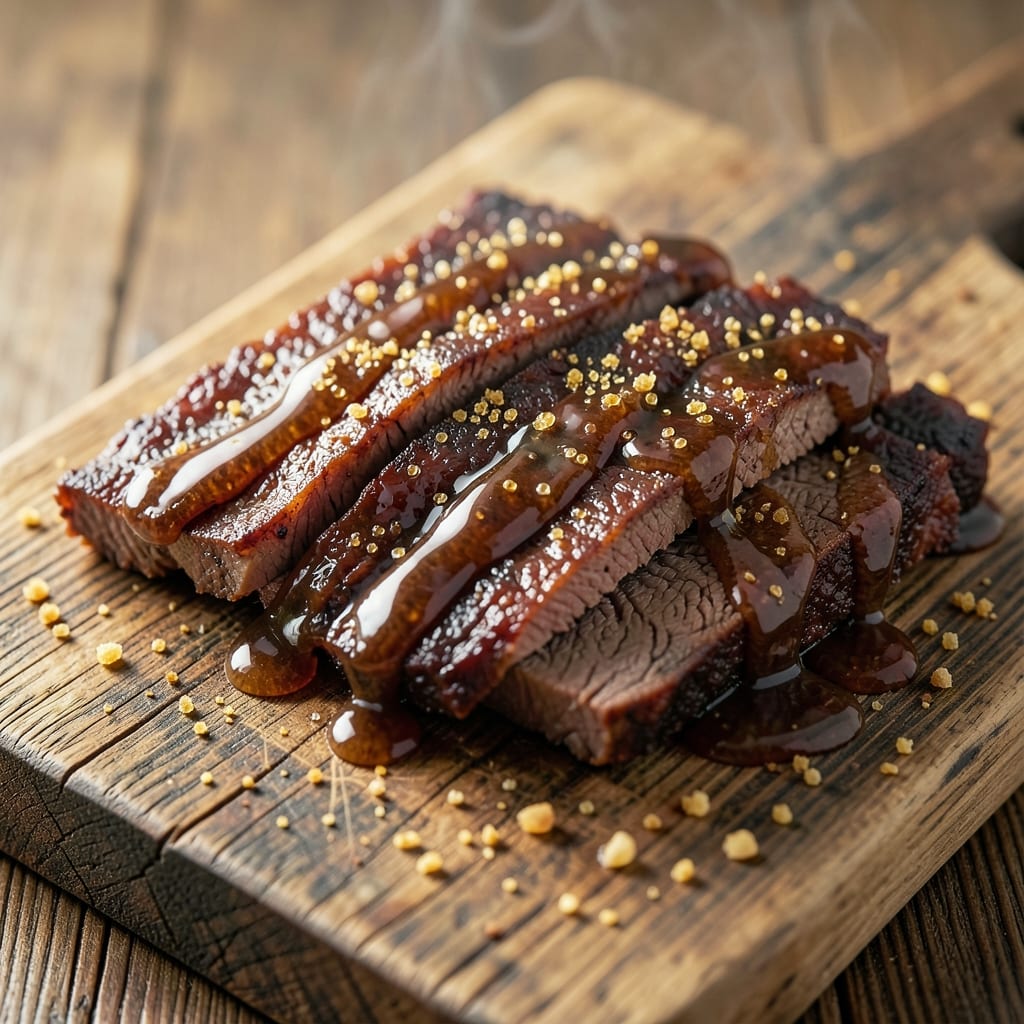
This amazing beef jerky recipe turns tough cuts of beef into tender, smoky-sweet chews that disappear faster than you can say "snack attack." 🔥 The secret? A simple marinade that works in any kitchen—no fancy equipment required. I've perfected this method after years of trial and error (and a few too many burnt attempts in my dehydrator), and now it's foolproof for beginners and jerky veterans alike.
What makes this recipe special is the balance of bold flavors and hands-off drying. You'll start with a 4-hour process that includes marinating, slicing, and drying—all while you handle other tasks. The marinade blends sweet, smoky, and savory elements to create jerky with deep flavor, not just salt. Plus, I'll show you how to adapt it for teriyaki, spicy, or even honey-garlic profiles with just a few tweaks.
By the end, you'll have restaurant-quality jerky that's crispy on the outside and tender inside, with a shelf life that lasts for weeks. The best part? No more soggy batches or bland results—this method guarantees chewy perfection every time. Whether you're stocking up for camping trips or just craving a protein-packed snack, this recipe delivers.
We'll cover all the equipment options (dehydrator, oven, or even a smoker) and safety tips to ensure your jerky stays delicious and safe to eat. Let's get started!
Ingredients for amazing beef jerky
Four hours to restaurant-quality jerky—just these 12 ingredients and a little patience.
| Ingredient | Amount | Notes |
|---|---|---|
| Beef Top Round Roast 🥩 | 2 lb | Tough cut, trimmed of fat |
| Brown Sugar 🍯 | ½ cup | Light or dark variety |
| Worcestershire Sauce 🍶 | ¼ cup | High-quality brand preferred |
| Liquid Smoke 🔥 | 1 tbsp | For authentic smoky flavor |
| Garlic Powder 🧄 | 2 tsp | Freshly ground preferred |
| Onion Powder 🧅 | 2 tsp | For depth of flavor |
| Black Pepper 🌶️ | 1 tsp | Freshly cracked preferred |
| Ground Cayenne Pepper 🔥 | ½ tsp | Adjust for heat preference |
| Salt 🧂 | 2 tbsp | Kosher or sea salt |
| Apple Cider Vinegar 🍏 | ¼ cup | For tenderizing |
| Olive Oil 🫒 | 2 tbsp | For even coating |
| Honey 🍯 | 2 tbsp | For sweetness balance |
The beef is everything here. Top round roast is the gold standard—lean but flavorful, and it slices beautifully. Costco sells it pre-cut in huge slabs, which is a game-changer for jerky-making. If you're buying a whole roast, ask your butcher to slice it against the grain for maximum tenderness. Look for beef with good marbling (just a little fat), but trim off any thick fat caps—you want the leanest meat possible for that perfect chew. Pro tip: freeze the beef for 30 minutes before slicing—it makes the strips hold their shape better during drying.
No liquid smoke? Smoked paprika at double the amount works in a pinch, but it won't be as intense. Worcestershire sauce can be tricky—some brands are sweeter than others. Lea & Perrins is my go-to, but any good-quality one will do. The honey adds that caramelized sweetness when dried, but if you're avoiding sugar, maple syrup works 1:1. For the vinegar, apple cider gives the best flavor, but white vinegar is fine if that's what you've got. And if you're worried about the cayenne being too spicy, start with just a pinch and adjust after tasting the marinade.
This marinade keeps for up to 2 weeks in the fridge, so make extra—it's perfect for grilling or as a meat tenderizer. The beef strips can be prepped ahead too: slice them, bag them with parchment paper between layers, and store for up to 3 days before drying. Once dried, your jerky will last 2-3 weeks at room temperature or 6 months in the freezer. I like to portion it into snack-sized bags so I can grab just what I need without opening the whole container. And if you're feeling fancy, vacuum-seal it for even longer shelf life.
Why You'll Love This Recipe
- I’ll be real: this jerky disappears fast. Keep it in the fridge for quick lunches, toss it in backpacks for hikes, or serve it at parties—everyone grabs a handful. It’s the kind of snack that doesn’t feel like a snack, you know?
- Five-Ingredient Magic: Honestly, you’re looking at the shortest ingredient list I’ve ever used for something this addictive. Top round roast gets sliced thin, tossed in brown sugar, Worcestershire, liquid smoke, and garlic powder—then it’s done. No fancy equipment, no stress, just pure flavor assembly.
- Smoky-Sweet Obsession: That liquid smoke and brown sugar combo? It’s like a campfire memory in every bite. The garlic powder adds this warm, savory punch that makes it taste like you spent hours marinating—when really, it’s just 10 minutes of mixing.
- Snack Attack Ready: I’ll be real: this jerky disappears fast. Keep it in the fridge for quick lunches, toss it in backpacks for hikes, or serve it at parties—everyone grabs a handful. It’s the kind of snack that doesn’t feel like a snack, you know?
Step-by-step instructions for smoky-sweet beef jerky
Here's how to transform tough beef into restaurant-quality jerky with minimal effort.
🔪 Step 1: Prep and Slice the Beef Perfectly
First, trim any remaining fat from the 2 lb Beef Top Round Roast using a sharp boning knife. You want clean, lean meat for the best texture. Place the roast in the freezer for 20-30 minutes to firm up—this makes slicing much easier and gives you thinner, more uniform strips.
When the beef is firm, slice it against the grain into ¼-inch thick strips. You should end up with about 16-20 strips total. For even cooking, try to keep all strips roughly the same thickness. If you see any particularly thin or thick pieces, adjust your slicing angle to maintain consistency.
👨🍳 Step 2: Create the Signature Marinade
In a large bowl, whisk together the 0.5 cup Brown Sugar, 0.25 cup Worcestershire Sauce, 1 tbsp Liquid Smoke, 2 tbsp Salt, 2 tbsp Honey, 0.25 cup Apple Cider Vinegar, 2 tbsp Olive Oil, 2 tsp Garlic Powder, 2 tsp Onion Powder, 1 tsp Black Pepper, and 0.5 tsp Ground Cayenne Pepper until the brown sugar dissolves completely. This marinade is the secret to that perfect balance of smoky, sweet, and tangy flavors.
Add the beef strips to the marinade and turn them to coat evenly. Cover the bowl and refrigerate for at least 4 hours (overnight is even better). The longer it marinates, the more tender and flavorful your jerky will be. I like to let mine marinate overnight so the flavors really penetrate the meat.
🔥 Step 3: Dry the Jerky Properly (No Dehydrator Needed)
Preheat your oven to 175°F—this low temperature is crucial for slow, even drying without cooking the meat. Line two baking sheets with parchment paper and arrange the marinated beef strips in a single layer, leaving about ½ inch between each piece. This spacing ensures even airflow and prevents sticking.
Bake for 3-4 hours, flipping the strips every 1 hour to ensure even drying. You'll know they're ready when the jerky is dry to the touch, slightly leathery, and no longer sticky. The edges should be deep brown but not burnt. If you're unsure, let them cook a little longer—they'll keep drying as they cool.
⏰ Step 4: Cool and Store for Maximum Freshness
Remove the jerky from the oven and let it cool completely on a wire rack. This cooling step is important—it allows the jerky to firm up and prevents condensation from forming in your storage container. Once fully cooled, transfer the jerky to an airtight container or resealable bag.
The jerky will continue to dry out slightly as it cools, so don't be surprised if it feels a bit firmer than when you took it out of the oven. Store in the refrigerator for up to 2 weeks or freeze for up to 3 months. The flavors actually improve as it sits, developing a deeper smoky-sweet profile over time.
Pro Tips For Making Amazing Beef Jerky
- Trim Thin, Not Thinly: The Top Round’s fat marbling is your friend—slice against the grain but leave it ¼-inch thick max. I used to fight the knife for paper-thin strips, and they’d dry out before the dehydrator finished. This thickness guarantees chewy perfection without gummy centers. ---
- Brown Sugar First: Mix the brown sugar into the Worcestershire before adding liquid smoke—it dissolves better and caramelizes slightly when you brush it on. I learned this after my first batch tasted like sugar had just sat on top. A quick 30-second stir makes all the difference. ---
- Skip the Crowding: Load your dehydrator trays single-layer only, even if it means two batches. I crammed mine once, and the edges stayed damp while the middle overcooked. Space matters more than speed—patience here means no rubbery jerky. ---
- Test the Smoke: Add liquid smoke gradually, tasting as you go—start with ½ teaspoon per cup of marinade. Too much turns your jerky into a campfire aftertaste. I ruined a batch with 2 teaspoons; now I taste-test and adjust. (Your nose knows.)
Health benefits of this dish
Protein Powerhouse
This jerky delivers a serious protein punch—about 30 grams per 2-ounce serving. That's more than a large egg and nearly half your daily protein needs in one snack-sized portion. The lean beef used here ensures you get all that protein without the saturated fat found in fattier cuts. 💪 Perfect for post-workout recovery or as a meal replacement when you're on the go.
Low-Carb Energy
With virtually no carbs, this jerky is ideal for keto, low-carb, or paleo diets. A 2-ounce serving contains only about 1 gram of carbs, making it a great option when you need to keep your carb intake in check. The natural sugars from the honey and brown sugar are minimal compared to store-bought versions that often contain added sugars.
Rich in Iron
Beef is one of the best sources of heme iron, which your body absorbs more efficiently than plant-based iron. A serving of this jerky provides around 20% of your daily iron needs, helping prevent fatigue and supporting your immune system. The apple cider vinegar in the marinade also aids in iron absorption—just another reason this snack is packed with benefits.
Antioxidant Boost
The combination of liquid smoke, black pepper, and garlic powder in the marinade provides antioxidants that combat oxidative stress. Black pepper contains piperine, which has been shown to increase nutrient absorption, while garlic powder adds sulfur compounds that support heart health. Even the apple cider vinegar contributes beneficial polyphenols.
Long-Lasting Nutrition
Unlike fresh meat, properly dried jerky retains its nutritional value for weeks. The low-moisture environment prevents bacterial growth, so you're getting all the protein, iron, and other nutrients without worrying about spoilage. Store it in an airtight container, and you'll have a shelf-stable protein source ready whenever you need it—whether that's for hiking trips or busy weeknights.
Sodium Considerations
While this recipe includes salt for flavor and preservation, it's worth noting that a 2-ounce serving contains about 1,200mg of sodium—nearly half the daily recommended limit. If you're watching your sodium intake, consider reducing the salt by ½ teaspoon or using a low-sodium Worcestershire sauce. The flavors will still shine, just with a little less punch. 🧂
Nutrition facts
Frequently asked questions
Can I use a different cut of beef for this recipe?
Yes, but top round roast is ideal because it's lean and slices well. You can also try sirloin tip or flank steak, but avoid fatty cuts like ribeye—the extra fat makes drying difficult. For best results, stick with cuts that are at least 70% lean and slice against the grain for tenderness.
What if I don't have a dehydrator or oven?
No problem! You can use a smoker set to 165°F for 3-4 hours with indirect heat. For a no-equipment option, try the "sun-drying" method: hang strips on a clean line in a dry, 70°F+ environment (like a covered porch) for 2-3 days, flipping every 12 hours. Just monitor for pests!
How do I know when the jerky is fully dried?
Fully dried jerky should be leathery but not brittle, with no moisture when you touch it. The edges should be deep brown, and it should snap slightly when bent (like a dry piece of leather). If it feels sticky or damp, dry it 1-2 more hours. Over-drying won't hurt—just make it firmer.
Can I make this recipe spicier or sweeter?
For extra heat, add 1-2 tsp cayenne or ½ tsp red pepper flakes to the marinade. For more sweetness, increase honey to 3 tbsp or add 1 tbsp maple syrup. Want smokier flavor? Add ½ tsp smoked paprika or an extra ½ tbsp liquid smoke. Adjust to taste!
Why did my jerky turn out rubbery?
Rubbery jerky usually means it was over-dried or the beef wasn't sliced thin enough (¼-inch max). Always check doneness by touch—it should be dry but still flexible. If using an oven, ensure it's set to 175°F (not higher) and don't skip the 4-hour marinade. For extra tenderness, marinate overnight!