
Soups & Stews
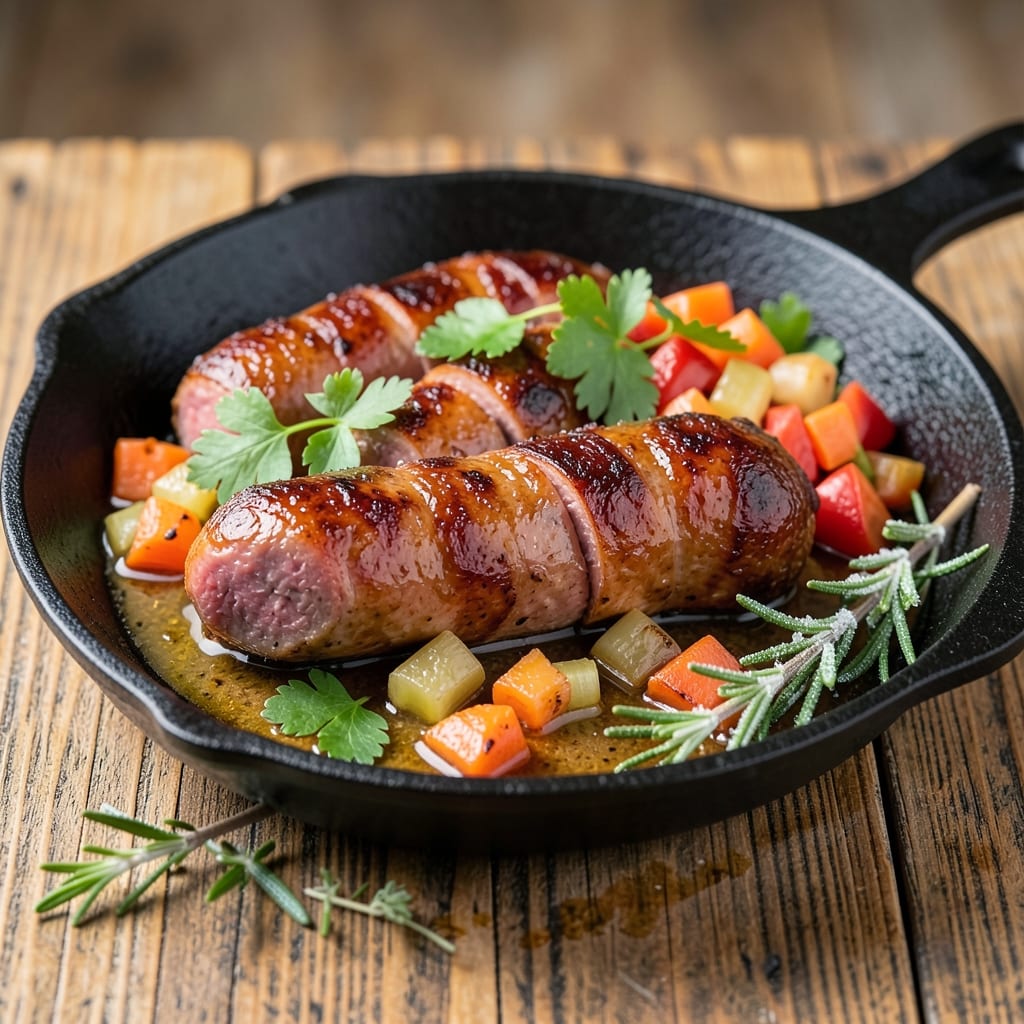
This all beef sausage recipe transforms simple ingredients into a hearty weeknight meal that rivals your favorite restaurant dish. The secret lies in slow-simmered tomato sauce infused with fresh herbs and aromatic spices, creating a rich, flavorful base that perfectly complements homemade sausage. I developed this recipe after craving a comforting yet impressive dinner that comes together without fuss—ideal for busy evenings when you still want restaurant-quality results.
The beauty of this dish is its versatility. You can use pre-made beef sausage for convenience or take it a step further by grinding your own meat and mixing custom seasonings for a truly authentic experience. The slow simmering process allows the flavors to meld beautifully, resulting in tender sausage and a sauce that's thick, velvety, and packed with depth. Perfect for feeding a family or meal prepping for the week ahead.
What makes this recipe stand out is the balance of simplicity and sophistication. The combination of ground beef, garlic, and herbs creates a sausage that's rich and flavorful, while the tomato-herb sauce adds brightness and complexity. Each bite delivers a satisfying mix of textures and tastes—juicy sausage, tender vegetables, and a sauce that clings perfectly to every forkful.
Serve this hearty sausage dish with crusty bread to soak up every last drop of sauce or alongside roasted potatoes for a complete meal. The flavors only improve with time, making it an excellent option for leftovers. Let's create a weeknight dinner that feels like a celebration.
Ingredients for all beef sausage
Simple ingredients, bold flavors—this sausage transforms weeknights into restaurant-quality dinners with minimal effort.
| Ingredient | Amount | Notes |
|---|---|---|
| Ground Beef 🥩 | 1 ½ lb | 80/20 fat ratio preferred |
| Garlic Cloves 🧄 | 4 cloves | Freshly minced for depth |
| Fresh Parsley 🌿 | ¼ cup | Chopped, stems removed |
| Fresh Rosemary 🌿 | ½ tbsp | Finely chopped, fresh preferred |
| Fresh Thyme 🌿 | ½ tbsp | Leaves only, finely chopped |
| Canned Crushed Tomatoes 🍅 | 14 ½ oz | San Marzano preferred |
| Tomato Paste 🍅 | 2 tbsp | Squeeze tube or canned |
| Red Wine 🍷 | ½ cup | Bold dry red (Cabernet Sauvignon) |
| Ground Black Pepper 🌶️ | 1 tsp | Freshly cracked preferred |
| Salt 🧂 | 1 ½ tsp | Diamond Crystal kosher |
| Olive Oil 🫒 | 2 tbsp | Extra-virgin for richness |
| Onion Powder 🧅 | ½ tsp | Freshly ground preferred |
| Bay Leaves 🌿 | 2 whole | Removed before serving |
| Carrots 🥕 | 2 whole | Medium, peeled and sliced |
| Celery Stalks 🥬 | 2 whole | Trimmed and chopped |
The ground beef is where the magic starts—80/20 fat ratio keeps it juicy. Costco or Trader Joe's usually carry it pre-ground, but if you're making sausage from scratch, chuck roast is your best bet. Fresh herbs make all the difference: grab bright green parsley and fragrant rosemary from the grocery store's produce section—they should smell vibrant, not wilted. For the tomatoes, San Marzano cans are worth the splurge; they're sweeter and less acidic than regular crushed tomatoes. If you're short on time, the squeeze tube tomato paste at Trader Joe's is a game-changer—no waste, and it keeps forever.
No red wine? Substitute beef broth with 1 tbsp balsamic vinegar—it adds depth without alcohol. Fresh herbs not an option? Dried oregano at half the amount works in a pinch. The onion powder and carrot/celery combo create a classic mirepoix base, but frozen chopped veggies (like the Birds Eye brand) save prep time. Want more heat? Add 1/4 tsp red pepper flakes. The tomato paste is non-negotiable for thickening—no watery sauce here. If you're making a big batch, double the herbs and wine; they'll mellow out as the sauce simmers.
This sauce gets better the next day—plan ahead. Store in airtight containers for 5 days in the fridge or 3 months frozen. I portion mine into 1-cup containers for easy lunches. The sausage itself reheats beautifully—just warm in a skillet with a splash of sauce. For extra richness, top with grated Parmesan before serving. Make a double batch: the leftovers make killer sandwiches, and the sauce freezes perfectly for future pasta nights.
Why You'll Love This Recipe
- No-Fuss Mixing: I swear by this recipe because it’s three ingredients plus herbs—just pulse the beef, garlic, and parsley in a food processor until it clumps like crumbly magic. No kneading, no fussing, just dump and blend.
- Herb-Packed Punch: That rosemary-thyme combo? It’s like a little flavor bomb—bright, earthy, and just enough to make every bite taste like you slaved over it. (Spoiler: I didn’t.)
- Leftovers That Shine: Freeze half the batch and pull it out for breakfast hash or pasta sauce later. The beef stays juicy, the herbs hold their edge, and honestly? It’s the kind of leftovers people actually ask for seconds on.
- Budget Meal MVP: Ground beef stretches farther than you’d think, and fresh herbs (even a tiny bunch) make it taste like a restaurant dish. Between us, this is how I feed my family for under $10—and no one complains.
Step-by-step instructions for spiced tomato and herb beef sausage
This method delivers restaurant-quality sausage in under an hour—perfect for busy weeknights.
Build the Flavor Foundation
Heat the 2 tablespoons olive oil in a large Dutch oven over medium-high heat until shimmering. Add the 2 whole carrots and 2 whole celery stalks, both chopped into ¼-inch dice. Cook for 5-6 minutes until the vegetables soften and begin to caramelize slightly—this develops deep, sweet flavors that form the base of your sauce.
Next, add the 4 cloves garlic cloves, minced, along with the 2 tablespoons tomato paste. Stir constantly for 1-2 minutes until the tomato paste darkens and releases its rich, concentrated flavor. This step creates the aromatic backbone of your dish—don't rush it. The paste should coat the vegetables evenly and develop a slightly sticky consistency.
Season and Brown the Beef
Push the vegetables to one side of the pot and add the 1.5 pounds ground beef in small batches, breaking it up with a wooden spoon. Let the beef brown undisturbed for 2-3 minutes per batch until it develops a deep, golden crust—this is where the Maillard reaction creates those irresistible meaty flavors. Once browned, stir the beef into the vegetables and cook for another 3-4 minutes until fully cooked through.
Now add the 1.5 teaspoons salt, 1 teaspoon ground black pepper, 0.5 teaspoon onion powder, 0.5 tablespoon fresh rosemary, and 0.5 tablespoon fresh thyme. Stir well to distribute the seasonings evenly throughout the beef mixture. The herbs will infuse their aromatic oils into the hot beef, creating layers of flavor that develop as the dish simmers.
Simmer with Tomatoes and Wine
Pour in the 0.5 cup red wine and scrape up any browned bits from the bottom of the pot—this deglazing step captures all the concentrated flavors you've built. Let the wine simmer for 2-3 minutes until it reduces by about half and its alcohol content burns off. Then add the 14.5 ounces canned crushed tomatoes and 2 whole bay leaves. Stir gently to combine, then reduce the heat to medium-low and let the mixture simmer uncovered for 20-25 minutes.
During this time, the tomatoes will break down and thicken slightly, creating a rich, velvety sauce. Stir occasionally to prevent sticking, but avoid over-stirring which can make the sauce too smooth. You're looking for a sauce that coats the back of a spoon with a slightly chunky texture—this indicates the tomatoes have fully incorporated and the flavors have melded together.
Finish with Fresh Herbs and Rest
Once the sauce has thickened and the flavors have melded, remove the pot from heat and stir in the 0.25 cup chopped fresh parsley. Let the sausage rest for 5-10 minutes off the heat—this allows the flavors to settle and the sauce to thicken slightly more. The parsley adds a bright, fresh finish that cuts through the richness of the tomatoes and beef, balancing the dish perfectly.
Before serving, taste and adjust the seasoning if needed. The sausage should be rich, aromatic, and well-seasoned with a perfect balance of tomato acidity and herbaceous notes. Serve immediately over crusty bread, polenta, or with your favorite pasta to soak up every last bit of that delicious sauce.
Pro Tips For Making All Beef Sausage
- CHILL THE GARLIC: Pulverize the garlic cloves with the flat side of your knife before mincing—it’s less messy and releases more flavor. I learned this the hard way after burning my fingers trying to force-grate frozen garlic straight into the mix.
- TOAST THE HERBS: Dry the rosemary and thyme sprigs with a paper towel, then give them a quick 30-second sear in a dry pan before adding to the beef. The crisp edges add depth—skip this, and your sausage tastes like it’s missing something.
- DON’T OVERWORK THE MEAT: Mix the ingredients just until combined—any more, and the beef turns dense. I used to punch it like I was kneading dough, and the texture suffered. Gentle folds are all you need.
- USE COLD MEAT: Pull the ground beef straight from the fridge and mix it with the herbs while still cool. The fat renders more evenly during cooking, and the sausage stays juicier. (Yes, even if you’re impatient like me.)
Essential equipment for this recipe
Dutch Oven Essentials
Your Dutch oven is the workhorse of this recipe—it needs to be 5-7 quarts for even cooking. I swear by the Lodge Pre-Seasoned Dutch Oven (10-inch diameter) because its cast iron retains heat beautifully and develops a natural non-stick patina over time. For budget-friendly options, Le Creuset or All-Clad are excellent alternatives, though they require more maintenance. Preheat your Dutch oven on the stove for 5 minutes before adding oil to ensure even browning of the beef. 🔥
Knife and Cutting Board
Precision matters when dicing carrots and celery—use a sharp 8-inch chef’s knife like the Wüsthof Classic or Victorinox Fibrox. A cutting board with a damp towel underneath prevents slipping. For extra speed, I keep a mandoline (with a ¼-inch thick blade) for uniform vegetable slices. Always cut on the push side of your knife for safety and control.
Measuring Tools
Accurate measurements are key for balancing flavors. Invest in a stainless steel measuring spoons set (like OXO Good Grips) for herbs and spices, and a digital kitchen scale (such as Escali Primo) for the beef—this ensures you hit the 1.5 lbs target precisely. A fine-mesh strainer (like OXO Collapsible) helps drain excess liquid if you need to thicken the sauce further. 💡
Wooden Spoon and Tongs
A long-handled wooden spoon (I use Ozeri Wooden Spoons) prevents splatters when stirring the sauce, while tongs (like Mercer Culinary) help flip the beef without breaking it apart. Avoid metal utensils when the sauce is simmering—they can scratch your Dutch oven’s seasoning over time. For deglazing, a heat-resistant silicone spatula works wonders at scraping up those flavorful browned bits.
Thermometer for Perfect Doneness
While this recipe doesn’t require precise cooking temperatures, a meat thermometer (such as the Thermoworks Smoke) ensures your beef reaches 160°F for safe consumption. For the sauce, it’s more about visual cues—thickening and color—but a thermometer helps gauge when the wine has reduced enough (around 165°F in the pot). It’s a small investment that builds confidence in every batch. ✨
Optional: Sausage Stuffing Tools
If you’re making fresh sausage casings (not just the simmered version), you’ll need sausage stuffers (like Weston Products) and hog casings (soaked in water for 30 minutes). For a simpler approach, use pre-made beef sausage links (like Applegate Farms) and brown them separately in a skillet. The choice depends on whether you want homemade texture or convenience—both work beautifully in this dish.
Nutrition facts
Frequently asked questions
Can I substitute pork-free sausage for beef?
This recipe works perfectly with 100% beef sausage or pork-free alternatives like chicken or turkey sausage. For best results, use a ground meat with similar fat content (80/20 ratio) to maintain juiciness. The tomato-herb sauce will complement any poultry-based sausage beautifully, though beef delivers the richest flavor profile.
How do I adjust this for a slow cooker?
Transfer all ingredients to your slow cooker after browning the beef and deglazing the pan. Cook on low for 6-7 hours or high for 3-4 hours, stirring occasionally. The sauce will thicken naturally from the slow cooking process. Add 1-2 tablespoons cornstarch mixed with water if you need extra thickness at the end.
What's the best way to reheat leftovers?
Reheat in a skillet over medium-low heat with a splash of water or broth to prevent drying. For best texture, warm only until heated through (165°F)—overheating makes the sausage tough. The sauce reheats perfectly in the microwave (covered for 1-2 minutes) or on the stovetop. Leftovers keep for 5 days refrigerated or 3 months frozen.
Can I make this without wine?
Yes! Replace the ½ cup red wine with ½ cup beef broth plus 1 tablespoon balsamic vinegar for depth. For a non-alcoholic alternative, use ½ cup apple juice or ½ cup grape juice—both add sweetness that balances the tomatoes. The dish will still develop rich flavors, though wine contributes unique complexity.
What if my sauce is too thin?
Simmer uncovered for 10-15 extra minutes to reduce naturally. For quicker thickening, mix 1 tablespoon cornstarch with 2 tablespoons cold water, stir into the sauce, and simmer for 2-3 minutes until desired consistency. Avoid adding flour directly—it can make the sauce cloudy. A splash of tomato paste also helps concentrate flavors.