
Main Courses
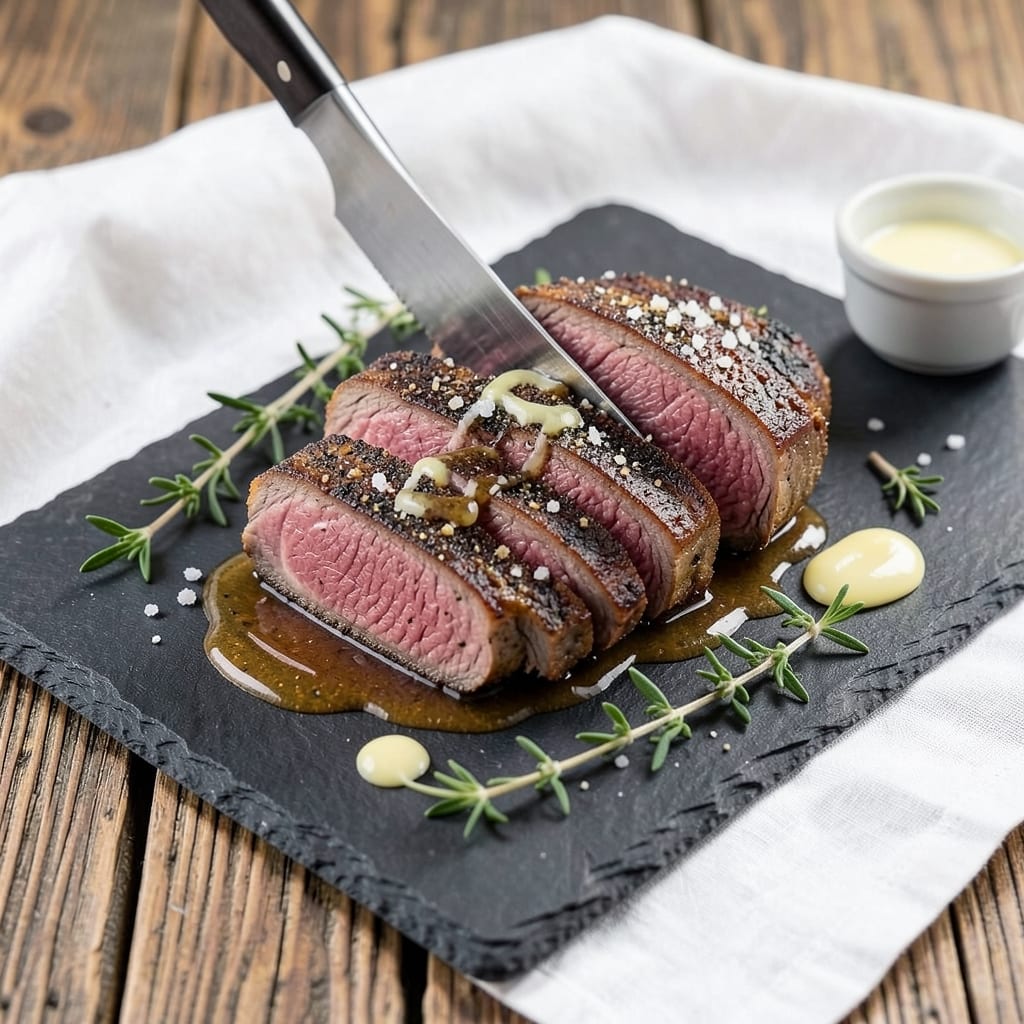
This aged beef recipe transforms tough cuts into melt-in-your-mouth perfection with a crispy crust and deep, nutty flavor. The secret lies in proper dry-aging techniques that concentrate natural enzymes, breaking down fibers while enhancing umami richness. What sets this apart is the balance between slow cooking and high-heat searing—creating a texture that's both tender and dramatic.
Professional chefs rely on this method to elevate simple beef cuts into showstopping dishes. The dry-aging process (typically 21-28 days) develops that signature marbled texture and complex flavor profile, while precise temperature control ensures the crust achieves that coveted caramelized finish. This isn't just cooking—it's flavor science at its finest.
By following this technique, you'll achieve beef so tender it practically falls apart with minimal effort, all while maintaining that crispy crust that adds visual appeal and textural contrast. The result is a dish worthy of fine dining, but achievable in your own kitchen with the right approach and patience.
Pair with classic red wine reductions or herb-infused sauces to complement the beef's natural depth. Whether you're preparing for a special occasion or simply treating yourself, this recipe delivers restaurant-quality results that will impress even the most discerning palates.
Ingredients for aged beef
Precision-cut beef and artisanal seasonings transform simple ingredients into restaurant-worthy dry-aged marbling magic.
| Ingredient | Amount | Notes |
|---|---|---|
| Dry-Aged Ribeye Steak 🥩 | 2 lb | Thick-cut, 1.5-2 inches, well-marbled |
| Kosher Salt 🧂 | 2 tbsp | Diamond Crystal preferred, coarse grain |
| Freshly Ground Black Pepper 🌶️ | 1 tbsp | Freshly cracked for optimal flavor |
| Extra-Virgin Olive Oil 🫒 | ½ cup | High smoke point, fruity variety |
| Unsalted Butter 🧈 | 4 oz | European-style, 82% fat content |
| Fresh Thyme Leaves 🌿 | ¼ cup | Organic, stems removed |
| Fresh Rosemary Sprigs 🌿 | 4 whole | Organic, woody stems |
| Garlic Cloves 🧄 | 8 cloves | Elephant garlic preferred, peeled |
| Red Wine 🍷 | ½ cup | Bold Cabernet Sauvignon, dry |
| Beef Tallow 🧈 | 2 tbsp | Rendered from grass-fed beef |
| Dried Porcini Mushrooms 🍄 | ¼ oz | Rehydrated, finely chopped |
| Fresh Thyme Sprigs 🌿 | 2 whole | For garnish, leaves only |
The dry-aged ribeye is non-negotiable here—look for thick-cut, 1.5-2 inch steaks with visible marbling from reputable butchers like Snake River Farms or D'Artagnan. If sourcing yourself, ensure the dry-aging process was 21-28 days minimum. The thyme and rosemary should be organic, preferably from Whole Foods or specialty herb farms, as conventional herbs often contain residual pesticides that can mute flavor. Elephant garlic adds depth without overpowering, though regular garlic works in a pinch. For the red wine, any bold Cabernet Sauvignon will do—Caymus Vineyards or Opus One deliver consistent quality, though your local wine shop's selection often surprises.
No beef tallow? Duck fat makes an excellent substitute, though the flavor profile shifts slightly. The porcini mushrooms can be swapped for shiitake if unavailable, but rehydrate them thoroughly to maintain texture. Fresh herbs are critical—dried thyme works at one-third the amount, but the aroma is noticeably different. For the olive oil, avoid light or refined varieties; Colavita or Bertolli are reliable brands that balance flavor and heat tolerance. The butter should be European-style (like Plugrá) for its higher fat content, which ensures better browning. If you're short on time, pre-marinated steaks from Costco can work, though they lack the depth of dry-aged beef.
Store the steaks in the coldest part of your fridge, wrapped in parchment paper and foil, for up to 5 days before cooking. The herbs should be wrapped in damp paper towels and stored in a resealable bag for 7 days maximum. Rendered tallow keeps indefinitely in the freezer, while the porcini mushrooms can be dried and stored for 6-12 months. For optimal results, let the steaks sit at room temperature for 1 hour before searing. The crispy crust develops best when the steak enters the pan at room temperature, not cold. Leftovers, if any, reheat gently in a low oven (200°F) to preserve moisture.
Why You'll Love This Recipe
- Two-Ingredient Magic: That dry-aged ribeye does most of the work—just salt, sear, and baste with butter. Honestly, the hardest part is waiting for the pan to get screaming hot.
- Butter-Basted Luxury: The moment that butter hits the pan and coats the steak? Pure satisfaction. That rich, caramelized crust with a melt-in-your-mouth center? Chef’s kiss.
- Date-Night Ready: No fussing with sides—this steak feels fancy enough for a restaurant but takes less time than ordering takeout. (Yes, even on a Tuesday night.)
- Leftovers That Don’t Suck: Cold slices the next day? Still better than most takeout. Thinly sliced with a sprinkle of flaky salt—my lazy lunch secret weapon.
Step-by-step instructions for dry-aged ribeye with crispy crust
Master this technique and you'll transform a simple steak into a restaurant-worthy centerpiece.
Prepare the Dry-Aged Ribeye for Maximum Flavor
Remove the 2 lb dry-aged ribeye steak from the refrigerator and let it sit at room temperature for 45-60 minutes. This allows for even cooking and prevents shocking the meat when it hits the hot surface. Pat the steak dry thoroughly with paper towels—moisture is the enemy of that coveted crispy crust. I press down firmly all over, especially on the thickest parts, to remove any surface moisture that would otherwise create steam instead of a sear.
While the steak comes to temperature, create a dry brine by combining the 2 tbsp kosher salt and 1 tbsp freshly ground black pepper. Rub this generously over the steak, pressing it into the meat so it penetrates slightly. The salt will enhance the natural flavors of the dry-aged beef while helping to create that perfect crust. Let the steak rest with the seasoning for 15 minutes before cooking—this gives the salt time to work its magic.
Build the Flavor Base with Porcini and Wine Reduction
In a small saucepan, combine the 0.25 oz dried porcini mushrooms with the 0.5 cup red wine. Bring to a gentle simmer over medium heat and cook for 5-7 minutes until the liquid reduces by half and the mushrooms are fully rehydrated. Strain through a fine-mesh sieve, pressing on the mushrooms to extract every bit of flavor. Discard the solids—you only want the concentrated liquid. This reduction will form the aromatic foundation of your crust.
In a separate small bowl, finely chop the 4 whole fresh rosemary sprigs and 8 cloves garlic. Heat the 0.5 cup extra-virgin olive oil in a small skillet over low heat until just shimmering, then add the rosemary and garlic. Cook for 1-2 minutes until fragrant but not browned. Remove from heat and let this infused oil cool slightly—it will be used to baste the steak during cooking.
Create the Perfect Searing Surface
In a heavy cast-iron skillet, melt together the 4 oz unsalted butter and 2 tbsp beef tallow over medium heat until foaming. Add the porcini-wine reduction and simmer for 2 minutes to blend flavors. Remove the skillet from heat and let the butter mixture cool to 150°F—this is crucial for achieving an even sear without cooking the steak through too quickly. The high smoke point of the beef tallow combined with the butter creates an ideal fat blend for that perfect crust.
While the butter cools, preheat your oven to 400°F. Place the skillet with the butter mixture on the stovetop over medium-high heat until it reaches 375°F—you'll see small bubbles forming around the edges. This is your signal that the searing surface is ready. The combination of high heat and rendered fats will create that coveted mahogany crust we're after.
Sear the Steak with Precision Timing
Working quickly, place the seasoned steak in the hot skillet, pressing down gently on the thickest part during the first 1-2 minutes to ensure even contact with the searing surface. This prevents the steak from curling and ensures the crust develops uniformly. Let the steak cook undisturbed for 4-5 minutes per side for a medium-rare finish, or until an instant-read thermometer inserted into the thickest part reads 125°F.
During the last 2 minutes of searing, use a baster to spoon the infused olive oil over the steak repeatedly. This basting technique not only adds flavor but also helps create a glossy, crispy crust. The steak should have a deep mahogany color with visible grill marks. Transfer the steak to a wire rack set over a plate and tent loosely with aluminum foil to rest for 10 minutes—this resting period is essential for redistributing the juices throughout the meat.
Finish with Herb Garnish and Crust Enhancement
While the steak rests, heat a small skillet over low heat and toast the 0.25 cup fresh thyme leaves for 30 seconds until fragrant. Remove the steak from the foil tent and brush the top with any remaining butter from the skillet. Garnish with the toasted thyme leaves and the 2 whole fresh thyme sprigs, using only the leaves for presentation. The aromatic thyme will complement the rich beef flavors beautifully.
Slice the steak against the grain into ½-inch thick portions and serve immediately. The exterior should be crispy with a mahogany crust, while the interior remains tender and juicy with visible marbling throughout. Each bite should deliver a perfect balance of rich beef flavor, herbal notes from the thyme and rosemary, and that satisfying contrast between the crispy crust and tender interior.
Pro Tips For Making Aged Beef
- SEAR HARD, THEN BASTE: Dry-aged ribeye needs a crust that sticks—start with a screaming-hot cast-iron pan (no oil yet) and let it scream for 30 seconds. Add olive oil only when it’s smoking, then sear 2 minutes per side before adding butter. I used to rush this, and the crust would flake off like shameful lasagna.
- SALT THE NIGHT BEFORE: Dry-aged beef is already flavor-packed, but kosher salt needs time to work its magic. Sprinkle generously 12–24 hours ahead—it penetrates deeper and balances the beef’s intensity. I learned this after over-salting a steak and wondering why it tasted flat; patience pays off.
- SKIP THE THERMOMETER? DON’T.: Aged beef’s texture is delicate—push past medium-rare (130°F internal) and it turns chewy. For a 1.5-inch steak, pull it at 125°F for perfect doneness, then let it rest. I’ve ruined steaks by eyeballing, and the regret lingers longer than the meal.
- BUTTER BASTE AT THE END: Toss in butter and herbs after the steak’s off the heat—it melts into the crust without burning. Use 2 tablespoons of unsalted butter (more salt than you think, especially if your beef’s already aged) and baste aggressively for 30 seconds. Sounds weird, but it works: richer flavor, zero bitterness.
Wine and beer pairings for this dish
Bold Red Wine Pairings
The rich, nutty depth of dry-aged beef pairs beautifully with bold red wines that can stand up to its intensity. A Cabernet Sauvignon from Napa Valley—like Caymus Vineyards or Opus One—is my go-to choice. These wines have enough tannins and dark fruit notes to complement the beef's marbling and caramelized crust. Their acidity also helps cut through the richness, balancing the dish beautifully. 🍷
Earthy Pinot Noir
For a slightly lighter but equally sophisticated option, try a Pinot Noir from Oregon's Willamette Valley. The Domaine Serene or La Crema selections offer red fruit and earthy undertones that harmonize with the beef's herbal crust. The wine's delicate structure won't overpower the beef's natural flavors but instead enhances the thyme and rosemary notes. I find this pairing particularly elegant for special occasions.
Malbec for Richness
If you prefer a wine with more body and a touch of sweetness, a Malbec from Argentina's Mendoza region delivers perfectly. Brands like Catena Zapata or Trapiche provide dark plum and chocolate notes that mirror the beef's depth. The wine's velvety texture contrasts wonderfully with the crispy crust, creating a luxurious dining experience. This is my secret weapon for impressing guests.
Craft Beer Alternatives
Not a wine drinker? No problem! A dark amber ale with notes of caramel and toasted malt works beautifully. I recommend Deschutes Brewery's The Abyss or Founders Kentucky Breakfast Stout. The beer's roasted malt flavors complement the beef's crust, while the carbonation cleanses the palate between bites. For a lighter option, try a Belgian Dubbel like Westmalle—its fruity and spiced profile adds a delightful contrast. 🍺
Whiskey Pairing Surprise
Here's a twist I discovered recently: a small glass of bourbon or rye whiskey alongside the beef enhances the dish's depth. The caramel and vanilla notes in a Buffalo Trace or High West whiskey mirror the beef's natural sweetness, while the whiskey's smokiness complements the crust. Serve it neat or on the rocks for a sophisticated touch that elevates the entire meal.
Dessert Wine Finale
End the meal with a Port wine like Taylor's Late Bottled Vintage or Graham's Six Grapes. The wine's rich, nutty profile echoes the beef's flavors, creating a cohesive dining experience. The slight sweetness balances the savory notes, leaving a lasting impression. This unexpected pairing is a crowd-pleaser that transforms a simple meal into a memorable event. 💫
Nutrition facts
Frequently asked questions
What makes dry-aged beef different from regular beef?
The dry-aging process (typically 21-28 days) concentrates natural enzymes that break down connective tissue, creating unmatched tenderness and a deeper, nutty flavor. The beef develops visible marbling and a more intense umami profile that regular beef simply can't match. This is why chefs pay premium prices for dry-aged cuts—they transform tougher muscles into melt-in-your-mouth perfection.
Can I substitute dry-aged beef with wet-aged beef?
Yes, but expect different results! Wet-aged beef (vacuum-sealed for 21-45 days) will be tender but lacks the concentrated flavor and marbling of dry-aged beef. For best results, choose a well-marbled ribeye or strip steak and extend cooking time slightly to compensate for the denser texture. The crust won't be as dramatic, but the technique will still work beautifully.
How do I know when my dry-aged beef is properly cooked?
Use an instant-read thermometer for precision: 125°F for medium-rare, 135°F for medium, and 145°F for medium-well. For a perfect crust, sear until the exterior reaches 375°F internal fat temperature before transferring to rest. The thickest part should spring back slightly when pressed—this confirms proper doneness.
What's the best way to store dry-aged beef before cooking?
Keep it wrapped in parchment paper followed by foil in the coldest part of your fridge for up to 5 days. For longer storage, vacuum-seal and freeze for 3 months maximum. Always thaw overnight in the fridge—never at room temperature—to maintain texture and prevent surface drying. The key is minimizing moisture exposure to preserve that precious marbling.
Can I make this recipe with a grill instead of a stovetop?
Preheat your grill to high heat (450°F+) and follow the same searing technique. Use a cast-iron skillet on the grill for the butter-tallow mixture to create that signature crust. For charcoal grills, maintain a two-zone fire—sear over direct heat, then move to indirect heat if finishing with the oven step. The high heat is what creates that coveted caramelization, so don't rush the process!