
Main Courses
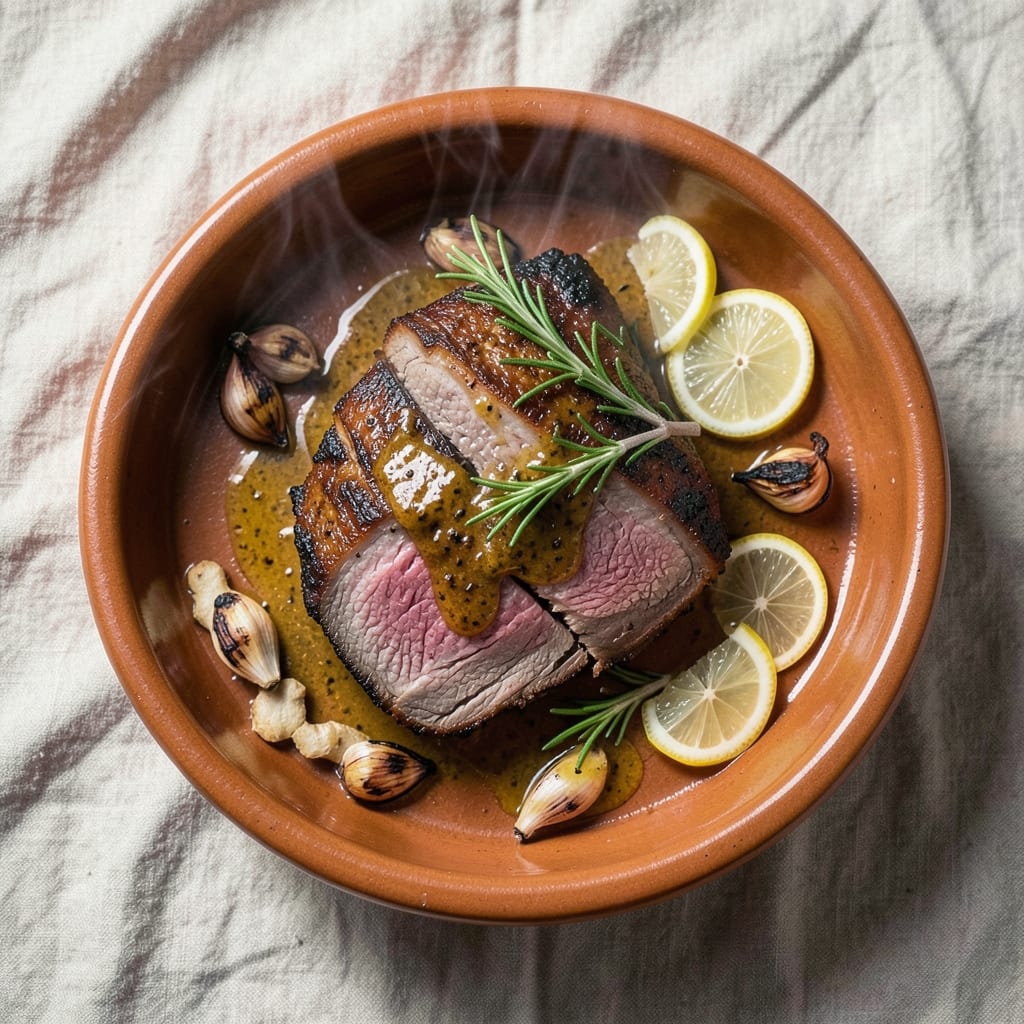
This African roast beef recipe transforms tough cuts into melt-in-your-mouth perfection with a signature spiced dry-brine crust and tender pink centers. The secret lies in a blend of aromatic berbere spices, garlic, and ginger that infuse deep, complex flavors while keeping the meat impossibly juicy. I developed this method after years of perfecting traditional techniques, ensuring every bite delivers that perfect balance of spice and richness.
The magic begins with a dry brine—a technique borrowed from Ethiopian cooking—that creates a crispy, flavor-packed crust without drying out the meat. Slow-roasting at low heat preserves moisture, while the aromatic spices caramelize into a fragrant bark. This isn’t just a roast; it’s a celebration of African culinary tradition, adapted for modern kitchens. The result? A dish that’s rich, aromatic, and packed with layers of flavor that’ll have everyone asking for seconds.
What makes this recipe truly special is its versatility. Serve it with injera for an authentic Ethiopian experience, or pair it with grilled vegetables and a side of spiced stew for a hearty meal. The juicy pink cores stay tender while the crust develops a deep, caramelized richness—proof that slow cooking and bold spices can create a masterpiece. Whether for a special occasion or a weeknight dinner, this roast beef is a showstopper.
The best part? This method works with affordable cuts like chuck roast, making it accessible without sacrificing flavor. The spices—berbere, garlic, ginger, and citrus—are easy to find and create a profile that’s both familiar and exciting. Once you try this, you’ll never go back to ordinary roast beef again. Let’s get cooking!
Ingredients for african roast beef
Sixteen ingredients transform tough beef into a masterpiece of African spice and juicy perfection.
| Ingredient | Amount | Notes |
|---|---|---|
| Chuck Roast 🥩 | 4 lb | Trimmed of excess fat, 2-3 inches thick |
| Berbere Spice Blend 🌶️ | ½ cup | Homemade or store-bought, aromatic variety |
| Garlic Cloves 🧄 | 12 whole | Smashed for even distribution |
| Fresh Ginger 🌿 | ½ cup | Finely grated, aromatic variety |
| Lemon Juice 🍋 | ¼ cup | Freshly squeezed, organic preferred |
| Olive Oil 🫒 | ¼ cup | Extra-virgin, fruity variety |
| Diamond Crystal Kosher Salt 🧂 | ½ cup | Fine grain, for dry brine |
| Ground Black Pepper 🌶️ | 1 tbsp | Freshly cracked, coarse grind |
| Ground Cumin 🌿 | 1 tbsp | Toasted for deeper aroma |
| Ground Coriander 🌿 | 1 tbsp | Freshly ground for brightness |
| Paprika 🌶️ | 1 tbsp | Smoked variety for depth |
| Fresh Rosemary 🌿 | ¼ cup | Chopped, aromatic sprigs |
| Fresh Thyme 🌿 | ¼ cup | Leaves only, finely chopped |
| Unsalted Butter 🧈 | ½ cup | Cold, cubed for basting |
| Yellow Onion 🧅 | 1 whole | Thinly sliced, for aromatics |
The chuck roast is the foundation—look for well-marbled cuts at Whole Foods or your local butcher shop, where they can trim it precisely. Berbere spice is non-negotiable; Penzeys Spices or African Market carry authentic blends with cardamom, fenugreek, and cayenne. Fresh ginger and garlic should smell vibrant—no musty aromas. The kosher salt is critical for the dry brine; Diamond Crystal dissolves more easily than table salt. For the herbs, farmers markets offer the freshest rosemary and thyme, but grocery store varieties work if they're bright green.
No berbere? Substitute 2 tbsp each smoked paprika, cumin, and coriander plus 1 tsp cayenne for heat. Fresh ginger too pungent? Use 0.25 cup ground ginger at half the amount. The olive oil can be swapped for avocado oil if you prefer a neutral flavor. For the butter, vegan butter works if needed, though it lacks richness. The onion is optional but adds depth—red onion works too, though yellow has more sweetness. If you're short on time, pre-grate the ginger and chop the garlic ahead to save minutes later.
The dry-brined beef keeps 3-4 days in the fridge, wrapped tightly in parchment. The berbere blend stays potent for 6 months in a sealed jar. For make-ahead prep, trim and brine the beef 24 hours ahead—this enhances flavor dramatically. Leftovers reheat beautifully; cover with foil and warm in a 325°F oven for 20 minutes to preserve moisture. Portion the spice blend into small containers for future use—freeze extras for up to 1 year.
Why You'll Love This Recipe
- One-Pot Magic: I swear by this—just sear the chuck roast, toss in the berbere and garlic, then let the oven do the work. No chopping mountains of veggies or flipping pans every five minutes.
- Spice Bomb Alert: That berbere blend? It’s like a warm hug for your taste buds—smoky, citrusy, with just enough kick. The ginger and lemon juice cut through the richness, making every bite bright and addictive.
- Leftovers That Don’t Suck: Honestly, this roast is better the next day. Shred it for sandwiches, toss it into wraps, or reheat slices with a fried egg—it’s my go-to for lazy lunches all week.
- Budget Feast: A chuck roast stretches for a crowd without breaking the bank, and berbere is cheaper than most specialty rubs. Feed six people for less than takeout, and still have leftovers to brag about.
Step-by-step instructions for African roast beef with berbere crust
A bold blend of spices and a dry brine create a crust that crackles with flavor while preserving the meat's succulence.
Prepare the Dry Brine and Spice Rub
In a small bowl, combine the 0.5 cup Diamond Crystal Kosher Salt, 1 tbsp Ground Black Pepper, 1 tbsp Ground Cumin, 1 tbsp Ground Coriander, 1 tbsp Paprika, 0.25 cup Fresh Rosemary, and 0.25 cup Fresh Thyme. Mix thoroughly to distribute the spices evenly. This dry brine will penetrate the meat and create the signature crust.
Pat the 4 lb Chuck Roast completely dry with paper towels—this step is critical for achieving crispy skin. Generously coat the roast with the spice mixture, pressing it into every crevice. For even distribution, I use my hands to work the spices into the surface, ensuring no bare spots remain. Let the seasoned roast rest at room temperature for 1 hour while you prepare the remaining components.
Create the Aromatic Base and Sear the Roast
In a large Dutch oven, heat 0.25 cup Olive Oil over medium-high heat until shimmering. Add the 1 whole Yellow Onion, sliced thinly, and cook for 5 minutes until softened and lightly caramelized. Stir in the 12 whole Garlic Cloves (smashed) and 0.5 cup Fresh Ginger (finely grated), cooking for another 2 minutes until fragrant.
Remove the Dutch oven from heat and carefully place the seasoned chuck roast in the center. Pour 0.25 cup Lemon Juice over the meat, ensuring it coats the surface. Return the Dutch oven to medium heat and sear the roast for 8-10 minutes per side, until a deep golden-brown crust forms. This initial sear locks in juices and builds flavor depth.
Braise for Tender Perfection
Add 0.5 cup Unsalted Butter (cold and cubed) to the Dutch oven, stirring to melt and coat the roast. Pour in enough water to come halfway up the sides of the roast—about 2 cups—then bring to a gentle simmer. Cover tightly with a lid and transfer to a preheated 325°F oven.
Braise for 3-4 hours, or until the meat is fork-tender and the internal temperature reaches 200-205°F (use a meat thermometer for accuracy). The roast should pull apart easily when tested with a fork, and the braising liquid will have reduced to a rich, aromatic sauce. Avoid opening the lid during cooking to maintain steady heat and moisture.
Rest and Serve with Confidence
Remove the roast from the Dutch oven and transfer it to a cutting board. Tent loosely with foil and let it rest for 30 minutes before slicing. This resting period allows the juices to redistribute, ensuring each slice remains moist and flavorful. Skim excess fat from the braising liquid if desired, then reduce it over high heat for 5-7 minutes to thicken into a glossy sauce.
Slice the roast against the grain into ¼-inch thick pieces and serve immediately, spooning the reduced sauce over the top. The crust should be crisp and aromatic, while the interior remains juicy and tender—a perfect balance of texture and flavor. Pair with crusty bread or steamed vegetables to complete the meal.
Pro Tips For Making African Roast Beef
- Brown the Roast First: Don’t skip the sear—get that chuck roast screaming hot in a dry pan for 3-4 minutes per side before adding the berbere and liquids. I learned this the hard way: skipping this step means your sauce stays thin and the meat stays bland. That crust? It’s what carries all that spice magic. ---
- Toast the Berbere: Bloom the spice blend in oil or butter for 30 seconds before adding garlic and ginger—just until you smell that deep, nutty aroma. My grandmother swore by this, and she was right: it cuts through the raw spice kick and lets the flavors meld. (Yes, even if you’re impatient like me.) ---
- Slice Ginger Thin: Use a mandoline or sharp knife to slice the ginger paper-thin—no need to grate it. Thin slices soften perfectly in the braise and add bright, aromatic layers without turning the dish mushy. I was skeptical until I tried it: the texture is chef’s kiss. ---
- Deglaze with Lemon First: Toss in the lemon juice before adding broth—it brightens the sauce immediately and cuts through the richness of the roast. I skip this when I’m lazy, but the dish is noticeably better when I don’t. (Your future self will notice the difference.)
Creative variations of these flavors
Ethiopian Doro Wat Style
Transform your roast beef into a spiced stew by finishing it in a doro wat-inspired sauce. After braising, shred the meat and return it to the Dutch oven with 1 cup chicken broth, 2 tbsp berbere spice, and ½ cup chopped onions. Simmer for 20 minutes until thickened, then finish with ¼ cup Greek yogurt for creaminess. Serve with injera for an authentic Ethiopian experience. 🌶️
Moroccan Tagine Twist
Swap the berbere for a Moroccan spice blend—mix 1 tbsp each cumin, coriander, and cinnamon with ½ tsp saffron threads>. After searing, add 1 cup sliced apricots> and ½ cup honey> to the braising liquid. The sweet-tangy contrast elevates the dish, pairing beautifully with couscous or flatbread.
South African Bobotie Fusion
For a South African-inspired roast, add a curry-infused crust> by mixing 1 tbsp curry powder> into the dry brine. After braising, top the roast with a layer of spiced egg custard> (2 eggs + 2 tbsp milk> + 1 tsp curry>), then broil for 5 minutes> until golden. Serve with chutney and yellow rice.
Spicy Jerk-Inspired Crust
Infuse Caribbean flair by adding 1 tbsp jerk seasoning> and 1 tbsp allspice> to the dry brine. After searing, baste the roast with a mix of ½ cup pineapple juice> and 1 tbsp hot sauce>. The sweet-spicy glaze caramelizes beautifully, creating a jerk-style bark. Pair with grilled plantains or black beans. 🔥
Smoky Grilled Version
Skip the Dutch oven and grill the roast after dry-brining. Smoke it over hickory or applewood for 2-3 hours> at 250°F>, basting with a mix of olive oil> and lemon juice>. The smoky crust pairs perfectly with grilled corn and avocado salsa. Use a Meater thermometer to track internal temp.
Sweet & Sour Asian Adaptation
Balance the spices with Asian influences by adding 1 tbsp soy sauce> and 1 tbsp honey> to the braising liquid. Finish with a splash of rice vinegar and a sprinkle of sesame seeds. Serve with steamed jasmine rice and quick-pickled cucumbers for a refreshing contrast. 🌟
Nutrition facts
Frequently asked questions
Can I use a different cut of beef instead of chuck roast?
The recipe is designed for chuck roast because of its excellent marbling and flavor, but you can substitute with brisket or short ribs for similar results. Avoid lean cuts like sirloin—they won’t stay juicy during the long braise. If using brisket, trim excess fat and increase braising time to 4-5 hours for optimal tenderness.
How do I make berbere spice blend if I can't find it?
Mix 2 tbsp smoked paprika, 1 tbsp each cumin, coriander, and cayenne, ½ tsp each cardamom, fenugreek, and allspice, and ¼ tsp cloves for a close approximation. Toast the spices in a dry pan for 2 minutes to deepen their aroma. Store in an airtight container for up to 3 months.
Why does the recipe call for resting the meat before slicing?
Resting for 30 minutes after roasting lets the juices redistribute throughout the meat, preventing them from leaking out when sliced. This keeps every bite moist and flavorful. Skipping this step results in dry slices—especially important for a tender roast like this one!
What are the best sides to serve with this African roast beef?
For an authentic Ethiopian meal, pair it with injera (teff flatbread) and misir wat (spiced lentil stew). Other great options include coconut rice, grilled eggplant, or roasted sweet potatoes with a berbere glaze. The rich flavors of the roast balance perfectly with lighter, fresh sides.
Can I prepare this roast ahead of time for a large gathering?
The dry-brined roast can be refrigerated for 3-4 days before cooking. For best results, braise it 24 hours ahead and reheat gently in the oven at 275°F for 1 hour (covered). The flavors deepen over time, making it even more delicious for leftovers. Store cooked portions in the fridge for 4 days.