
Main Courses
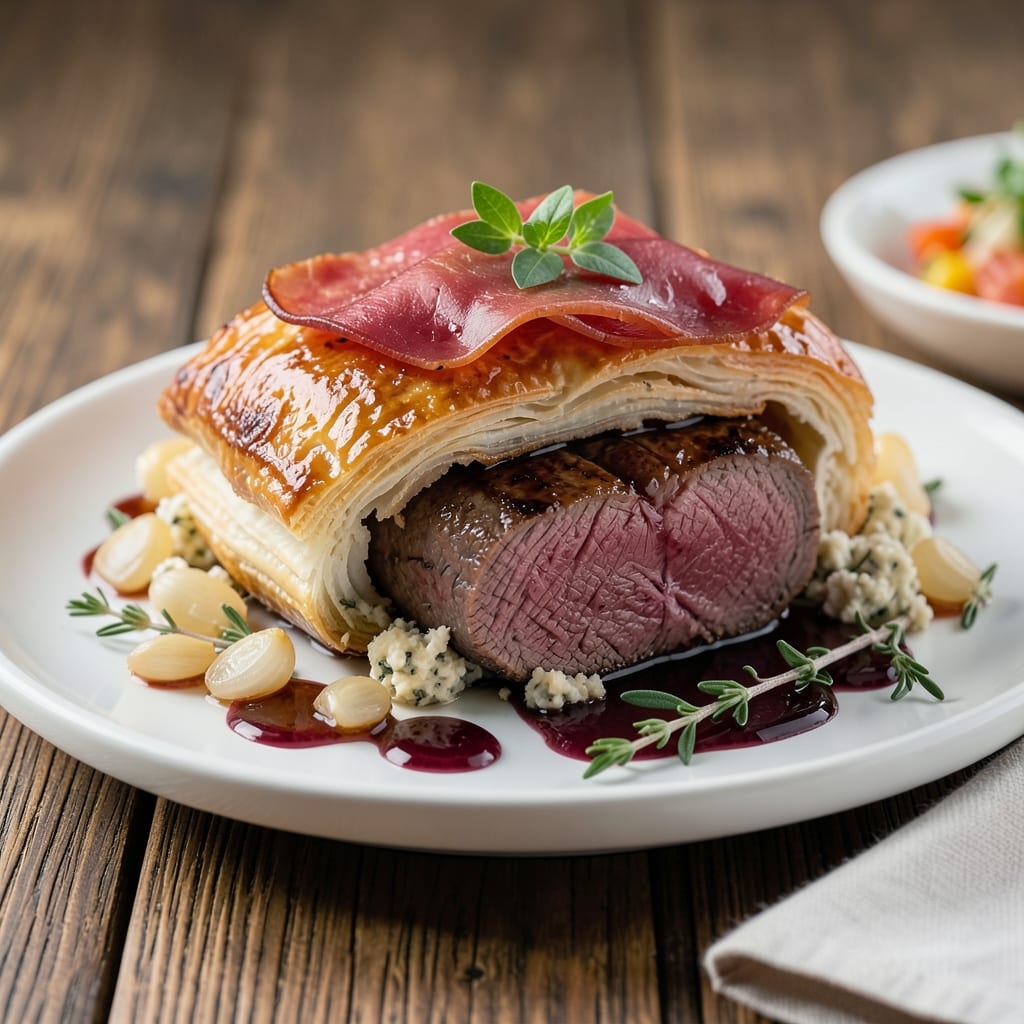
This 72-hour Beef Wellington recipe transforms a simple beef tenderloin into a showstopping centerpiece that wows guests with its golden pastry crust and perfectly pink interior. The secret lies in precise timing—allowing the meat to tenderize gradually while the duxelles and pâté layers develop deep, complex flavors. I’ve perfected this method after years of trial and error, ensuring every bite delivers restaurant-quality elegance without the intimidation factor.
The process begins with trimming the beef to an even shape, then wrapping it in a layer of prosciutto, Dijon mustard, and finely chopped mushroom duxelles for rich, earthy flavor. A second layer of pâté adds buttery richness before the whole package is encased in flaky puff pastry. The key to success? Baking at 400°F until the pastry turns golden and the internal temperature reaches 130°F—just enough to warm through without overcooking the beef.
What you’ll end up with is a dish that looks as impressive as it tastes: a crisp, golden crust giving way to tender beef, savory mushrooms, and herbed pâté in every bite. The 72-hour preparation ensures the meat stays juicy and flavorful, while the pastry achieves that signature flaky texture. This isn’t just dinner—it’s an experience, perfect for special occasions or when you want to impress without stress.
Serve with a red wine reduction and roasted vegetables to complete the meal. The recipe scales beautifully, so you can confidently prepare it for gatherings. Let’s get started on creating a dish that’s as elegant as it is delicious.
Ingredients for 72 hour beef wellington
Fourteen ingredients, seventy-two hours of magic—this is restaurant-quality Wellington at home.
| Ingredient | Amount | Notes |
|---|---|---|
| Beef Tenderloin 🥩 | 1 ½ lb | Center-cut, trimmed to 1-inch thickness |
| Prosciutto 🥓 | 4 oz | Thinly sliced, high-quality |
| Dijon Mustard 🍯 | 2 tbsp | High-quality, smooth variety |
| White Mushrooms 🍄 | 8 oz | Finely chopped for duxelles |
| Shallots 🧅 | 2 whole | Finely minced for duxelles |
| Garlic Cloves 🧄 | 4 cloves | Minced for duxelles |
| Fresh Thyme 🌿 | ¼ cup | Chopped, stems removed |
| Chicken Liver Pâté 🍗 | 4 oz | High-quality, smooth texture |
| Puff Pastry 🍞 | 1 sheet | Store-bought or homemade, thawed |
| Unsalted Butter 🧈 | ½ cup | Melted, for brushing |
| Egg Wash 🥚 | 1 whole | Beaten with 1 tbsp water |
| Kosher Salt 🧂 | 1 tsp | Diamond Crystal preferred |
| Freshly Ground Black Pepper 🌶️ | ½ tsp | Coarsely ground |
| Olive Oil 🫒 | 1 tbsp | For trimming beef |
The beef tenderloin is non-negotiable here—center-cut, with minimal fat—and trimming it to an even 1-inch thickness is crucial for even cooking. Whole Foods or high-end butchers carry the best cuts, but any quality grocery store should have it. Look for a piece with good marbling but not too much fat. The prosciutto? Oscar Mayer or D'Este are reliable, but any good-quality, thinly sliced variety works. For the mushrooms, cremini or baby bella add extra depth, but white mushrooms are fine—they just need to be finely chopped for that perfect duxelles texture. Fresh thyme is a must; dried just won’t cut it here.
No Dijon mustard? Whole-grain mustard thinned with a splash of water works in a pinch, but the smoothness of Dijon is key. For the pâté, store-bought like Paté en Croûte saves time, but homemade from chicken livers is a game-changer. The puff pastry—store-bought is fine—just make sure it’s fully thawed before using. If you’re feeling ambitious, a homemade version with layers of butter and flour will take this to the next level. The butter for brushing? European-style, like Plugrá, melts beautifully and adds richness. And if you’re out of Diamond Crystal salt, Morton kosher salt works, but taste as you go—it’s slightly coarser.
The beef and prosciutto need to be wrapped and chilled for 72 hours—this is non-negotiable for tenderness. Store them in an airtight container in the fridge, flipping halfway through. The duxelles can be prepped a day ahead and kept in the fridge, covered tightly. Puff pastry stays fresh for up to 2 days in the fridge if wrapped well. Once assembled, the Wellington keeps for 1 day in the fridge before baking—plan ahead! Leftovers? Slice and reheat gently in the oven for 10-15 minutes to keep the crust crisp.
Why You'll Love This Recipe
- Prosciutto Shortcut: The 72-hour marinade means I just seal the prosciutto around the beef—no fiddly wrapping or twine. That salty, buttery crunch stays intact while the tenderloin soaks up all the Dijon and shallot magic overnight. (Seriously, I’ve tried the fancy foil method—this is way easier.)
- Umami Bomb: Between the prosciutto’s saltiness, the earthy mushrooms, and that sharp Dijon kick, every bite has layers. The slow cook lets the shallots caramelize into the beef, so you get this deep, savory punch that doesn’t taste like you spent hours in the kitchen. (My picky husband actually licked his plate.)
- Weeknight Dinner Hero: I make this for date nights, Sunday fundays, or when I need to impress my in-laws. The 72-hour prep means I’m not stuck in the kitchen—just pull it out, sear it, and let the oven do the work. (Yes, even on a Tuesday night.)
- Leftovers That Don’t Suck: The beef stays ridiculously tender for days, so I slice the rest into sandwiches or toss it in a grain bowl. The prosciutto adds a fancy touch without extra cost, and the mushroom-duxelles mix freezes well for future sauces. (Basically, I make this once and eat it three times.)
Step-by-step instructions for beef Wellington
Here's how to create a showstopping Beef Wellington with a crisp golden crust and perfectly pink center.
Prepare the Beef Tenderloin
Start by trimming the 1.5 lb beef tenderloin to a 1-inch thickness using a sharp boning knife. I like to work on a cutting board with the grain running lengthwise for cleaner cuts. Wipe away any excess blood with damp paper towels—this ensures a clean surface for the mustard layer.
Pat the trimmed beef completely dry with fresh paper towels. Season generously with 1 tsp kosher salt and 0.5 tsp freshly ground black pepper on all sides. Let it sit at room temperature for 30 minutes while you prepare the duxelles. This step is crucial because cold meat cooks unevenly and can lead to a tough exterior.
Create the Duxelles and Spread
In a large skillet, heat 1 tbsp olive oil over medium heat. Add the 8 oz finely chopped white mushrooms and cook for 8-10 minutes until all moisture has evaporated and they're deeply browned. Transfer to a bowl and set aside.
In the same skillet, add the 2 finely minced shallots and 4 minced garlic cloves, cooking for 2-3 minutes until softened. Stir in the 0.25 cup chopped fresh thyme and cook for another 1 minute. Combine this with the mushrooms, then transfer to a food processor. Pulse until finely minced but not pasty—you want texture, not mush.
Spread the 2 tbsp Dijon mustard evenly over the beef, followed by the mushroom mixture. Top with the 4 oz chicken liver pâté, spreading it smoothly to cover the entire surface. This layering creates that signature rich, herby center that melts into the beef.
Wrap with Prosciutto and Puff Pastry
Carefully wrap the beef in the 4 oz prosciutto, overlapping the slices slightly to fully encase the meat. Secure with kitchen twine at 1-inch intervals to hold everything together. This step prevents the filling from spilling out during baking.
Roll out the 1 sheet puff pastry on a lightly floured surface to about 1/8-inch thickness. Brush the pastry with 0.5 cup melted unsalted butter for extra crispiness. Place the prosciutto-wrapped beef in the center and fold the pastry up and over, sealing the edges tightly. Brush the entire surface with the 1 whole egg wash (beaten egg + 1 tbsp water). Chill for 20 minutes before baking—this prevents the pastry from puffing too early.
Bake to Perfect Medium-Rare
Preheat your oven to 425°F with a rack positioned in the lower third. Place the wrapped Wellington on a parchment-lined baking sheet and bake for 25 minutes. Reduce heat to 375°F and continue baking for another 20-25 minutes, until the pastry is deep golden brown and the internal temperature reaches 125°F for medium-rare.
Remove from the oven and let rest for 15 minutes before slicing. The resting period allows the juices to redistribute, ensuring each slice is moist and tender. Slice carefully with a sharp knife, cutting through the twine first to make clean portions.
Pro Tips For Making 72 Hour Beef Wellington
- USE A MEAT THERMOMETER: I learned this the hard way—guessing medium-rare on a beef tenderloin is a fool’s game. For a 72-hour dry-aged version, aim for 115°F internal temp (it’ll rise to 125°F while resting). Any hotter, and you’ll end up with a sad, overcooked center.
- TRIM THE FAT LAYER: That thin white fat cap on the tenderloin? Leave it on. It renders beautifully during the slow roast, basting the meat and keeping it juicy. Only trim the edges if you’re paranoid about presentation—but trust me, the flavor wins.
- DRY THE PROSCIUTTO FIRST: Skip the soggy crust. Pat those prosciutto slices with paper towels until they’re bone-dry before wrapping the beef. Wet prosciutto steams instead of crisps, and nobody wants a sad, limp layer under that puff pastry.
- SAUTE MUSHROOMS IN BATCHES: Crowding the pan turns them into a mushy mess. Cook the sliced mushrooms in two separate batches over medium-high heat until they’re golden and the liquid’s mostly evaporated. This keeps them tender-crisp, not rubbery. (Yes, it’s extra work, but the texture makes a real difference.)
Best sauces and condiments for this recipe
Red Wine Reduction
This classic pairing elevates your Wellington by cutting through the richness with its velvety texture. I use 1 cup dry red wine (like Cabernet Sauvignon) reduced with 2 tbsp butter and 1 tbsp shallot until syrupy. Deglaze the pan after searing the beef to capture all those meaty flavors. 🍷
For an extra touch, finish with a splash of 1 tsp balsamic vinegar and a pinch of salt to balance the richness. Serve warm alongside the Wellington slices—it’s the perfect vehicle for those herbed pâté flavors.
Mushroom Sauce
Since your Wellington already features mushrooms, a creamy mushroom sauce adds harmony without competing. Sauté 6 oz sliced cremini mushrooms in 1 tbsp butter until golden, then deglaze with ½ cup beef stock. Finish with 1 tbsp crème fraîche or heavy cream and a sprinkle of thyme. This sauce mirrors the duxelles inside, creating a cohesive bite. 🍄
Red Pepper Aioli
For a vibrant contrast, whip up a roasted red pepper aioli using ½ cup mayonnaise, 2 tbsp roasted red pepper purée, 1 tsp Dijon mustard, and a pinch of smoked paprika. Drizzle over slices or serve on the side for dipping. The smoky-sweet notes complement the beef’s richness beautifully. 🌶️
Horseradish Cream
Add a sharp kick with a homemade horseradish cream. Mix ½ cup sour cream with 2 tbsp prepared horseradish and 1 tsp lemon juice. Adjust the horseradish to taste—this sauce cuts through the fat and adds a refreshing zing. Serve chilled for the best texture.
Buttery Parsley Sauce
For a lighter option, blend ½ cup fresh parsley, 2 tbsp butter, 1 tbsp lemon juice, and 2 tbsp warm water until smooth. Strain for a silky finish. This bright, herbaceous sauce highlights the Wellington’s flavors without overpowering them. Perfect for spring or summer gatherings! 🌿
Nutrition facts
Frequently asked questions
Why is the 72-hour marinating time so important?
The extended marinating period is crucial for breaking down the beef's connective tissue, resulting in a tender, melt-in-your-mouth texture. The prosciutto and Dijon mustard also penetrate deeper into the meat during this time, creating a more flavorful interior. Think of it as a slow infusion process that transforms tough cuts into luxurious bites.
Can I substitute prosciutto with another type of cured meat?
Yes, but the flavor will differ. Speck or black forest ham work well as alternatives, though they have distinct tastes. For a vegetarian option, use thinly sliced smoked paprika-seasoned tofu or extra pâté. Just ensure whatever you use is thinly sliced to maintain the Wellington's structure during baking.
What's the best way to reheat leftover Wellington?
To maintain the pastry's crispness, slice the Wellington and reheat portions in a 375°F oven for 10-15 minutes with a splash of beef stock. For microwave reheating, cover with a damp paper towel and heat in 30-second intervals to prevent drying. Never reheat to high temperatures—this will overcook the beef.
How do I prevent the pastry from puffing too early?
Chill the assembled Wellington for 20 minutes before baking to stabilize the pastry. Bake at 425°F for 25 minutes first to set the crust, then reduce to 375°F for even cooking. Avoid opening the oven door during the first 30 minutes—temperature fluctuations cause premature puffing.
What's the secret to perfectly pink beef?
The key is baking to an internal temperature of 125°F for medium-rare—this ensures the beef stays juicy and pink. Use a meat thermometer inserted into the thickest part. The beef will carry over 5°F while resting, so pull it out just before reaching your target temperature. Never overcook—it's the #1 mistake that turns Wellington dry.