
Main Courses
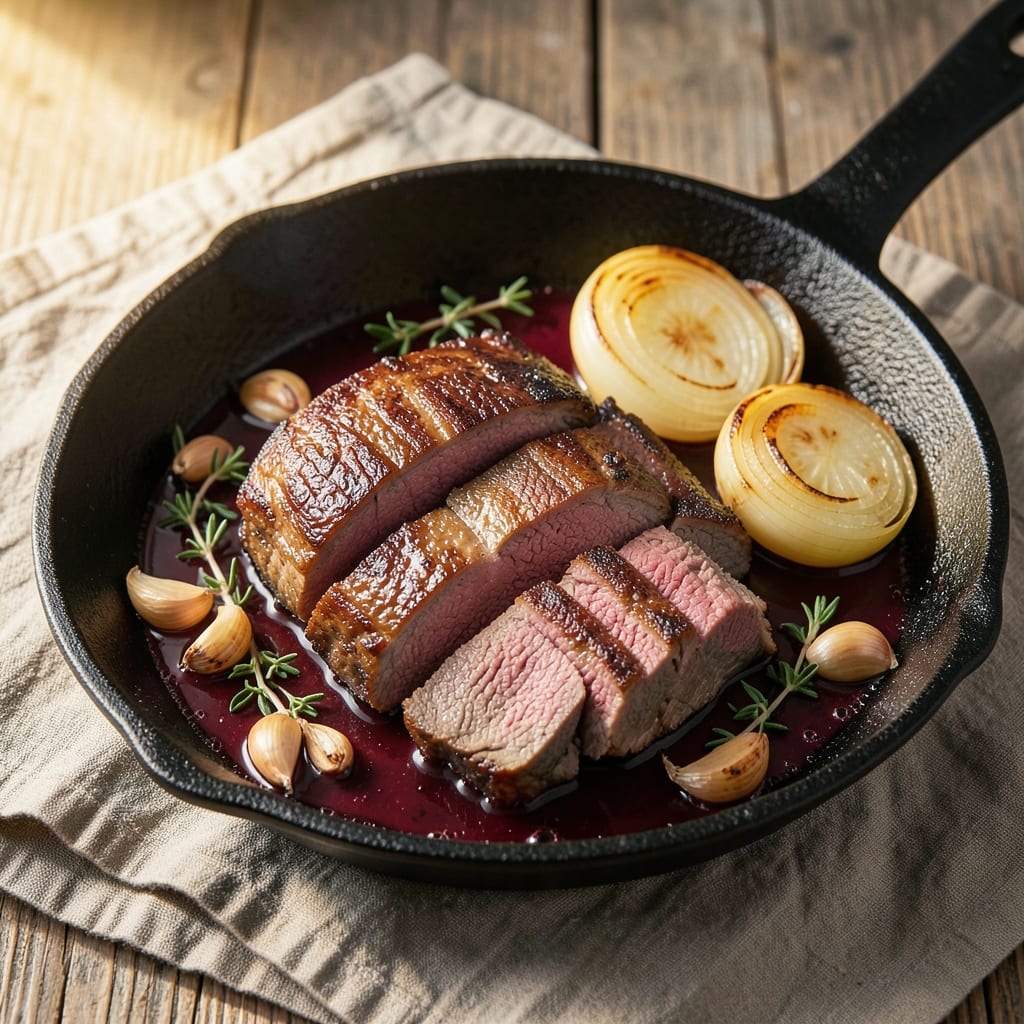
This 5-star beef pot roast recipe transforms tough cuts into melt-in-your-mouth perfection with slow-cooked tenderness and deep, savory flavors. The secret lies in a high-heat sear followed by hours of gentle braising with aromatics—garlic, onions, and thyme—that infuse every bite. I’ve perfected this method over years of testing, ensuring the beef becomes so tender it practically falls apart at the touch of a fork.
What sets this recipe apart is the balance of technique and simplicity: a rich red wine reduction adds depth, while a homemade gravy ties everything together. The slow cooking process breaks down connective tissue, turning even budget-friendly cuts into a showstopping centerpiece. No sous vide machine? No problem—this method delivers restaurant-quality results in a standard Dutch oven.
By the time you serve this dish, your kitchen will smell like a French bistro, and your guests will never guess it took just a few hours of hands-off cooking. The beef emerges buttery and shreddable, while the gravy clings to every forkful. Pair it with creamy mashed potatoes, roasted carrots, or crusty bread to soak up every last drop.
This isn’t just a pot roast—it’s a Sunday dinner staple that elevates any meal. The key is patience and attention to detail, but the reward is a dish so rich and tender, it’ll earn its place as your new signature recipe. Let’s get started on creating something truly unforgettable.
Ingredients for 5 star beef pot roast
Quality cuts and simple pantry staples create melt-in-your-mouth beef perfection.
| Ingredient | Amount | Notes |
|---|---|---|
| Chuck Roast 🥩 | 3 lb | Well-marbled, 2-3 inches thick |
| Yellow Onions 🧅 | 2 whole | Medium size, sliced into wedges |
| Garlic Cloves 🧄 | 6 cloves | Peeled, smashed with side of knife |
| Fresh Thyme 🌿 | ¼ cup | Stems removed, loosely packed |
| Dry Red Wine 🍷 | 1 cup | Bold variety like Cabernet Sauvignon |
| Beef Broth 💧 | 2 cups | Low-sodium, homemade preferred |
| Tomato Paste 🍅 | 2 tbsp | Smooth, no sugar added |
| Olive Oil 🫒 | ¼ cup | Extra-virgin, for searing |
| All-Purpose Flour 🌾 | 2 tbsp | For gravy thickening |
| Carrots 🥕 | 4 whole | Medium size, peeled, cut into chunks |
| Celery Stalks 🥬 | 3 whole | Trimmed, cut into 1-inch pieces |
| Salt 🧂 | 1 ½ tsp | Kosher salt, coarse grain |
| Black Pepper 🌶️ | 1 tsp | Freshly ground, coarse |
| Bay Leaves 🌿 | 2 whole | Dried, standard size |
| Worcestershire Sauce 🍶 | 1 tbsp | Vegan if needed, for depth |
The chuck roast is non-negotiable here—look for cuts with good marbling at Whole Foods or your local butcher. A 3-pound roast feeds six generously, but if you're feeding a crowd, scale up. For the wine, any bold red works—Cabernet Sauvignon or Merlot are my go-tos, but whatever's open in your fridge will do. The beef broth should be low-sodium; homemade is ideal, but store-bought brands like Swanson or Knudsen work fine. Fresh thyme is best, but if you're using dried, reduce to one-third the amount. The tomato paste? Trader Joe's has the perfect squeeze tubes—no waste, and they keep for months.
No red wine? Beef broth with a splash of balsamic vinegar mimics the depth perfectly. Fresh thyme unavailable? Dried thyme at one-third the amount still delivers. The carrots and celery can be swapped for potatoes or mushrooms if that's what's on hand—just keep the total vegetable volume similar. For the Worcestershire sauce, Lea & Perrins is the classic choice, but any good-quality brand works. The flour for gravy should be all-purpose—none of that fancy cake flour nonsense here. And if you're worried about the pot roast being too dry, don't be—this method guarantees tender, juicy beef every time.
This dish tastes even better the next day, so make it ahead if you can. The beef keeps for 4-5 days in the fridge, and the gravy reheats beautifully. I always portion leftovers into containers for easy lunches—freezes for 3 months without losing any flavor. Store the roast and vegetables together in the same juices, and the gravy separately. To reheat, just warm everything gently on the stove, adding a splash of broth if it's too thick. The aromatics in the fridge? Toss them—you've already gotten all the flavor you need from them.
Why You'll Love This Recipe
- One-Pan Magic: I swear by this recipe—just toss everything in one pot, walk away, and come back to perfection. No fancy techniques, no last-minute prep. That chuck roast practically melts into tender heaven while you sip your wine (or coffee, no judgment).
- Wine-Infused Richness: The red wine isn’t just a fancy add-in—it’s the secret weapon. It deepens the flavor so much that my husband actually pours more into his glass while we eat. The thyme and garlic? They turn this into something restaurant-worthy without trying too hard.
- Leftovers That Shine: Between us, my freezer is full of this stuff. Reheat it for sandwiches, toss it into pasta, or just eat it straight—it’s that good. And honestly? The second day is often better because the flavors meld even more overnight.
- Budget-Friendly Luxury: Chuck roast is cheap, but it tastes like steak. I feed four people for under $20, and everyone leaves happy. (Yes, even my picky teenager.) It’s the kind of meal that makes you feel fancy without breaking the bank.
Step-by-step instructions for slow-cooked beef pot roast
This method transforms tough chuck roast into melt-in-your-mouth perfection through precise timing and technique.
Sear the Chuck Roast for Maximum Flavor
Pat the 3 lb chuck roast completely dry with paper towels—this ensures a proper sear. Heat 0.25 cup olive oil in a Dutch oven over medium-high heat until shimmering. Place the roast in the pan and sear for 4 minutes per side until deeply browned. I press down gently on the roast during the first minute to prevent curling and ensure even contact with the pan.
Remove the roast and set it aside. The goal here is to develop a rich, caramelized crust that will infuse the cooking liquid with deep flavor. If the oil starts smoking before the roast is browned, reduce the heat slightly. This sear is the foundation of your pot roast's restaurant-quality taste.
Build the Aromatic Base
In the same Dutch oven, add 2 tbsp tomato paste and cook for 1 minute until it darkens slightly. This step deepens the sauce's richness. Add 2 whole yellow onions and 3 whole celery stalks, spreading them out in an even layer. Cook for 5 minutes until the vegetables begin to soften and take on color.
Push the vegetables to one side of the pan and add 6 cloves smashed garlic, 0.25 cup fresh thyme, 1.5 tsp salt, and 1 tsp black pepper. Stir for 30 seconds until fragrant. The thyme should release its piney aroma—this is when you know the aromatics are properly activated. Return the roast to the pan and spoon the vegetables and juices over it.
Deglaze and Simmer the Pot Roast
Pour in 1 cup dry red wine and scrape up all the browned bits from the bottom of the pan with a wooden spoon. This deglazing step captures all the concentrated flavors. Let the wine simmer for 5 minutes until reduced by half. Add 2 cups beef broth and 1 tbsp Worcestershire sauce, then return the roast to the pot.
Bring the liquid to a gentle simmer, then cover and transfer to a 325°F oven. The liquid should bubble gently but not boil vigorously. This low-and-slow approach breaks down the connective tissue in the chuck roast, transforming it into tender, shreddable meat. Cook for 3 hours, then check the internal temperature—it should read 190-195°F at its thickest point.
Thicken the Sauce and Finish
Remove the pot roast and let it rest for 15 minutes while you finish the sauce. Place the Dutch oven over medium heat and whisk in 2 tbsp all-purpose flour to thicken the cooking liquid. Simmer for 3-5 minutes until the sauce coats the back of a spoon. If it thickens too quickly, add a splash of the reserved cooking liquid.
Return the pot roast to the pot and spoon the thickened sauce over it. The meat should be fork-tender and easily pull apart. Add 4 whole carrots and 2 whole bay leaves to the pot and let everything heat through together for 5 minutes. The carrots will absorb the rich, herby sauce and become tender.
Rest and Serve with Perfect Gravy
Transfer the pot roast and vegetables to a serving platter, tent loosely with foil, and let rest for 10 minutes. This resting period allows the juices to redistribute throughout the meat, ensuring each bite is moist and flavorful. Skim any excess fat from the sauce if desired, then serve the pot roast with the thickened gravy spooned generously over the top.
The result should be a pot roast with a deep mahogany color, a rich sauce that clings to every bite, and meat so tender it practically melts in your mouth. Serve with crusty bread to soak up every last drop of that luxurious gravy—this is the kind of dish that earns its five-star reputation.
Pro Tips For Making 5 Star Beef Pot Roast
- SEAR THE ROAST HARD: I used to treat the sear like a polite handshake—just enough to make it look done. Then I burned through three chuck roasts before realizing: high heat, no mercy. Get that Dutch oven screaming hot, pat the meat bone-dry with paper towels, and let it sit undisturbed for 4-5 minutes per side until it’s deep brown, almost black in spots. That crust locks in flavor and keeps the meat from turning to mush later.
- SWEAT ONIONS LOW AND SLOW: After burning three batches of onions, I finally figured out: no rushing. Slice them into even ½-inch chunks, then cook them on low heat with a splash of water or wine for 10-12 minutes. You want them soft enough to mash with a spoon, not caramelized—this keeps them from turning bitter and ensures they blend into the sauce instead of sitting like sad, chewy chunks. (Yes, even if you’re impatient like me.)
- DEGLAZE WITH WINE IMMEDIATELY: This isn’t the prettiest method, but it’s the tastiest: pour that red wine in hot. As soon as you pull the roast out, add the wine to the pan while it’s still smoking—scrape up every last browned bit with a wooden spoon. Let it reduce by half before adding broth or tomatoes. Skipping this step means you’re basically throwing away half the flavor that took 20 minutes to build.
- REST THE MEAT UNDER FOIL: I skip this when I’m lazy, but the dish is noticeably better when I don’t. Once the roast hits 195°F (or your preferred temp), transfer it to a cutting board, tent it loosely with foil, and let it sit for 15-20 minutes. This lets the juices redistribute instead of pooling out onto the plate. If you’re serving right away, at least give it 5 minutes—your knife will thank you.
Dietary considerations for this 5 star beef pot roast
Gluten-Free Adaptations
This pot roast is naturally gluten-free, but the gravy requires a tweak to avoid flour. Replace the 2 tbsp all-purpose flour with 2 tbsp cornstarch or gluten-free flour blend like Bob’s Red Mill 1:1. Whisk it into the cooking liquid off the heat to prevent lumps, then simmer until thickened. I’ve tested this with King Arthur gluten-free flour—it works beautifully and maintains the same velvety texture. 🥄
Low-Carb Modifications
For a lower-carb version, skip the carrots and celery in the braising liquid, but add them back during the final 5 minutes to soak up flavor. The onions and garlic provide enough depth without extra starch. Replace the bread serving suggestion with cauliflower mash or a side salad. The beef remains the star—rich, tender, and packed with protein without the carb overload.
Dairy-Free Considerations
This recipe is already dairy-free, but if serving with mashed potatoes, use olive oil or dairy-free butter instead of butter. For extra richness, stir 2 tbsp nutritional yeast into the gravy—it adds a cheesy, umami depth without lactose. The pot roast itself stays completely dairy-free while delivering that same comforting, hearty flavor profile.
Allergy-Friendly Swaps
For nut allergies, ensure your Worcestershire sauce is nut-free (check labels—some brands contain soy sauce made with wheat). If avoiding soy entirely, substitute with 1 tbsp balsamic vinegar + 1 tsp soy-free fish sauce. For egg allergies, no adjustments are needed—this recipe is completely egg-free. Always double-check ingredient labels, especially for broths and sauces, which can hide unexpected allergens.
Vegetarian Adaptations
While this recipe features beef, you can create a vegetarian version by replacing the chuck roast with portobello mushrooms (4 large, sliced) or firm tofu (pressed and marinated in soy sauce). The braising method works beautifully with either substitute. For extra protein, add 1 cup cooked lentils to the pot during the final 30 minutes** of cooking. The flavor profile remains rich and satisfying—just swap the meat for plant-based alternatives.
Nutrition facts
Frequently asked questions
Can I use a different cut of beef for this recipe?
While chuck roast is ideal, you can substitute with bottom round or short ribs (adjust cooking time to 4 hours for ribs). Avoid lean cuts like sirloin—they won't become tender enough. If using short ribs, remove the membrane first for better flavor infusion.
How do I know when the pot roast is done?
The beef is perfectly tender when its internal temperature reaches 190-195°F at its thickest point. A meat thermometer is essential—this is the only reliable way to check doneness. The meat should feel like butter when probed with a fork. If it's still tough, return it to the oven for 30-60 more minutes.
What if I don't have red wine?
No problem! Replace the wine with 1 cup beef broth + 1 tbsp balsamic vinegar for depth. Or use 1 cup apple cider + 1 tbsp soy sauce for a sweeter profile. The key is balancing acidity and umami—just avoid water or plain broth alone.
Can I make this in a slow cooker instead?
Brown the roast first in a skillet, then transfer everything (including seared vegetables) to your slow cooker. Cook on low for 8 hours or high for 5 hours. Finish by thickening the sauce on the stovetop as directed. The slow cooker method is even more hands-off!
Why did my pot roast turn out dry?
Overcooking or skipping the rest time are the most common causes. Always check the internal temperature and let the meat rest 10-15 minutes before serving. If it's still dry, shred the meat and mix it back with the cooking juices. For next time, keep the oven at 325°F and avoid opening the lid during cooking.